

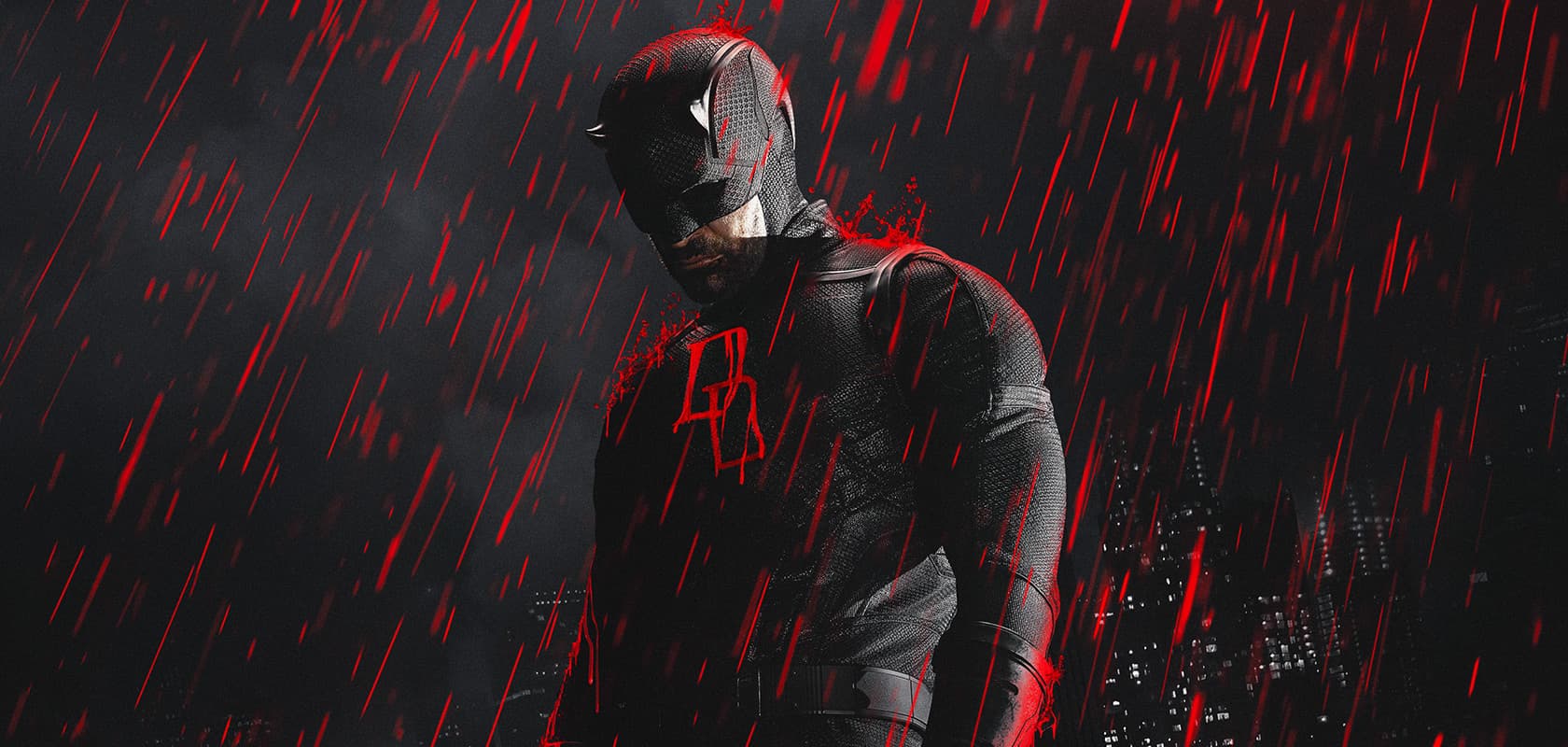
TL;DR: Daredevil: Born Again Season 2 ends with a ballsy identity reveal, a chaotic City Hall bloodbath, and massive setup for Season 3 that respects the character’s roots while pushing the MCU’s street-level game forward. Must-watch television for any Daredevil fan.
Daredevil: Born Again
Man, I sat there after the credits rolled on Daredevil: Born Again Season 2’s finale with my heart still hammering like I’d just leaped across rooftops myself. This episode doesn’t just stick the landing. It body-slams the entire season into the history books as one of Marvel TV’s absolute peaks. Where Season 1 sometimes felt like it was tiptoeing around its Netflix roots, Season 2 charges straight through the pain, the rage, and the moral gray zones that made the original series legendary. Charlie Cox’s Matt Murdock has never felt more human, more broken, or more dangerously alive.
The finale builds on everything that came before, turning personal vendettas into city-wide chaos. We’ve watched Matt claw his way through prison breaks and brutal street fights. Now it all explodes in a courtroom that turns into a battlefield and a City Hall insurrection that makes the streets of Hell’s Kitchen look tame. This isn’t just another superhero finale. It’s a gritty crime drama wrapped in a cape that refuses to play by MCU rules.
Matt Murdock’s Identity Reveal Hits Like a Freight Train
Let’s talk about that courtroom moment, because holy hell, it lands with the force of a billy club to the ribs. Matt, battered and stitched up thanks to some timely help from Krysten Ritter’s Jessica Jones, stands in front of everyone who matters and drops the mask. Not metaphorically. Literally. He owns being the Devil of Hell’s Kitchen in open court, complete with that perfect cane ricochet trick that screams “yeah, it’s really me.”
I geeked out hard at the audacity. For over a decade across shows and timelines, Wilson Fisk has dangled Matt’s secret like a loaded gun. Now Matt flips the script and uses truth as his sharpest weapon. The room goes dead silent, then erupts. It’s the kind of bold swing that reminds me why we fell in love with this character in the first place. No magic resets. No convenient memory wipes. Just raw consequences staring him in the face.
This choice reshapes everything. Matt can finally testify against Fisk in a way that actually sticks. But it also paints a massive target on his back. The show doesn’t shy away from the fallout. It leans into it, forcing Matt to confront what being open about his double life really costs. Cox plays every beat with that quiet intensity he’s perfected, mixing exhaustion, defiance, and a flicker of hope that maybe, just maybe, this time justice wins.
The City Hall Insurrection Feels Like Pure Daredevil Mayhem
From the courtroom to City Hall, the episode shifts into full riot mode. Fisk’s back is against the wall after Matt’s bombshell, and his dwindling loyalists can’t hold back the tide of angry New Yorkers who’ve had enough of the Kingpin’s reign. What follows is a chaotic, bloody brawl that captures the street-level grit this series does better than almost anything else in the MCU.
Daredevil, Jessica Jones, and a freshly cleared Karen Page dive into the fray alongside new allies like Camila Rodriguez’s White Tiger. The action choreography here is vicious and inventive, full of those long, breathless takes that make you feel every punch and broken bone. Fisk doesn’t go down easy. He tears through protesters with terrifying efficiency, reminding us why Vincent D’Onofrio’s portrayal remains one of the most chilling villains in superhero history.
I loved how the show balances the spectacle with the morality play. Matt refuses to let the mob deliver its own brand of justice, even after everything Fisk has done. Saving his greatest enemy from the very people he’s hurt feels so perfectly Daredevil. It’s not weakness. It’s the Catholic guilt and unbreakable code that defines Matt Murdock. In a genre full of power fantasies, this moment grounds everything in something deeper.
The insurrection sequence also gives supporting players room to shine. We see internal conflicts within the AVTF boil over, with characters making tough stands that echo the larger themes of power and corruption. It’s messy, it’s brutal, and it feels earned after two seasons of building tension.
Heartbreaking Losses and Game-Changing Stakes
Season 2 didn’t pull punches with its body count, and the finale makes sure those losses echo. The deaths earlier in the season, particularly involving Vanessa and Daniel, have left scars on everyone. They fuel the rage, the desperation, and the shifting alliances that make this ending feel so weighty.
Matt’s victory over Fisk comes at a steep personal price. Exiling the Kingpin doesn’t magically fix New York or Matt’s life. Instead, our hero ends up exactly where his vigilante activities always threatened to put him, behind bars. It’s a poetic, gut-wrenching irony that fits the tone perfectly. Daredevil saves the city again, but the system he believes in still demands accountability.
Meanwhile, the episode plants seeds for what’s next that had me buzzing with excitement. Heather’s descent into something darker, taking up a disturbing mantle. Bullseye’s mysterious plane ride with a certain Matthew Lillard character that screams future intrigue. And yes, that long-awaited Luke Cage reunion with Jessica Jones hits like the perfect button on their arc. Mike Colter sliding back into the role feels like coming home.
These threads don’t feel like cheap teases. They grow naturally from the story’s soil, promising a Season 3 that could explore the legal system, underground power structures, and team-ups we’ve been dreaming about since the Netflix days.
Why This Finale Elevates the Whole Season
Looking back at Daredevil: Born Again Season 2 as a whole, this ending crystallizes what makes it special. The writing trusts the audience to handle complex characters who make terrible choices for understandable reasons. The action feels tactile and painful, never weightless. Performances across the board, especially Cox, D’Onofrio, and Ritter, elevate every scene into something memorable.
It respects the Netflix foundation without being shackled by it. Easter eggs and callbacks land with warmth rather than desperation. The show remembers that Daredevil works best when it’s about a blind lawyer punching crime in the face while wrestling with his soul, not just another cog in a massive cinematic universe.
The emotional core never wavers. Friendship, betrayal, redemption, and the endless cycle of violence in a broken city all get their due. I found myself tearing up during quiet moments between the chaos, something this series has always excelled at.
Technical aspects impress too. The cinematography captures Hell’s Kitchen’s neon-soaked nights and harsh daylight with equal skill. Sound design makes every fight feel visceral. The score swells at exactly the right moments to punch up the drama without overwhelming it.
Verdict
This finale doesn’t just close the book on Season 2. It rips the book in half and dares you to keep reading the next chapter.