
Note
This is a spoiler-free review! I protected the plot harder than a Marvel character protects their secret identity
TL;DR: Apple TV’s Cape Fear delivers a masterful psychological thriller with standout turns from Javier Bardem, Amy Adams, and Patrick Wilson. Tense, thematically rich, and visually stunning, this limited series updates a classic for modern audiences in the most gripping way possible—perfect prestige suspense for thriller fans.
Cape Fear
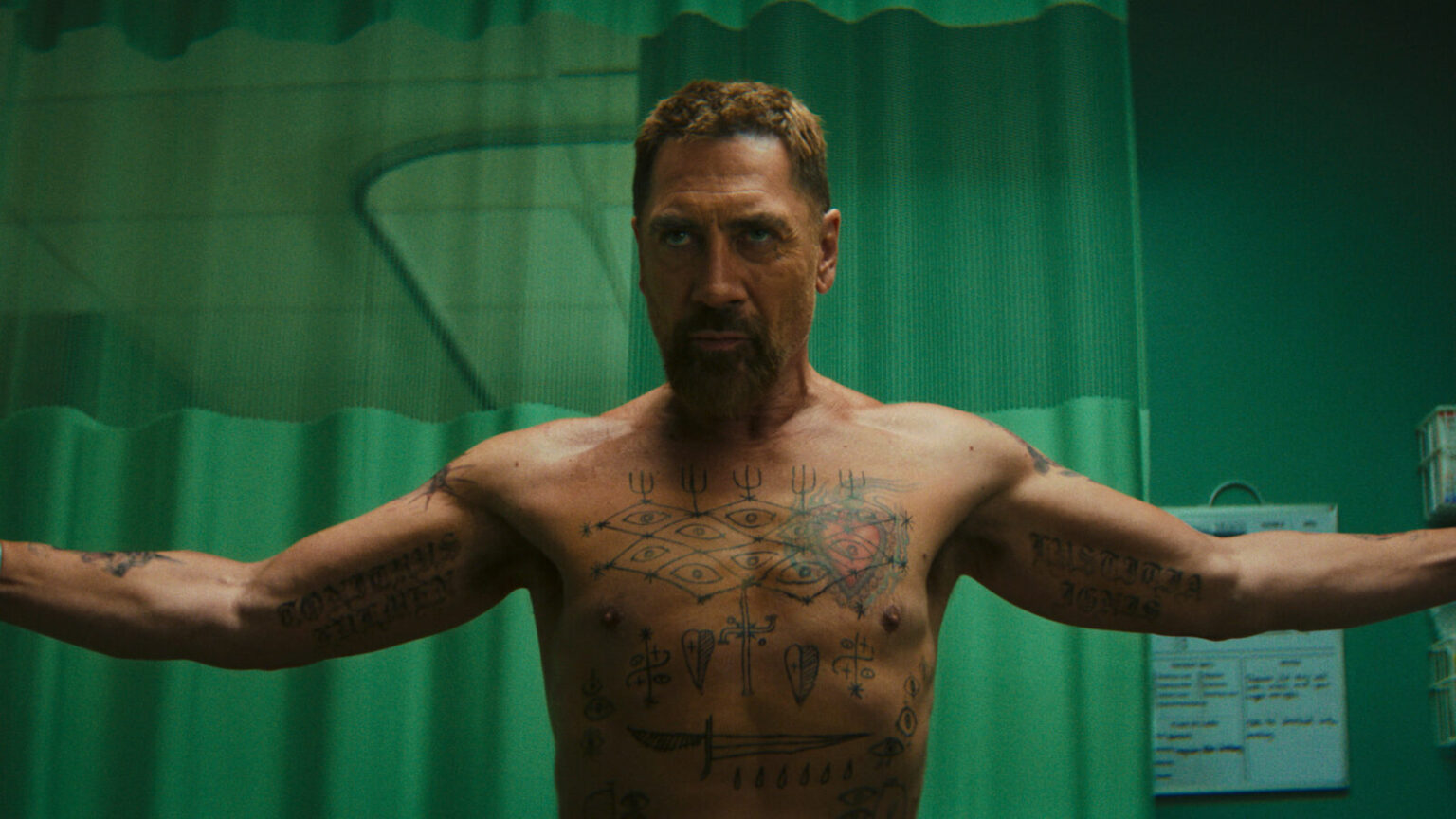
I had the opportunity to review the series in advance before its official release, and let me tell you, there’s an electric thrill that comes with seeing a story etched into cinematic history get resurrected for a new generation, especially when it arrives with the kind of pedigree and creative ambition that Apple TV’s Cape Fear promises. As someone who has devoured thrillers for decades, from Hitchcock’s masterful mind games to Scorsese’s raw intensity, this limited series adaptation felt like a long-awaited storm rolling in off the coast. Javier Bardem steps into the shoes of the unforgettable Max Cady with a performance that crackles with menace and charisma, while Amy Adams and Patrick Wilson bring grounded vulnerability to the Bowden family, whose carefully constructed world faces an existential threat from a figure emerging from their shared past. Created by Nick Antosca and executive produced by heavyweights Martin Scorsese and Steven Spielberg, the series premieres globally on June 5, 2026, with two episodes, followed by weekly drops that invite viewers into a meticulously crafted psychological descent.
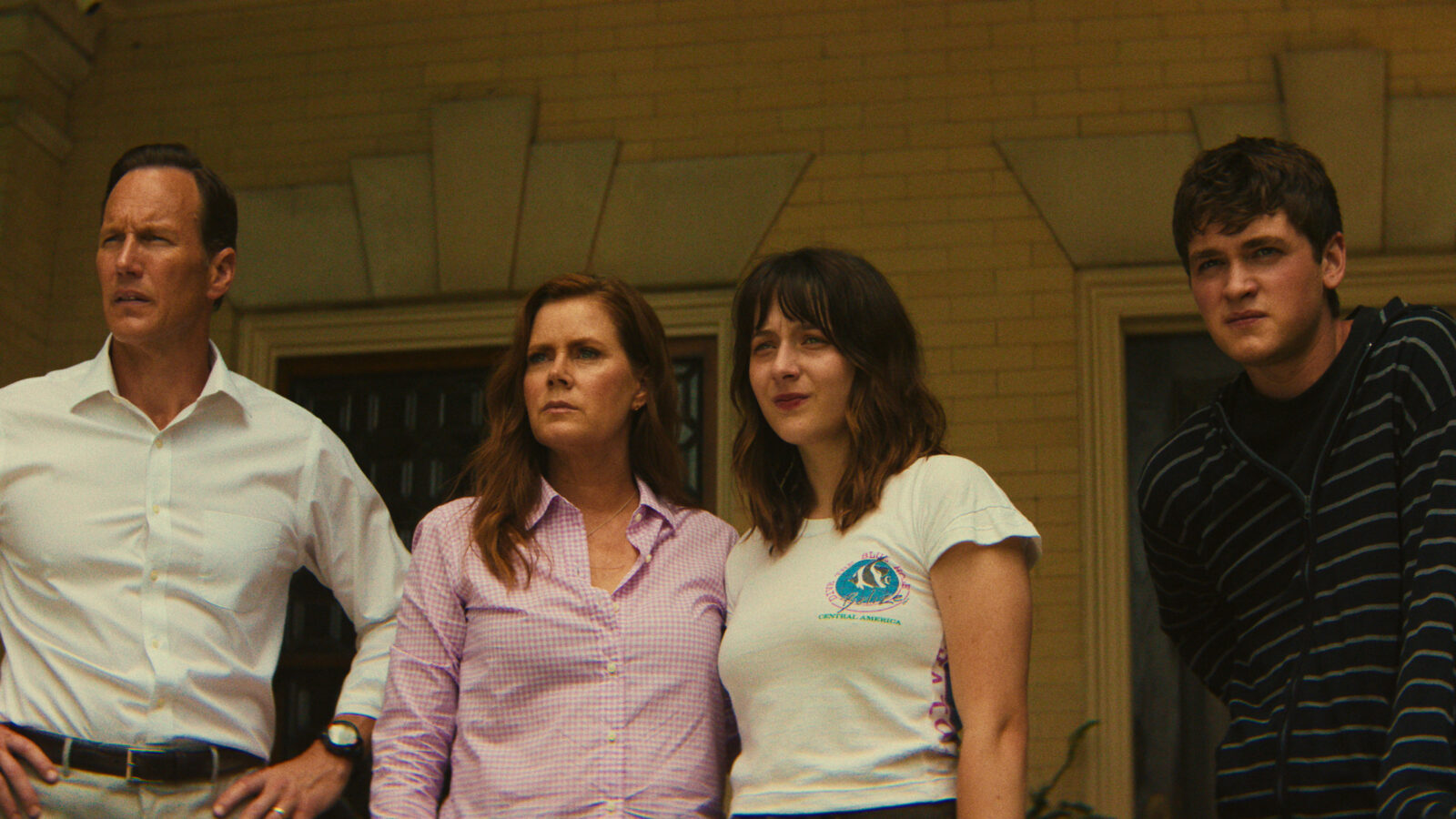
What makes this version resonate so deeply is its ability to tap into the primal fears that have always defined great suspense while layering in contemporary anxieties that feel ripped from today’s headlines. The story centers on a married couple of attorneys whose past professional decisions resurface in the form of a determined force seeking reckoning. Antosca, known for his knack for unsettling narratives that blur reality and perception, expands the tale into a ten-episode journey that allows for rich character exploration and escalating dread. It’s not merely a remake; it’s a thoughtful evolution that examines how truth, justice, and personal history collide in an era dominated by public scrutiny and hidden motives. From the opening frames, the atmosphere drips with unease—suburban serenity masking deeper fractures—that pulls you in and refuses to let go.
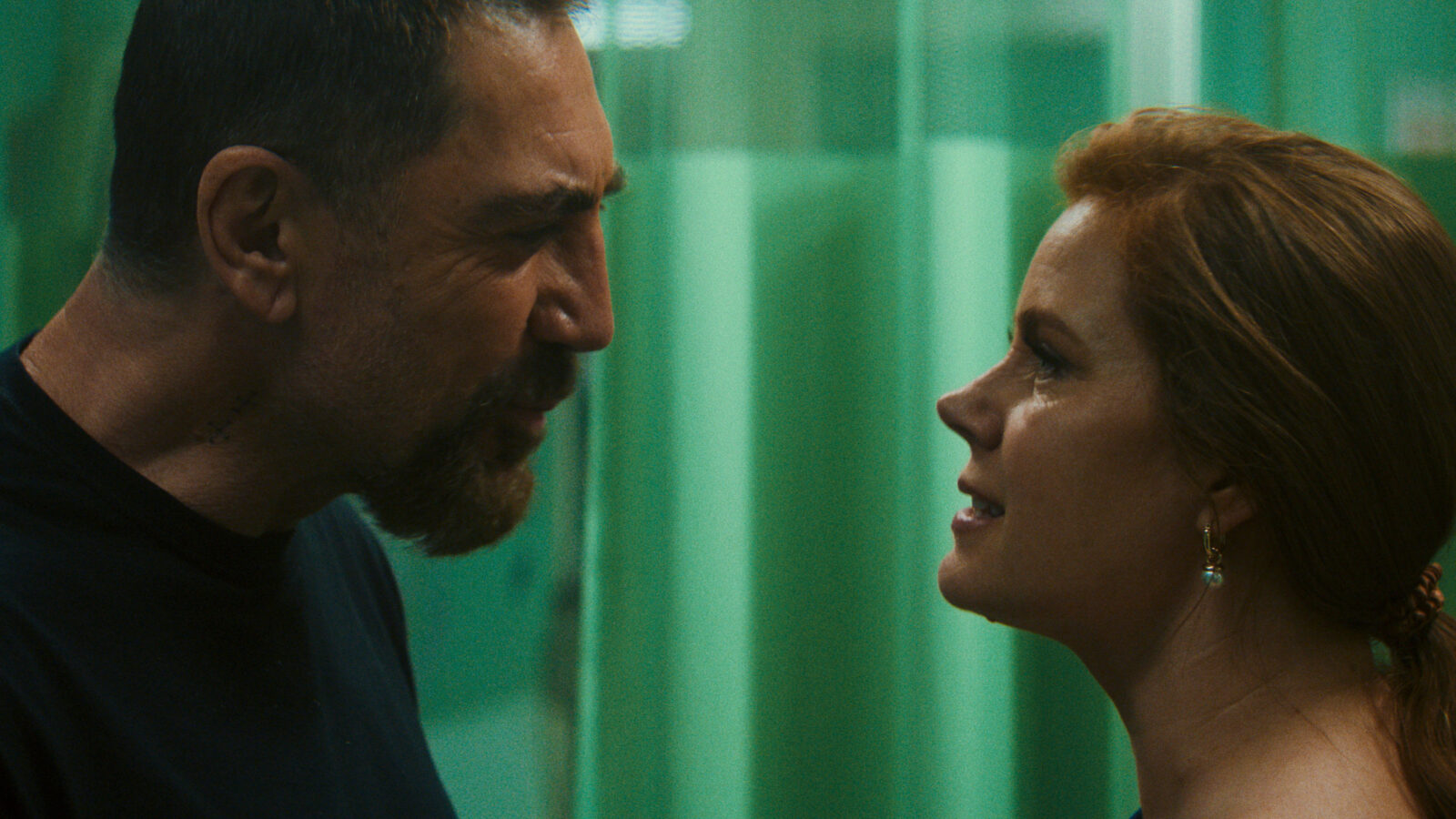
The production design and direction elevate every moment into something cinematic and immersive. Cinematography plays with light and shadow in ways that make ordinary settings feel charged with potential danger, while the score underscores the psychological tension without ever overpowering the performances. As a fan who appreciates stories that reward close attention, I found myself leaning forward during quieter scenes, sensing the undercurrents of manipulation and moral complexity. This Cape Fear doesn’t rush; it simmers, building a pressure cooker environment where every glance and conversation carries weight. It’s the kind of prestige thriller that reminds us why we crave these tales—not just for the scares, but for the mirror they hold up to our own lives and choices.
Javier Bardem’s Towering Presence as Max Cady
Bardem delivers a masterclass in controlled intensity that makes Max Cady feel both mythic and terrifyingly human. He infuses the character with a philosophical edge and physical command that commands the screen, blending intellectual sharpness with unpredictable volatility. Watching him navigate the role is like witnessing a force of nature that understands human weakness on an almost instinctive level. His interpretation stands apart through subtle choices that add layers of ambiguity, making Cady more than a simple antagonist—he becomes a catalyst for chaos that forces everyone around him to confront their deepest insecurities.
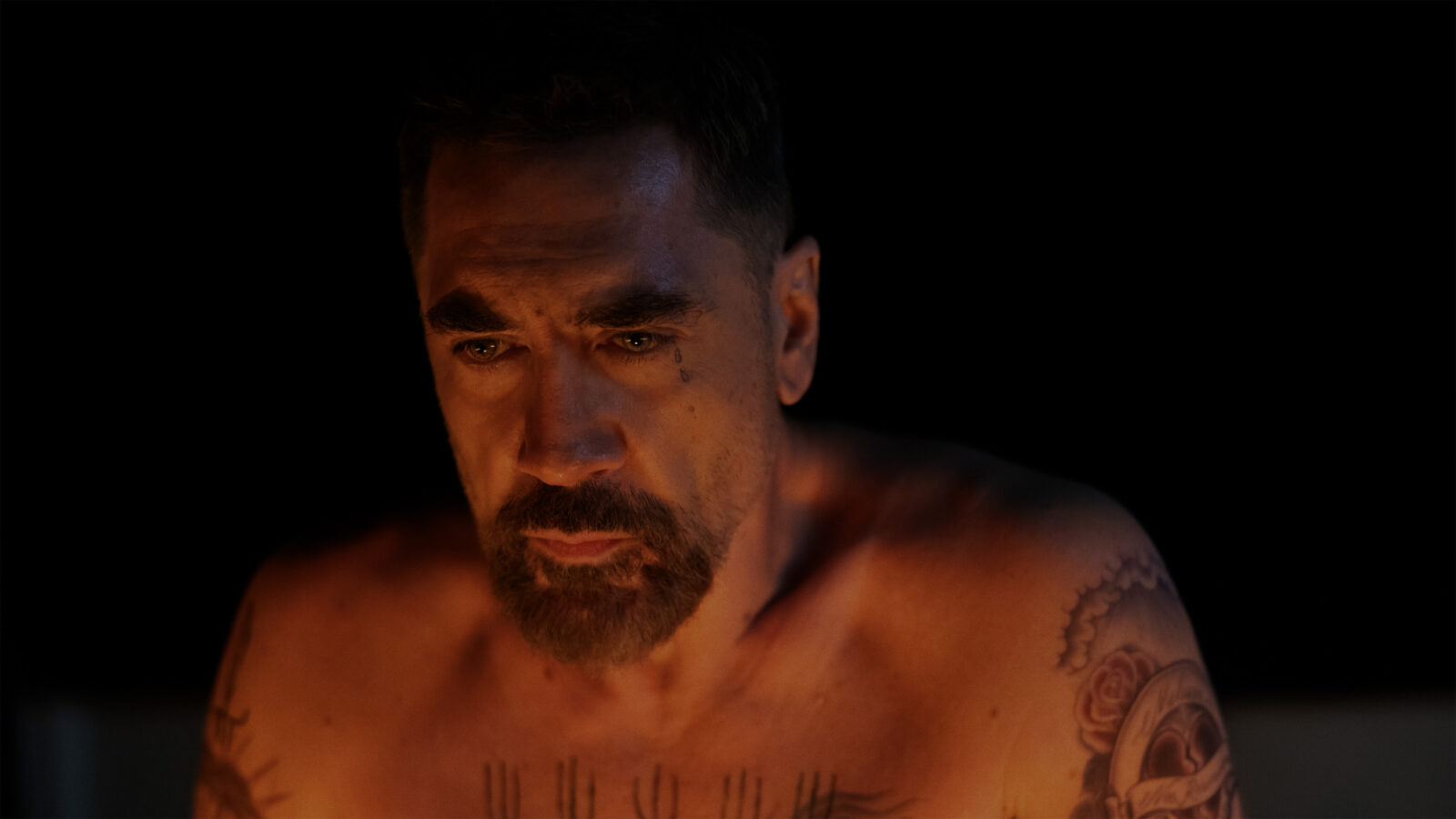
This take on the iconic villain feels perfectly tuned for our times. Bardem brings a magnetic quality that draws you in even as it repels, creating a duality that keeps viewers off-balance. His scenes crackle with an undercurrent of menace that lingers long after they end, turning dialogue into something almost weaponized. As someone who loved the previous portrayals for their raw power, I appreciated how this version finds new shades, emphasizing cunning strategy alongside brute presence. It’s the kind of performance that sparks endless discussion among fellow geeks about what makes a great screen villain tick.
Amy Adams and Patrick Wilson Anchor the Emotional Core
Amy Adams brings a nuanced strength to her role as Anna Bowden, capturing the exhaustion and resilience of someone whose professional poise masks personal vulnerabilities. She has this remarkable ability to convey internal turmoil through quiet expressions and shifting demeanor, making her character’s journey feel achingly real. Adams elevates the material by grounding the escalating threats in relatable human emotion, turning what could be melodramatic into something profoundly empathetic. You find yourself invested in her choices, questioning alongside her as the stakes mount.
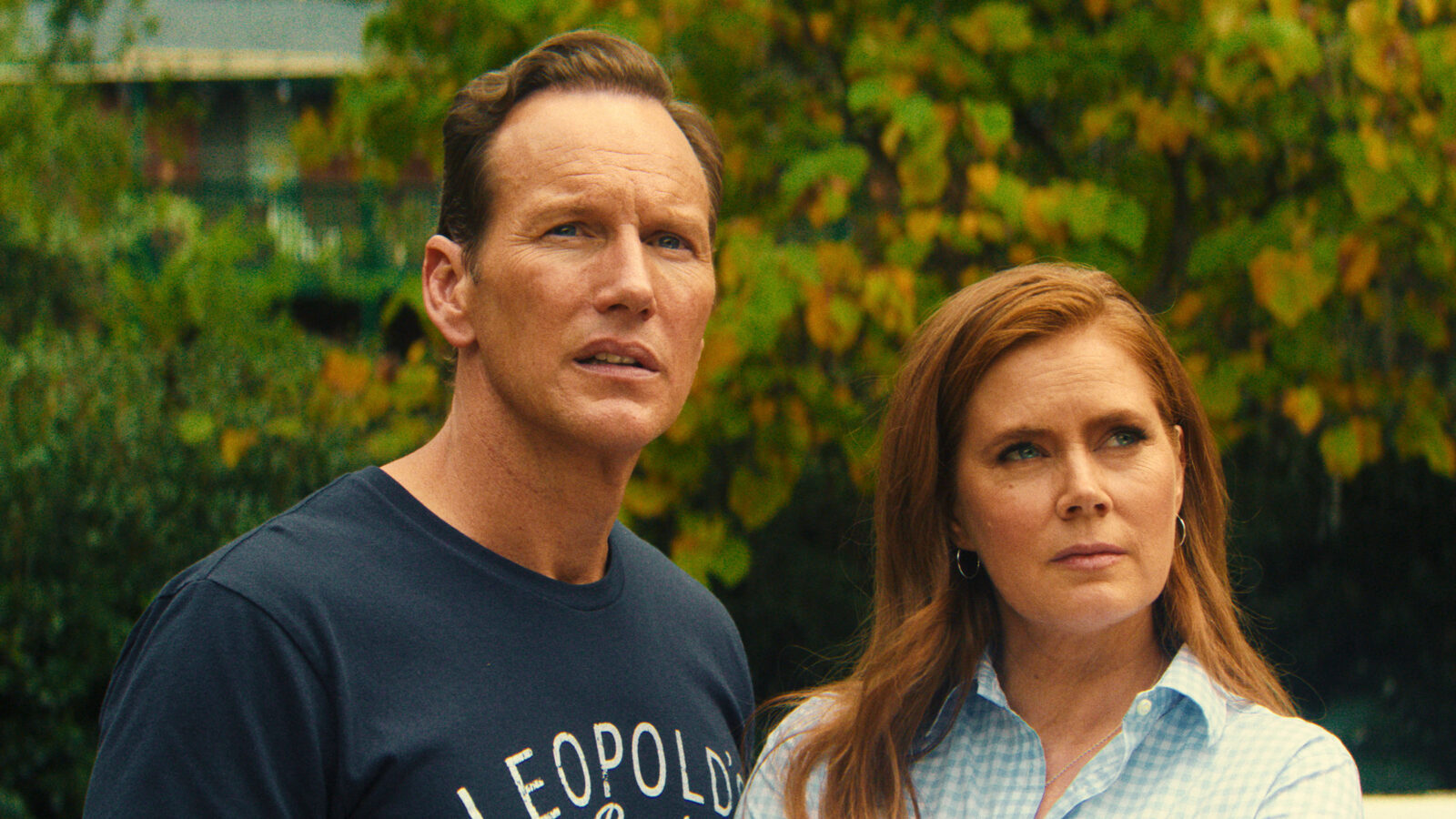
Patrick Wilson complements her perfectly as Tom, delivering a portrayal of a man whose steady exterior begins to crack under mounting pressure. His everyman quality makes the family’s plight feel immediate and personal, heightening the sense that this could happen to anyone. Together, Adams and Wilson create a believable partnership that adds emotional weight to the thriller elements. Their chemistry helps sell the domestic foundation before the storm fully hits, making the psychological unraveling all the more impactful. The supporting cast, including younger actors bringing fresh energy, rounds out a world that feels lived-in and authentic.
Themes That Mirror Our Modern World
One of the most compelling aspects of this Cape Fear is how it weaves in reflections on contemporary society without ever feeling preachy. The narrative probes ideas around justice, public perception, and the fragility of reputation in a hyper-connected age, where one shadow from the past can upend everything. Antosca’s storytelling invites viewers to ponder the nature of truth and how easily it can be distorted, creating a paranoia that seeps into every interaction. It’s smartly done, using the thriller framework to explore deeper questions about morality and consequence that linger long after watching.
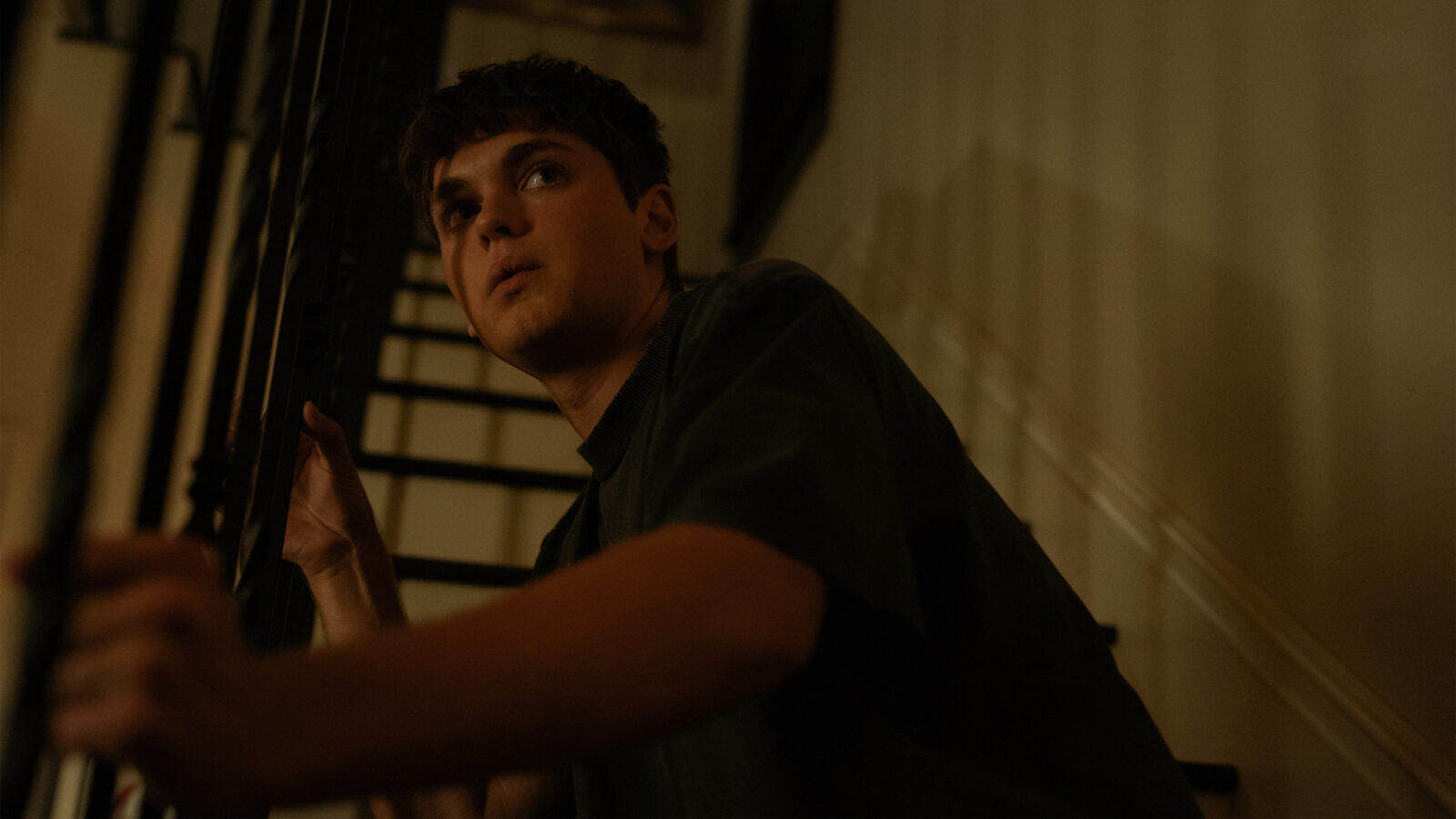
This adaptation excels at blending visceral suspense with introspective moments that dig into family bonds and personal ethics. The limited series format allows for a slow build that mirrors real emotional erosion, making the horror feel psychological rather than gimmicky. As a cinephile who values stories that evolve with culture, I loved how it updates classic elements for 2026 sensibilities, incorporating subtle nods to our obsession with true crime and digital-age gaslighting. These layers add richness, turning Cape Fear into more than entertainment—it becomes a conversation starter about the fears we all share.
Why This Adaptation Feels Essential in 2026
In a streaming landscape overflowing with options, Cape Fear stands out by respecting its audience’s intelligence while delivering pure genre thrills. The involvement of Scorsese and Spielberg lends an air of cinematic gravitas, but it’s Antosca’s distinctive voice that pushes the material into bold, relevant territory. This version doesn’t just retell a familiar story; it recontextualizes it to speak directly to current cultural nerves, making it feel urgent and necessary. For fans of prestige dramas laced with horror, like certain limited series that explore the darkness beneath polished surfaces, this hits the sweet spot.
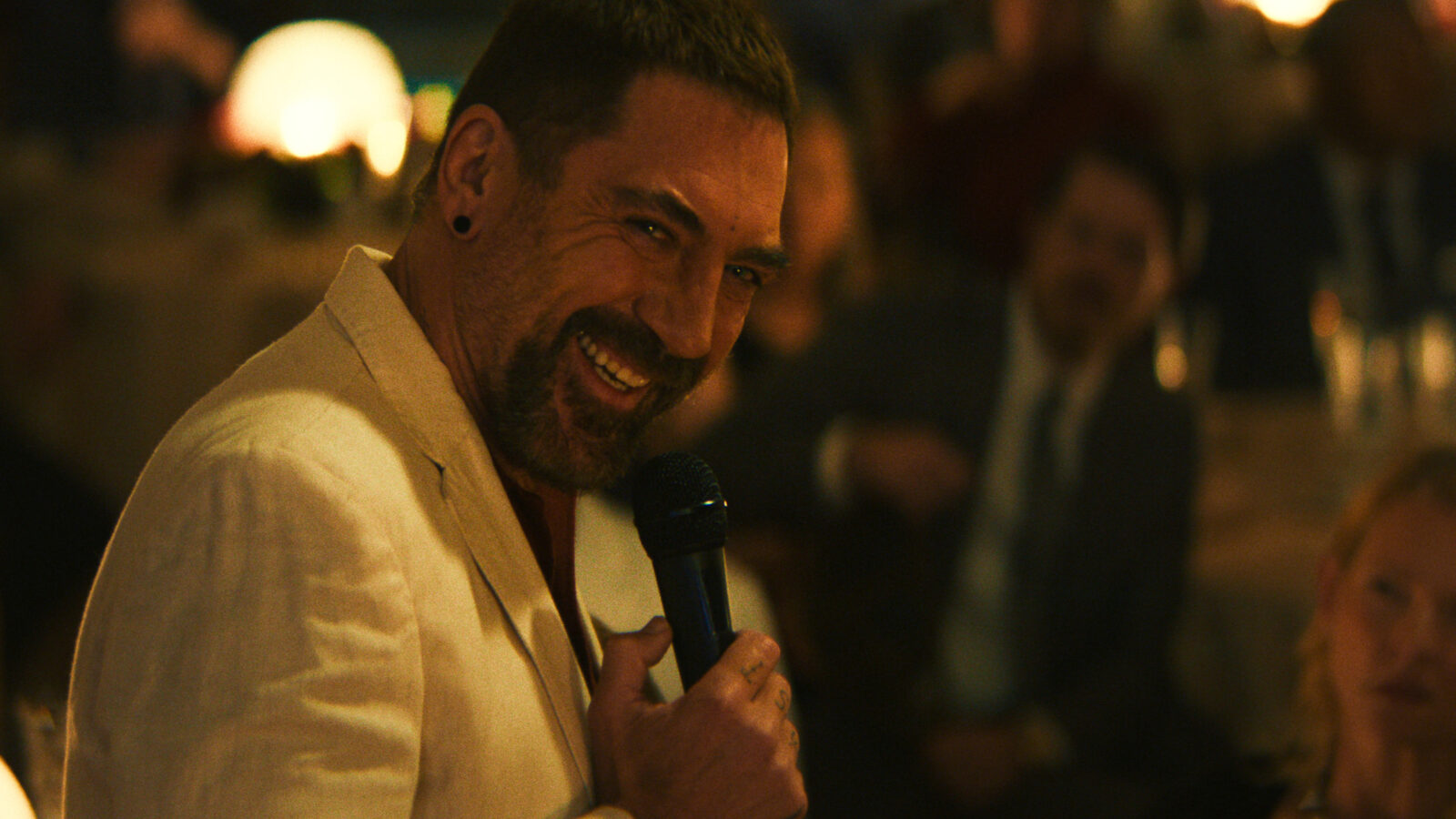
The series also shines in its exploration of how trauma and vengeance ripple outward, affecting not just the primary targets but everyone in their orbit. It’s a reminder of storytelling’s power to immerse us in moral gray areas, forcing us to grapple with questions of forgiveness, accountability, and human nature. Bardem’s Cady serves as a dark mirror, exposing cracks in the facade of success and stability. This depth, combined with top-tier execution, makes Cape Fear a binge-worthy event that lingers in your thoughts, much like the best thrillers from cinema’s golden eras.
Verdict
Apple TV’s Cape Fear is a triumph of psychological thriller craftsmanship, boasting powerhouse performances, atmospheric mastery, and insightful commentary that makes it essential viewing for 2026. It honors its legendary roots while delivering a fresh, deeply unsettling experience that showcases why this tale continues to captivate across generations. Passionate storytelling like this reaffirms my love for the genre and leaves me excited for more bold adaptations that challenge and entertain in equal measure.