

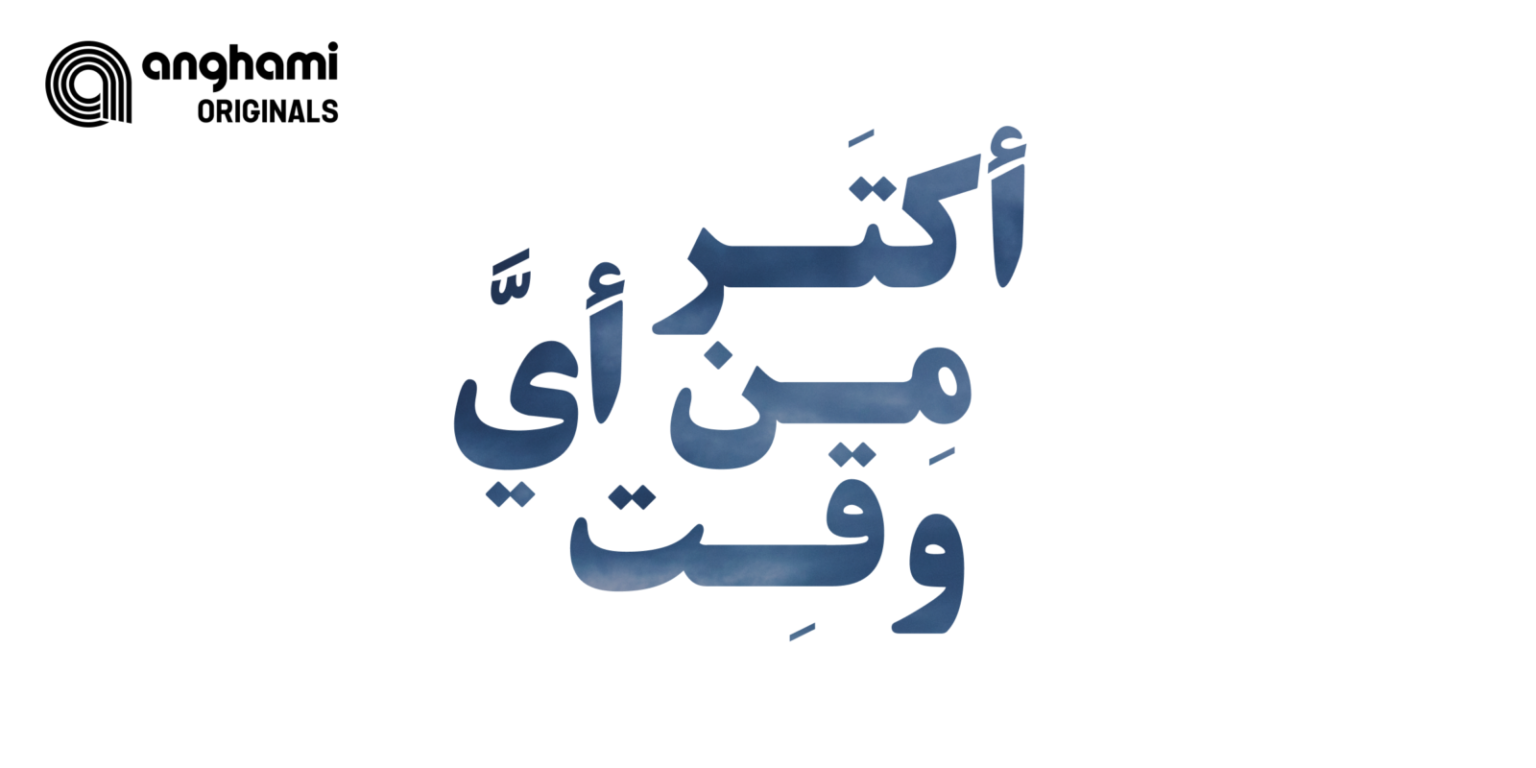
A new Arabic music release titled “Aktar Men Ayya Waqt” brings together a group of artists from across the Middle East in a collaboration that reflects shared experiences and regional diversity. The track, which translates to “More Than Ever,” features AbdulAziz Louis, Aseel Hameem, Bader AlShuaibi, Ghaliaa, Jaber Al Turki, Salim Assaf, and Sultan Khalifa. Each artist contributes a distinct style shaped by their background, offering a mix that spans generations and musical influences within the Arab music scene.
The project was developed over a relatively short timeframe, with recording taking place across multiple locations. Rather than being driven by a single production hub, the track emerged through remote collaboration, with each artist adding their part independently. This approach reflects a broader shift in how music is produced in the region, where digital platforms like Anghami are increasingly enabling cross-border creative work without requiring artists to be physically present in the same space.
Linguistically and musically, “Aktar Men Ayya Waqt” combines Levantine and Khaleeji dialects, blending different regional sounds into a single composition. The result is a track that moves between styles while maintaining a consistent tone centered on themes of connection, resilience, and shared emotional context. This kind of cross-dialect songwriting has become more common in recent years, as artists seek to reach wider audiences across Arabic-speaking markets.
The release is available on Anghami, where it is positioned as part of a broader effort to support regional collaborations. In this case, the platform’s role is largely facilitative, helping coordinate between artists and distribute the track to listeners across the Middle East and North Africa. As streaming services continue to expand in the region, they are taking on a more active role in enabling projects that bring together artists from different countries and musical traditions.
An accompanying video extends the concept by combining performance footage with scenes inspired by everyday life across the region. The visual approach avoids a single narrative, instead presenting a series of loosely connected moments that mirror the song’s emphasis on shared experience despite geographic distance.
Comments from those involved suggest the project was motivated by a desire to respond to a particular moment rather than to serve as a commercial centerpiece. Salim Assaf, one of the contributing artists, described the collaboration as rooted in a sense of connection and collective expression, pointing to music’s role beyond entertainment.
The release of “Aktar Men Ayya Waqt” on Anghami highlights a growing pattern in the Arabic music industry: collaborative projects that bridge regional styles and audiences while relying on digital infrastructure to bring them together. While not entirely new, this model is becoming more visible as artists experiment with formats that reflect both cultural diversity and shared identity across the region.