

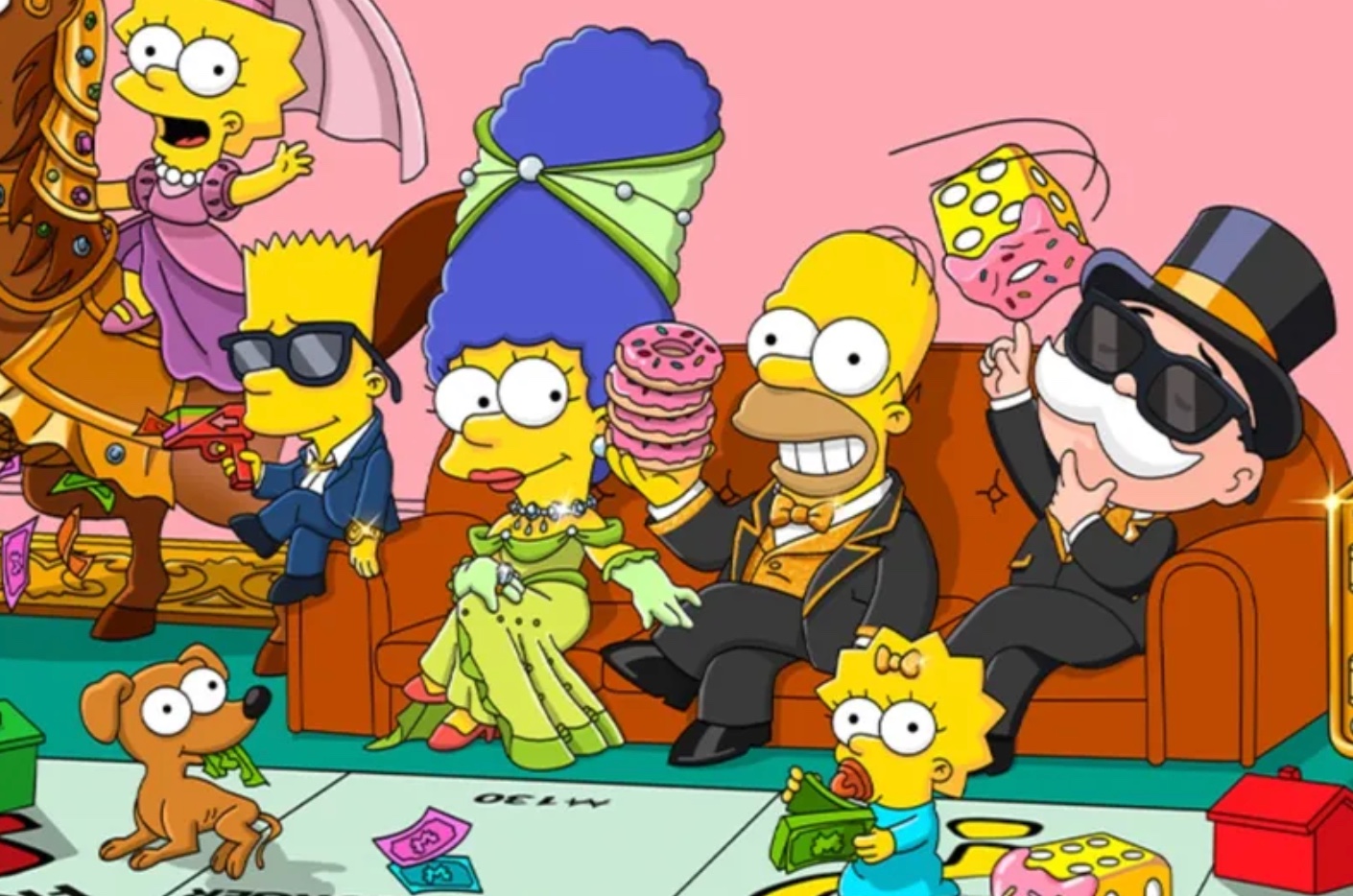
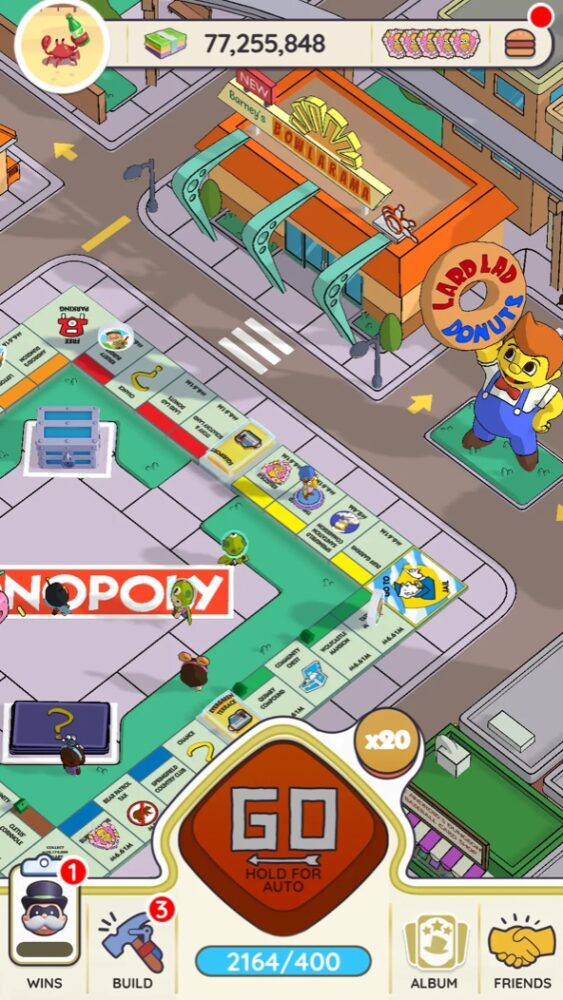
The Simpsons is making its way into Monopoly Go, the popular mobile board game from Scopely, in a crossover event running from June 3 to July 29. This collaboration transforms the game’s board into a Springfield-inspired setting, letting players control familiar characters like Homer, Marge, Bart, and Lisa while acquiring iconic locations from the long-running animated series. A new mechanic allows attempts to bribe Chief Wiggum to escape jail, and the event includes a storyline with new chapters released every two weeks, blending collectibles, references, and episodic drops drawn from decades of the show’s lore.
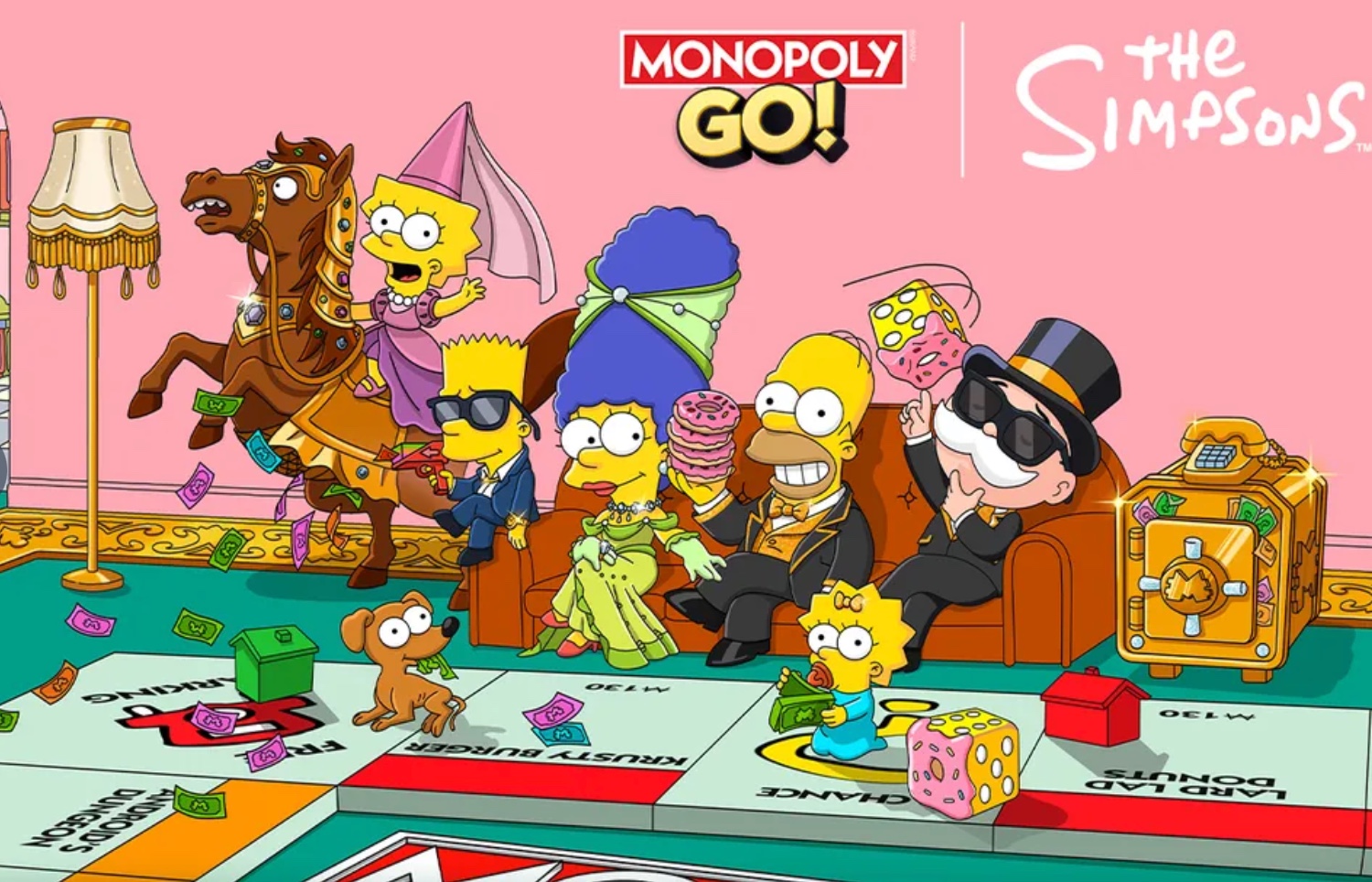
The initiative arrives at a curious time for Simpsons gaming. Despite the franchise’s enormous cultural footprint since its debut in the late 1980s, its presence in video games has often felt inconsistent and underwhelming. The mobile title The Simpsons: Tapped Out was quietly delisted from app stores in 2025, adding to the frustration of fans who continue to call for a proper remaster or sequel to the 2003 cult favorite The Simpsons Hit & Run. Fortnite’s 2025 Simpsons collaboration demonstrated real pent-up demand for interactive takes on the series, yet many such efforts amount to little more than temporary cosmetic overlays rather than meaningful expansions of the universe.
In contrast, this Monopoly Go event leans into a more relaxed, casual format that sets it apart from Fortnite’s high-stakes battle royale style. Players can engage at their own pace without the pressure of competitive shooting or complex mechanics, potentially opening the experience to a wider, less hardcore audience. The event features an animated short that sets up a rivalry between Mr. Burns and Mr. Monopoly, voiced respectively by longtime Simpsons performer Harry Shearer and Will Ferrell. This mini-episode, produced by Gracious Films, draws on established show canon where Mr. Burns has crossed paths with other wealthy cartoon figures, adding a layer of continuity that feels earned rather than forced. Additional elements include deep-cut Easter eggs, such as nods to Mr. Sparkle, alongside visits to locations like Krustyland and the Springfield Nuclear Power Plant.
Those involved highlighted intentions to preserve the show’s subversive, irreverent edge instead of delivering a polished but forgettable brand tie-in. Scopely reportedly invested time in integrating mischief and chaotic humor that align naturally with both Monopoly’s destructive gameplay and The Simpsons’ satirical tone. Yet crossovers like this frequently reveal limitations. While the chibi-style 3D adaptations of the characters required careful shader work to echo the original 2D animation, the result remains a simplified, cute interpretation that prioritizes fit within the existing Monopoly Go framework over strict visual fidelity. The core loop of rolling dice, advancing around the board, and completing events stays largely intact beneath the themed visuals, raising familiar questions about whether licensed events truly innovate or simply repackage familiar systems for temporary engagement.
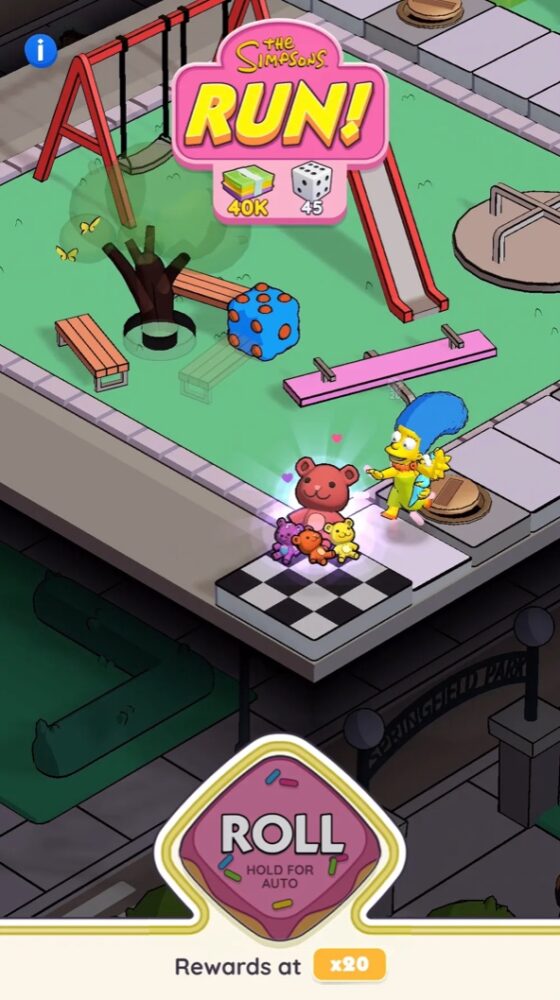
Historically, major franchises have struggled with video game adaptations that match their television or film success. Many end up as competent but disposable experiences optimized for monetization through in-app purchases and limited-time events. This Simpsons crossover offers solid fan service with its story progression, collectibles, and lighthearted mechanics, but it also highlights how rarely these properties receive the depth and creativity they merit in gaming form. For casual players, it provides an accessible way to revisit Springfield without demanding significant time or skill. Dedicated fans may appreciate the references and Ferrell-Shearer pairing, yet others could view it as another example of mobile titles leveraging nostalgia for retention rather than pushing boundaries.
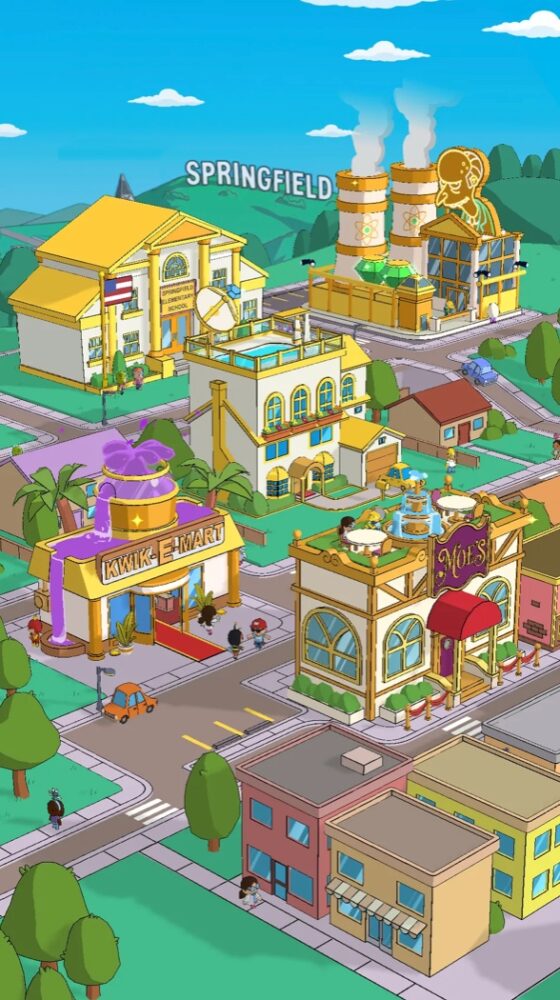
Ultimately, the Monopoly Go Simpsons crossover reflects broader industry trends where established intellectual properties boost engagement in free-to-play ecosystems. It delivers an enjoyable, low-pressure diversion that captures some of the show’s spirit through its two-month run, though its impact may prove fleeting once the Springfield elements disappear and standard gameplay returns. In a market saturated with collaborations, this one stands as a thoughtful effort that balances accessibility with fan-pleasing details, even if it stops short of redefining what a Simpsons game could be.