

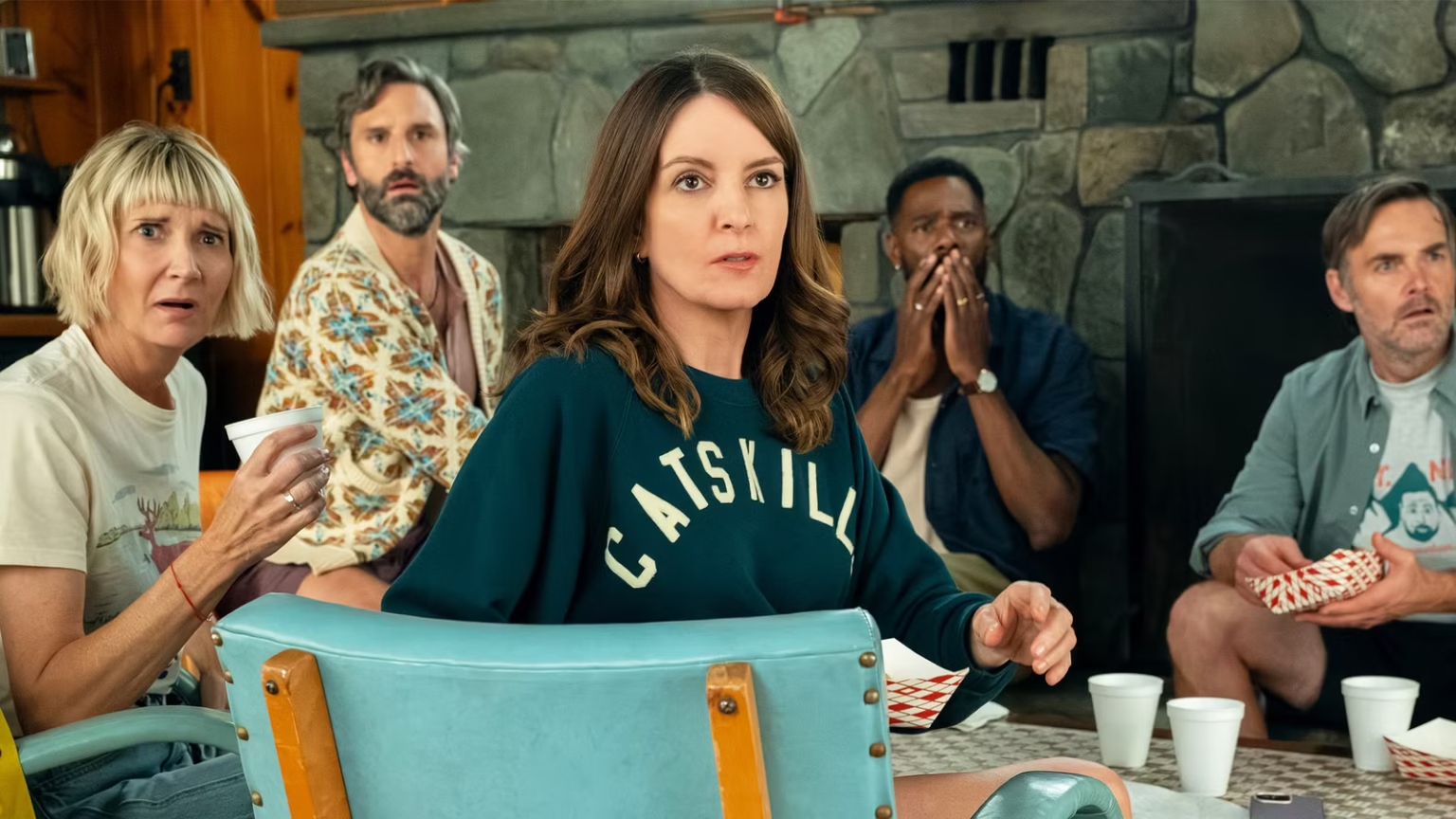
TL;DR: The Four Seasons Season 2 handles grief and friendship with warmth and strong performances, especially Will Forte, though it feels uneven without Steve Carell and doesn’t quite match Season 1’s emotional punch. It’s still a worthwhile, comforting watch for fans of smart character dramedies.
The Four Seasons Season 2
There is something profoundly human about watching a tight-knit group of friends wrestle with the messy realities of middle age, especially when life delivers a gut punch that reshapes everything they thought they knew. In The Four Seasons Season 2, that punch comes in the form of an unexpected loss, forcing these characters to confront grief not as a singular event but as a season that lingers across spring gatherings, summer escapes, and autumn reckonings. The Netflix dramedy, which first charmed audiences with its witty exploration of long-term marriages and evolving friendships, returns with a more contemplative tone while still preserving the warmth that made the original adaptation of Alan Alda’s classic feel so relatable. What emerges is a show that understands how absence can simultaneously fracture and strengthen the delicate threads holding people together, turning what could have been a simple continuation into something richer and more layered.
The decision to center this season around the aftermath of Nick’s death proves both brave and bittersweet. Without Steve Carell’s magnetic presence anchoring the group, the remaining friends must rediscover their dynamic, navigating everything from spreading ashes during a poignant upstate New York retreat to chaotic family weekends that expose old wounds and new vulnerabilities. Yet this void creates space for quieter revelations. Viewers get to see how shared history becomes both a comfort and a complication when one voice is permanently silenced. The series smartly leans into these shifts, using seasonal getaways as more than just scenic backdrops but as metaphors for emotional cycles. One moment you’re laughing at the absurdity of trying to maintain traditions, and the next you’re hit with the realization that some chapters close whether you’re ready or not.
Will Forte’s Quiet Powerhouse Performance Steals the Spotlight
What truly elevates The Four Seasons Season 2 beyond a standard ensemble dramedy is the way it captures grief’s unpredictable texture through standout individual arcs. Will Forte’s portrayal of Jack stands as one of the most nuanced depictions of male emotional struggle seen on television recently. He plays a man who has always positioned himself as the group’s peacemaker, now quietly unraveling as suppressed anger bubbles beneath his optimistic facade. This isn’t flashy, scenery-chewing grief. It’s the kind that manifests in small hesitations, forced smiles during group dinners, and moments of self-directed frustration that feel achingly authentic. Forte brings a depth that makes you want to reach through the screen and check on the character, reminding us why subtle performances often resonate more powerfully than overt ones in stories about everyday people facing extraordinary pain.
The supporting cast continues to shine with effortless chemistry that feels lived-in after years of shared history. Tina Fey balances sharp humor with genuine vulnerability as she steers both her character and the show as co-showrunner. Colman Domingo’s directorial touch in the premiere adds a thoughtful visual language that complements the emotional beats, while the Italian village setting in later episodes provides a beautiful contrast to the more grounded American locales. These vacations aren’t mere filler. They become pressure cookers where unresolved feelings about love, loyalty, and legacy rise to the surface. Even as some storylines, particularly around the summer arc, lose a bit of momentum compared to the stronger spring and fall episodes, the overall ensemble keeps things engaging enough that you remain invested in their collective journey.
Finding Light in Life’s Changing Seasons
The Four Seasons has always excelled at blending heartfelt observations about aging friendships with clever comedic timing, and Season 2 largely maintains that balance while venturing deeper into existential territory. The show thoughtfully examines how different personalities process loss. Some characters throw themselves into maintaining normalcy, while others allow the grief to reshape their priorities entirely. This creates compelling friction within marriages and across the friend group, especially as new dynamics emerge with Ginny’s integration into the circle. There is a refreshing honesty here about how tragedy can highlight both the best and most challenging aspects of our closest relationships. The series avoids easy resolutions, instead offering the kind of messy, hopeful realism that mirrors how real life tends to unfold.
While the emotional highs don’t quite reach the peaks of Season 1, there remains an undeniable charm in watching these characters adapt and evolve. The show serves as a gentle reminder that friendships, like seasons, have their own rhythms of growth, dormancy, and renewal. For fans craving smart, character-driven television that doesn’t rely on flashy spectacle, The Four Seasons Season 2 delivers a comforting yet thought-provoking watch that rewards your attention with small, beautifully observed moments of connection.
Final Verdict
The Four Seasons Season 2 proves that even in the face of profound loss, the bonds we form can guide us through life’s most difficult transitions, delivering a heartfelt if slightly uneven continuation that still feels worth the journey.