

TL;DR: One month in, the iPhone Duo is still my daily driver and the 18 Pro Max is still in the drawer. Despite the crack and hinge horror stories, my unit is flawless. Apple says only a small number of units are affected. Apps are improving, multitasking is second nature and battery life is surprisingly strong.
About a month ago I said Apple’s first foldable had sent my iPhone 18 Pro Max to drawer duty. Since then the drawer hasn’t opened once, and that’s the most honest answer I can give to whether the Duo lasts. New gadgets get a honeymoon period, and with most of them the excitement fades within a couple of weeks and you go back to your old phone. The Duo hasn’t faded. It’s still my daily driver, still the first thing I grab in the morning, and still the phone I reach for when work, messages, video and the occasional late-night gaming session all show up at once.
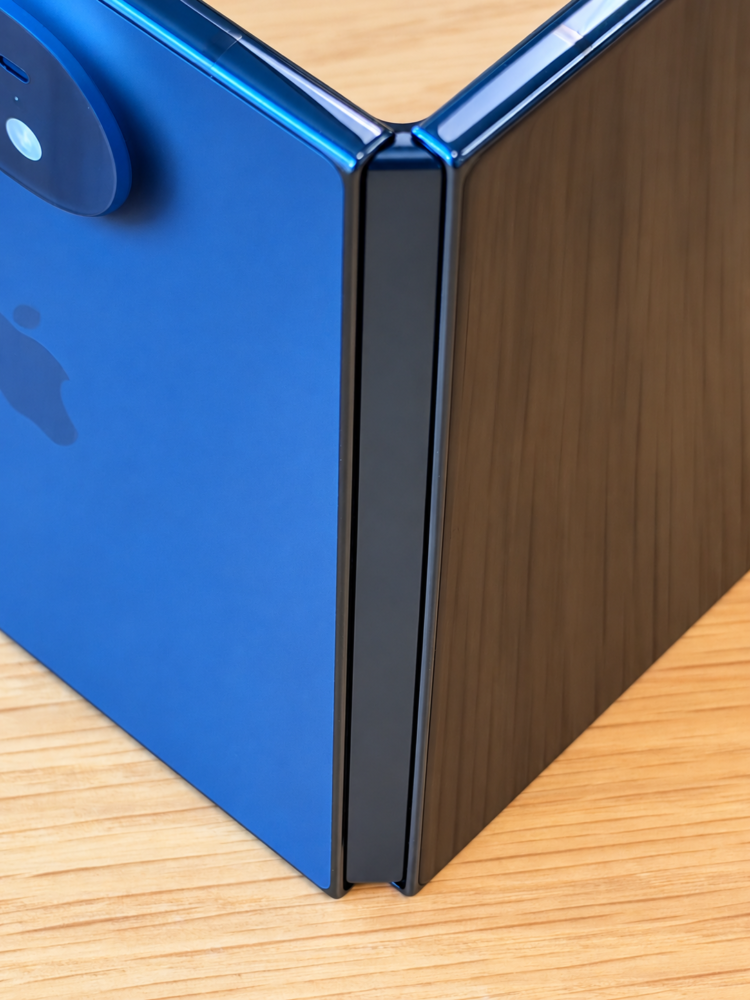
The best thing about the second month is that the Duo has stopped feeling like a novelty and started feeling normal. Unfolding the phone isn’t something I show off anymore. It’s just how I use it, the same way nobody thinks twice about pinching to zoom. Going back to one flat screen now feels like playing a modern game on a CRT TV. It works, but you notice everything you’re missing.
The durability panic, and what’s actually happening with mine
Let’s talk about the elephant in the group chat. Within days of launch, the internet filled with photos of cracked inner displays, bright lines running down the crease, and owners describing a hinge that felt stiff before something gave way with a pop. A well-known durability YouTuber then poured sand into the hinge and bent the phone backwards. Unsurprisingly, the phone didn’t enjoy either. Add a later wave of complaints about gaps around the hinge, and the online verdict was quick and loud: Apple’s first foldable is made of glass and good intentions. Not every iPhone launch gets its own “-gate” within a week. The Duo got two.
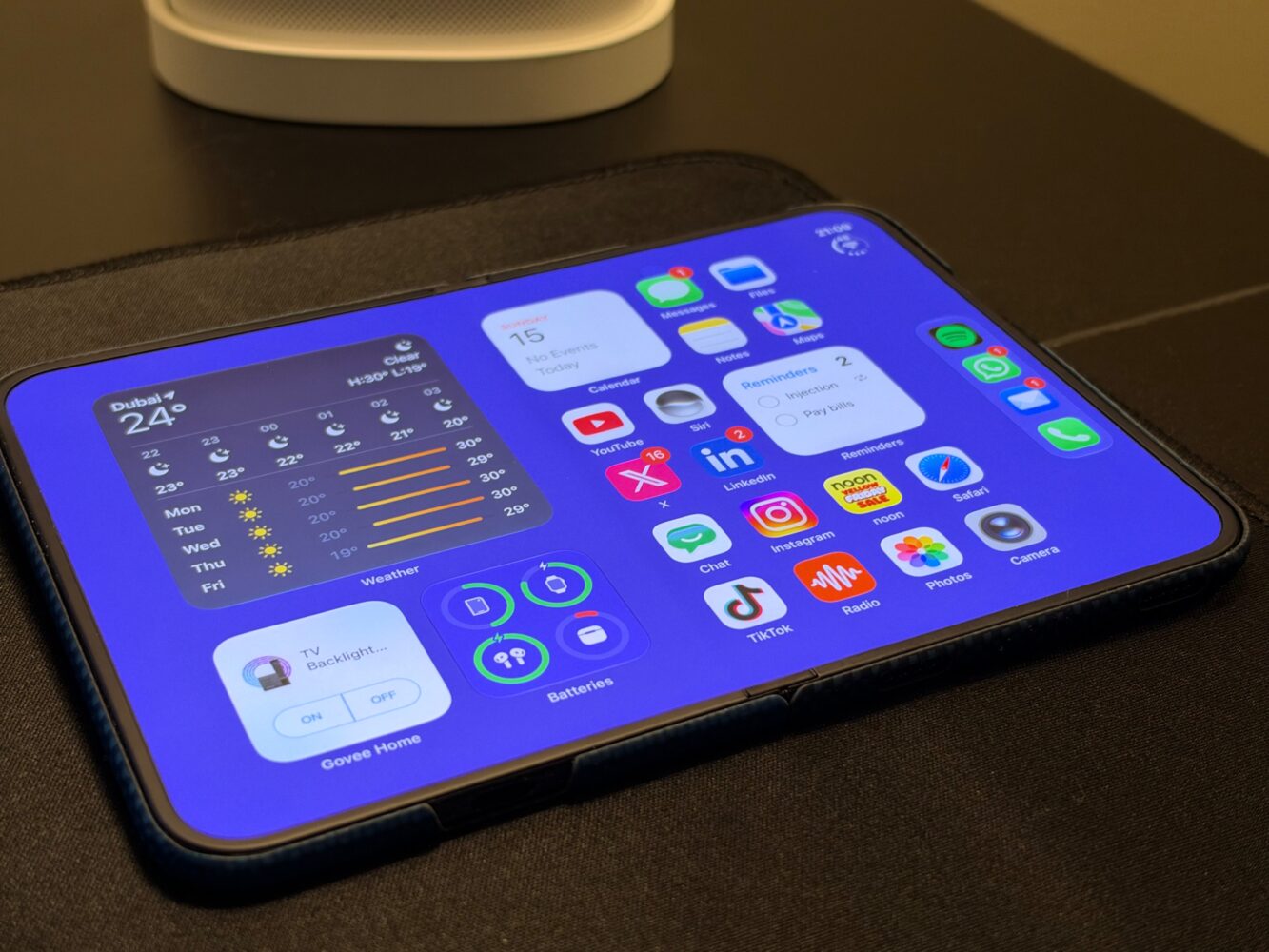
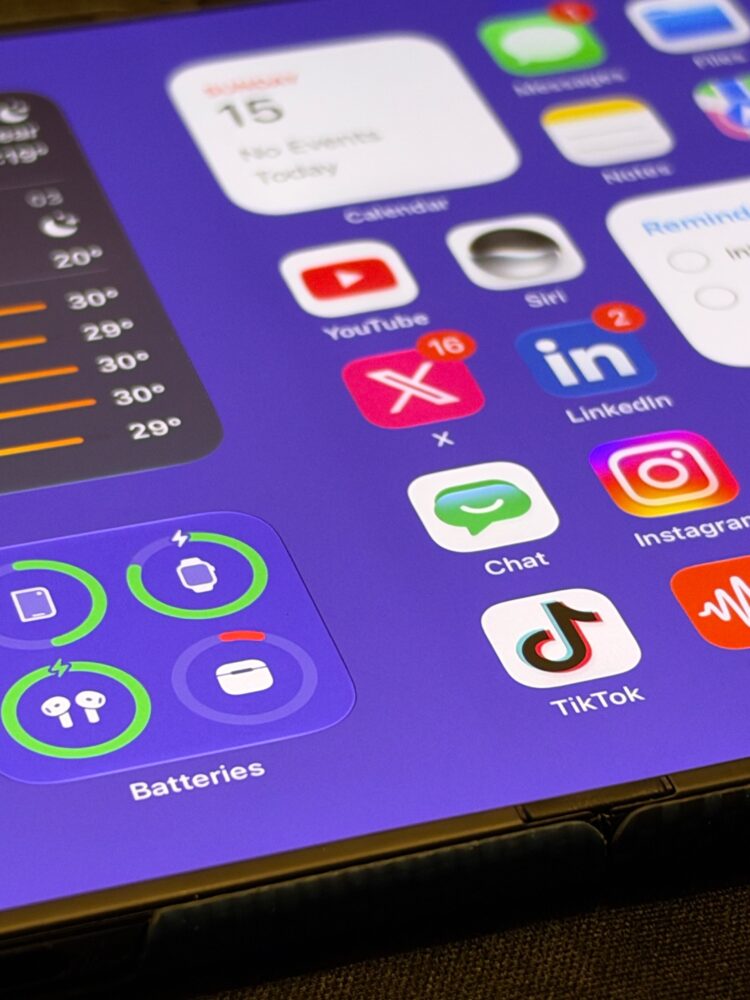
Here’s my side of the story after a month of folding, unfolding, pocketing, tossing it into bags and propping it half-open on tables. My unit is completely fine. There are no lines, no cracks, no dead pixels, no creaks and no change in the hinge, which still has the same heavy, watch-clasp smoothness it had on day one. The crease looks just as invisible as it did when I first reviewed it. To be fair, the reports aren’t made up. Apple has acknowledged an issue affecting the inner display on a small number of units and is sending affected owners to AppleCare for replacements. But “a small number of defective units” is a very different story from “every iPhone Duo is a ticking time bomb”, and only the first one is backed by evidence so far.
The displays are still the reason I keep unfolding it
A month in, the inner screen is still the Duo’s party trick, and I haven’t got used to it in the way people usually get used to a nice screen. The nano-texture finish still makes reading feel closer to paper than glass, and long articles, comics and photo libraries look just as good now as they did on day one. Netflix on the 7.6-inch panel has turned lunch breaks into small cinema sessions, and the matte surface still cuts out reflections that would ruin the experience on a glossy screen. Gaming feels more like a pocket handheld than a phone, especially with titles that properly use the wider layout. The more I use the big screen, the more the cover screen feels like the trailer and the inner one like the actual movie.
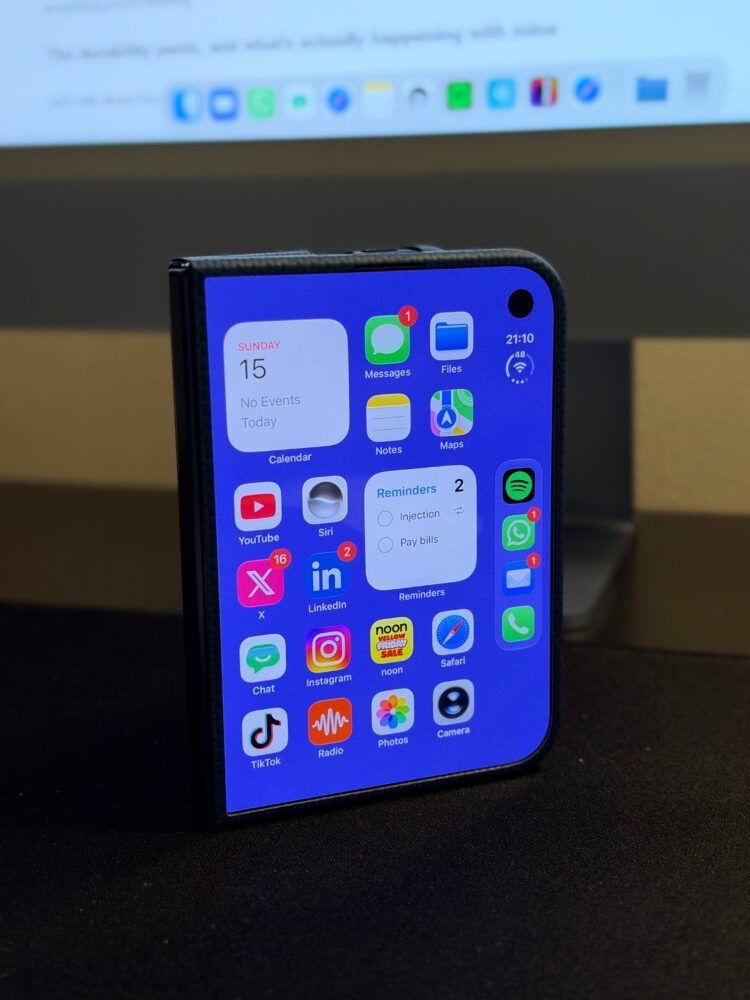
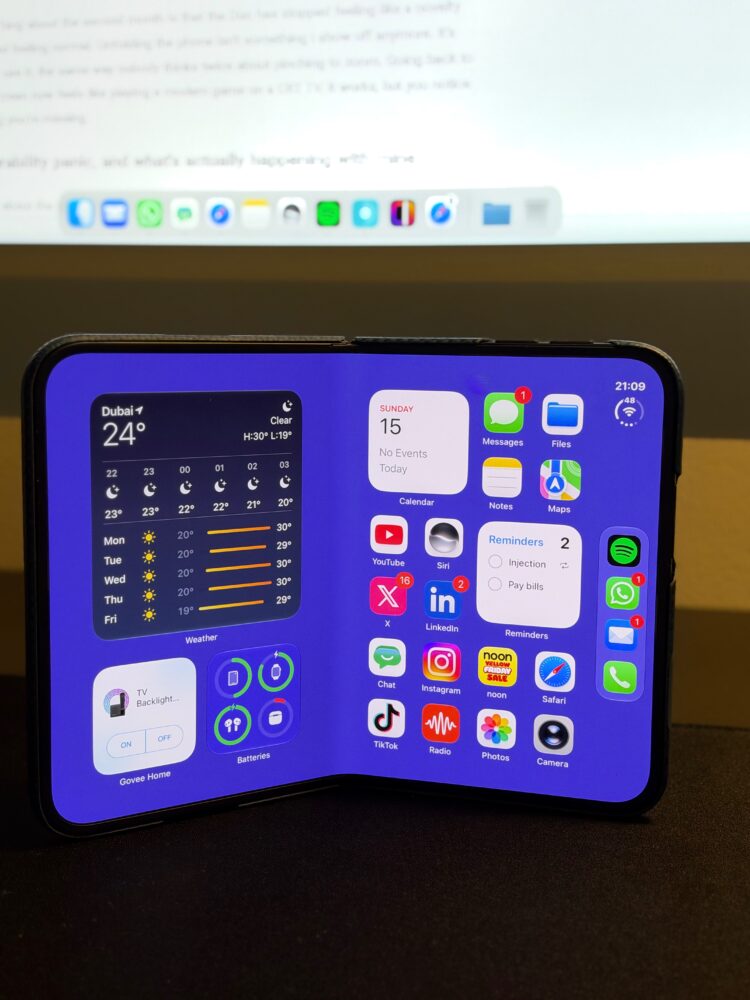
What really stands out after a month is how well the two screens work together. Because both share the same aspect ratio, opening the phone still feels like the cover screen simply grows, with everything staying where I left it. I’ve fallen into a natural rhythm of quick replies and notifications folded, then anything worth looking at unfolded. That handoff is the one feature that makes the Duo feel like a single device instead of two phones taped together. It’s also the thing I miss most whenever I pick up anyone else’s slab phone.
App support is still filling in, slowly but steadily
At launch, app support was the Duo’s weakest point, and it still is, though the gap is shrinking. More apps now fill the inner display properly instead of sitting in a narrow portrait window with dead space around it. It’s like watching a city’s lights come on block by block. Netflix and noon were optimized early and are still the best examples of what the Duo can do, and the list of apps that feel built for this shape grows every week. It isn’t finished yet, and some apps still show up with letterboxing.
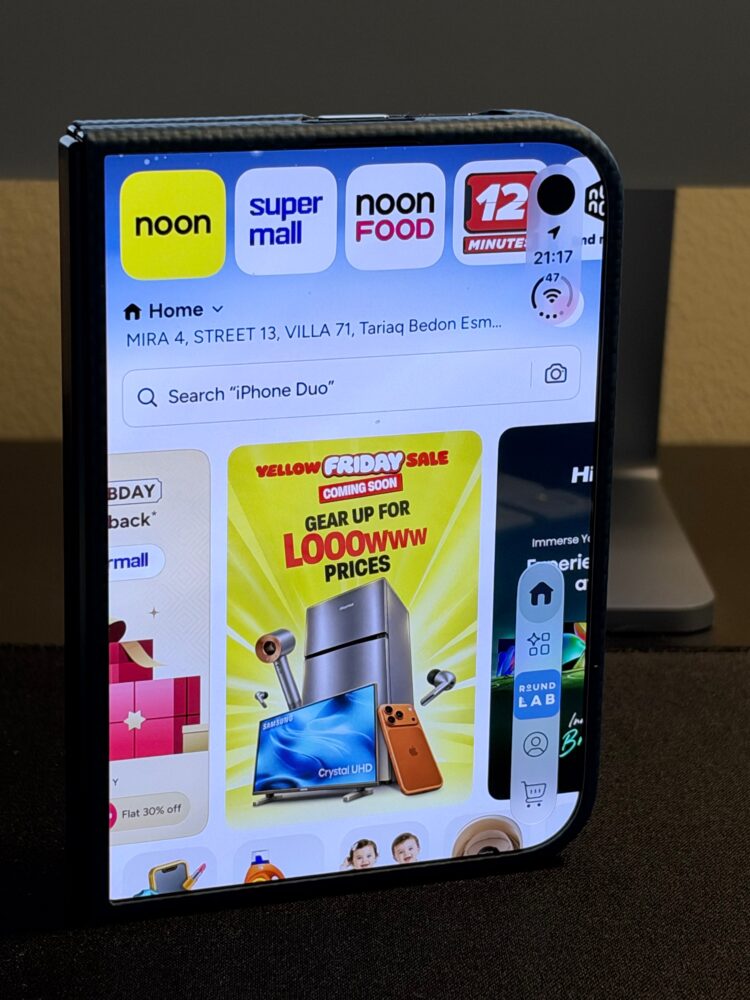
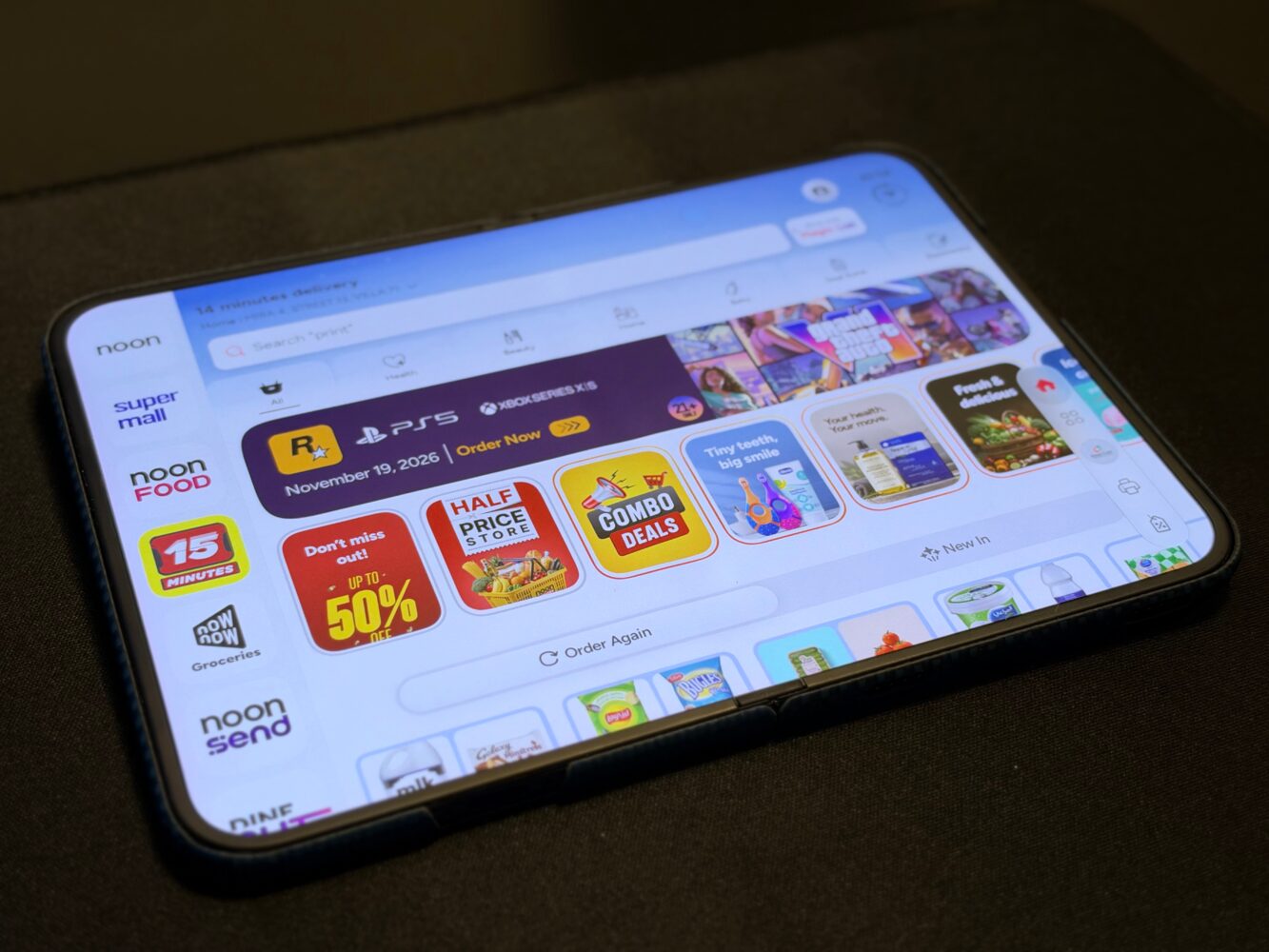
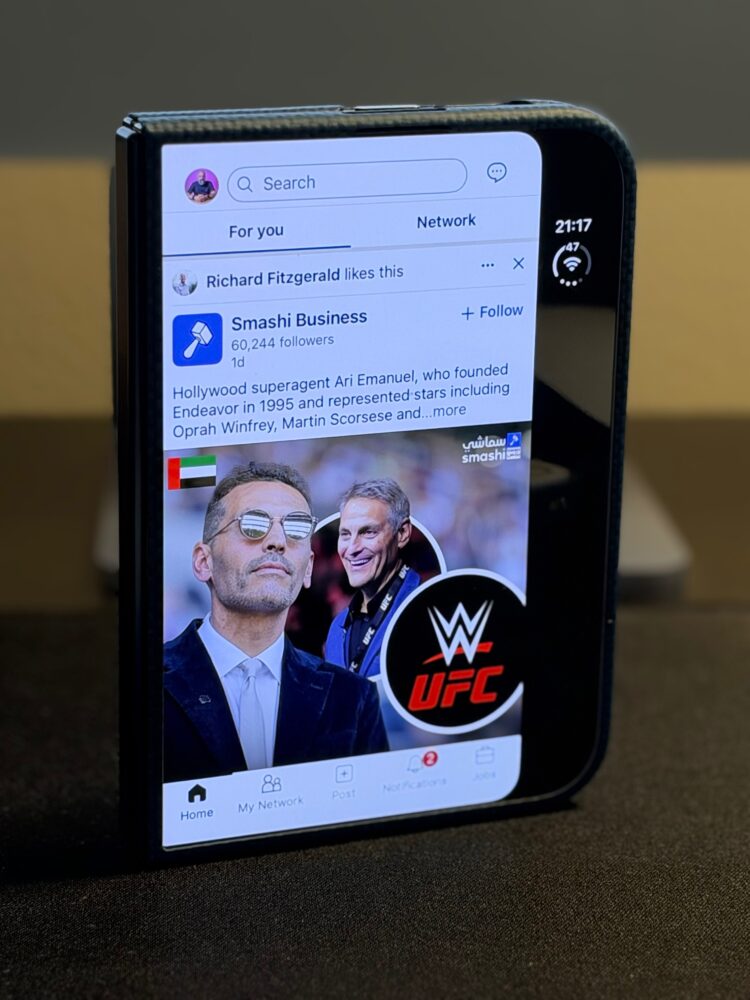
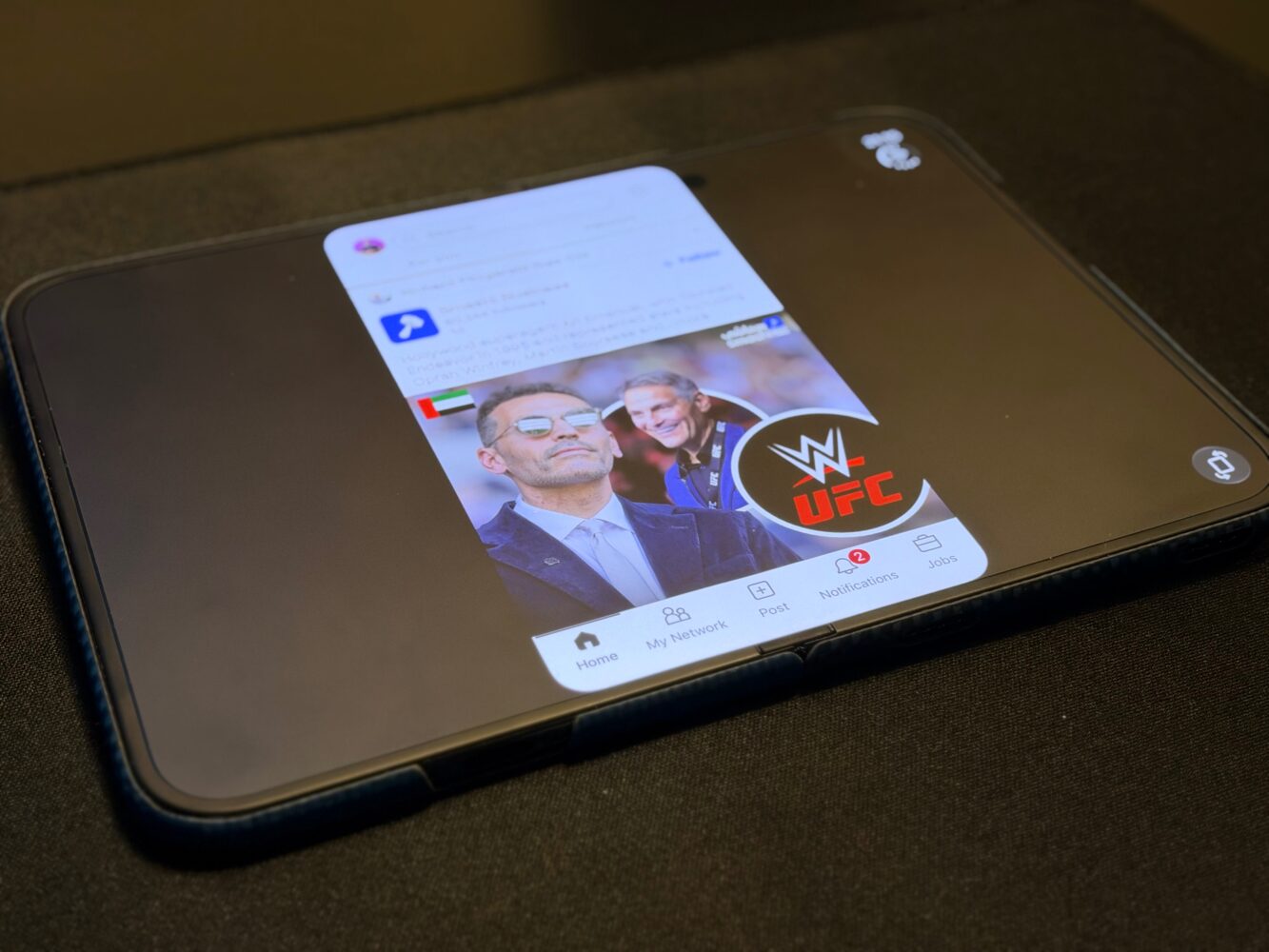
The unoptimized apps are less of a problem now that I’m used to them. The rotate and expand buttons keep them usable, and I’ve learned which apps to pair in split view so I’m not fighting the layout. Developers only need to target the iOS 27.1 SDK, and the Duo is selling well enough that they have every reason to bother. If you depend on one particular holdout app, a bit more patience is reasonable, but I wouldn’t let it put you off.
Everyday tasks are where the Duo quietly wins
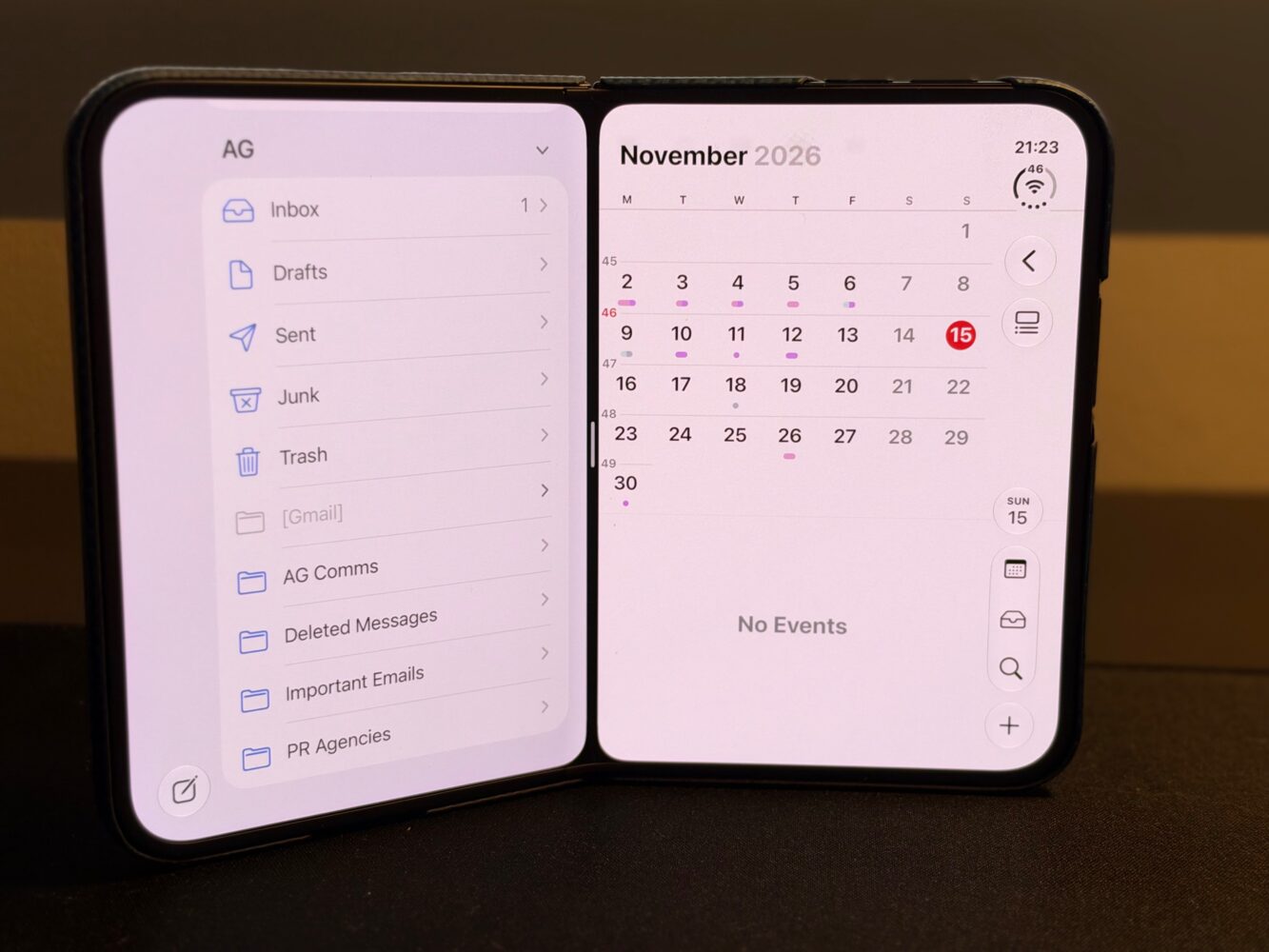
The Duo’s real strength isn’t any one big feature. It’s how many small jobs it makes easier. Email and calendar pinned side by side is still my favorite trick, and it has gone from a neat demo to something I’d now miss badly. Reading on the matte inner screen still feels closer to a tiny tablet than a phone. Half-folding it to watch something during lunch has become a routine. The cover screen handles the quick folded stuff, so the big display is there when I actually want it rather than something I have to deal with every time.
The A20 Pro still handles all of this without breaking a sweat, and a month of real use hasn’t changed how quick the phone feels. Touch ID on the side button is fully muscle memory now, though Face ID still gets a small moment of silence now and then. The 254g weight hasn’t changed either, and I’ve accepted that it’s a phone with some presence in a pocket.
Battery life is the surprise of the month
This is the part I didn’t expect to write. Foldables have a reputation for draining fast, because two screens and a flagship chip sound like trouble. The Duo keeps quietly beating that expectation. Normal days end with charge to spare, and heavy days are covered as long as I’m sensible about it. The split-battery design and the efficient 2nm chip deserve most of the credit, along with the habit of doing quick tasks on the cover screen.
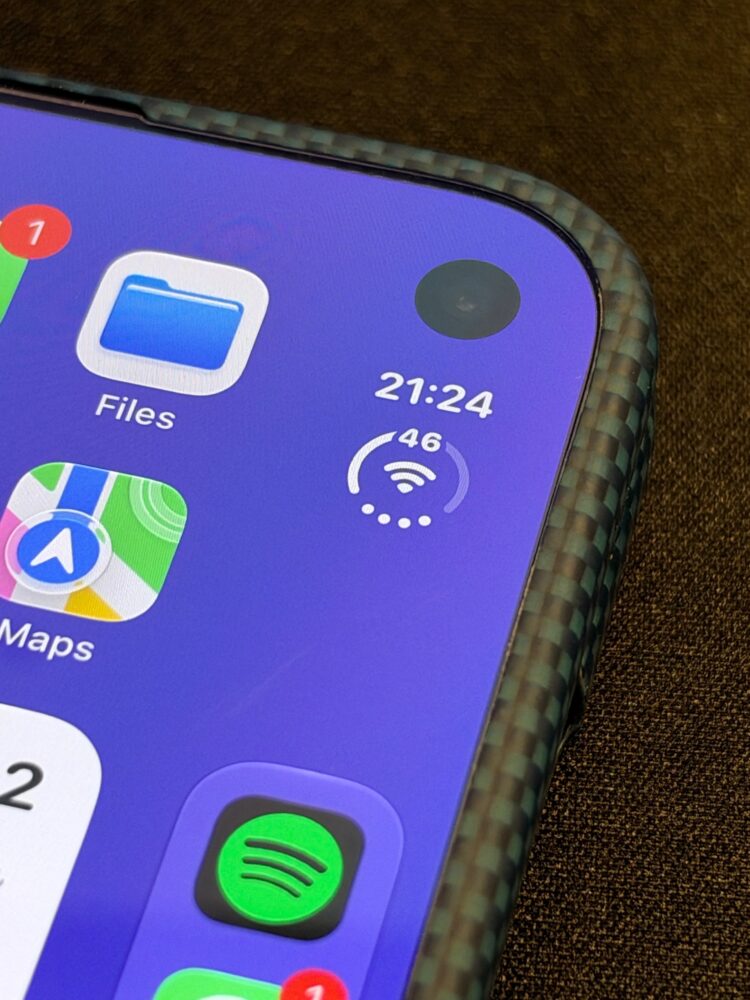
That habit matters more than it sounds. Treating the cover screen as the default and the inner screen as the treat stretches the battery in a way that becomes second nature after a few weeks. Heavy gaming and long multitasking sessions on the big panel still drain it faster, and nothing can fix that. But I’ve stopped thinking about chargers in the way I used to with earlier foldables, which tells you a lot.
Verdict
A month later, the iPhone Duo has passed the test that matters most: I haven’t wanted to switch back. The hinge, the displays, the nearly invisible crease and the multitasking that has become part of my day all still hold up, and battery life has turned out better than a phone like this has any right to manage. The durability reports deserve to be taken seriously, and Apple has confirmed that some units are affected, but my own unit has been flawless and the evidence points to a limited defect rather than a flaw in every phone. App optimization is still the weak spot, though it’s improving quickly.
The usual trade-offs haven’t gone anywhere: it’s heavy, there’s no Face ID, there’s no telephoto lens, and it’s the most expensive iPhone you can buy. If you’re an iPhone user curious about foldables, this is still the most exciting iPhone in years and the foldable to get. If you want the best camera or the lightest phone, the 18 Pro Max is still the sensible pick.