

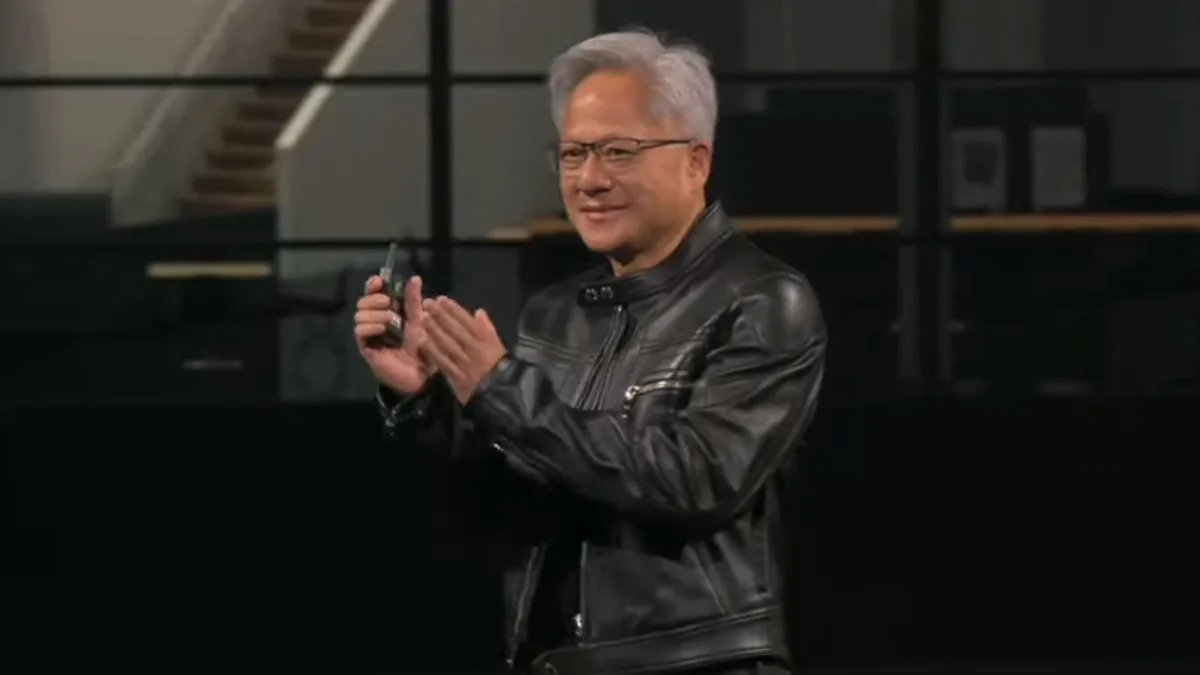
Jensen Huang, the leather-jacketed founder who turned Nvidia from a graphics card maker into the backbone of the AI economy, has resigned as chief executive with immediate effect. The move ends a 33-year run at the top of the company he co-founded in 1993, and it arrives after days of personal scandal that steadily made his position impossible to defend.
The crisis began when Huang admitted to a “close relationship” with Alice Huang, a former executive at Megaspeed, a Singapore-based company that buys Nvidia hardware. That disclosure alone would have been damaging for a chief executive married since 1985. It became far more serious when reports surfaced that US intelligence regards her as a Chinese intelligence asset. The evidence behind that claim has not been made public, and Beijing has dismissed the spy allegation as a smear campaign. Reports of a second alleged affair, this time with an Nvidia employee, followed soon after.
The market reaction was brutal. Nvidia lost roughly $430 billion in value after the first disclosure, and the board brought in law firm Wachtell, Lipton, Rosen & Katz to run an independent investigation. The resignation came before that review finished.
Chief financial officer Colette Kress now steps in as interim CEO while keeping her CFO duties. Kress has run Nvidia’s finances since 2013 and has been the company’s steadiest voice with Wall Street through the AI boom. The board says it will consider both internal and external candidates for the permanent role, so Kress is a caretaker for now. She could still become a contender if she handles the coming weeks well.
The bigger problem is structural. Huang built Nvidia around himself, with decision-making unusually concentrated at the top and no publicly named successor. Investors are now finding out how much of Nvidia’s strategy depends on one person. That covers its tight relationships with hyperscalers, its handling of US export controls on China, and its pace of product launches.
PC gamers have their own concern. Nvidia’s consumer GPU business has increasingly looked like a sideline next to data centre revenue, and the RTX 5080 Super is now rumoured to have been shelved over memory costs. A new leader with no emotional attachment to GeForce could push the company even further toward AI. Whoever takes the permanent job will decide whether Nvidia still sees itself as a gaming brand at all.