

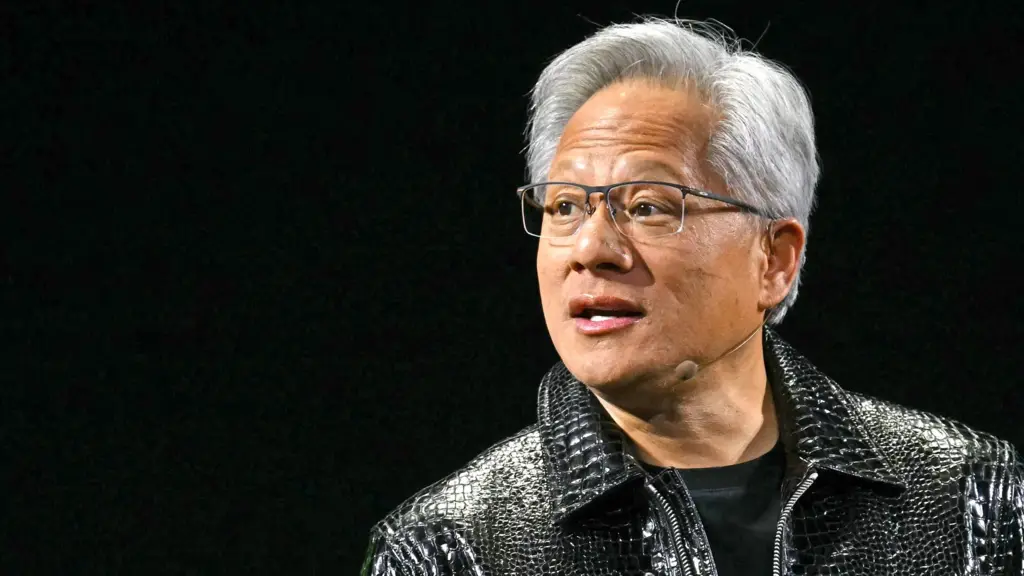
For a company whose fortunes have become shorthand for the entire AI boom, Nvidia now faces a problem no product roadmap can fix. The chipmaker’s board has opened an independent investigation into claims that chief executive Jensen Huang had a personal relationship with Alice Huang, also known as Huang Le. She is a former managing director of Singapore-based data centre company Megaspeed, and officials have reportedly suspected her of passing information to China.
Huang has not disputed the personal side of the story. In a message to employees on Sunday, he admitted being unfaithful to his wife, Lori Mills, apologised to his family, and said he fully supports the inquiry. Nvidia says it currently has no reason to believe company secrets or national security were compromised, though it will review all available information. The espionage allegations have been firmly denied and described as baseless.
The weight of the story comes from Nvidia’s position in the industry. Its processors sit at the core of AI infrastructure built by Microsoft, Google, Amazon, Meta and OpenAI, and its most advanced chips have been subject to export restrictions since 2022. Huang has long argued publicly for open global access to AI technology, and that stance is now likely to face closer scrutiny. Political reaction so far has been cautious, with senior officials either declining to comment or offering only guarded remarks.
Investors moved quickly. Pre-market trading pointed to a fall of around 6 percent, erasing roughly $250 billion from a company valued near $4.5 trillion. That comes on top of a slide of about a fifth over the past month, driven by concerns about slowing AI growth and the prospect of tighter regulation. Huang owns about 3.5 percent of the company. Because Nvidia carries so much weight in major index funds, the impact reaches far beyond direct shareholders.
Several questions remain open. Little is publicly known about Megaspeed’s operations, and its current director has proved difficult to reach. The investigation’s scope and timeline have also not been disclosed.
Then there is succession, a topic Nvidia has rarely needed to address. Huang has said he hopes to lead the company for another two decades. Industry observers have pointed to CUDA creator Ian Buck, generative AI lead Bryan Catanzaro, CFO Colette Kress and sales chief Jay Puri as possible future leaders. No one is formally having that conversation yet, but investors are now considering what Nvidia might look like without the founder who has defined it for more than 30 years.