

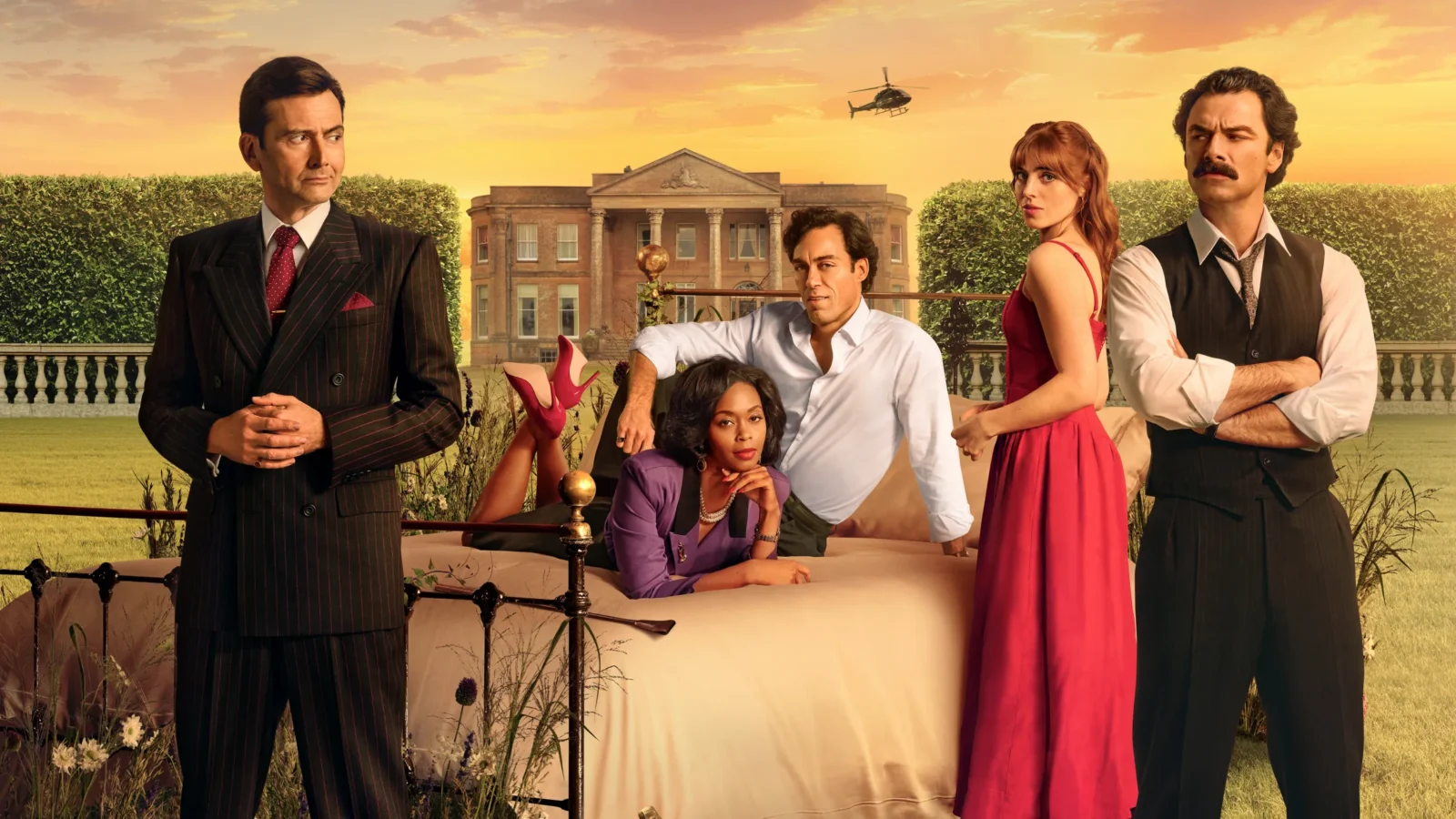
TL;DR: Rivals season 2 Part 2 swaps some of its fizz for grief and fallout, with outstanding performances led by David Tennant and huge production values. An overcrowded cast and one poorly set-up twist keep it from greatness, but it remains seriously addictive.
Splitting a season in two is always a gamble, and Disney+ made viewers sit through a five-month gap between the first half of Rivals season 2 in May and the remaining four episodes. That gap hurts the show more than any creative choice does. The first half built momentum like a cliffhanger in a weekly comic run, then left everyone stuck on the last panel for months. With Part 2 arriving on November 11 on Hulu, I’m pleased to say the wait pays off. Rivals is still the most shamelessly entertaining period soap on streaming, and these final four episodes show that the adaptation of Jilly Cooper’s 1988 novel can now take real risks with its source.
The setup is simple and devastating. Episode 6 ended with Monica Baddingham (Claire Rushbrook) dead, and Episodes 7 to 10 deal with the damage. Tony is unravelling, Rupert can’t shake the fact that Monica spent her final moments with him, and the O’Hara household is close to collapse while Maud and Tony’s affair stays buried. The shoulder pads and bed-hopping are still here, but the show has clearly grown a conscience, and that changes the whole viewing experience.
The darker tone is a bold move that won’t land for everyone
The first season worked like a glossy cocktail of sex, money and Thatcher-era excess. Part 2 still has its parties, including a bonfire night, a toga party and a wedding, but grief hangs over all of them. This half is built on arguments, tears, threats and heartbreak, and the lightness that made Rivals so bingeable is noticeably reduced. I think the change is earned, because a soap that never deals with consequences ends up feeling hollow, like a game where save-scumming erases every bad decision. Still, if you came to Rutshire mainly for the comedy and the decadence, these episodes may feel heavier than you’d like.
Cooper readers shouldn’t assume they know what’s coming either. The show bends the novel in places and adds surprises that even dedicated fans won’t predict. Most of those changes improve the drama. The exception is a major off-book reveal in Episode 10 that comes almost out of nowhere. It’s a big twist, but the setup is so thin that it feels more like a sudden plot jolt than a payoff.
David Tennant’s Tony Baddingham is the season’s dark heart
David Tennant plays Tony as the best kind of villain: someone who isn’t enjoying his villainy. He has no smirk and no theatrical menace. Tony is a broken man whose grief has turned into recklessness, and that makes him more dangerous than he has ever been. Tennant gives him a manic, cornered energy, and for my money this version of Tony is better than the character on the page. Every scene he’s in feels unstable.
Alex Hassell goes the other way as Rupert Campbell-Black. The former cad becomes a source of emotional support for the women of Rutshire while trying to hold himself back for Taggie, and that reversal gives the season its most satisfying character arc. Aidan Turner and Victoria Smurfit are excellent as Declan and Maud’s marriage falls apart, and one bruising argument between them is the strongest two-hander the series has produced. Smurfit’s guilt-ridden Maud especially shows how far the character has come. Gary Lamont’s Charles, now facing the threat of exposure and the stigma of AIDS while Gerald still plans to marry Muffy, gives the season its most painful moments.
The romance plays the long game, and Taggie finally pushes back
If you were hoping for quick romantic payoffs, the show makes you wait. Freddie (Danny Dyer) and Lizzie (Katherine Parkinson) resume their affair almost immediately, but this time it comes with consequences. Two marriages and four children are affected, and Lisa McGrillis finally gets real dramatic material as Valerie instead of being used for comic relief. That raises a difficult question the show deserves credit for asking: when does a great love story become a selfish one? I found myself unsure who I was rooting for, which is the right result.
Rupert and Taggie’s slow burn now has Bas Baddingham (Luca Pasqualino) in the way. The big improvement is Bella Maclean, who gives Taggie a sharper edge instead of leaving her as the sweet, passive centre of a love triangle. The longing looks continue, sometimes testing patience, but the finale rewards that patience and ends the season with a major moment I won’t spoil. The show takes some liberties along the way while staying faithful to the core of the novel.
The production is lavish, but the ensemble is getting crowded
The production is a major strength. The Episode 10 ball tops season one’s New Year’s Eve party, complete with musical performers, a piglet running through the halls and a room called the “Sin Bin” that you probably shouldn’t think about too hard. Bonfire night gives the Cotswolds some fiery spectacle, and a sunny party in Argentina offers a welcome break from the cold English countryside. These set pieces make Rutshire feel like a real, lived-in world, much like a well-built RPG hub you’re happy to keep returning to.
The problem is size. Rivals has an enormous cast, every episode is overloaded, and important details get rushed or skipped as a result. The finale reaches the end of Cooper’s second book, Season 3 is heading toward Polo, and a character from the fourth novel already turns up in Episode 7. Adding more people to an already crowded story is like recruiting new party members when you can barely manage the ones you have. The real test for season three will be whether the show can make room for newcomers without blurring the characters it has spent two seasons developing.
Verdict
Rivals season 2 Part 2 is darker, messier and more emotionally ambitious than anything the series has done before, and it mostly succeeds. Tennant, Hassell, Smurfit, Turner and Lamont deliver career-best work, the production design is outstanding, and the finale ends the season on a high while setting up a much bigger future. The weaknesses are real: the split release damages the momentum, the cast is close to unmanageable, and one big Episode 10 twist needed more setup. Fans of character-driven melodrama and Bridgerton viewers who want something rougher and adult should watch this. Viewers who loved the series mainly for its lighter tone may find this half harder going.