
TL;DR: Final Fantasy Resonance delivers excellent turn-based combat, rewarding exploration and gorgeous HD-2D art, but its predictable story, familiar characters and cameo-heavy approach keep it from joining the series’ greats.
It’s been a quarter of a century since a mainline Final Fantasy let you line up your party, pick a command and wait politely for the monsters to do the same. Final Fantasy X was the last numbered entry to commit fully to classic turn-based combat, and every major release since has drifted further towards action. Final Fantasy Resonance isn’t a numbered entry, but it’s the closest Square Enix has come in years to handing old-school fans exactly what they keep asking for. It’s built from the bones of Brave Exvius, the mobile gacha RPG, and reworked into a premium, self-contained console game, following the same rescue route that Octopath Traveler 0 took last year. That origin matters, because it means this content won’t vanish when a server eventually goes dark. The result is a roughly 40-hour adventure that nails its battle system and stumbles with its storytelling, and which of those matters more to you will decide how much you enjoy it.
A crystal-saving story that plays every hit, but rarely its own tune
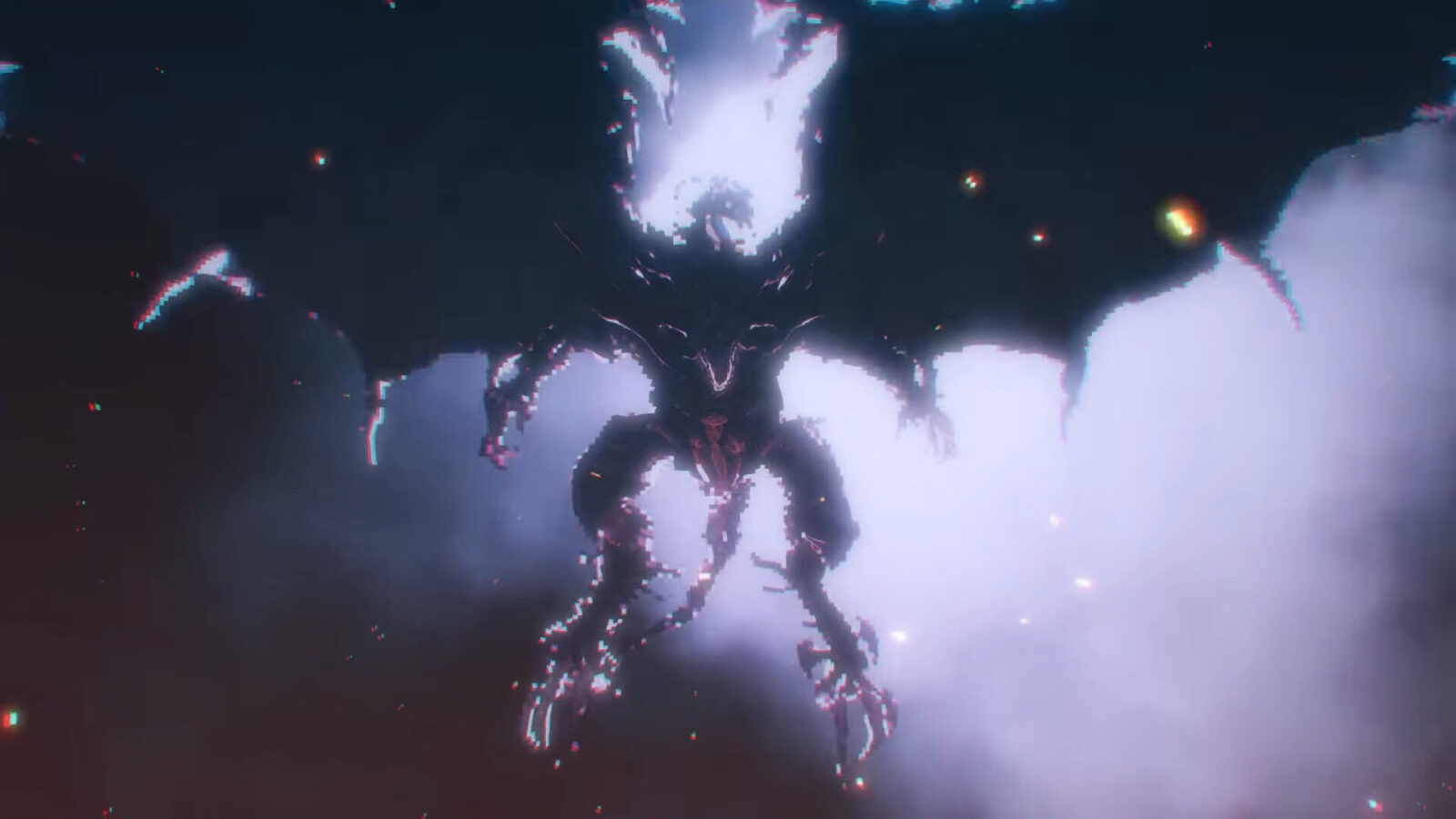
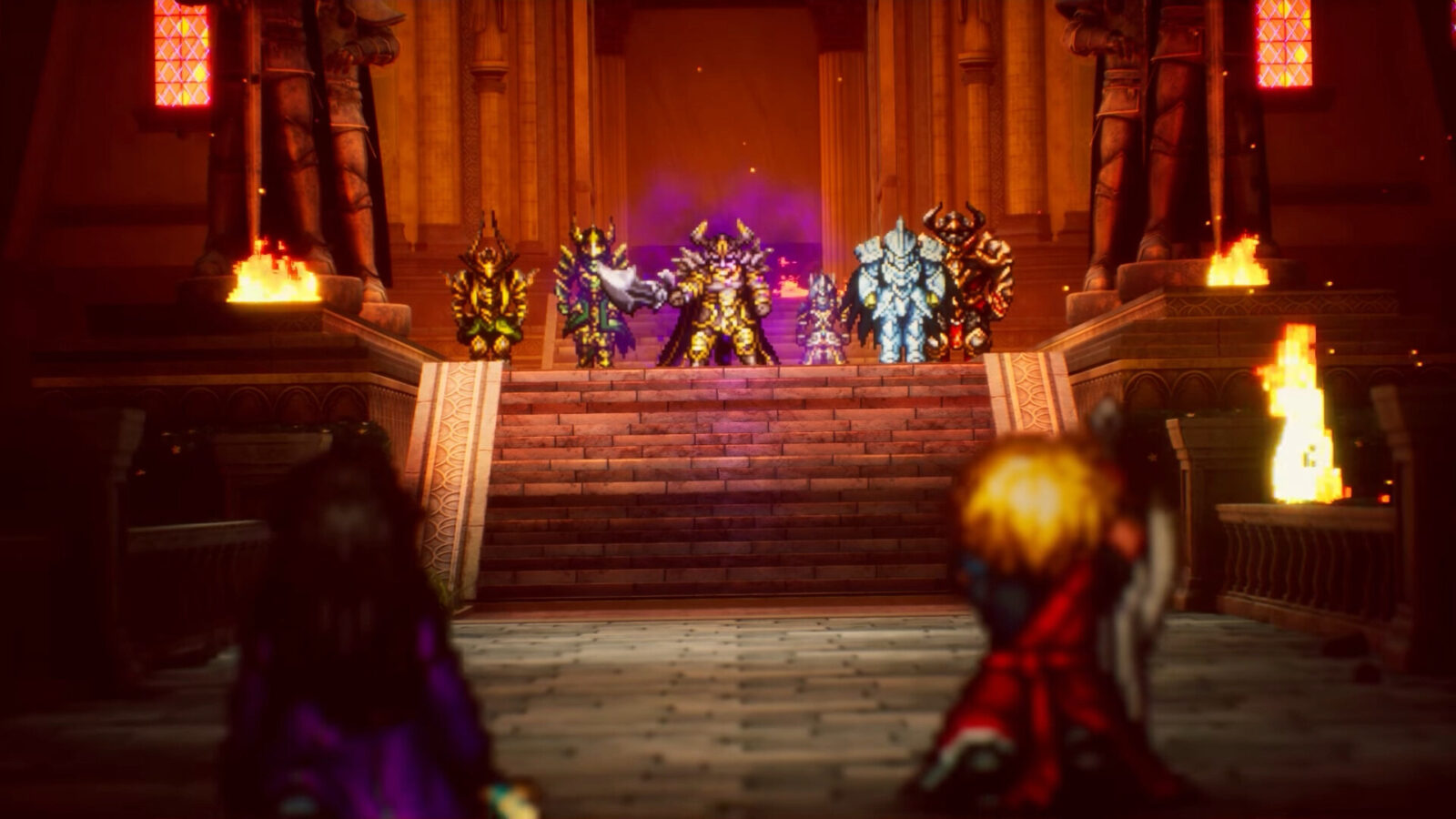
The setup will feel familiar within minutes. A group of adventurers crosses the world to stop a band of villains in very impressive armour from destroying elemental crystals, because if those crystals fall, so does everything else. Final Fantasy has been running variations on that premise since the NES days, and Resonance doesn’t do much to twist it. There are flashes of something sharper, most notably in the desert nation of Zoldaad, where a revolution simmers against a tyrannical king and the political tension gives the region real texture. The problem is pacing. The game rarely lingers long enough in any one place for these local conflicts to land, so they end up feeling like promising side plots squeezed into a travelogue. Thematically, it leans heavily on broad ideas about the strength of the human spirit, which is pleasant enough but never challenging. When I compare it with the series at its most daring, with its explorations of grief, faith and control, Resonance feels content to stay in the shallow end.
Rain, Lasswell and the rest of a very recognisable crew
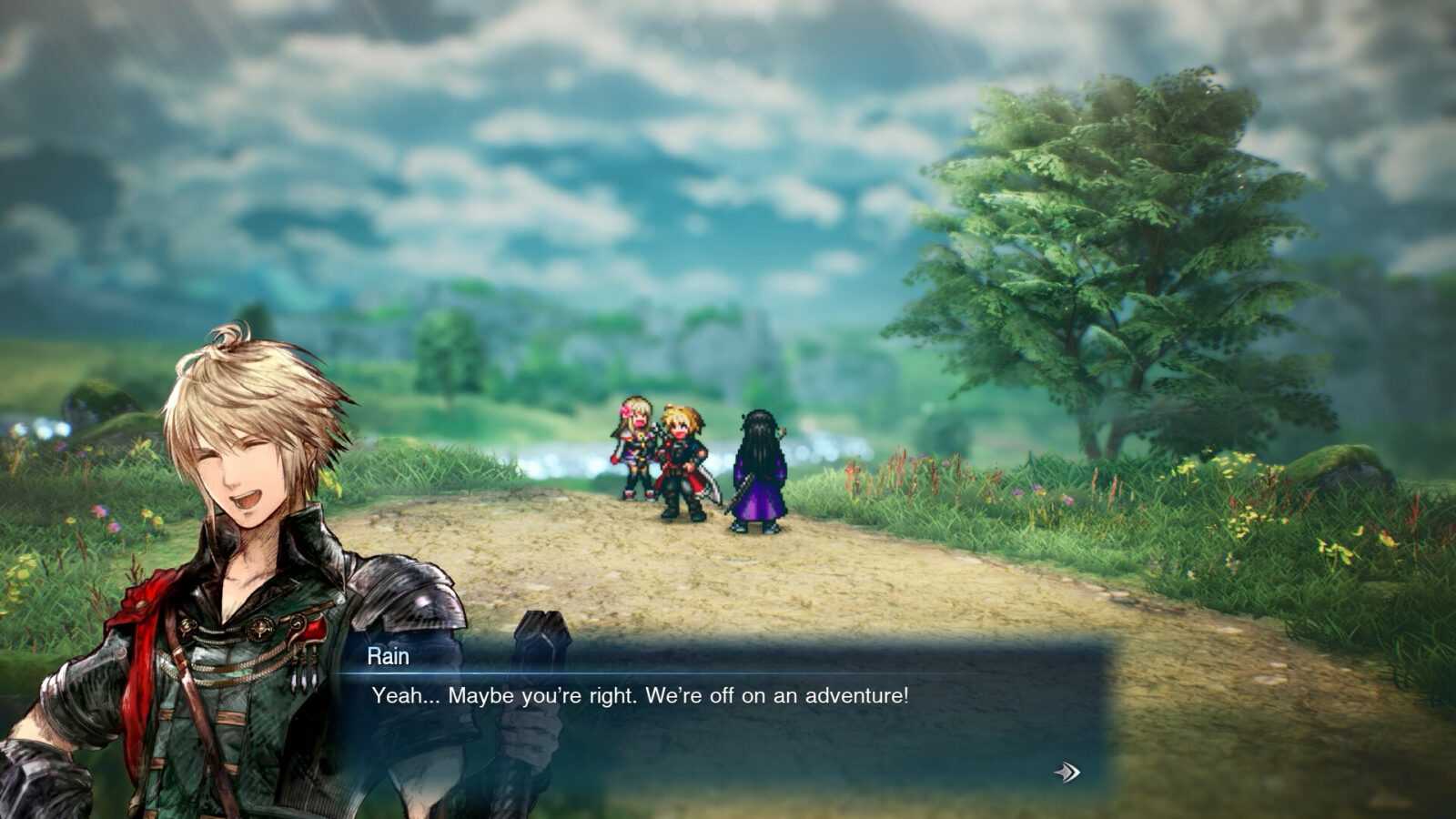
The main cast reflects that same comfort-zone instinct. Rain is the blonde hero with an enormous sword, Lasswell is the moody katana specialist, Nichol is the serious tactician mage, and Sakura is an ancient sorceress who happens to look like a child. If you’ve played a handful of JRPGs, you can probably sketch out their arcs before the opening act ends. What keeps them from being completely forgettable is a decent English voice cast and a set of character-focused sidequests that add a little more dimension than the main plot allows. I found that the group eventually earned some goodwill, and by the finale I did care about how things turned out for them. That’s a modest achievement rather than a triumph, though, and it isn’t helped by a final antagonist who lacks the menace or motivation to make the closing stretch feel like a proper showdown. The plot heads exactly where you assume it will, and it doesn’t take any detours worth remembering.
Final Fantasy Resonance combat is the real reason to be here
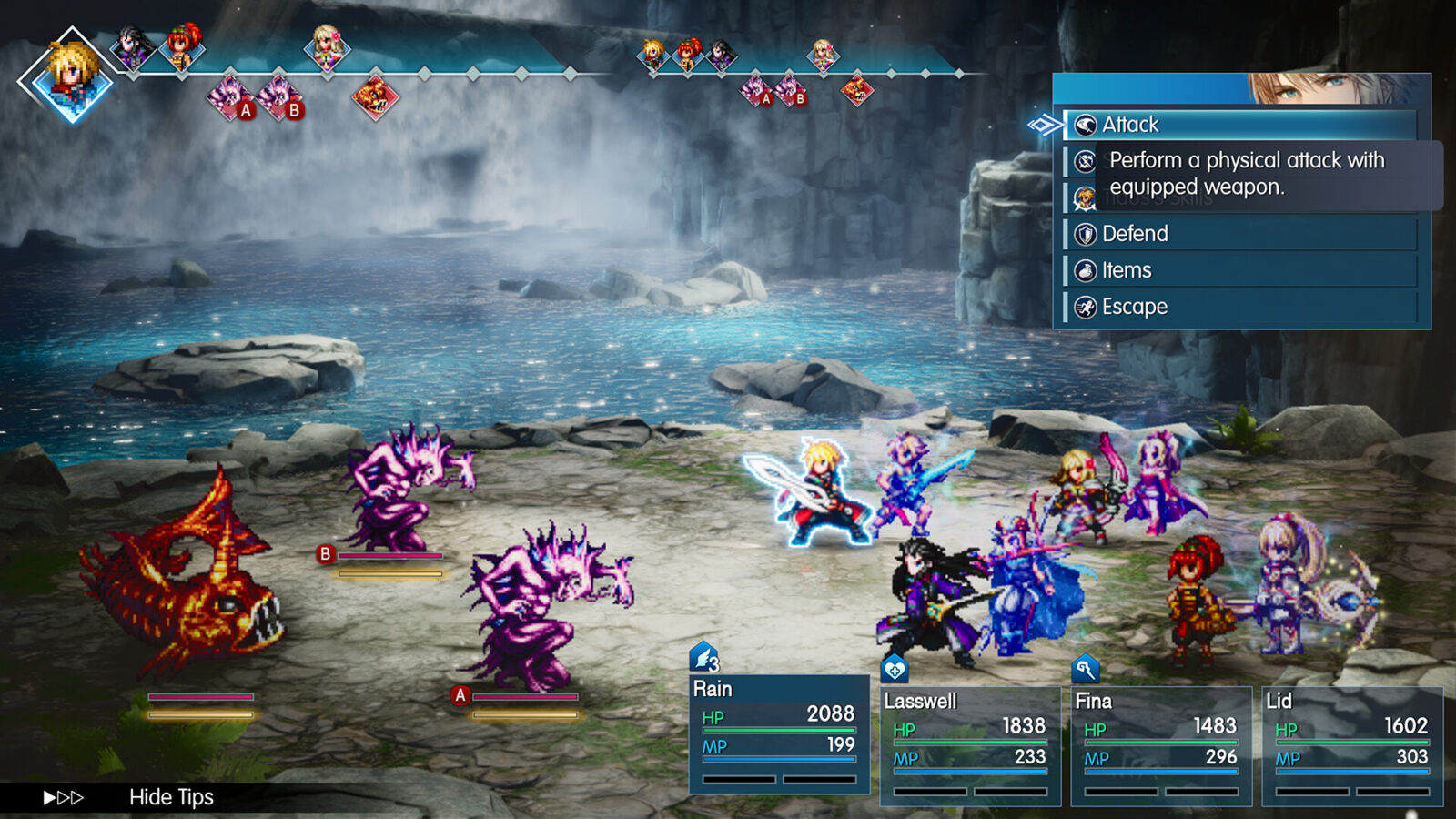
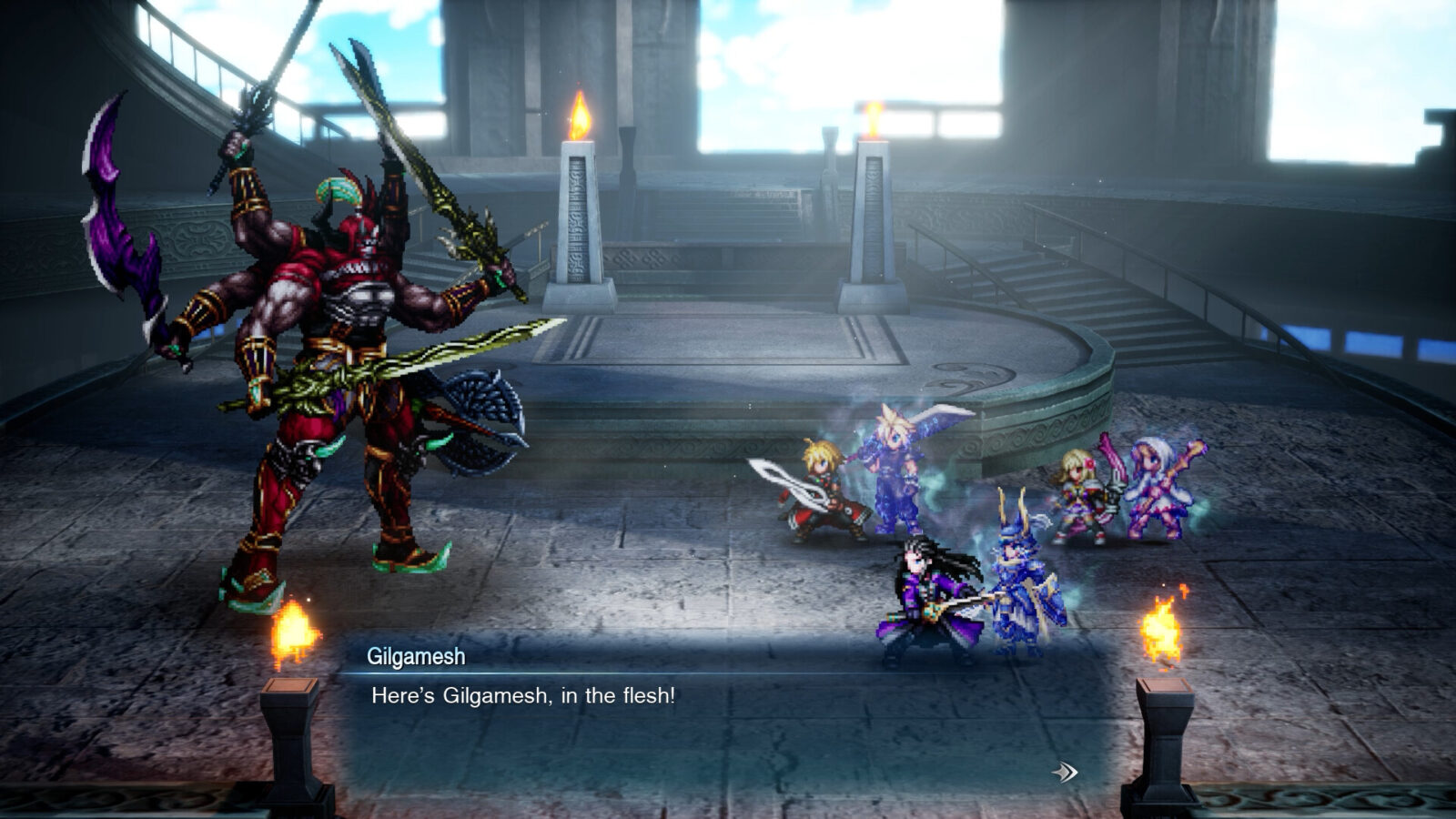
Where Resonance genuinely shines is in battle. The presentation is pure tradition: enemies on one side, your party on the other, and spells that can target a single foe or sweep across an entire group. Elemental weaknesses matter, status ailments hit both sides, and well-timed buffs can turn a losing fight around. That alone would satisfy plenty of veterans, but the game layers in smarter, more contemporary systems on top. A visible turn order lets you plan ahead rather than guess, and battle speed can be adjusted, which is a quiet gift during grinding sessions. Every enemy also carries a stagger gauge beneath its health bar. Drain it and the target is stunned for a turn and left wide open to heavy damage. What worked for me is how this shifts the priority from simply hitting weaknesses to coordinating your whole party’s output around breaking enemies at the right moment.
Stagger everything, then unleash chaos
The stagger system has a brilliant payoff. Knock out every enemy’s gauge within the same turn and you trigger a bonus phase where your entire party acts, capped off by a big, cinematic super attack. It turns encounters into small puzzles, because you’re not just asking which spell does the most damage, but how to sequence your turn so the whole enemy line collapses at once. Pulling that off feels fantastic, and it gives even routine fights a satisfying rhythm. It also rewards understanding your toolkit rather than brute-forcing through with the same three commands. The more I played, the more I appreciated how naturally the game nudges you towards experimenting, because enemy groups are clearly designed to punish lazy, one-size-fits-all setups. For a genre that can drift into autopilot, that’s a real strength.
Visions turn nostalgia into a class system
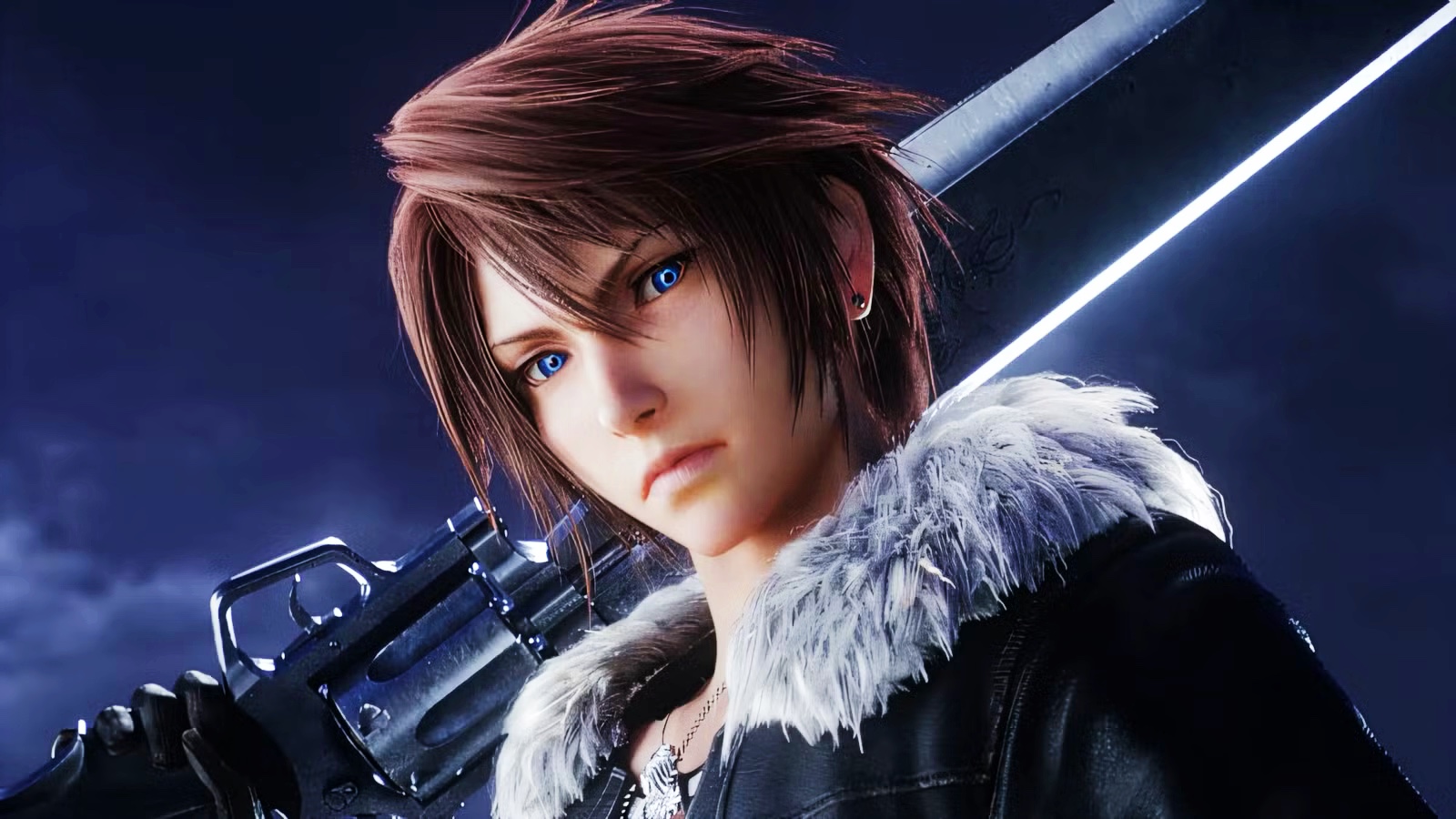
Those super attacks come from Visions, spectral companions you assign to a party member and who hover behind them during battle. Each Vision grants a distinct set of upgradable, element-focused abilities, effectively acting as a flexible job system where swapping a Vision can reshape a character’s role. Mechanically, I love this. It keeps your party adaptable without locking anyone into a rigid class, and it gives you constant reasons to rethink your loadout. The catch is who those Visions are: mostly familiar heroes from past games, with one representative from each mainline entry, including Cloud, Terra, Squall and Tidus. It’s a clever way to recycle mobile assets, and the first time a favourite appears, it’s hard not to grin. Over time, though, the cameos start doing too much of the emotional heavy lifting. When the guest stars are more compelling than your own cast, it only highlights the original story’s shortcomings.
The menus get in the way of the fun
The irony is that the game encourages you to swap Visions constantly, then makes doing so more awkward than it should be. Getting to the full list takes a couple of extra button presses, and comparing which Vision suits a particular fight is slower than it needs to be. It’s a small friction point, but because Vision management sits at the heart of the combat loop, you run into it again and again. A cleaner, faster interface would have made experimentation feel effortless instead of like admin. You can sense the mobile roots here too, in a menu structure that seems designed around taps rather than a controller. None of this breaks the experience, but it does take a little shine off an otherwise excellent system.
An airship, secrets and the joy of overleveling
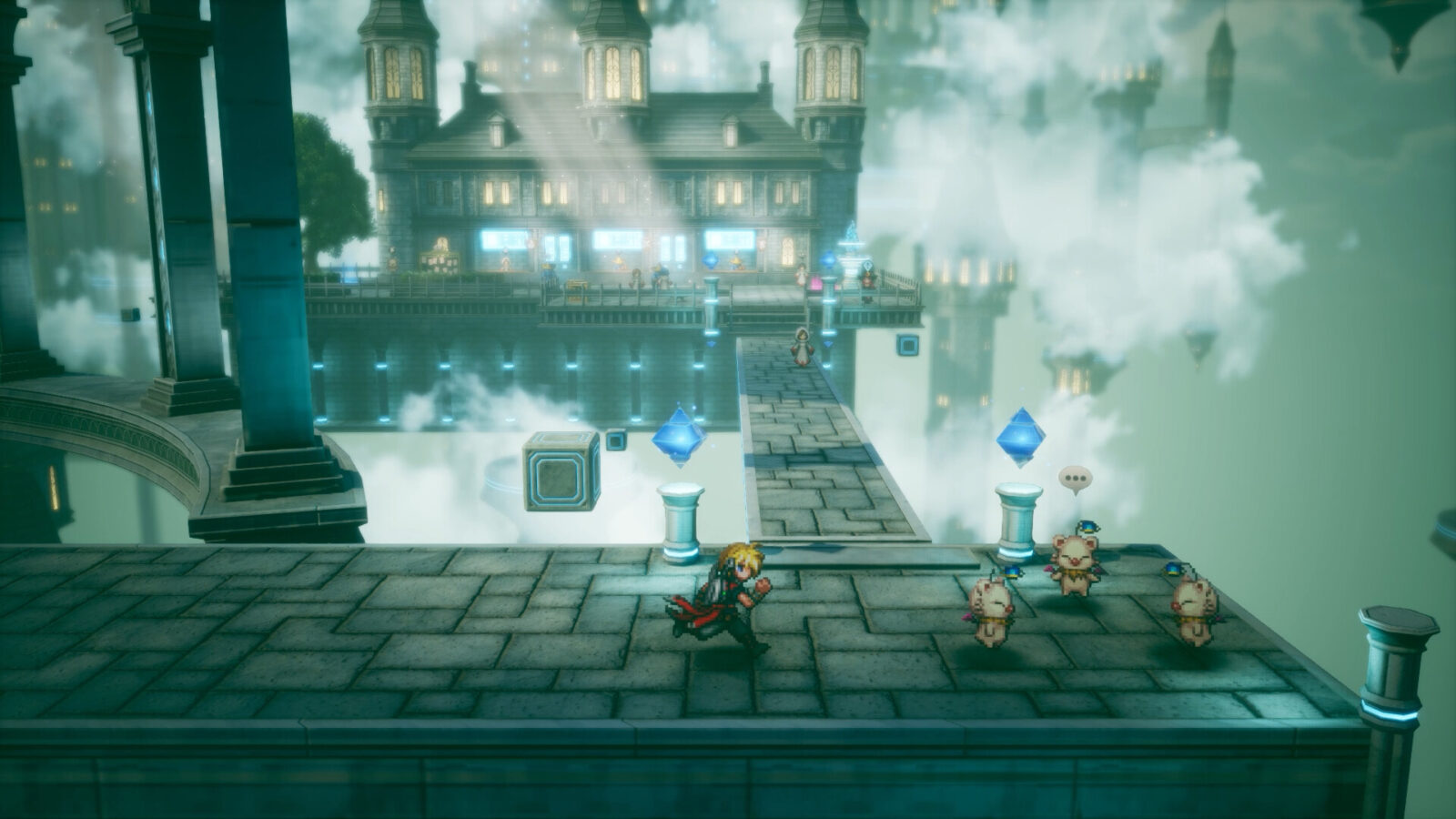
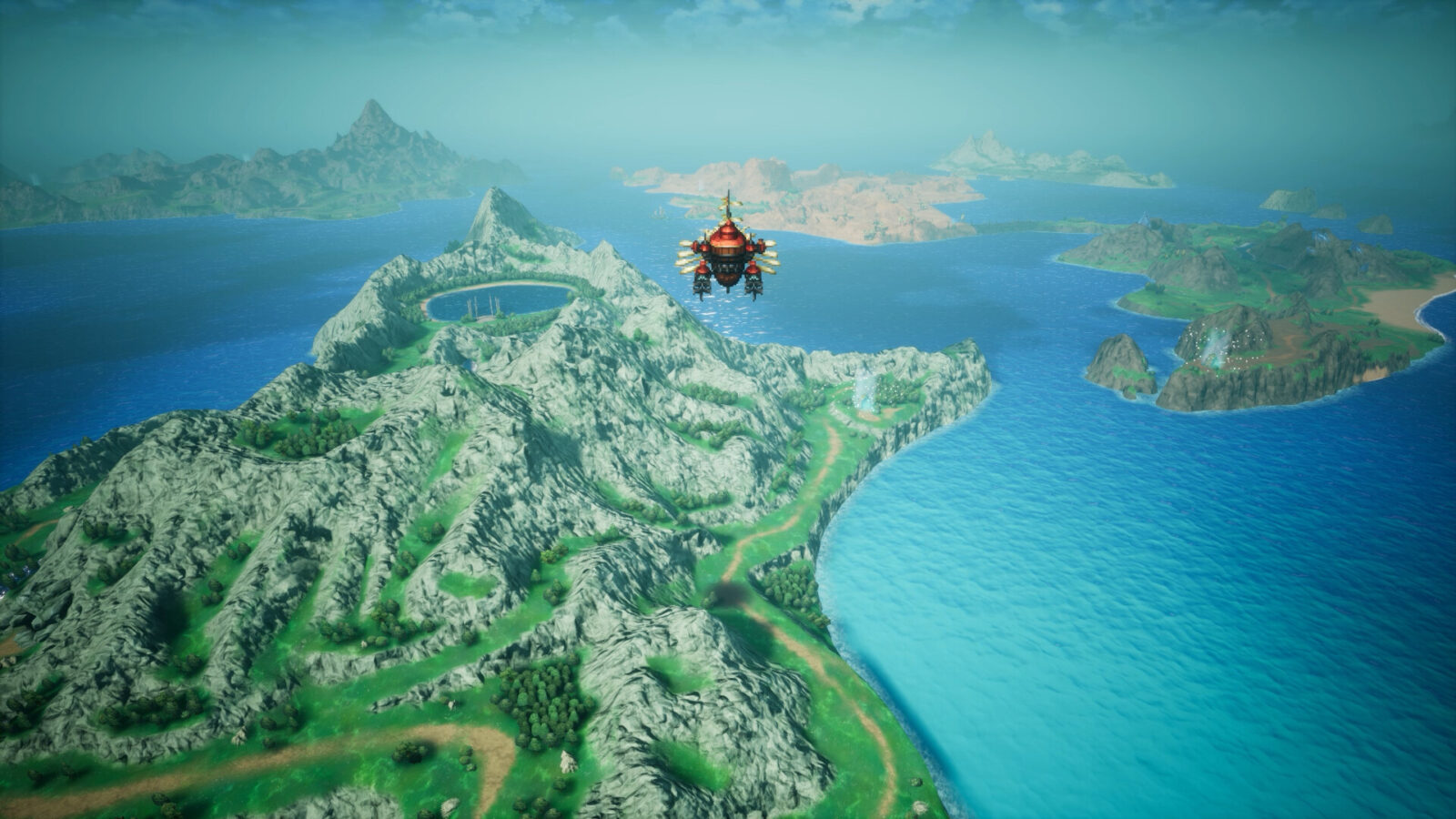
Exploration is another quiet win. You get an airship relatively early, and while the main story still progresses along a fixed path with areas locked behind specific plot beats, there’s plenty of optional ground to cover. Hidden islands, caves and assorted secrets reward anyone willing to wander off course. That sense of discovery has been missing from recent mainline entries, with Final Fantasy XVI in particular trading open-ended curiosity for a more directed, cinematic structure. Here, poking around the map pays off in meaningful upgrades. Players who put in the effort can end up with a seriously overpowered party, which makes the sidetracking feel worthwhile rather than optional busywork. There’s something deeply satisfying about returning to the main quest with a team that’s earned the right to steamroll it.
HD-2D at its most gorgeous, with a soundtrack to match
Visually, Resonance is a stunner. It’s arguably the most impressive use of the HD-2D style so far, blending detailed pixel art with modern lighting and depth effects, and the pixel art cutscenes are often spectacular. On Switch 2, the game looks excellent and runs well overall, with occasional frame rate dips that are noticeable but rarely distracting. Noriyasu Agematsu’s soundtrack is a major asset, too. The battle themes inject real urgency, the overworld music gives each region its own mood, and the cutscene compositions frequently lift story moments that the writing alone can’t carry. In fact, the score deserves credit for making several of the plot’s predictable beats feel more emotional than they have any right to be. Between the art and the music, Resonance absolutely looks and sounds like a Final Fantasy, even when it doesn’t always think like one.
Verdict
Final Fantasy Resonance is a strong reminder that Square Enix still knows how to make a classic turn-based RPG. The combat is the clear highlight, combining traditional elemental strategy with a rewarding stagger system and a flexible Vision mechanic that turns party building into an ongoing experiment. Early airship access and plenty of hidden rewards give exploration real value, while the HD-2D visuals and Noriyasu Agematsu’s score make the whole thing a pleasure to look at and listen to. The weaknesses are mostly narrative. The story is predictable, the main cast sticks closely to familiar archetypes, the final villain disappoints, and the reliance on legacy cameos sometimes exposes how thin the original characters are by comparison. Clunky menus also undercut the very system the game wants you to use most. If you’ve been missing old-school Final Fantasy combat, Resonance is easy to recommend at its $49.99 price. Just go in expecting a satisfying tribute rather than a new classic.