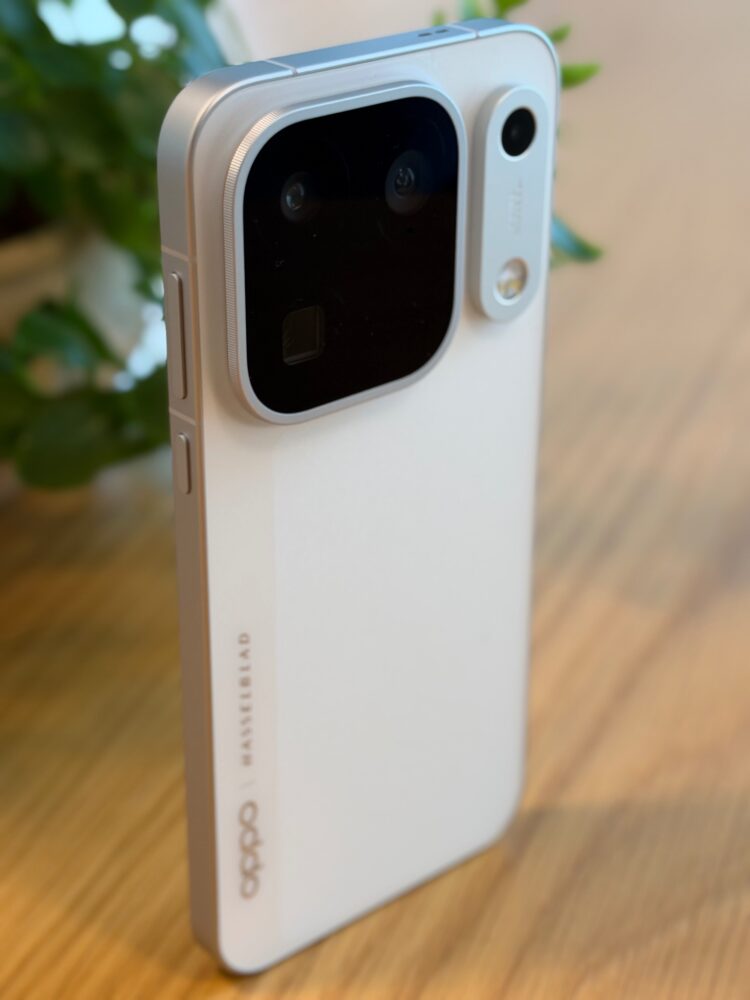
TL;DR: The OPPO Find X10 Pro Max is a camera powerhouse, with three 200MP lenses, natural true-to-life processing and stunning zoom with the Hasselblad Teleconverter Kit. Add a gorgeous display, fast performance and a huge 8,000mAh battery, and it’s the camera phone to beat this year.
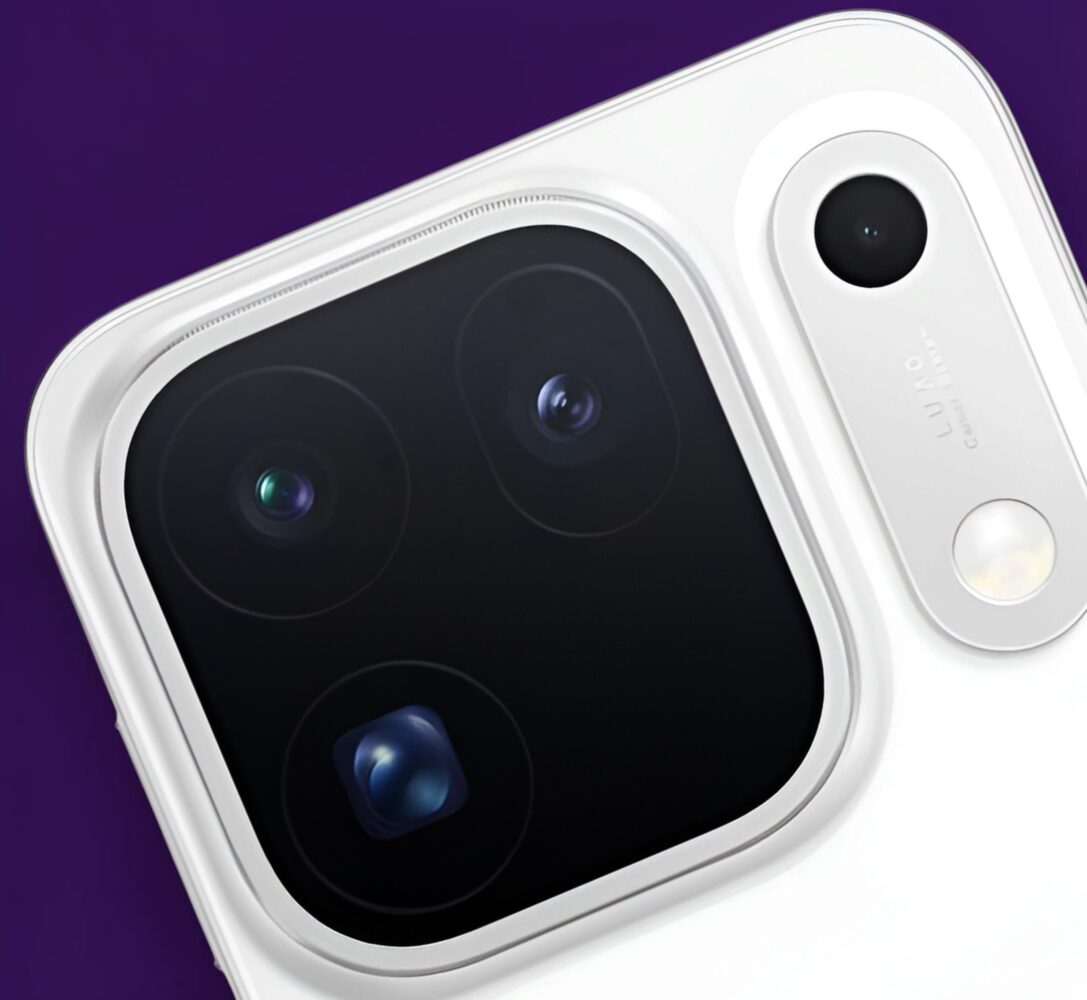
For years, the smartphone camera race has felt like a franchise that keeps rebooting the same hero. One lens gets the headline sensor and the others play sidekick, which you notice the moment you switch from the main camera to the ultra-wide and the image quality falls off a cliff. The OPPO Find X10 Pro Max is the first phone I’ve used that drops that hierarchy entirely. It has 200MP sensors behind the 13mm ultra-wide, the 24mm main camera and the 70mm periscope telephoto, so every lens starts from the same high baseline. After living with it, I came away convinced this isn’t a spec-sheet stunt. It’s the most consistent camera system I’ve carried in my pocket.
What makes it work is that OPPO combined maximalist hardware with a minimalist processing philosophy. Alongside the cameras you get a stunning 6.78-inch BT.2020 display, MediaTek’s 2nm Dimensity 9600 Pro, an 8,000mAh silicon-carbon battery and IP66, IP68 and IP69 protection. It’s a lot of phone, and at 233 to 235 grams it feels like it, but every gram seems to be there for a reason. I loved using it, and in this OPPO Find X10 Pro Max review I’ll explain exactly why. I’ll also cover the few areas where it asks you to compromise.
Triple 200MP and the LUMO True Image Engine deliver photos that look like what I actually saw
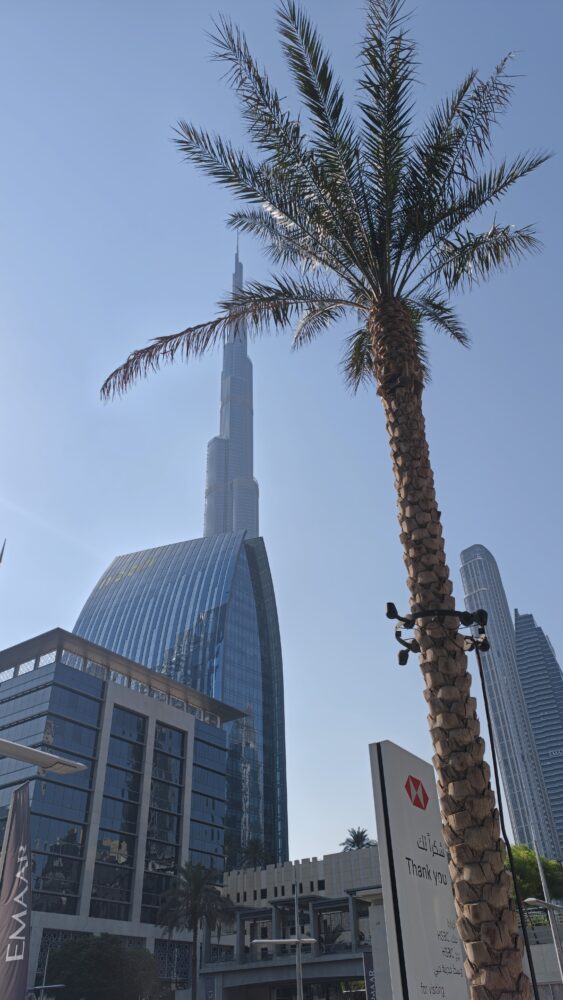
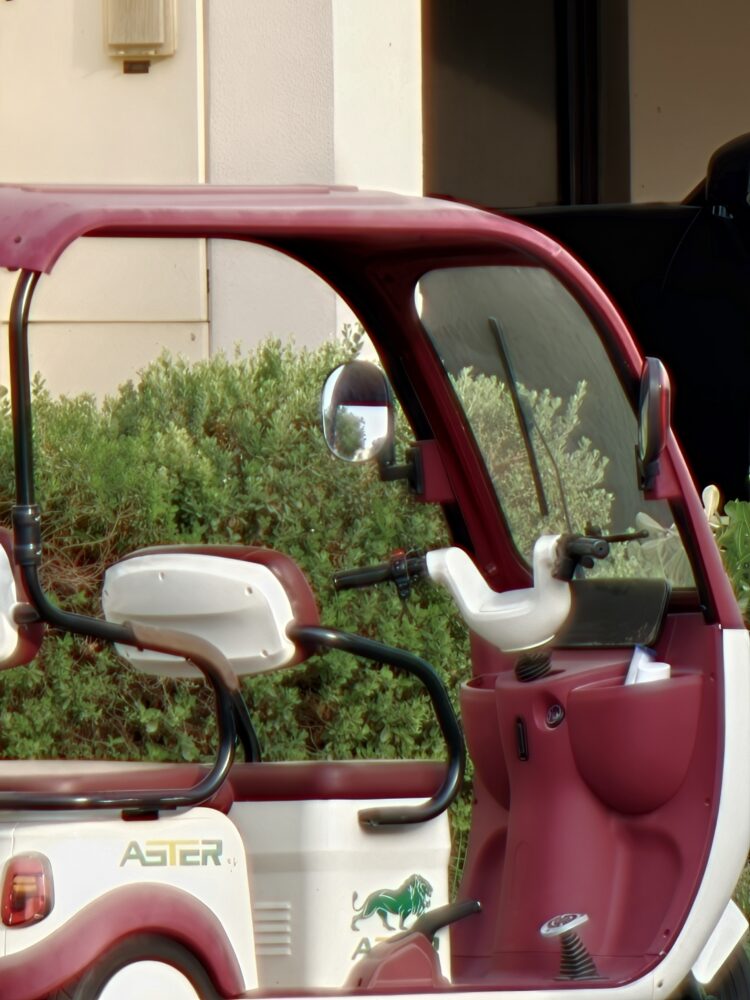
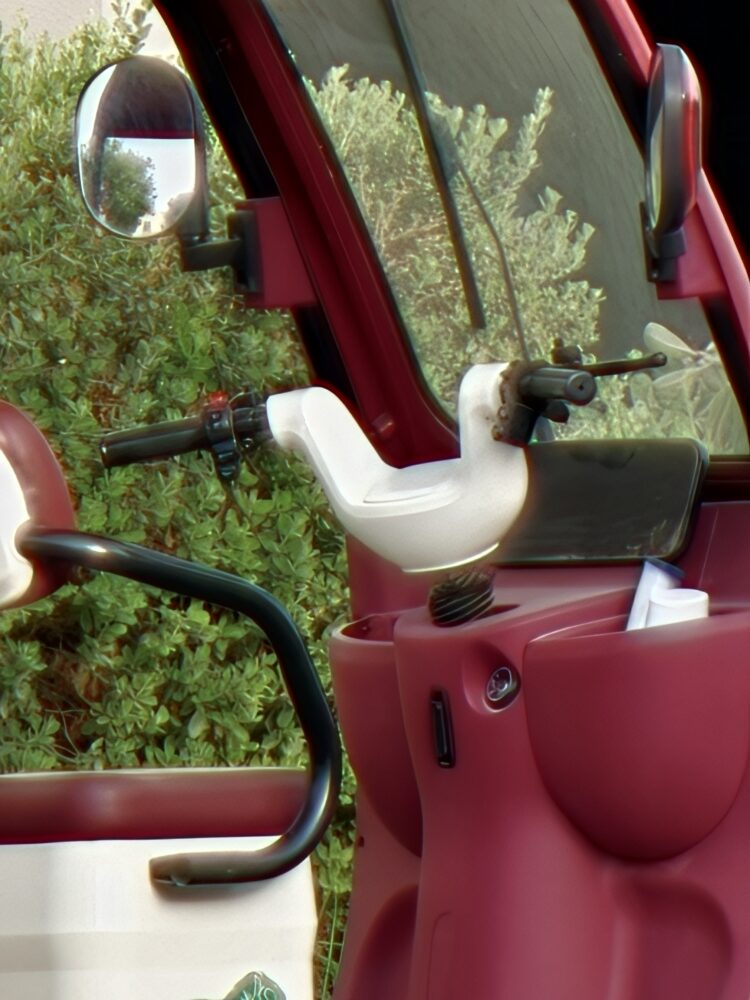
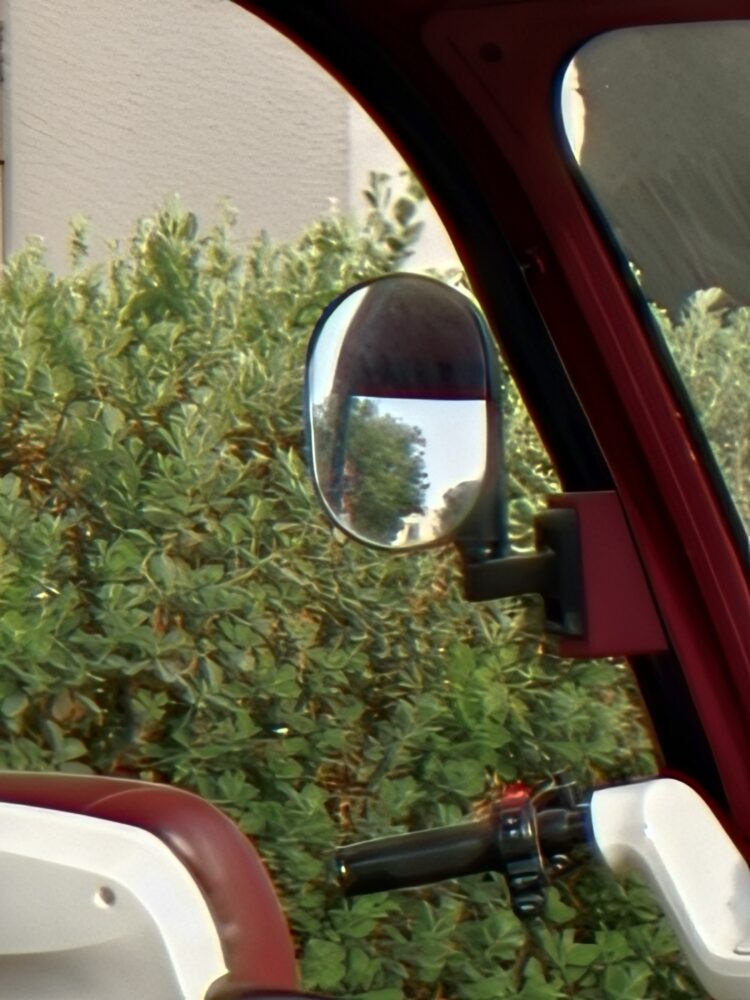
The hardware alone is a geek’s dream. The main camera uses a 1/1.3-inch Samsung ISOCELL HPC sensor with an f/1.5 aperture and OIS. The ultra-wide pairs a 1/1.56-inch ISOCELL HP5 with a 124° field of view, autofocus and a 4cm minimum focus distance, which makes it a seriously capable macro lens. The f/2.1 periscope telephoto carries another 200MP HP5, and the extra resolution lets it crop to a clean 50MP shot at 6x, so it effectively works as two zoom lenses in one. In everyday shooting I left the phone on its default 26MP output, which kept files manageable while still pulling real detail out of in-between zoom levels from 0.5x to 9.9x. Whenever I wanted maximum resolution, Hasselblad Hi-Res Mode unlocked the full 200MP from 0.5x through 3x, and cropping into those files afterwards felt like having extra lenses I never actually used.
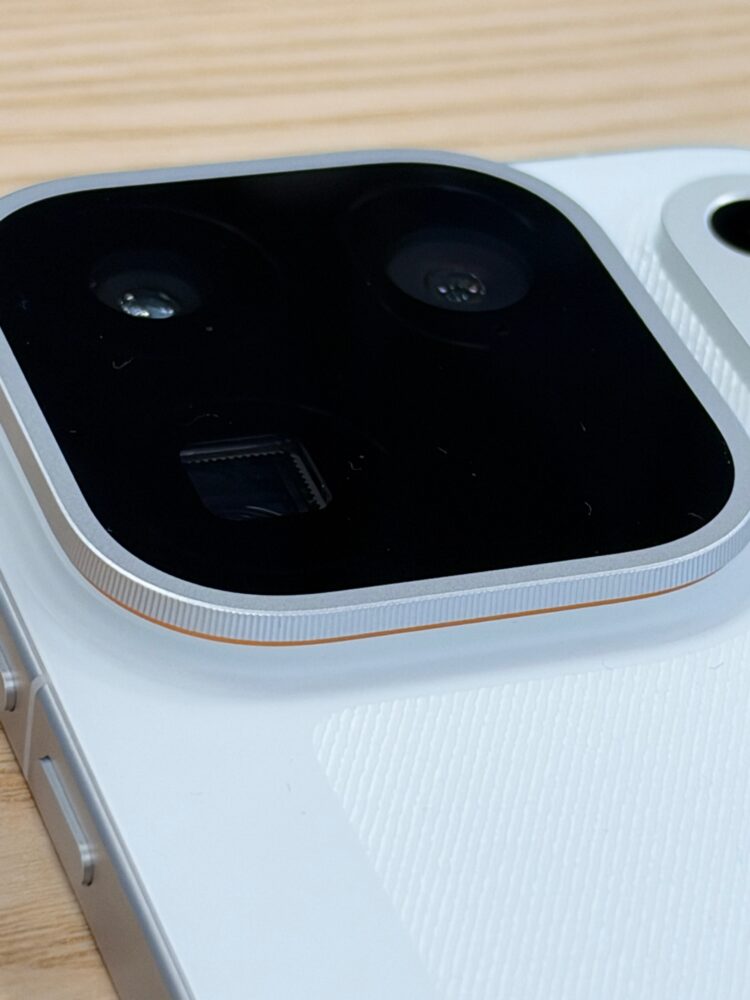
What really won me over, though, was the LUMO True Image Engine. So many flagships still crunch every photo into an oversharpened, HDR-glowing poster, the kind of image that looks great on a thumbnail and fake at full size. The Find X10 Pro Max goes the opposite way, with restrained sharpening, gentler noise reduction and far less aggressive tone mapping. Highlights stay bright, shadows stay deep and textures like hair, fabric and foliage look natural instead of redrawn. The 24-channel multispectral True Color Camera clearly earns its place, because skin tones and tricky mixed lighting came out with a faithfulness I rarely get from phones. Colour and tone also stayed consistent as I jumped between lenses, and the live preview matched the final image closely, so I always knew what I was getting before pressing the shutter.
LUMO Color Palette and LUMO Framing make shooting more personal, not more automatic
LUMO Color Palette quickly became my favourite way to shoot. It has 18 looks, including the new Pearl and Amber portrait styles and film-inspired options like Portra, Positive Film, NC and CC. I loved swiping through them live in the viewfinder before committing. The real magic is the control grid: vertical swipes adjust tone, horizontal swipes adjust saturation, and an intensity slider sits underneath, so it feels much closer to colour grading than to slapping on a filter. Because it’s built into the imaging pipeline, skin tones stay protected even when I pushed a look hard, which kept my portraits looking human rather than cartoonish.
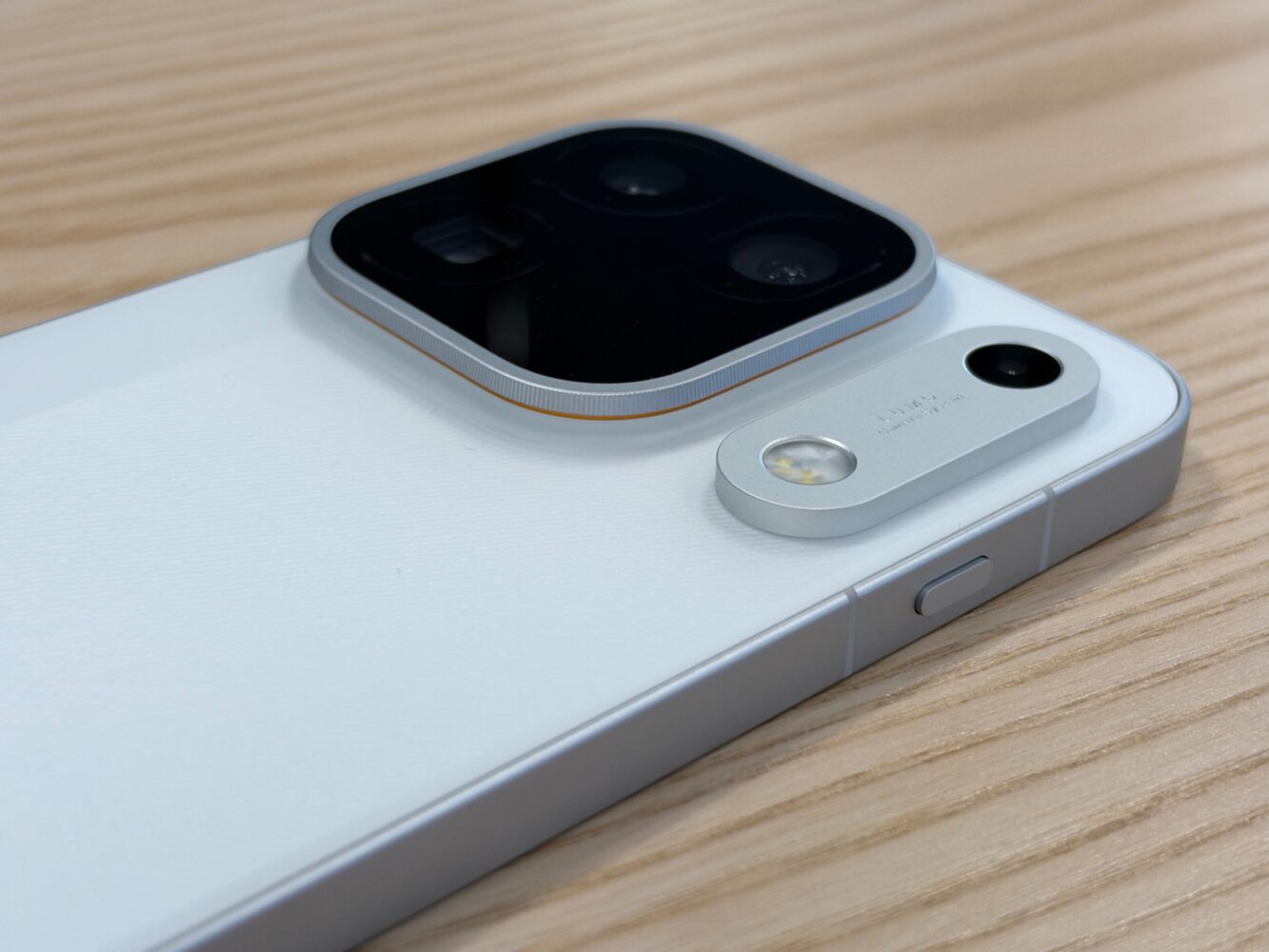
LUMO Framing is the feature I expected to ignore and ended up using constantly. Tap the Framing button and an on-device AI model analyses the scene, then drops a suggested framing dot on screen. You simply move the phone until the circle lines up with it. It adapts to what you’re shooting, whether that’s a tight portrait, a person in their surroundings or a detail within a bigger scene. Purists may roll their eyes, but more often than not the suggested composition was genuinely stronger than my first instinct, and it never got in the way when I wanted to frame things myself. Add Master Mode with 50MP RAW MAX, Hasselblad Portrait Mode and the cinematic 65:24 XPan mode, and this is one of the most enjoyable camera apps I’ve used on any phone.
The Hasselblad Teleconverter Kit turned the Find X10 Pro Max into a real zoom camera
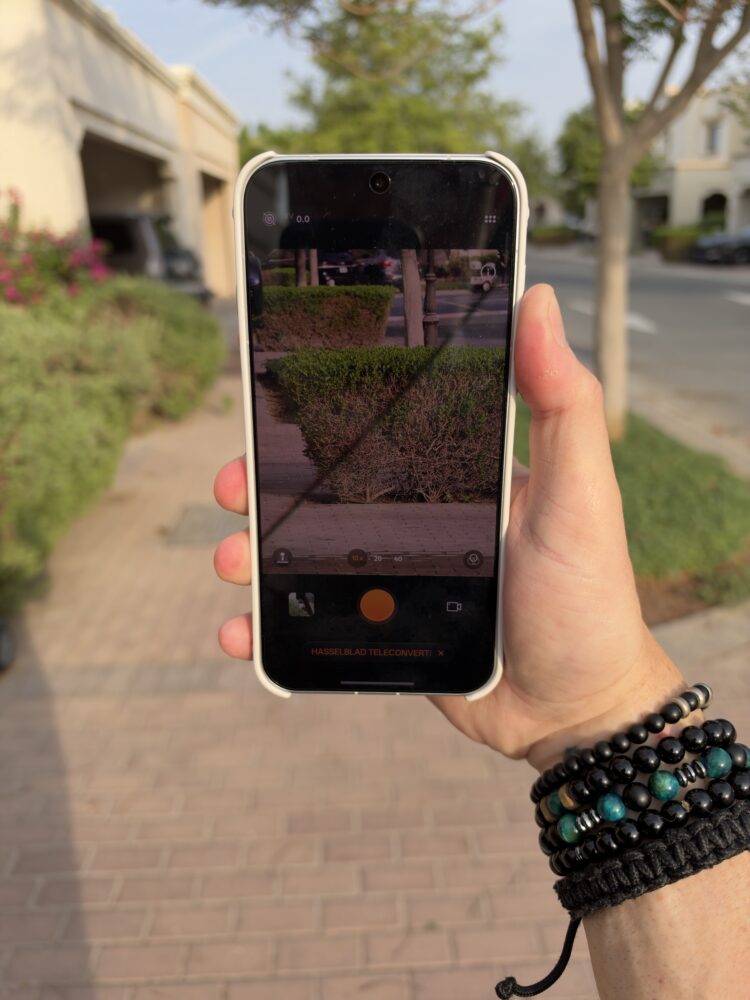
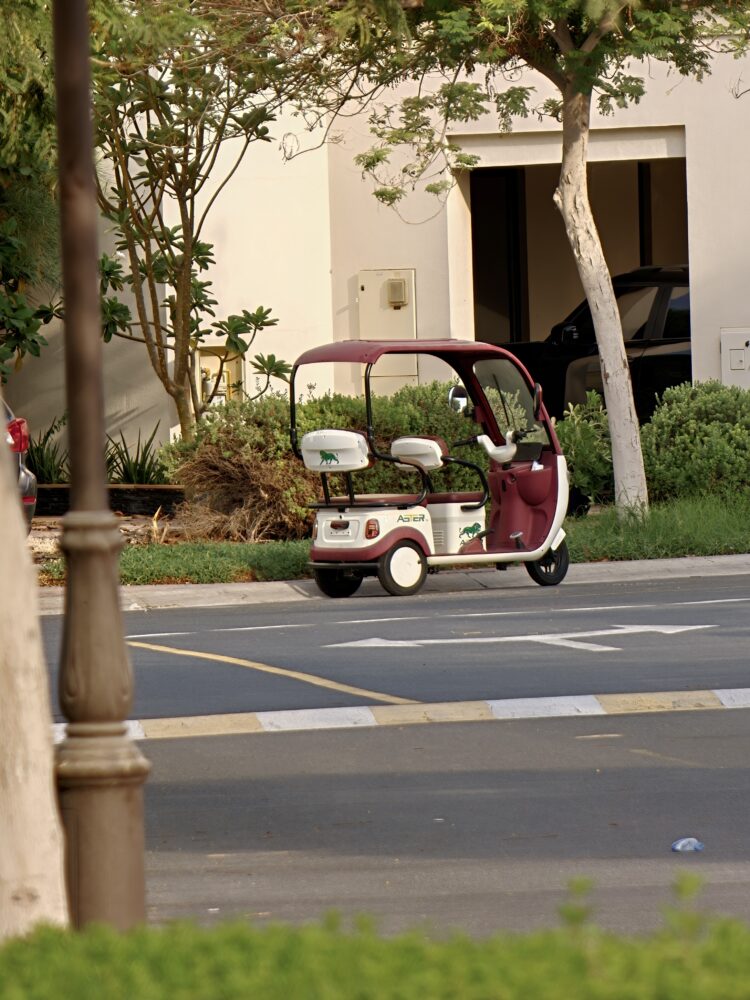
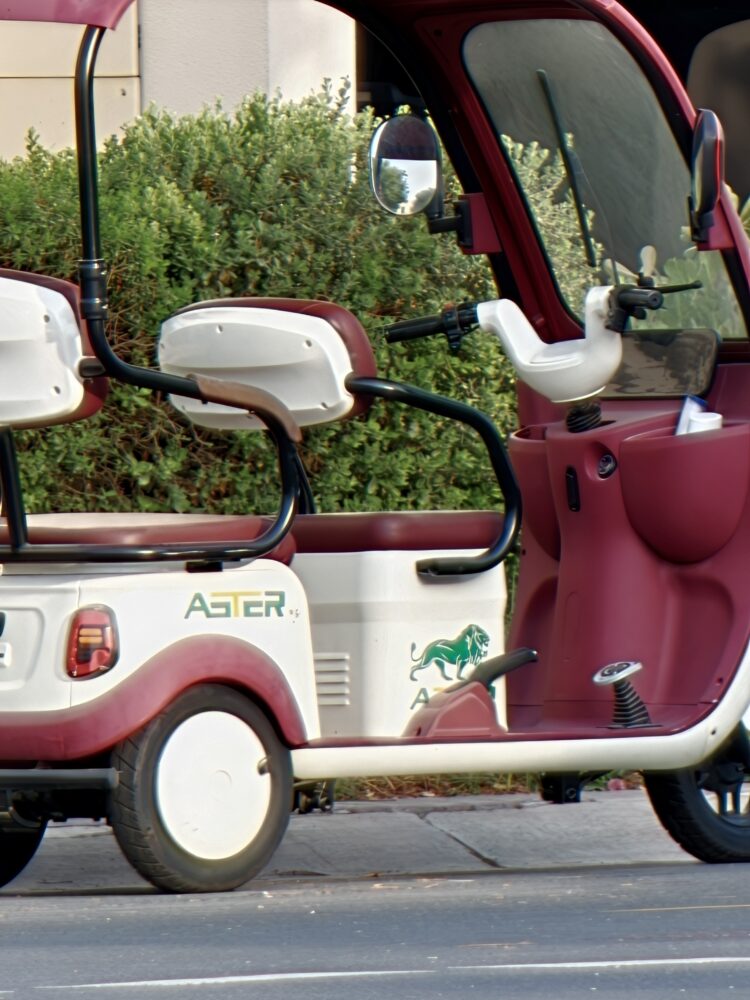
This is where the Find X10 Pro Max went from excellent to addictive for me. The Hasselblad Teleconverter Kit is sold separately, but if you care about zoom it’s the accessory that defines this phone. Its 3.28x optical magnification, built from 13 glass elements including three ED elements and with PVD coatings to tame flare, pairs with the 3x 200MP telephoto to give you true 10x optical zoom. Snap it on and the phone stops feeling like a smartphone with a zoom lens and starts feeling like a proper long-lens camera. The zoomed shots I captured were incredibly sharp, with clean edges, minimal colour fringing and detail I honestly didn’t expect from something that fits in a jacket pocket.
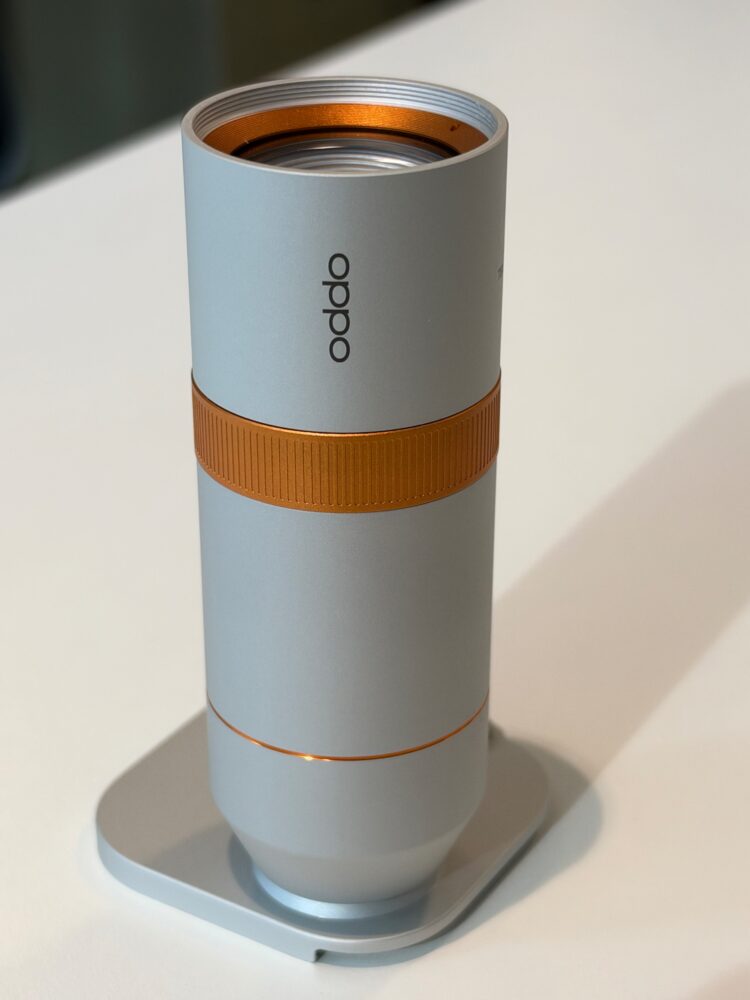
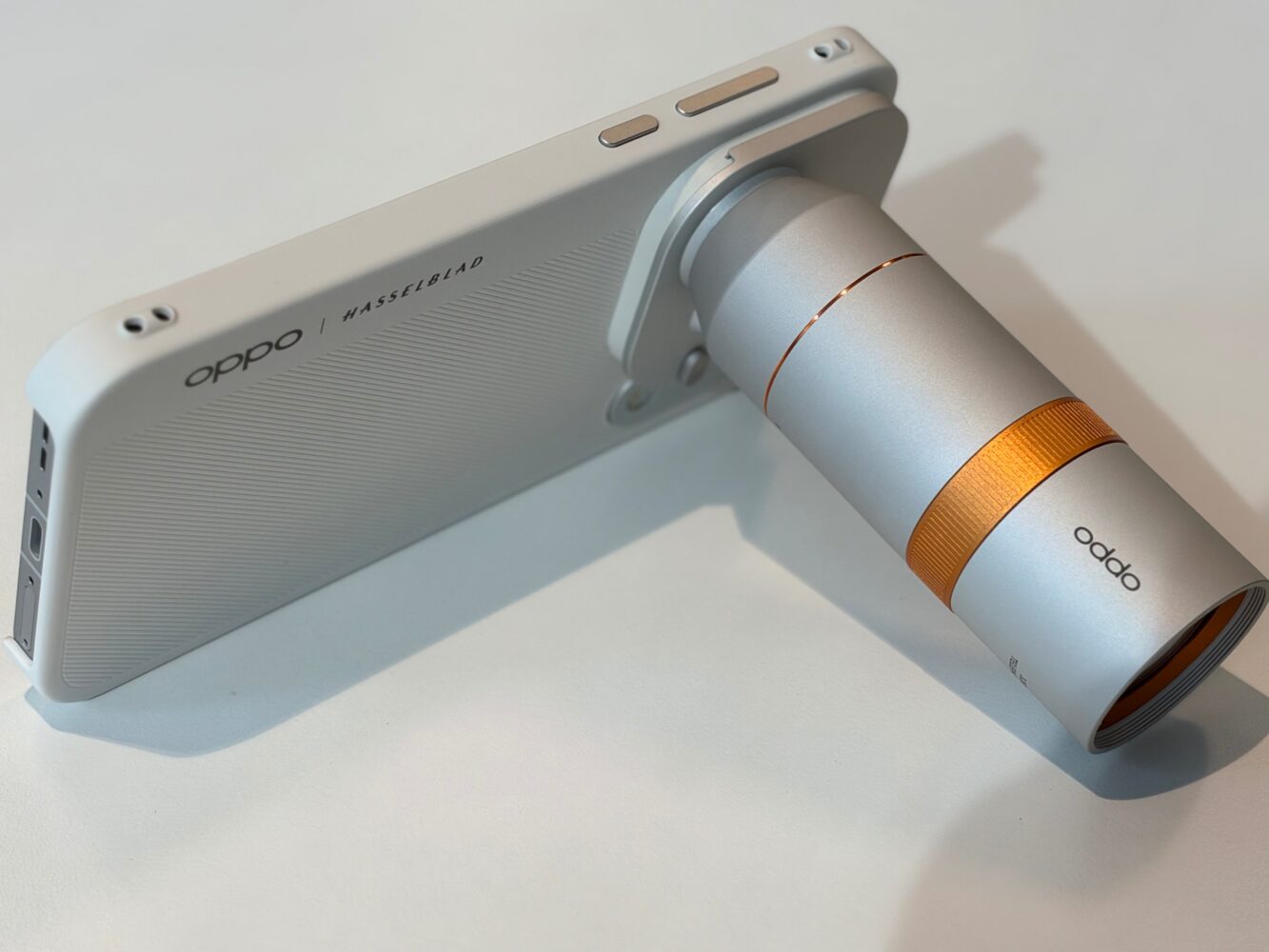
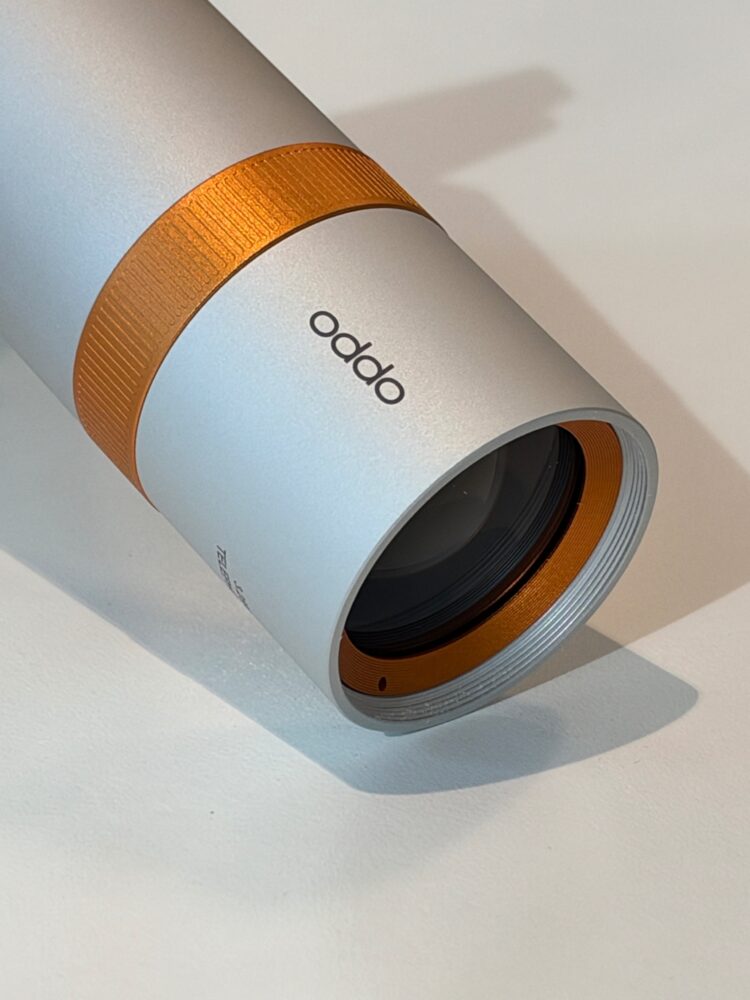
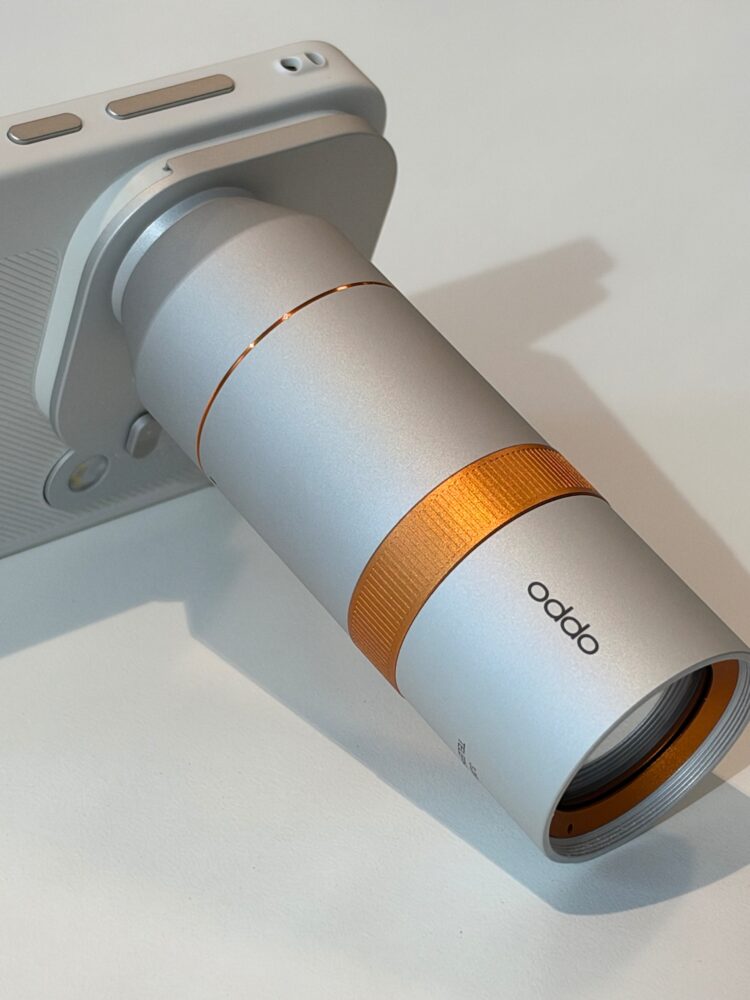
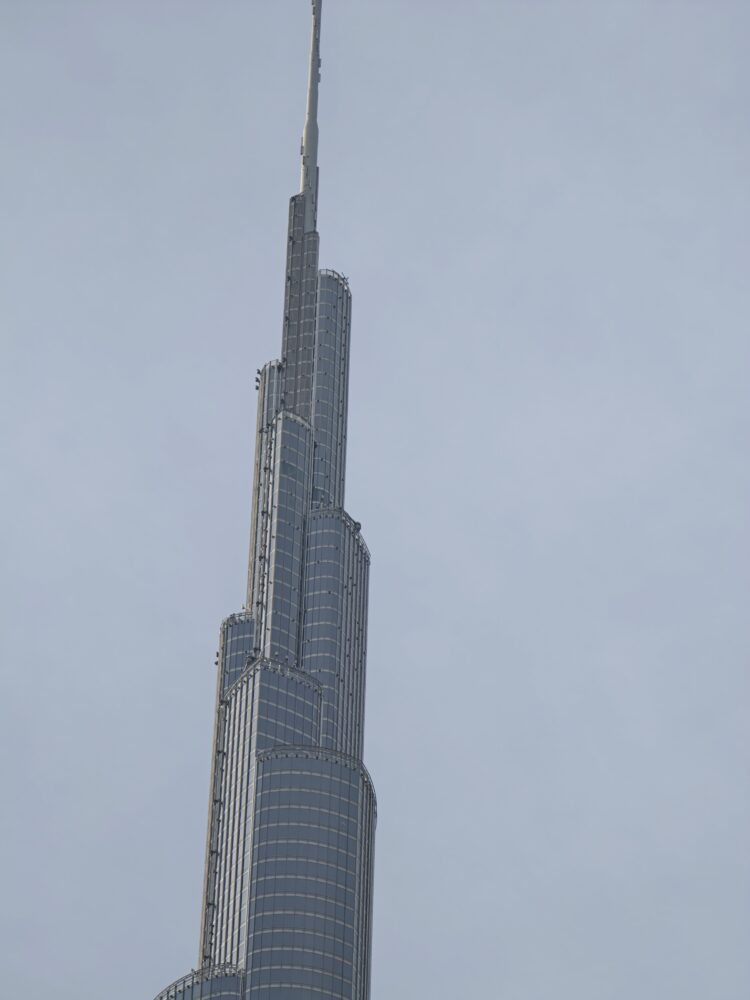
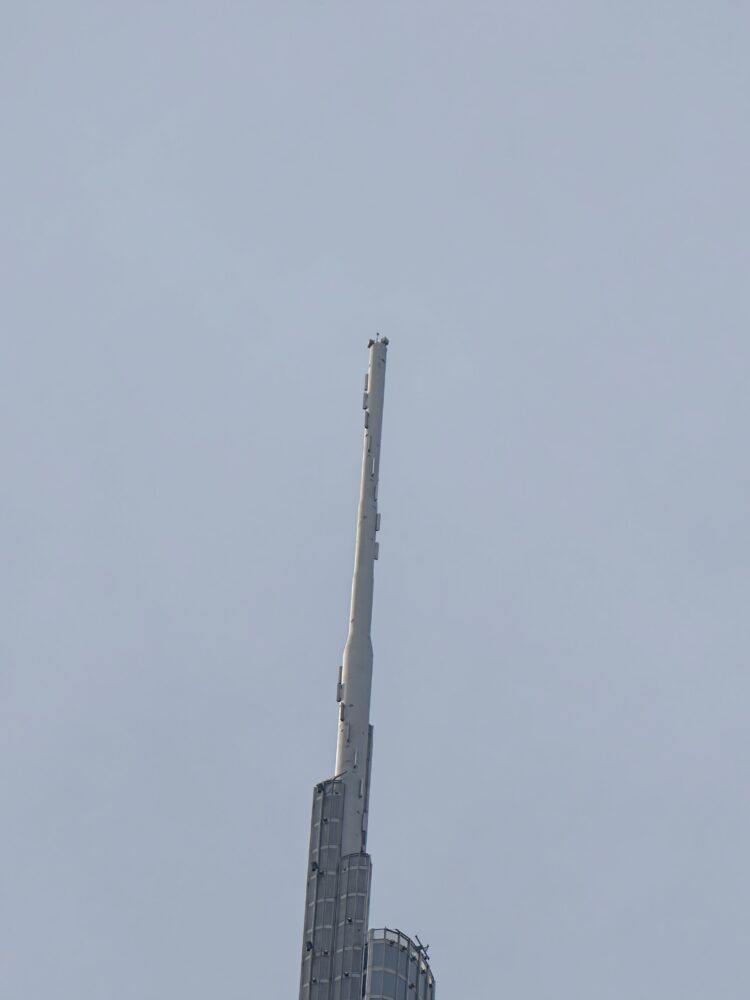
Because that 10x optical starting point sits on a 200MP sensor, cropping further to 20x, 40x and beyond still held up remarkably well. That’s what makes the kit so special: you’re cropping into a huge, clean optical image rather than leaning on digital guesswork, and it shows. Distant buildings, faraway subjects and scenes I would normally have given up on came back crisp and genuinely usable. The trade-offs are obvious but fair: it costs extra, it adds bulk and you have to remember to bring it. For anyone who shoots wildlife, concerts, events or travel, though, I’d call it close to essential, and it’s the single biggest reason this phone sits at the top of my camera-phone list.
Photo Samples
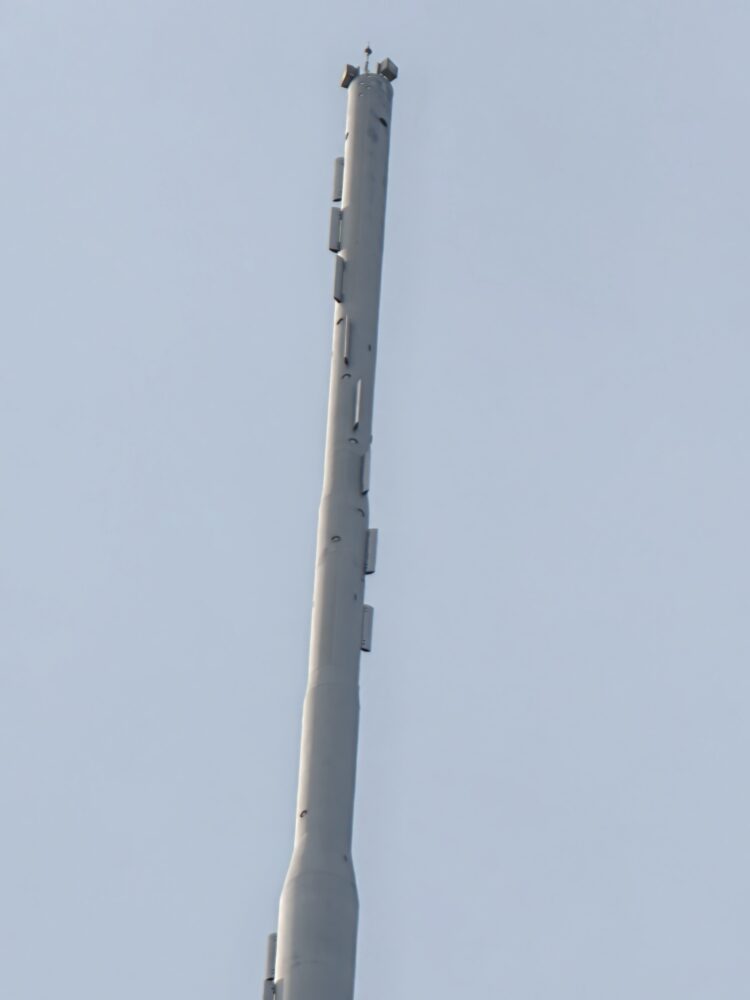
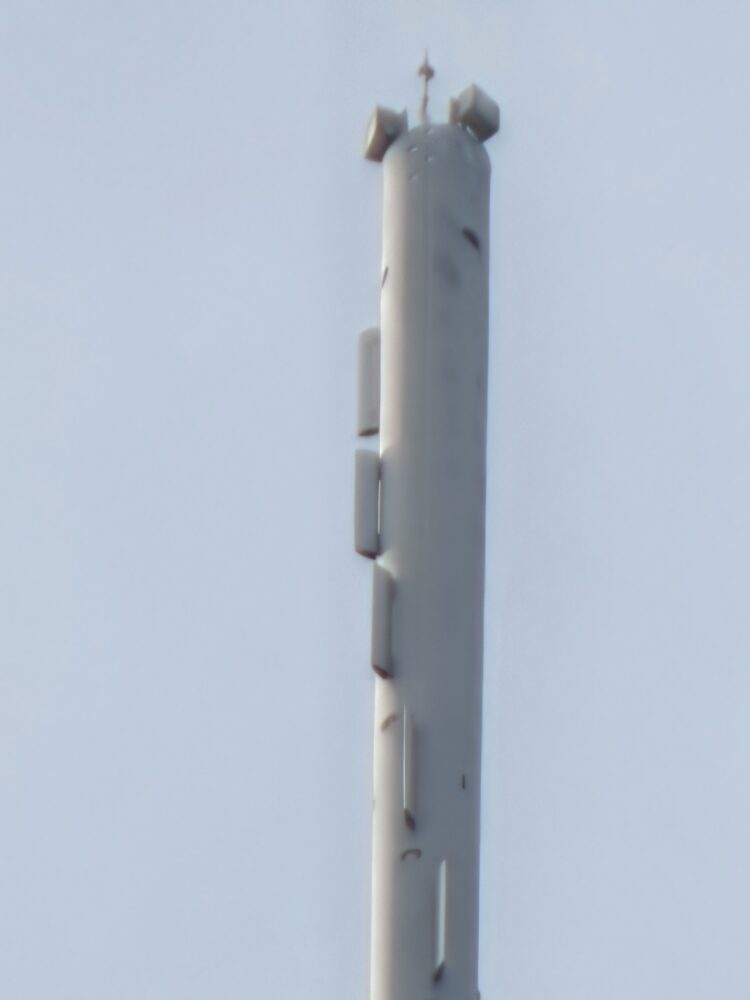

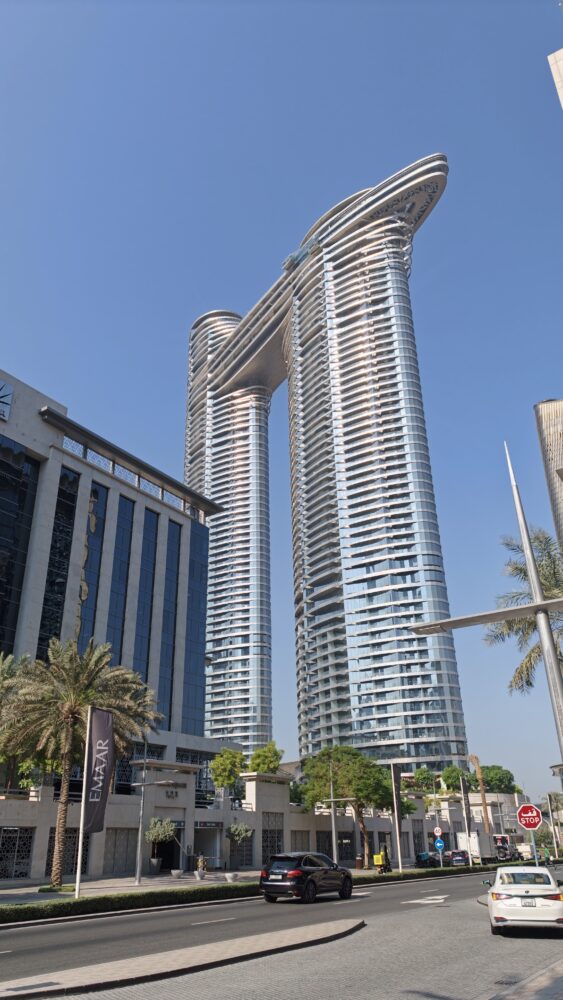
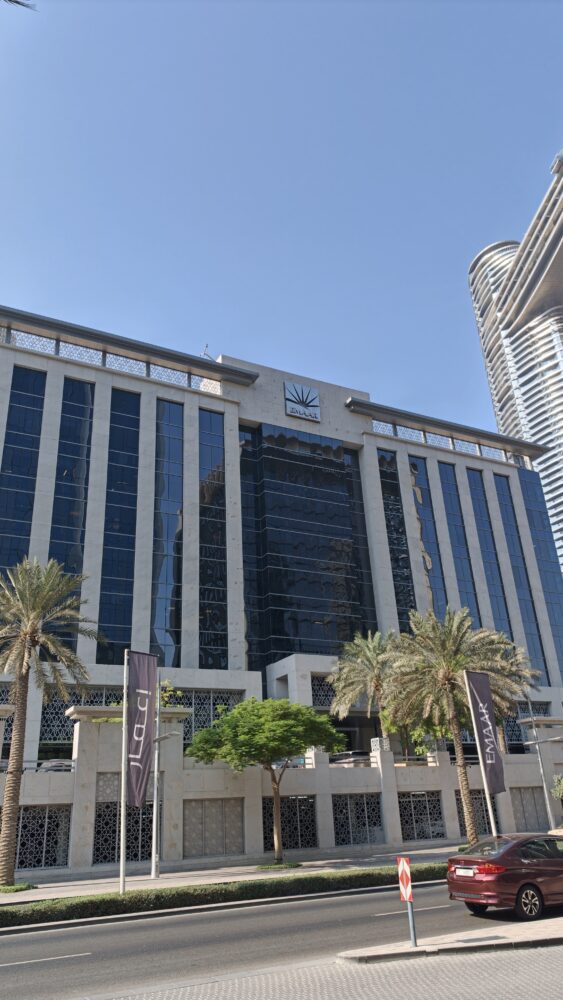
17-stop HDR video makes high-contrast scenes look like cinema footage
Video is just as impressive as the stills. The Find X10 Pro Max records 4K 60fps, 4K 120fps and 8K 30fps on all three rear cameras, so I could switch lenses mid-shoot without dropping resolution or frame rate. The standout is up to 17 stops of dynamic range from the main camera, thanks to Samsung’s DeepPix pixel architecture. It’s built into the sensor, so it works by default with no setting to remember. Recording in 4K with Dolby Vision against bright windows, sunsets and illuminated signs, the footage kept detail in the brightest highlights and the darkest shadows at the same time. That kind of scene usually breaks phone video, and here it looked closer to something from a dedicated cinema camera.
The creator toolkit goes deep. Open Gate Capture in Pro Video mode uses each sensor’s full area, which makes it easy to reframe one take for landscape, vertical or square platforms. O Log2 with real-time 3D LUT preview gives you a flat, gradable file while you monitor the finished look on screen. Ultra Steady corrects small rotational tilts to keep handheld footage level, and support for the Blackmagic Camera app, along with near-lossless Instagram Reels and Stories uploads, completes a seriously joined-up workflow. Electronic stabilisation switches off in Open Gate mode, so a gimbal helps there, but that’s a reasonable trade for the flexibility.
Photo Samples

The BT.2020 display is the best screen I’ve looked at on a phone this year
The 6.78-inch flat LTPO AMOLED is simply gorgeous. At 2772 × 1272 and 450 ppi it’s razor sharp, and the even 1.15mm bezels on all four sides make the front look like a pure slab of picture. The headline is 95% coverage of BT.2020, a colour space far wider than the DCI-P3 most flagships target. HDR movies and my own photos looked richer and deeper than on anything else I’ve used recently. With up to 2,000 nits full-screen and 3,600 nits peak, it stayed perfectly readable outdoors, and reviewing shots in bright light was effortless.
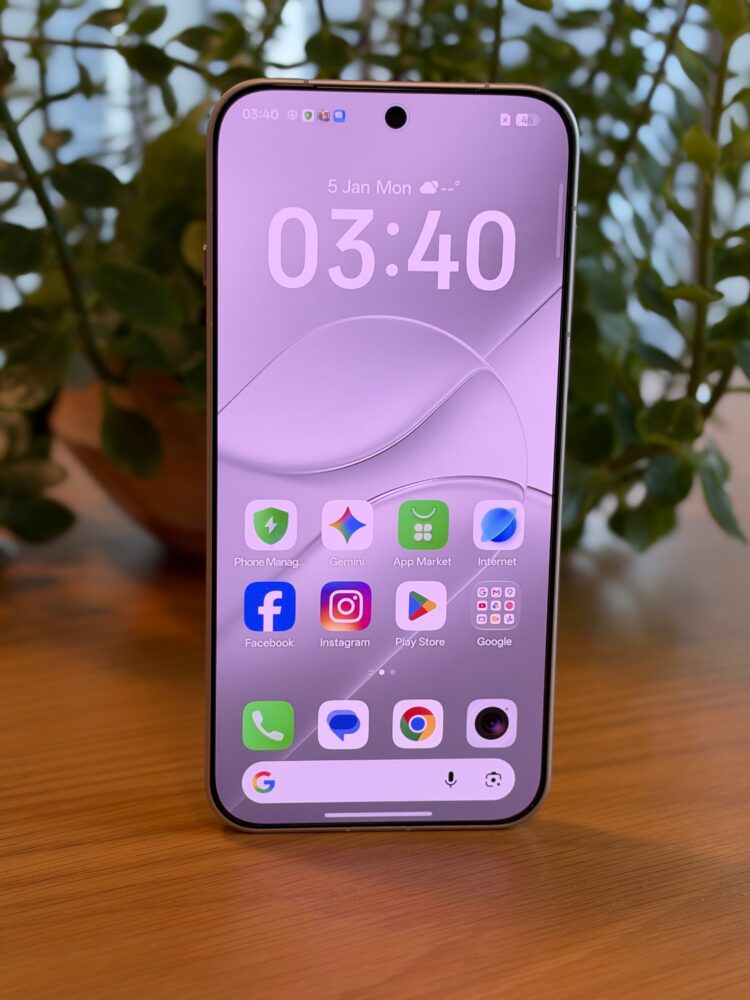
It’s just as comfortable in the dark. The minimum brightness drops to 1 nit, 3,840Hz PWM dimming handles low brightness while DC dimming takes over above 70 nits, and the five-channel sensor behind Adaptive tone kept colour temperature natural as the lighting changed. Scrolling at up to 120Hz felt fluid, and supported games like Call of Duty: Mobile and PUBG MOBILE push it to 144Hz. My only note is that 144Hz is limited to those specific titles. You’ll also find the screen can look slightly warm when you film it with another camera, though it looks neutral to the eye.
The Dimensity 9600 Pro is fast and stays fast
Performance is excellent across the board. The Dimensity 9600 Pro, built on TSMC’s 2nm process with an all-big-core design led by two C2 Ultra cores at up to 4.55GHz, made everything feel instant. That included launching apps, editing huge 200MP files, scrubbing through 8K footage and gaming. Paired with 12GB or 16GB of LPDDR5X and 512GB of UFS 4.1 storage, the phone never felt like it was catching its breath, even when I was bouncing between the camera, the gallery and editing tools. The vapour chamber cooling matters here, because a phone that shoots 4K 120fps and 8K across three lenses needs to manage heat to stay consistent, and in my use performance stayed strong.
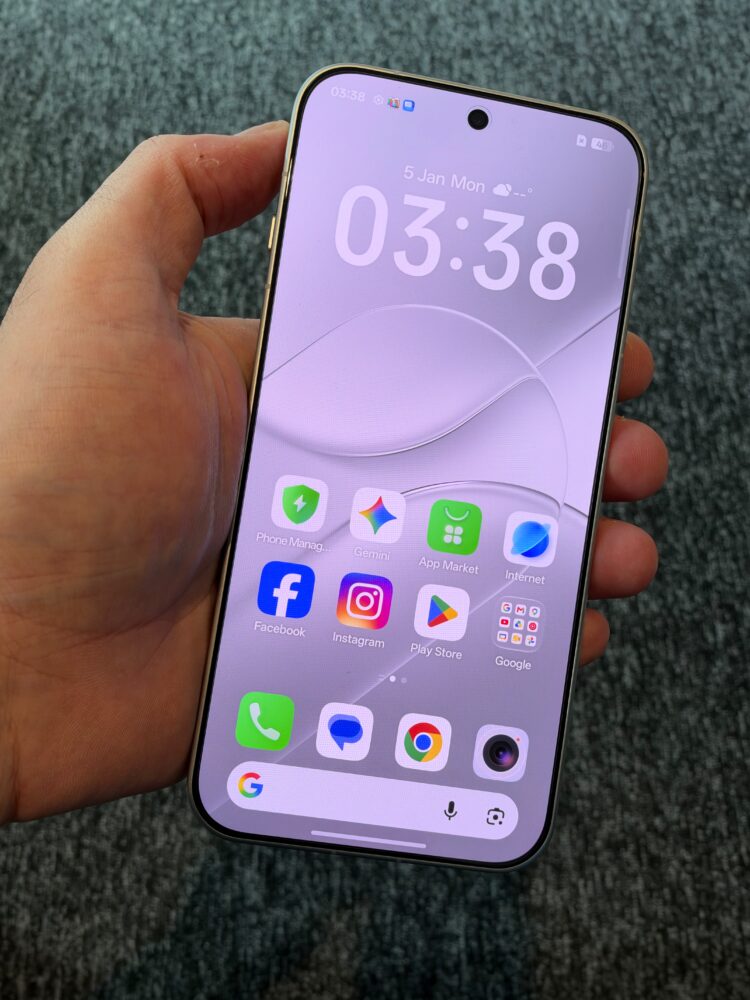
The small things add up too. The large X-axis haptic motor makes typing and gaming feel crisp and precise. The symmetrical stereo speakers sound wide and balanced, and USB 3.2 Gen 1 makes offloading big photo and video files far less painful. The customisable Snap Key on the left side is genuinely useful; by default it links to AI Mind Space, and you can remap it to the flashlight, translation, recording or sound profiles. Wi-Fi 7, Bluetooth 6.2 and a 3D ultrasonic fingerprint scanner round out a spec list with no obvious gaps.
An 8,000mAh battery with 80W and 50W charging ends battery anxiety
Battery life is one of the Find X10 Pro Max’s biggest strengths. The 8,000mAh silicon-carbon cell is the largest ever in a Find phone, and in my use it comfortably handled heavy days of shooting photos and video, browsing and streaming without sending me hunting for a charger. That’s a huge deal on a phone that encourages you to shoot this much, because 8K video, 200MP stills and a bright HDR display are exactly what drains lesser phones. It’s also designed to keep over 80% of its capacity after five years, which pairs nicely with how long a flagship like this is meant to last.
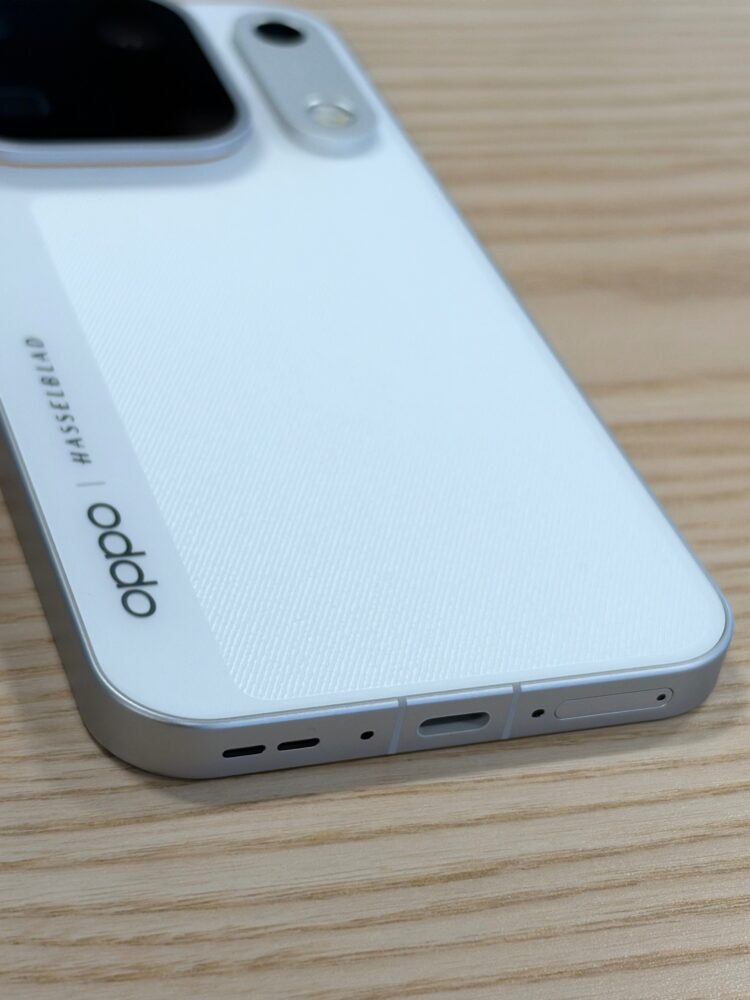
When you do need to top up, 80W SUPERVOOC wired charging gets you back in action quickly, and third-party USB PD chargers still reach up to 55W. 50W AIRVOOC magnetic wireless charging with the official charger and magnetic case is genuinely fast, and reverse wired and wireless charging let you top up earbuds or a friend’s phone in a pinch. ColorOS 17 on Android 17 felt smooth and polished throughout, and OPPO’s promise of six years of sustained smoothness gives me real confidence this phone will age well. For a device you’ll want to keep for years, that’s exactly the reassurance I want.
Verdict
The OPPO Find X10 Pro Max is the best camera phone I’ve used this year, and one of the most complete flagships, full stop. Three 200MP cameras give every focal length real, consistent quality. The LUMO True Image Engine produces photos that look authentic rather than over-processed, while LUMO Color Palette and LUMO Framing make shooting more creative and more fun. With the Hasselblad Teleconverter Kit attached, the zoomed shots are simply stunning, and 17-stop HDR video with Dolby Vision makes high-contrast scenes look cinematic. Around all that sits a breathtaking BT.2020 display, a fast and consistent Dimensity 9600 Pro, an 8,000mAh battery with rapid charging and class-leading IP69 durability.
The compromises are few. It’s a heavy phone, the teleconverter is a separate purchase that adds bulk, 144Hz is limited to certain games, and anyone hooked on ultra-sharpened photos may need a moment to appreciate LUMO’s natural look. If you’re a photographer, a mobile filmmaker, a zoom enthusiast or simply someone who wants the most capable Android phone available with battery to spare, this is the one I’d recommend without hesitation. If you only need a phone for messaging and the occasional snapshot, it’s more than you need.