
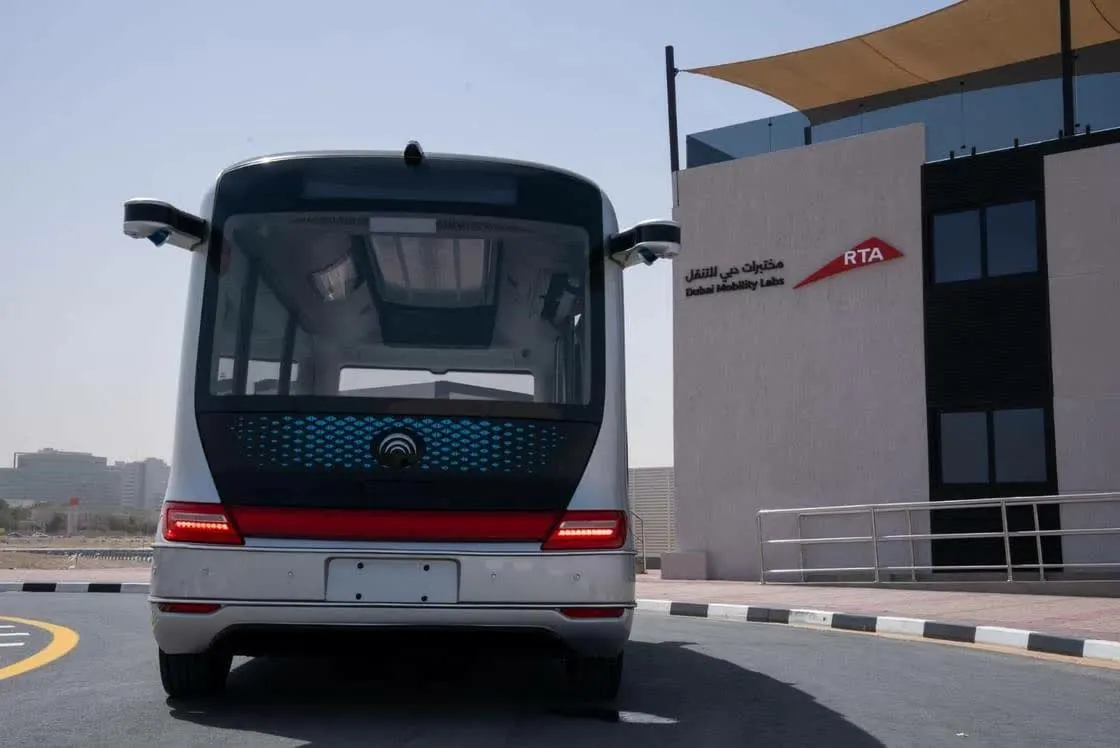
Dubai now has a dedicated place to put self-driving vehicles through their paces before they reach more of the emirate’s roads. The Roads and Transport Authority (RTA) and the Dubai Integrated Economic Zones Authority (DIEZ) have opened Dubai Mobility Labs at Dubai Silicon Oasis, a testing facility built to check how autonomous systems cope with real driving conditions rather than only with carefully managed demonstrations.
The testing programme includes 248 scenarios. Most of them, 195 in total, can be staged in a multipurpose test area on site. The original plan called for 143 of those, with 52 added later in development. The remaining scenarios take place on public roads running from Silicon Oasis towards Al Qudra. The scenarios assess how a vehicle senses its surroundings, how it makes decisions and how it handles unexpected situations. The site also includes workshops, offices and three 60kW electric vehicle chargers.
Moving tests onto public roads is significant. Closed tracks are useful for repeating tests consistently, but they can’t fully recreate unpredictable drivers, changing traffic or the countless edge cases that have troubled autonomous vehicles in other markets. Combining the two gives regulators a clearer picture of how a system performs before approving it for wider use.
The facility is already in use. WeRide, Pony.ai and Tesla have all run trials there, and German inspection company DEKRA will operate the labs for their first three years. Bringing in an established third-party testing firm, rather than leaving assessments entirely to the companies whose vehicles are being tested, gives the certification process more credibility.
The labs support Dubai’s long-standing goal of making 25 per cent of all journeys autonomous by 2030. Note that the target measures journeys, not the share of vehicles on the road. With the deadline a little over three years away, the emirate needs a steady supply of technology that has been tested and certified, and this facility is designed to provide that.
Its opening doesn’t mean driverless cars can now operate anywhere in Dubai, though. The labs are for testing, validation and certification, and no date has been set for a broader commercial rollout. Driverless passenger services are running on a separate track. Uber and Baidu’s Apollo Go already operate robotaxis in selected parts of Dubai, while in Abu Dhabi, Uber and WeRide run fully driverless rides on Yas Island.
The real test for Dubai Mobility Labs will be how quickly vehicles move through its programme and onto public roads, and whether that pace is enough to hit the 2030 target.