
OpenAI is shutting down custom GPTs, the build-your-own chatbots it introduced in late 2023, and moving them to plugins. Custom GPTs are scheduled to retire on 11 December 2026, when both the GPTs and their pages will become inaccessible. Some Enterprise workspaces with an approved deferral get until 11 February 2027, but the change applies to every ChatGPT plan.
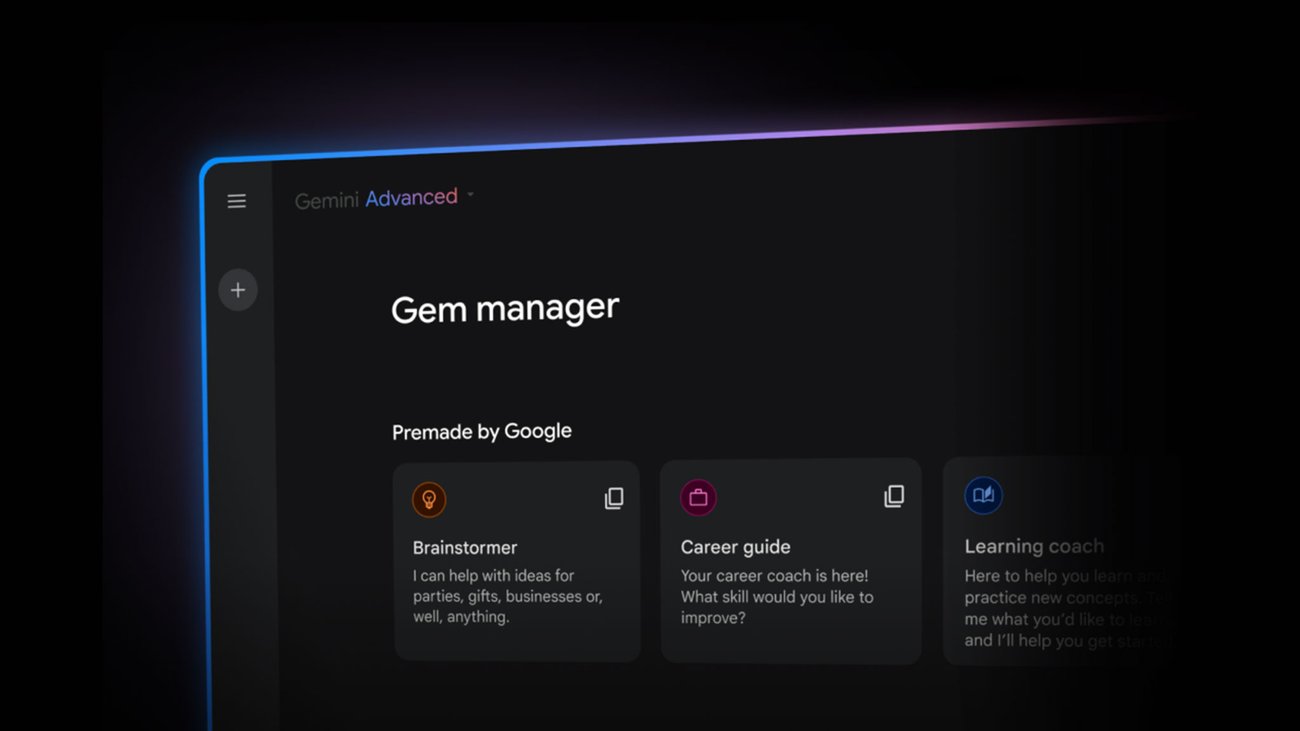
The timing is striking. Google has just confirmed it will start converting Gemini’s Gems into skills on 17 November, and now OpenAI is dismantling the feature Gems were widely seen as responding to. Both companies are moving away from single-purpose custom assistants and toward modular components that can be combined, loaded on demand and connected to outside tools.
In OpenAI’s version, a migrated GPT’s instructions become a skill inside a new plugin, its knowledge files move over as reference material and any connected apps come along. Creators start the process from My GPTs once the option appears on their account, and OpenAI says rollout timing varies between accounts. Only the latest published version transfers, so unfinished drafts are left behind.
The list of things that don’t transfer is where creators should pay closest attention. Custom actions, which let GPTs call external services, are not migrated at all, and rebuilding them may require setting up a custom MCP server. The GPT’s chosen model doesn’t carry over, and neither do past conversations. Sharing settings are also lost. Every migrated plugin starts out private, and making it public again requires a separate submission process. After migration, the original GPT keeps working until the retirement date but becomes read-only, and its creator can’t delete it.
That sharing change is the most important detail for the wider ecosystem. When OpenAI launched the GPT Store in early 2024, it pitched custom GPTs as something people would build for large audiences. Now any creator whose GPT has built up a following will have to rebuild access from scratch, and people who use someone else’s GPT have no way to migrate it themselves. They’ll have to wait for the original creator to publish a replacement, and some creators will simply never bother.
OpenAI admits that migrated plugins may behave differently and recommends testing them against familiar prompts before relying on them. Installed skills can also be triggered automatically when ChatGPT decides they match a request, or called manually with an @ mention.
With creation of new GPTs set to end in Enterprise workspaces in late October, the remaining question is what happens to the GPT Store itself. OpenAI hasn’t said what, if anything, will replace it.