
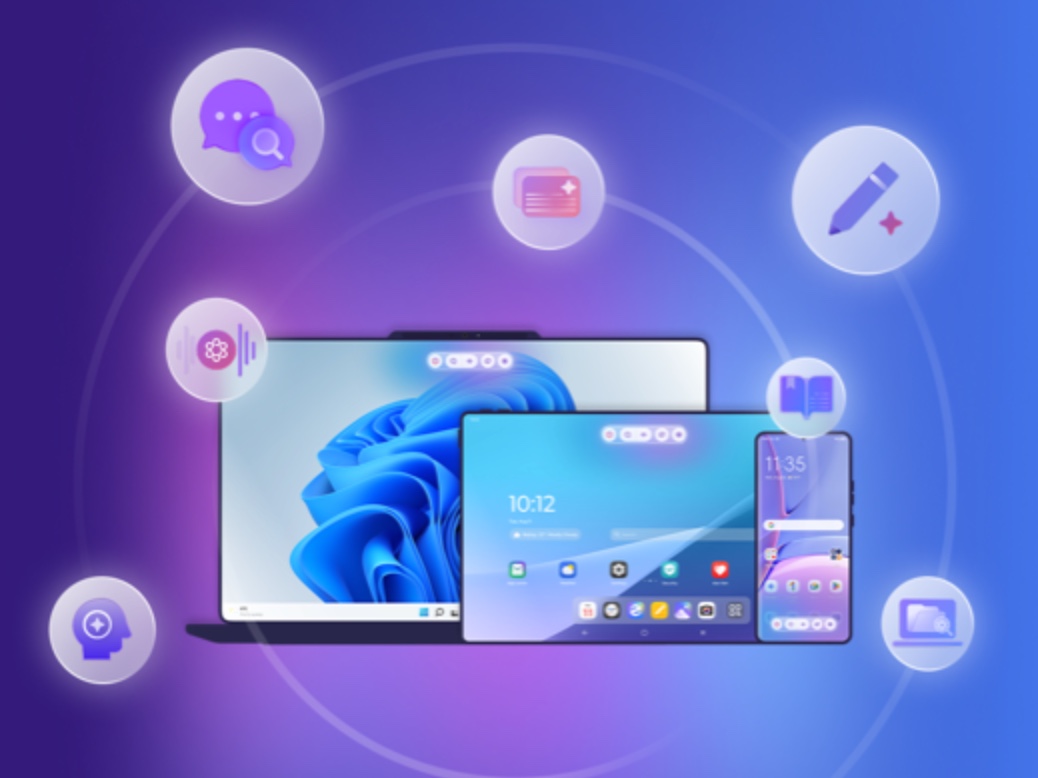
Lenovo is widening the reach of its Qira personal AI platform, pushing the assistant beyond premium PCs and deeper into an ecosystem spanning Motorola smartphones, wearables and everyday productivity apps.
The latest expansion, detailed at Lenovo Innovation World during IFA 2026, brings Lenovo & Motorola Qira to eligible PCs equipped with 16GB of memory, lowering the hardware requirement that previously limited access to higher-memory configurations. Lenovo says Qira has already shipped on millions of devices since its initial rollout in March, including selected ThinkPad, Yoga, Legion and IdeaPad PCs, Lenovo tablets and Motorola Edge smartphones.
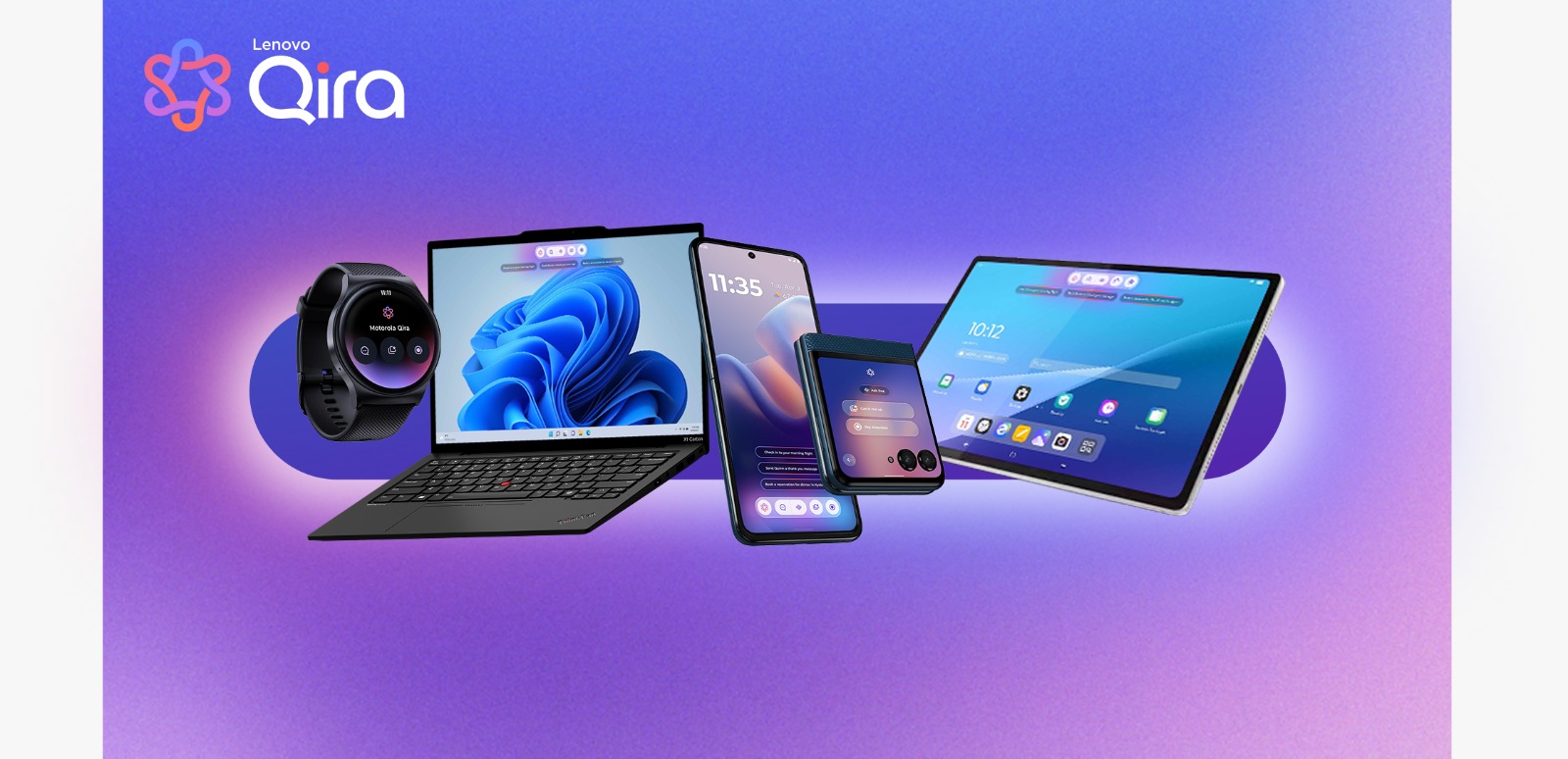
Motorola devices are next in line. Eligible Edge, Signature and Razr models are expected to receive Qira alongside their Android 17 upgrades, although availability will depend on the individual device and market. Phones currently using Moto AI will transition to Motorola Qira as part of that upgrade.
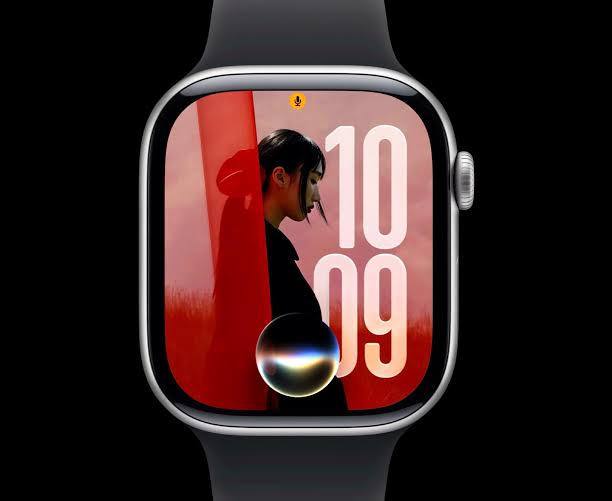
More interestingly, Qira is moving onto the wrist. The Moto Watch Ultra will become the first wearable to support Motorola Qira, allowing users to raise their wrist or use the “Hey Qira” command to ask questions and retrieve information from the assistant’s cross-device knowledge.
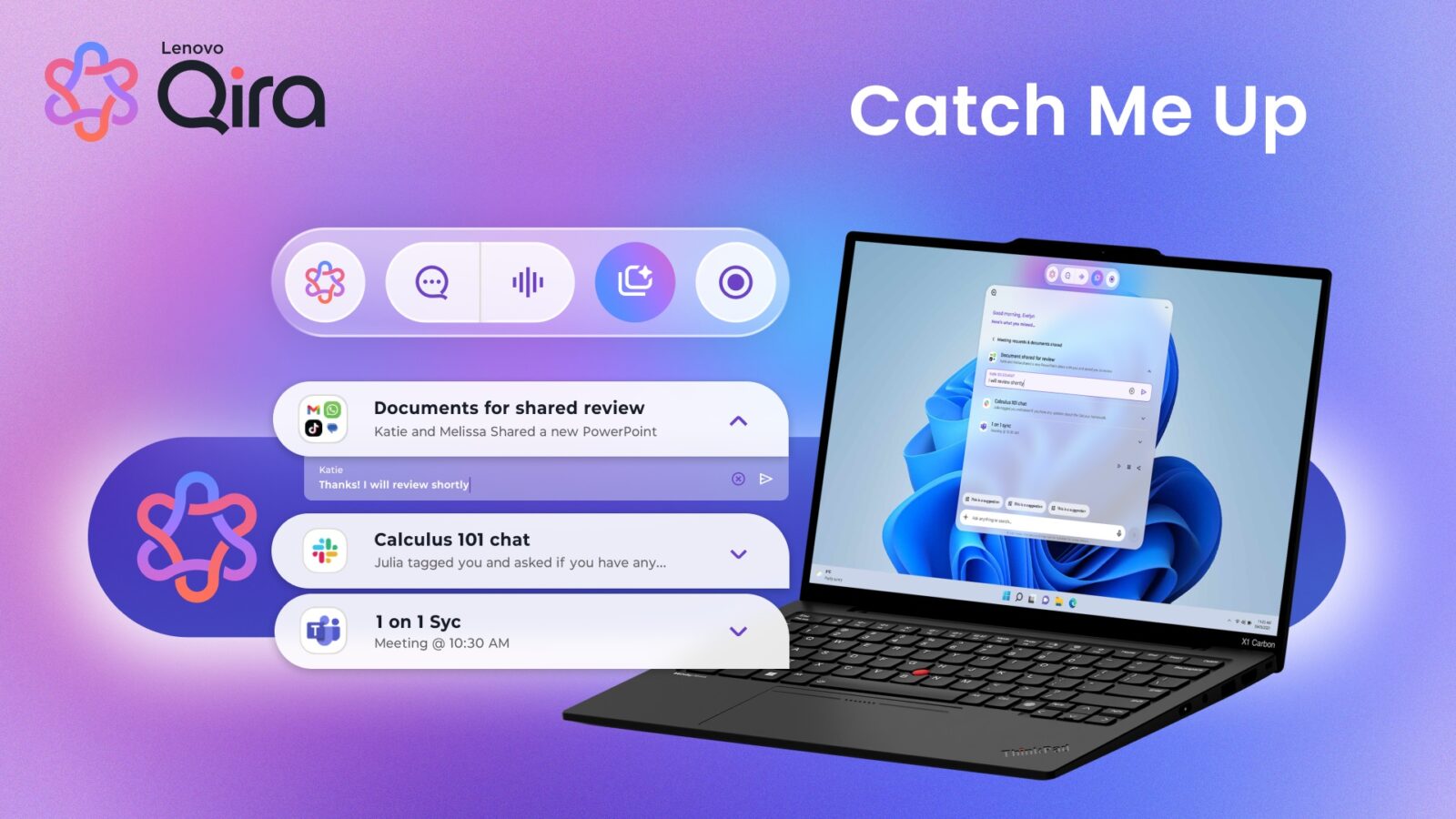
That cross-device approach is central to Lenovo’s pitch. Rather than building another isolated chatbot for each product, Qira is intended to maintain context as users move between PCs, smartphones, tablets and now watches. Features such as Catch Me Up can condense notifications and other information, reducing the need to manually check multiple devices.
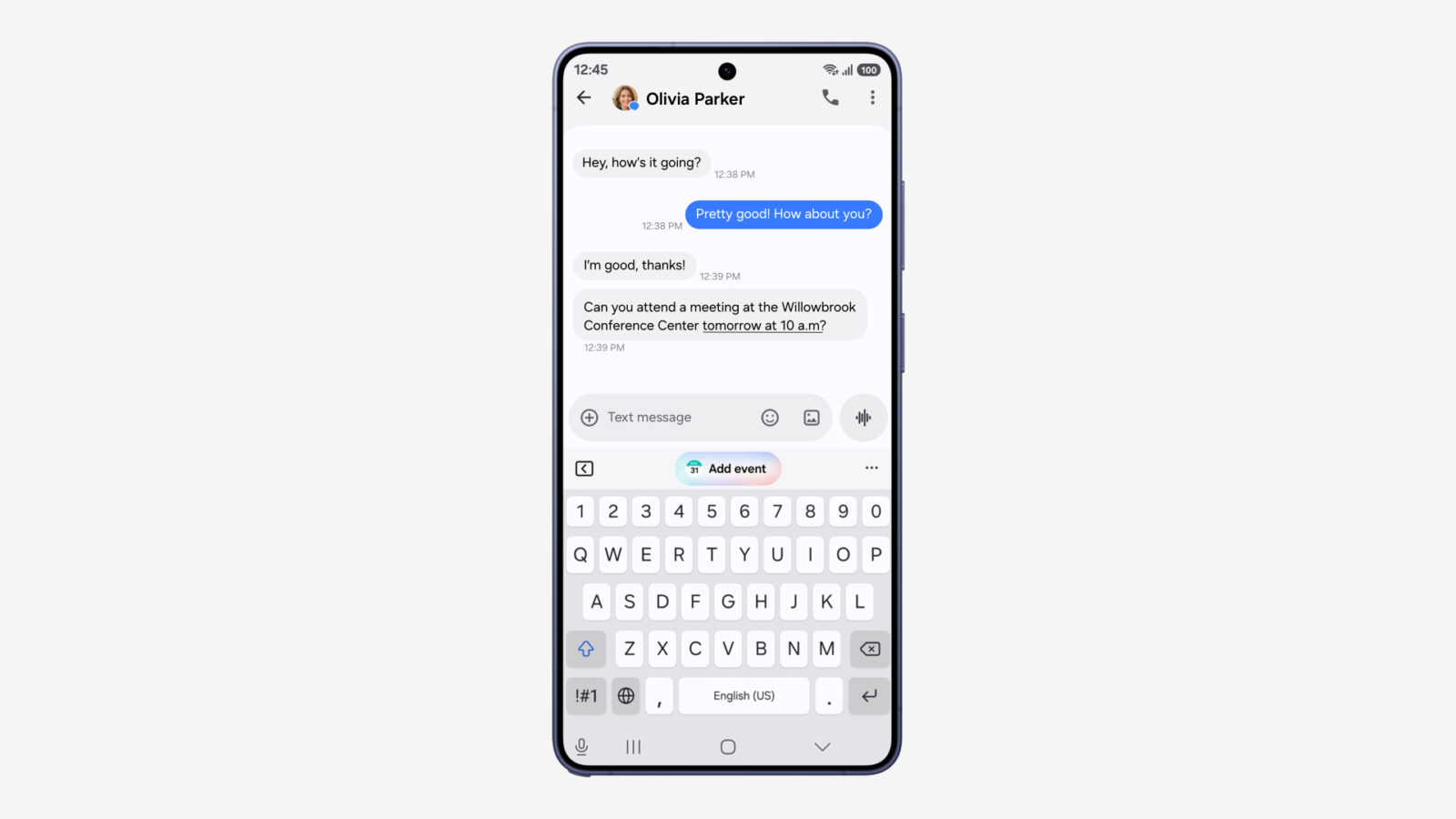
The bigger development, however, may be Qira’s growing ability to interact with software outside Lenovo’s ecosystem. Through a collaboration with Workato, Qira will connect with supported services including Gmail, Google Calendar, Google Contacts, Slack, Outlook Mail and Outlook Calendar. Users will be able to make natural-language requests and perform supported actions without manually moving between those apps.
Lenovo is also adding Notion connectivity, allowing users to retrieve and edit project information through Qira, while an expanded Perplexity integration will support deeper research and visual references.
It reflects the broader shift in consumer AI from assistants that simply answer questions towards agents expected to understand context and perform actions across services. The difficult part is making those connections genuinely useful without creating new privacy, permission and reliability concerns.
Lenovo says permissions and user control remain part of the design, but many features will depend on accounts, connectivity, compatible software and regional availability. With Qira expanding to more device categories before the end of 2026, its success will increasingly depend less on where the AI appears and more on whether its cross-device intelligence actually saves users time.