
HP is expanding its premium AI PC lineup with two new OmniBook laptops built around NVIDIA’s RTX Spark platform, betting that creators and developers will increasingly want to run demanding AI workloads locally rather than relying entirely on cloud services.
The HP OmniBook Ultra 16 and OmniBook X 14 are both headed to market this fall, following an initial preview at Computex in June. HP also offered another glimpse at its upcoming OmniDesk desktop, although specifications, pricing and a firm release date for that system remain under wraps.
The OmniBook Ultra 16 is clearly the heavyweight of the pair. HP is positioning the 16-inch machine for developers, creators and other users experimenting with local AI models and agent-based applications. Configurations will offer up to 128GB of unified memory and as much as 1 petaflop of FP4 AI performance, potentially giving users enough headroom to work with substantially larger open-source and open-weight models directly on the PC.
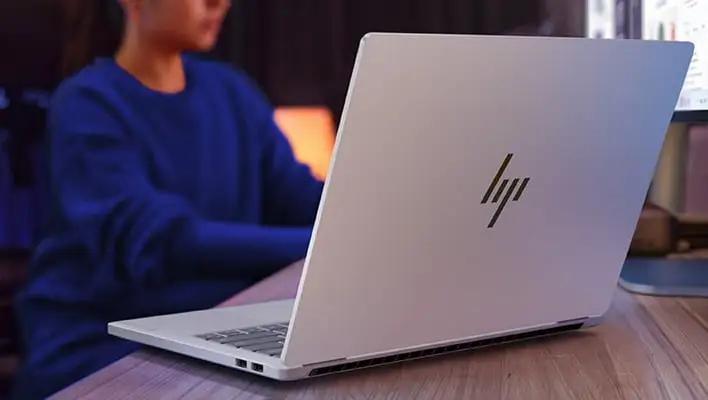
Keeping that hardware cool inside a relatively thin laptop could prove just as important as peak performance. HP has developed what it calls its first consumer “tower hinge and trunk” thermal architecture, combining larger heat pipes with two slim fans to improve airflow during sustained workloads. How well that design handles extended AI processing will be one of the more interesting aspects to test once the hardware ships.
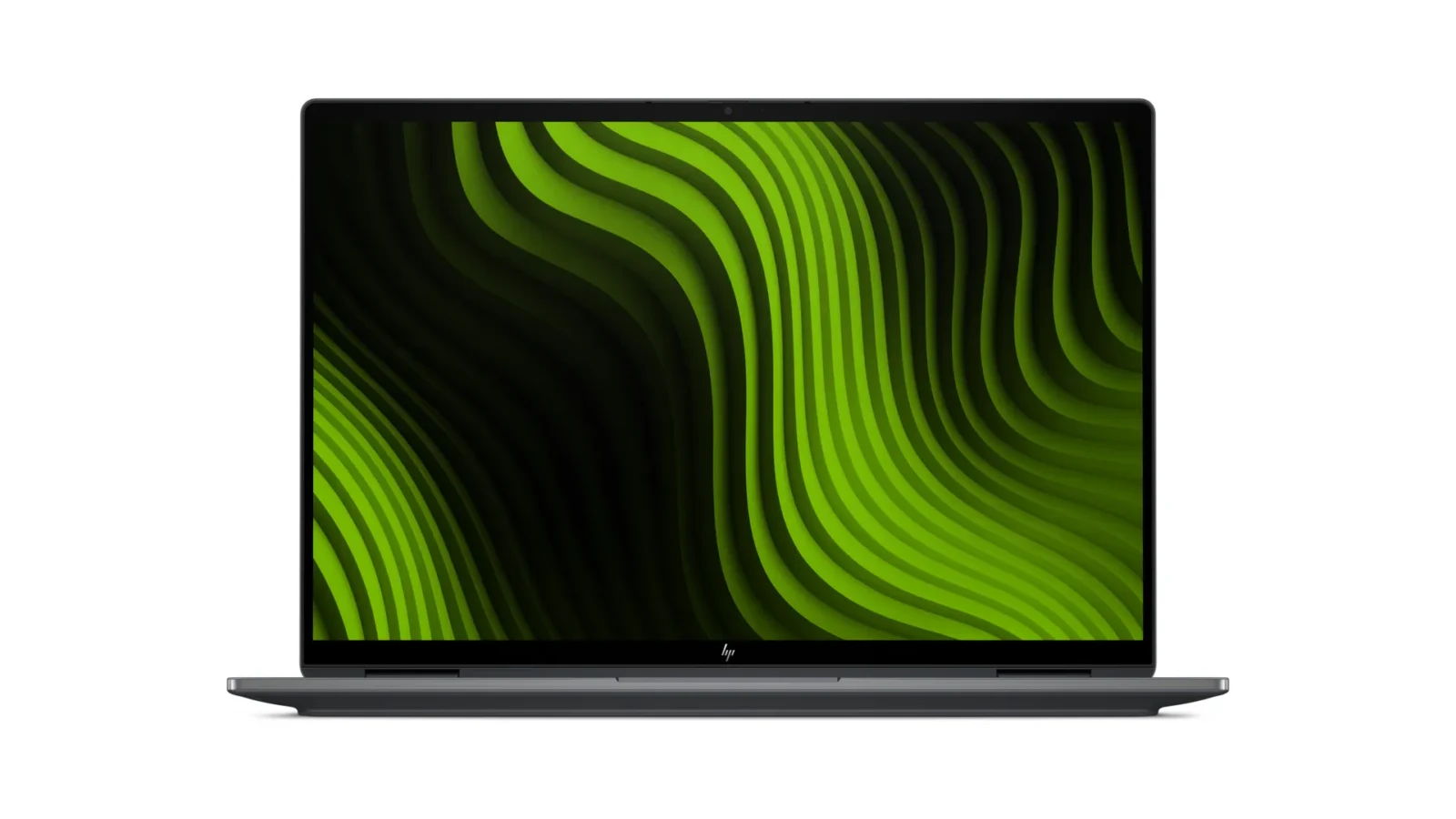
The Ultra 16 also gets a 16-inch 3K OLED display with VESA DisplayHDR True Black 1000 certification, alongside a quad-speaker setup. A 99Wh battery is rated by HP for up to 17 hours, while fast charging is claimed to restore around 50 percent capacity in roughly 30 minutes. As usual, real-world endurance will depend heavily on workload, particularly when the GPU and local AI features are being pushed.
HP’s OmniBook X 14 takes the same RTX Spark concept in a more portable direction. It targets users who want local AI, RTX graphics and creative tools without carrying a 16-inch system. HP is again using a rear-focused thermal system with heat pipes and optimized airflow, while an OLED panel with DisplayHDR True Black 1000 certification handles display duties.
Battery life for the 14-inch model is quoted at up to 15 hours, with a 140W USB-C GaN adapter supporting a claimed 50 percent recharge in about half an hour.
Both laptops are part of a broader shift in the Windows PC market. AI PCs initially arrived with a heavy focus on NPUs and features such as background effects, transcription and assistant tools. More capable local models and AI agents are now raising the hardware requirements, making memory capacity, GPU acceleration and sustained thermal performance increasingly important.
The OmniDesk pushes that idea onto the desktop, where fewer power and thermal constraints could make long-running local agents more practical. HP says it is being designed for persistent AI tasks, but has not yet revealed enough hardware details to judge its capabilities.
The OmniBook Ultra 16 will be sold through HP and Best Buy this fall, while the OmniBook X 14 will arrive through HP and other retailers. HP has yet to announce pricing for either laptop or the OmniDesk, leaving one crucial question unanswered: how much of a premium consumers will have to pay to put RTX Spark AI performance on their own desks.