
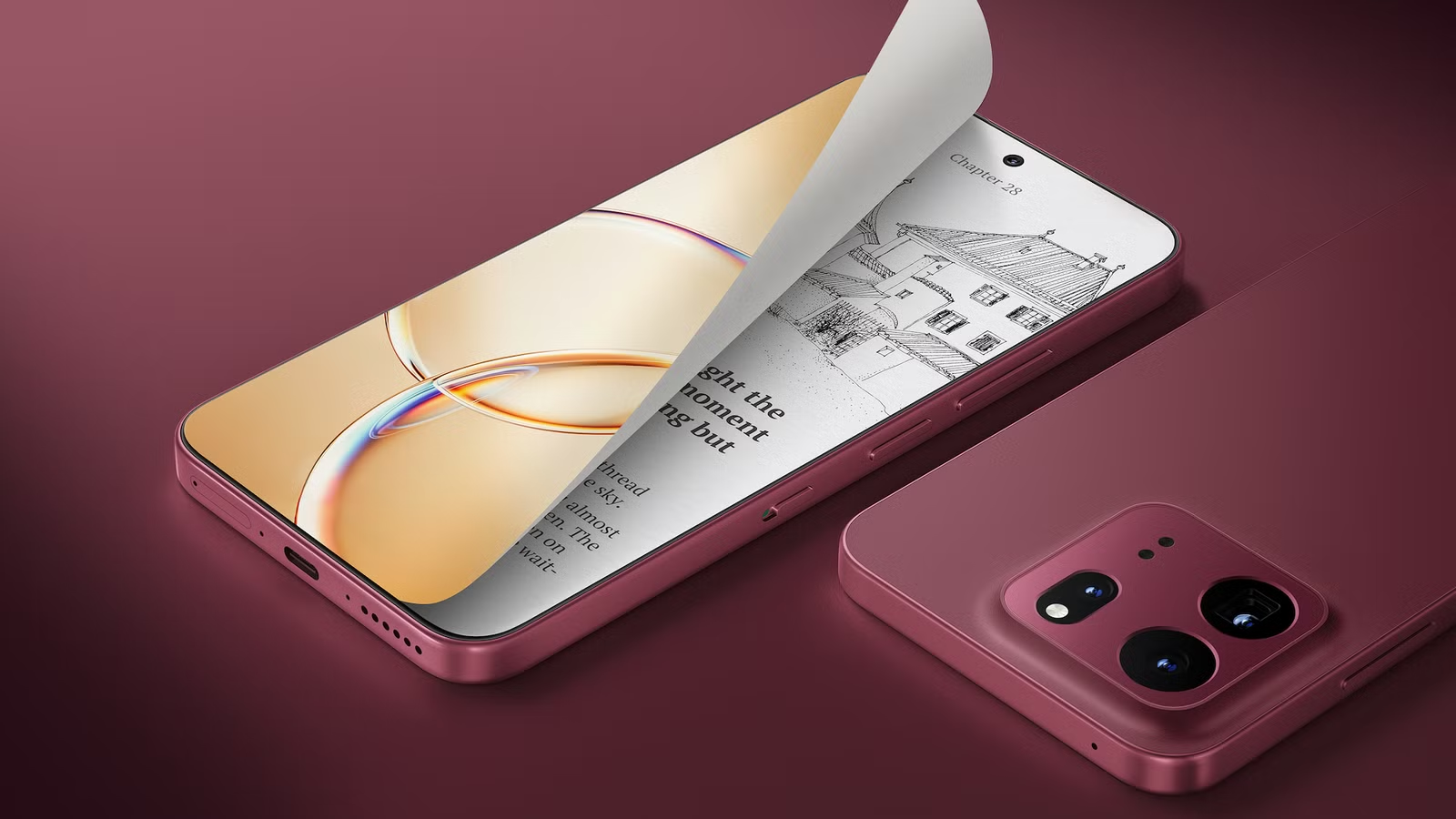
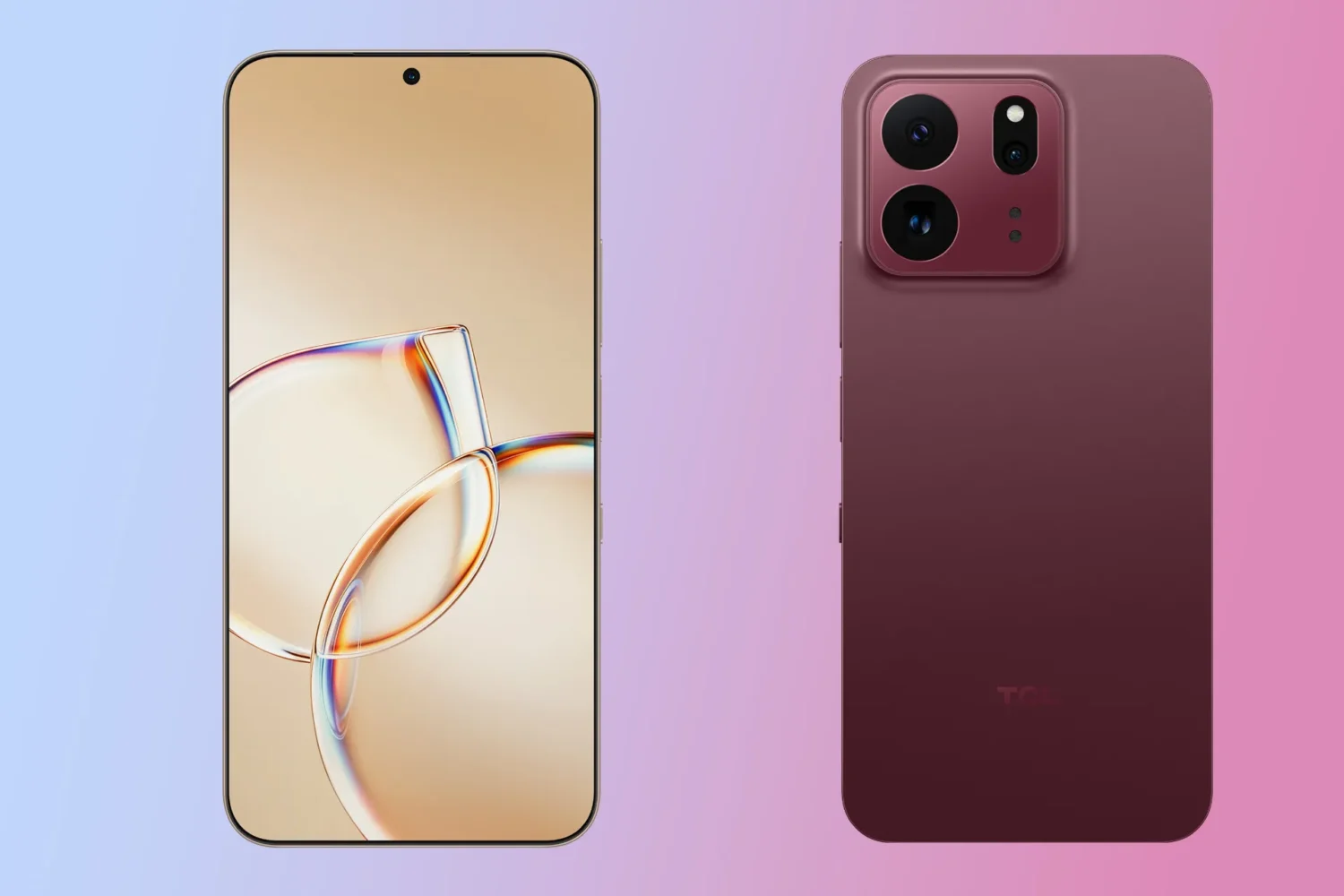
TCL is finally putting its newest Nxtpaper display technology into phones people can actually buy. After demonstrating an AMOLED version of Nxtpaper on concept hardware earlier this year, the company has introduced the P80 Ultra and P80 Pro, two midrange smartphones built around 6.83-inch paper-like displays.
The P80 Ultra sits at the top of the pair and starts at £480 in the UK, roughly $650 based on a direct currency conversion. That price immediately establishes where TCL is competing: this is not intended to challenge the most expensive flagship phones on raw specifications, but to offer something visually distinctive in an increasingly crowded midrange market.
Its main attraction is the latest Nxtpaper screen. TCL’s approach combines an AMOLED panel with the matte, low-reflection characteristics associated with its existing Nxtpaper technology. The aim is to retain the colour, contrast and responsiveness expected from a conventional smartphone while making the screen more comfortable to view and easier to read under challenging lighting.
That is an interesting middle ground. Traditional glossy OLED displays can look spectacular but reflections are an unavoidable annoyance, while E Ink screens prioritise readability and efficiency at the expense of the fluidity and rich colour expected from a modern smartphone. TCL is effectively trying to borrow desirable characteristics from both without turning the P80 series into a specialised e-reader phone.
Beyond the display, the P80 Ultra is more conventional. It runs on MediaTek’s Dimensity 7400 Elite processor with 8GB of RAM and up to 512GB of storage. Photography is handled by a 50-megapixel main camera alongside a 50-megapixel telephoto camera offering 3x zoom.
Those specifications are unlikely to worry premium devices such as Samsung’s Galaxy S26 Ultra, but that is also not the price bracket TCL is targeting. The company appears to be betting that display quality and usability can become a stronger purchasing reason than chasing flagship-level processors and increasingly elaborate camera arrays.
The P80 Pro lowers the entry price to £430 while keeping the same 6.83-inch Nxtpaper display. The compromises come elsewhere, including a reduced camera setup and MediaTek’s lower-tier Dimensity 7300 chipset. That £50 difference could make the Pro particularly interesting if the screen is the primary reason to consider either device.
Both models are expected to become available globally through Amazon later in September, although specific regional pricing beyond the UK has not been detailed.
TCL has been developing Nxtpaper as a differentiator across its mobile hardware, and moving the technology onto AMOLED could make the concept more appealing to mainstream smartphone buyers. Plenty will depend on factors not established by a specification sheet — outdoor visibility, colour accuracy, battery consumption and how that matte finish feels after months of use among them.
In a market where midrange Android phones increasingly resemble one another, though, TCL has at least found something more interesting to compete on than another megapixel count.