
TL;DR: Resonance boldly trades A Plague Tale’s familiar rats and stealth for Sophia, swords and ancient horror. Its mystery, environments, puzzles and later tension impress, but shallow melee combat and underdeveloped characters keep this prequel from matching its predecessors.
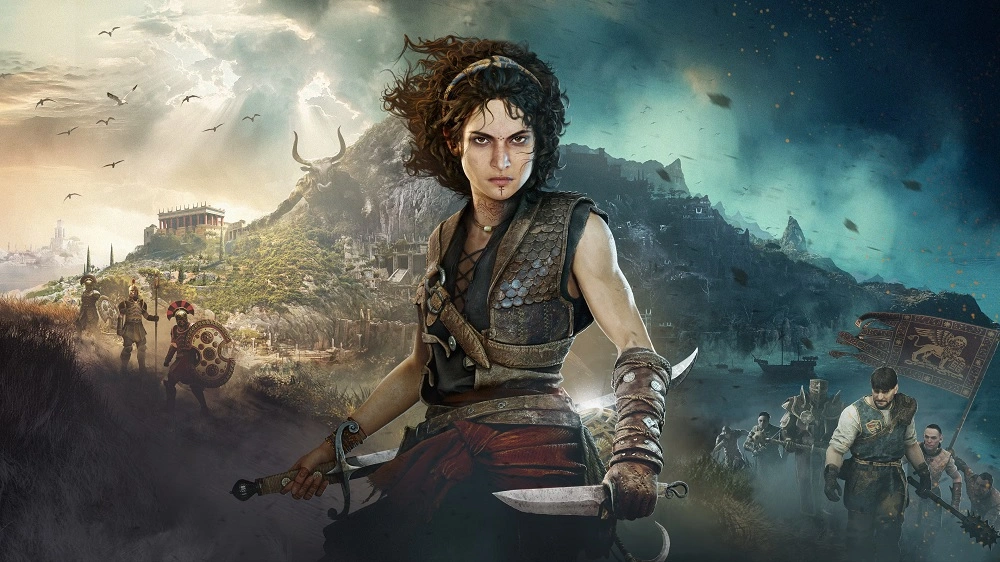
There is something immediately intriguing about an A Plague Tale game willing to abandon one of the series’ most recognisable weapons of psychological warfare: an obscene number of hungry rats. Resonance: A Plague Tale Legacy does exactly that, shifting attention away from Amicia and Hugo and handing the spotlight to Sophia, the treasure-hunting pirate introduced in A Plague Tale: Requiem. It is a bold move for a series whose identity has been so closely tied to vulnerability, stealth and the deeply personal relationship between its previous protagonists.
That willingness to experiment is both Resonance’s greatest strength and its biggest problem. Asobo Studio pushes the formula toward melee combat, archaeological mystery and a different flavour of horror, while retaining the cinematic third-person exploration and puzzle-solving foundations of its predecessors. Some of those ideas eventually produce genuinely tense moments. Others make it painfully clear that removing a series staple is much easier than finding something equally compelling to replace it with.
What I found is an adventure with flashes of the atmosphere and tension that made A Plague Tale special, but one that spends too much of its roughly 12-hour campaign relying on systems that simply aren’t deep enough to carry the extra weight.
Sophia gets the spotlight, but the past steals the show
Resonance functions as a prequel, digging into Sophia’s history long before the events of Requiem. What initially resembles a treasure hunt gradually expands into something much darker, connecting Sophia’s journey with an ancient civilisation and a threat considerably larger than the riches she is chasing. It is a sensible direction for a character already associated with piracy and adventure, while giving Asobo room to explore another corner of the Plague Tale universe without simply repeating Amicia and Hugo’s story.
The strange part is that Sophia herself never becomes as compelling as the history surrounding her. Resonance gives her more context and naturally makes her easier to understand than she was as a supporting character, but the personal development never feels proportional to everything happening around her. She goes through plenty, yet her characterisation remains surprisingly static. For a story throwing this much darkness at its protagonist, I wanted those experiences to leave a stronger mark.
The supporting cast struggles with a similar problem. Leni’s fixation on luck gives her an identifiable personality hook, while pirate captain Faro provides some comic relief, but neither develops into the kind of companion whose presence substantially elevates the journey. They fulfil their roles without building the emotional gravity that defined earlier Plague Tale relationships.
Oddly enough, Resonance becomes considerably more interesting whenever it looks further into the past. Flashbacks gradually expose the civilisation underpinning the central mystery, and those sequences bring stronger characters, dialogue and revelations into the equation. I became more invested in understanding what happened centuries ago than in Sophia’s immediate treasure hunt, which is both a compliment to the world-building and an awkward problem for a game ostensibly about Sophia.
Trading vulnerability for a sword changes everything
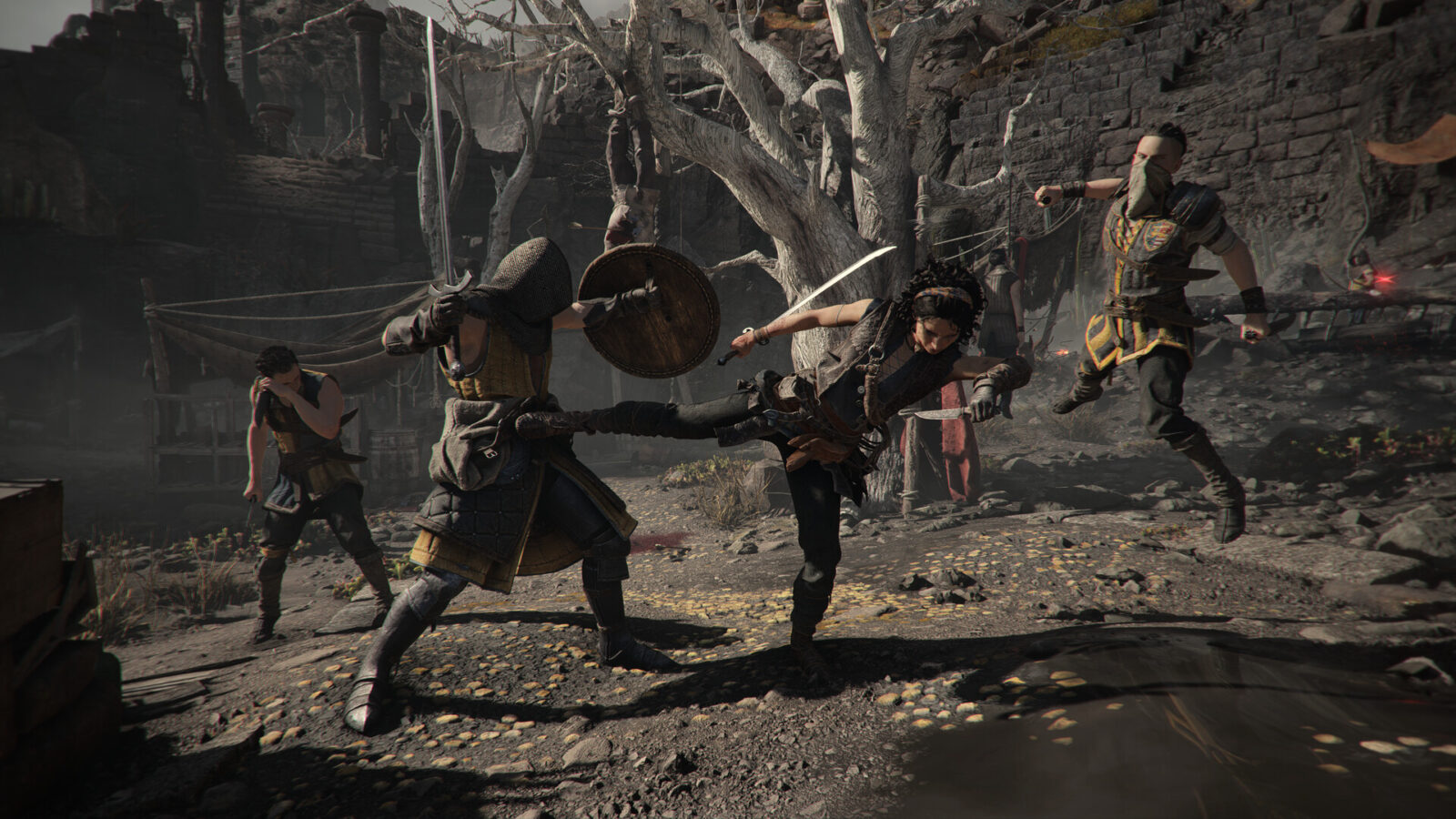
The most dramatic mechanical change is combat. Previous Plague Tale games made vulnerability fundamental to their identity; confronting heavily armed opponents directly was rarely the sensible solution. Resonance puts a sword in Sophia’s hand and asks her to stand her ground.
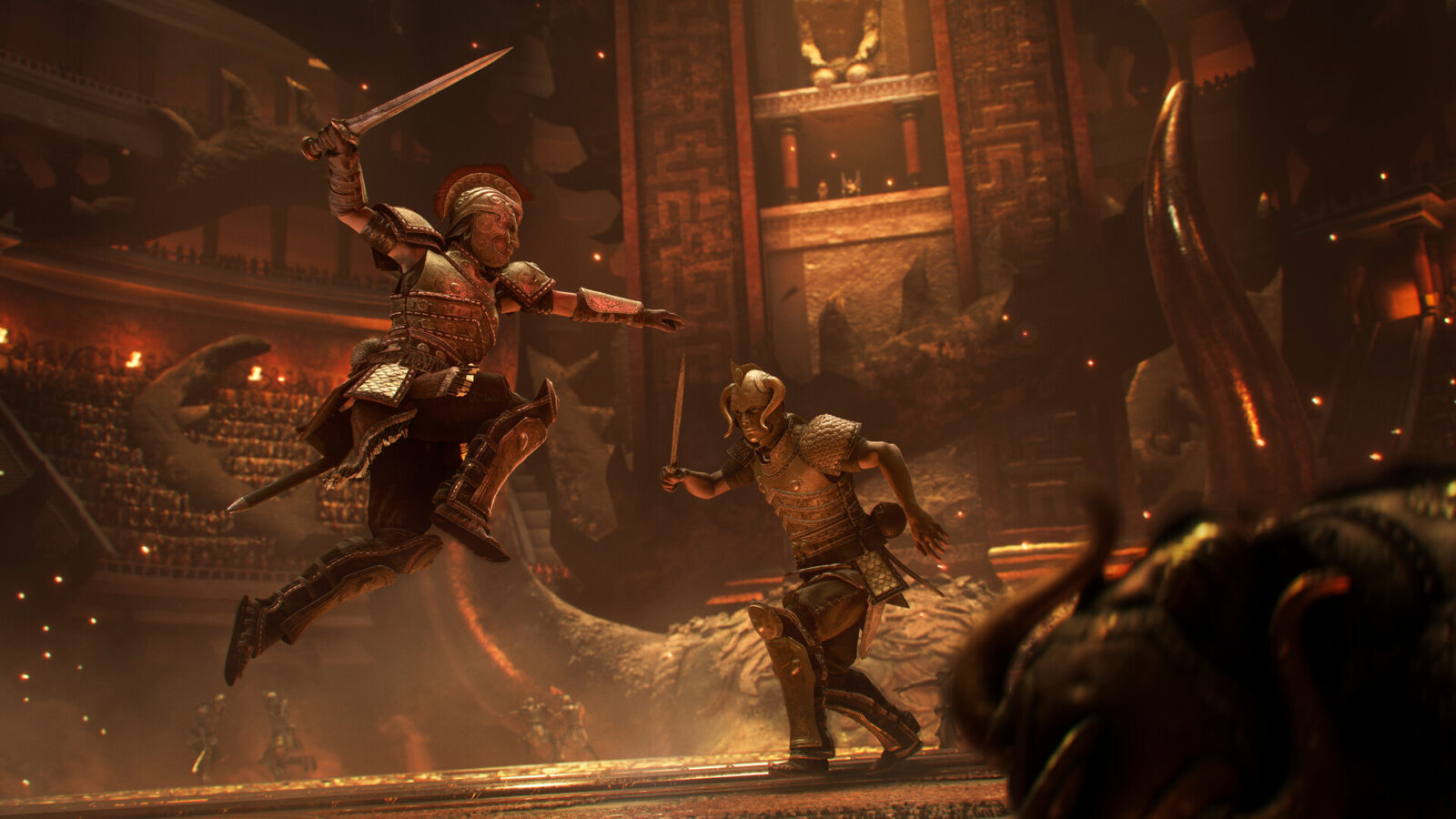
The fundamentals are straightforward. Sophia can use light and heavy attacks, dodge, parry and kick enemies to break their guard. There is nothing inherently wrong with this system, and having a protagonist who can confidently fight fits Sophia better than simply transplanting Amicia’s mechanics onto her. The problem is depth.
Enemy behaviour and attack patterns do not provide enough variety to keep repeated battles interesting, while the combat toolkit remains too limited to generate much experimentation. Encounters therefore become predictable much sooner than they should. Rather than making me wonder how I was going to survive the next confrontation, combat increasingly became something I wanted to clear so I could reach the next puzzle or story beat.
Progression does little to transform that equation. The skill tree includes perks such as improving Sophia’s kick or providing temporary damage protection after a kill, but these feel more like efficiency upgrades than meaningful additions to her fighting style. More frustratingly, certain upgrades can neutralise wrinkles introduced to make battles more demanding. Attacks initially designed to prevent parrying, for example, can eventually become parryable through progression. When a combat system already needs additional layers, allowing upgrades to sand those layers back down is a strange choice.
The result is a fundamental identity problem. Resonance wants Sophia to feel capable in direct combat, but the mechanics supporting that fantasy never become sophisticated enough to replace the tension created by helplessness in earlier entries. Being more powerful should create new possibilities. Here, it too often just makes encounters more conventional.
Resonance is much better when it asks you to think
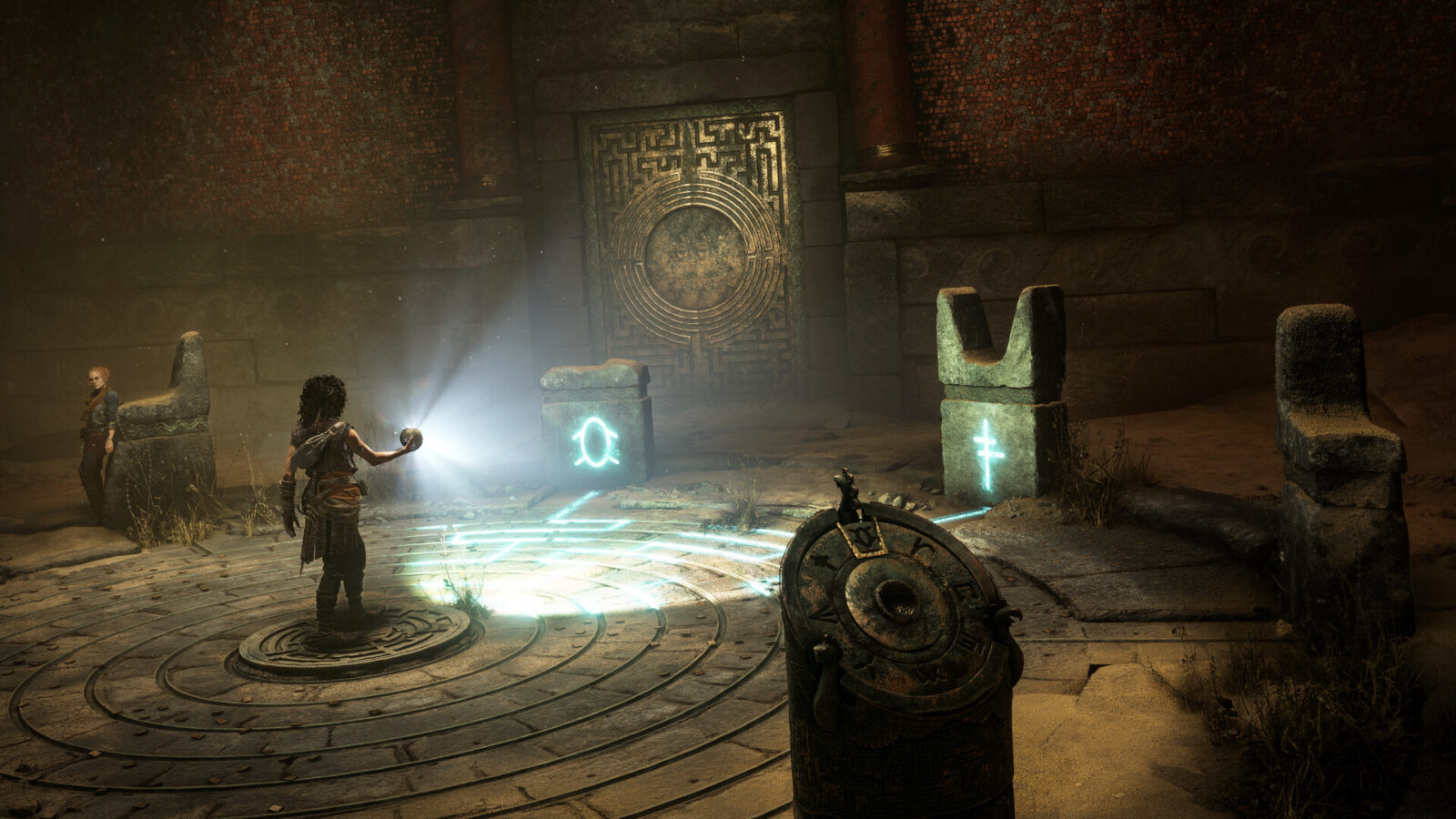
Puzzles provide a far more enjoyable rhythm. Light manipulation plays a major role, with Sophia repositioning mirrors and redirecting beams to unlock paths through ancient environments. The concepts are familiar and rarely demanding, but they fit naturally with the archaeological side of the adventure.
There is pleasure in examining these spaces, consulting clues and working through environmental problems without someone immediately solving them for you. Resonance does have the increasingly irritating modern adventure-game habit of letting companions volunteer puzzle answers suspiciously quickly, but crucially, the assistance can be disabled. Turning it off gives the environments more room to function as actual puzzles rather than elaborate corridors waiting for an NPC to reveal the punchline.
Even then, the puzzle design can feel conservative. Redirecting light toward a target is hardly unexplored territory in videogames, and Resonance does not consistently find enough clever variations on the concept. Earlier Plague Tale puzzles benefited enormously from having their mechanics tied to the threat surrounding the player; solving the environment and surviving it were often inseparable.
Resonance eventually remembers that lesson, and that is when the adventure noticeably improves.
When the horror returns, so does A Plague Tale’s identity
Without spoiling the specifics, later sections introduce a danger that Sophia cannot simply carve apart with her sword. Suddenly, light is more than an environmental key. Survival again requires understanding the threat, manipulating your surroundings and finding ways past something that cannot be defeated through ordinary combat.
This changes the atmosphere immediately. Familiar light-manipulation mechanics become much more exciting once failure carries an immediate threat rather than merely leaving a door closed. The puzzle and horror systems finally begin reinforcing each other, and Resonance recaptures that wonderful sensation of being intelligent enough to survive but never powerful enough to relax.
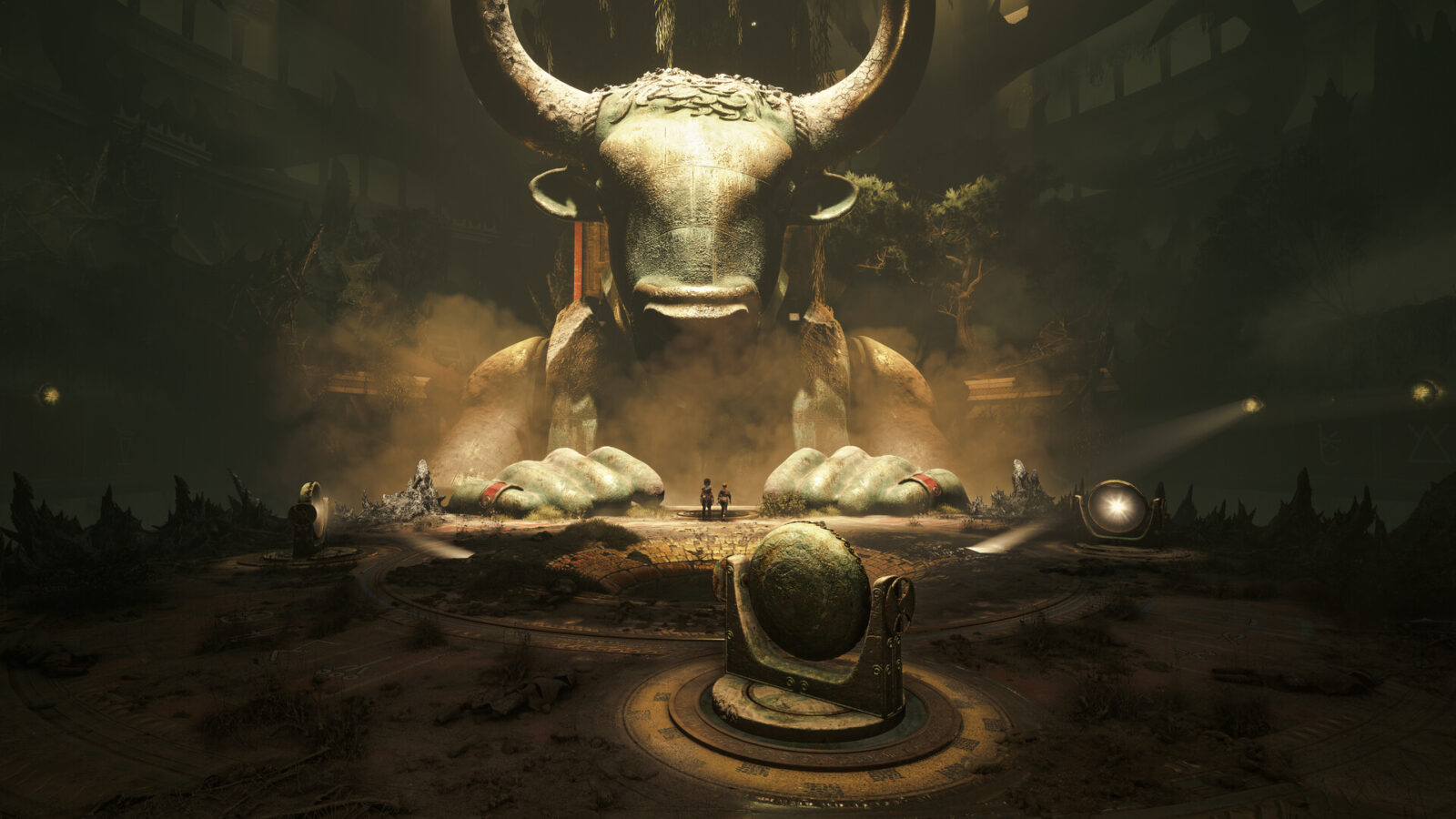
These encounters also prove that A Plague Tale never specifically needed rats to work. What it needed was vulnerability. The series thrives when the player faces something horrifying under rules that must be learned and exploited rather than overcome through brute force. Resonance finds another way to create that relationship, and its strongest later sequences suggest there was considerably more potential in this direction.
Unfortunately, conventional combat never disappears entirely, meaning the adventure continues bouncing between its strongest ideas and its weakest mechanic. I found myself wishing Asobo had leaned harder into the new horror rather than allowing sword fights to occupy so much of the experience.
Beautiful ruins deserve better company
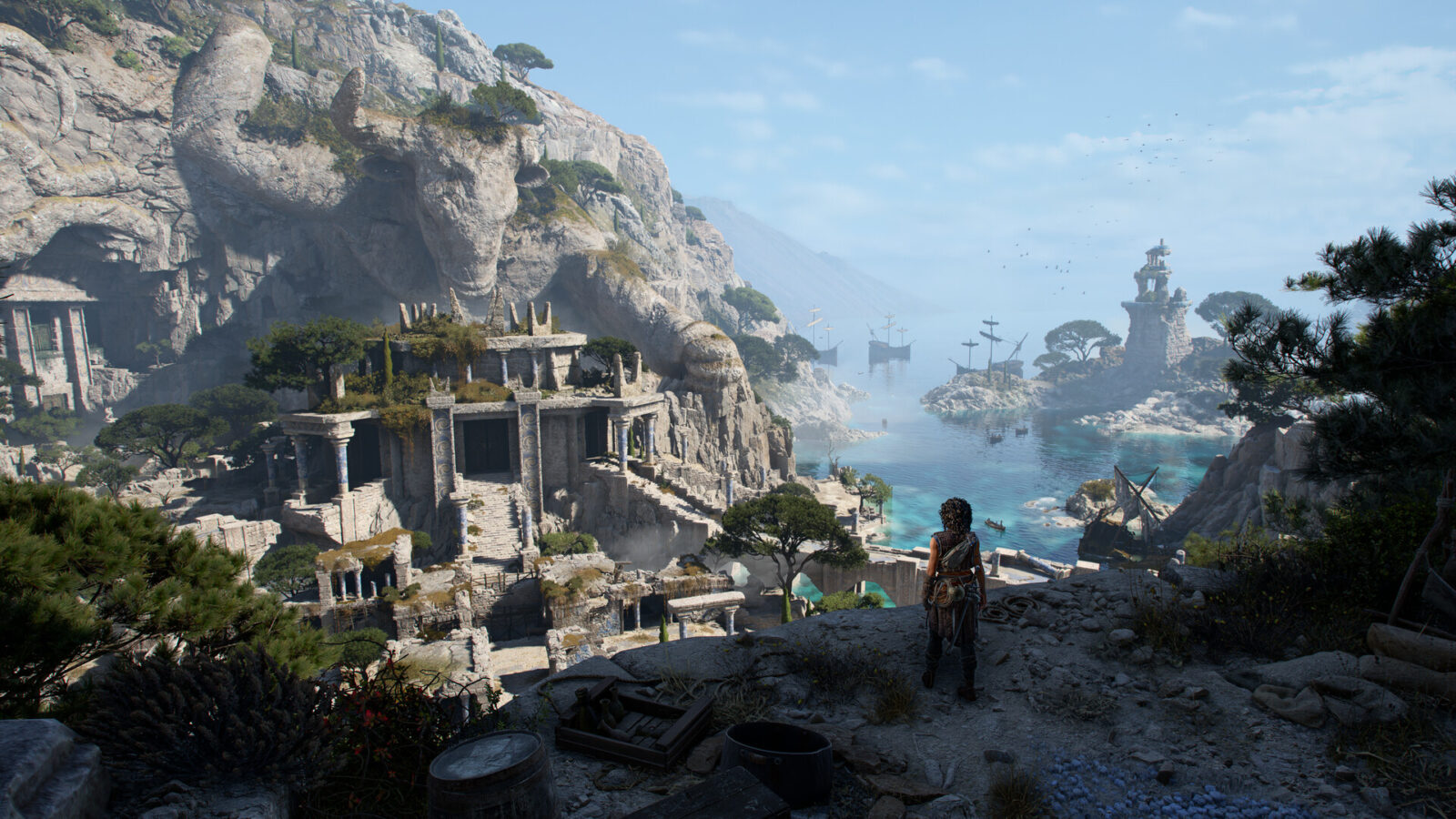
One area where Resonance comfortably maintains the series’ standards is environmental presentation. Its ancient spaces and ruined locations give the adventure a strong sense of place, and exploration benefits from environments that actually make you want to stop and inspect them rather than sprint toward the next objective marker.
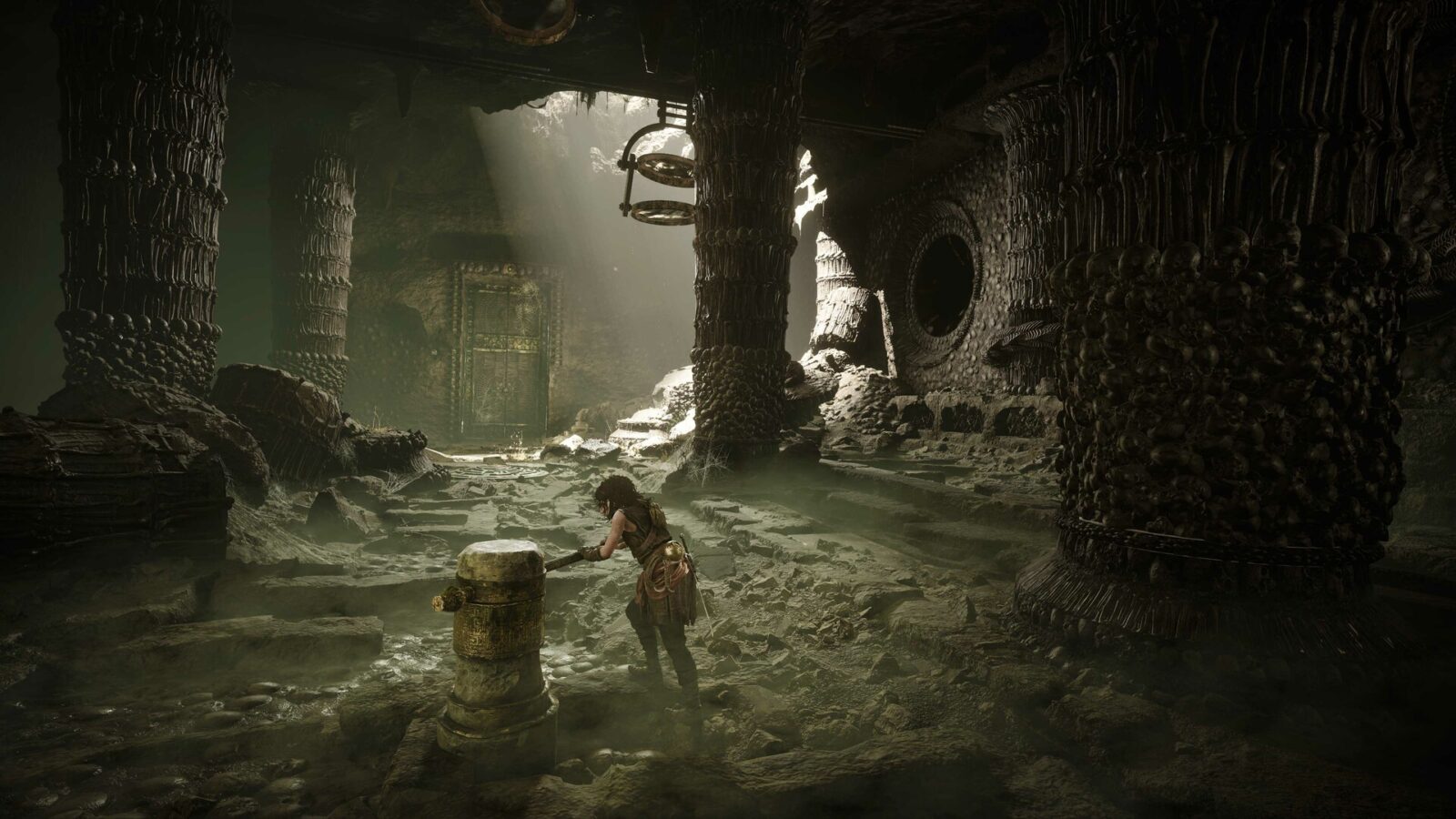
That visual craftsmanship matters because so much of Resonance is built around uncovering traces of something long gone. The ruins are not simply pretty scenery wrapped around combat arenas; they help sell the mystery that gradually becomes the most interesting part of the narrative. Combined with the historical revelations and environmental puzzles, they provide the game with an identity distinct from Amicia and Hugo’s journeys.
It makes the uneven character work even more noticeable. Resonance constructs a world I wanted to understand, then populates Sophia’s immediate adventure with relationships that rarely command the same attention. When centuries-old history consistently feels more alive than the people standing beside you, something has gone slightly sideways.
Verdict
Resonance: A Plague Tale Legacy deserves credit for refusing to simply manufacture another variation of Innocence or Requiem. Sophia is a logical protagonist for a prequel, the ancient mystery provides some genuinely interesting world-building, the environments remain gorgeous, and the later horror sequences demonstrate that A Plague Tale can absolutely terrify players without unleashing another furry apocalypse.
But its biggest gamble — shifting much of the experience toward direct melee combat — never fully pays off. Sword fighting is functional yet shallow, enemy encounters become repetitive too quickly, and the skill tree does little to create meaningful mechanical evolution. Sophia also receives less character development than her starring role demands, while her supporting cast struggles to replace the emotional chemistry at the heart of the previous games.
The frustrating thing is that Resonance occasionally discovers a much stronger version of itself. When puzzles, light and an overwhelming threat finally converge, the tension snaps back into place and the series’ distinctive personality resurfaces. Those sequences, alongside the ancient storyline and beautiful environments, make Sophia’s adventure worthwhile for committed A Plague Tale fans. They just cannot completely compensate for a campaign that spends too much time fighting with a combat system less interesting than the vulnerability it replaced.