
Nothing is preparing a major software refresh for its smartphones with Nothing OS 5.0, an Android 17-based update that puts more emphasis on personalization, tighter control of the company’s Glyph hardware, and a broader set of AI-powered tools. The open beta begins August 26 on the Nothing Phone 3, with a wider rollout planned across most of the company’s recent devices.
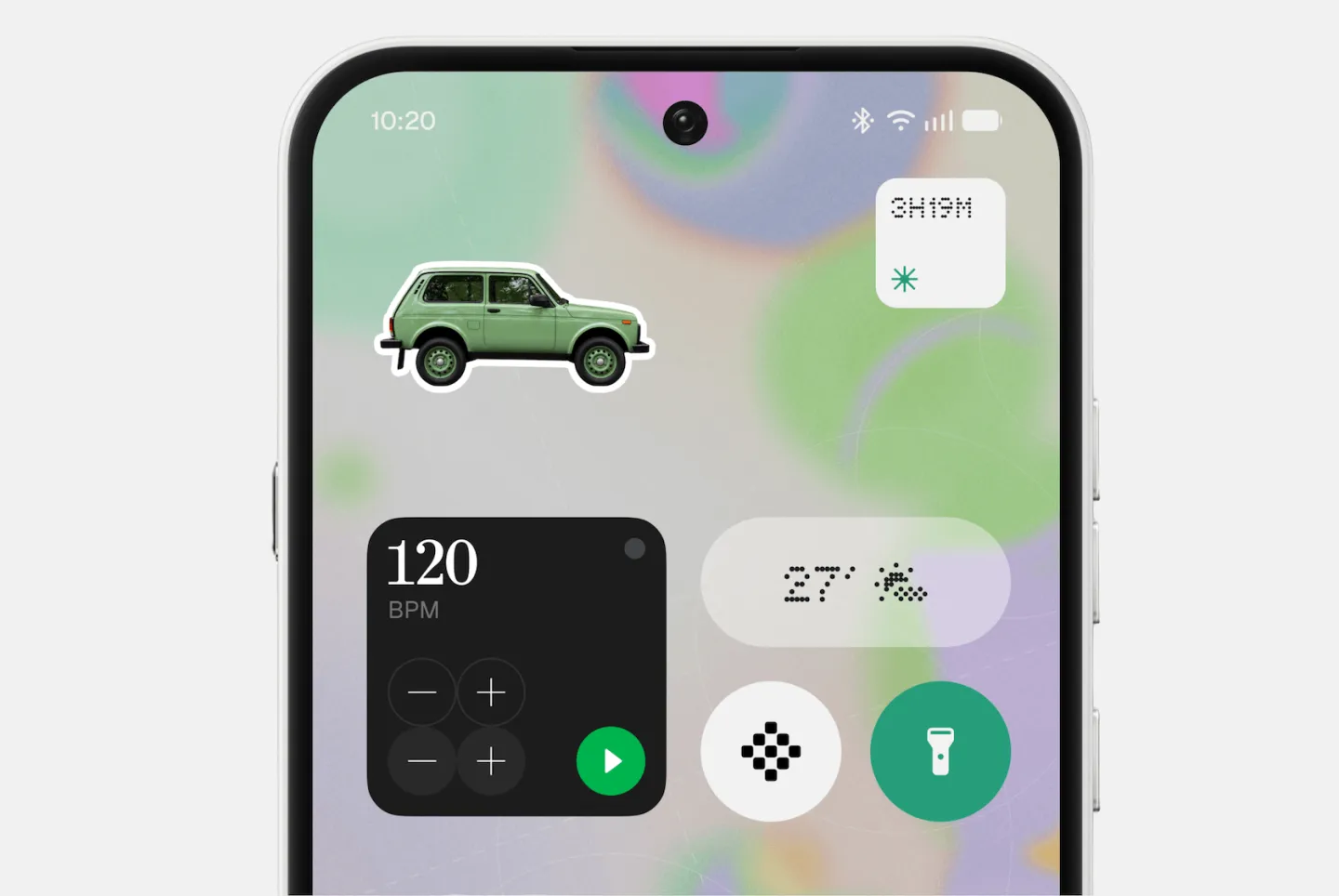
The most visible change is a more flexible approach to Nothing’s famously monochrome interface. App icons, widgets and lockscreen elements can now draw adaptive colors from the user’s wallpaper, updating automatically when the background changes. Nothing is treating the feature as an optional theme rather than a replacement for its existing black-and-white aesthetic, which makes sense for a brand that has built much of its visual identity around minimalism.
Homescreen customization is also becoming less restrictive. Users will be able to select and move multiple app icons at once, while new widgets include Away Time, which tracks how long the phone has been left unused, and Collector, which can turn photos of objects into icons for the home or lock screen. Nothing has also added new lockscreen clock styles, including “Gooey” and “Micrographics,” alongside wallpaper-based color support.
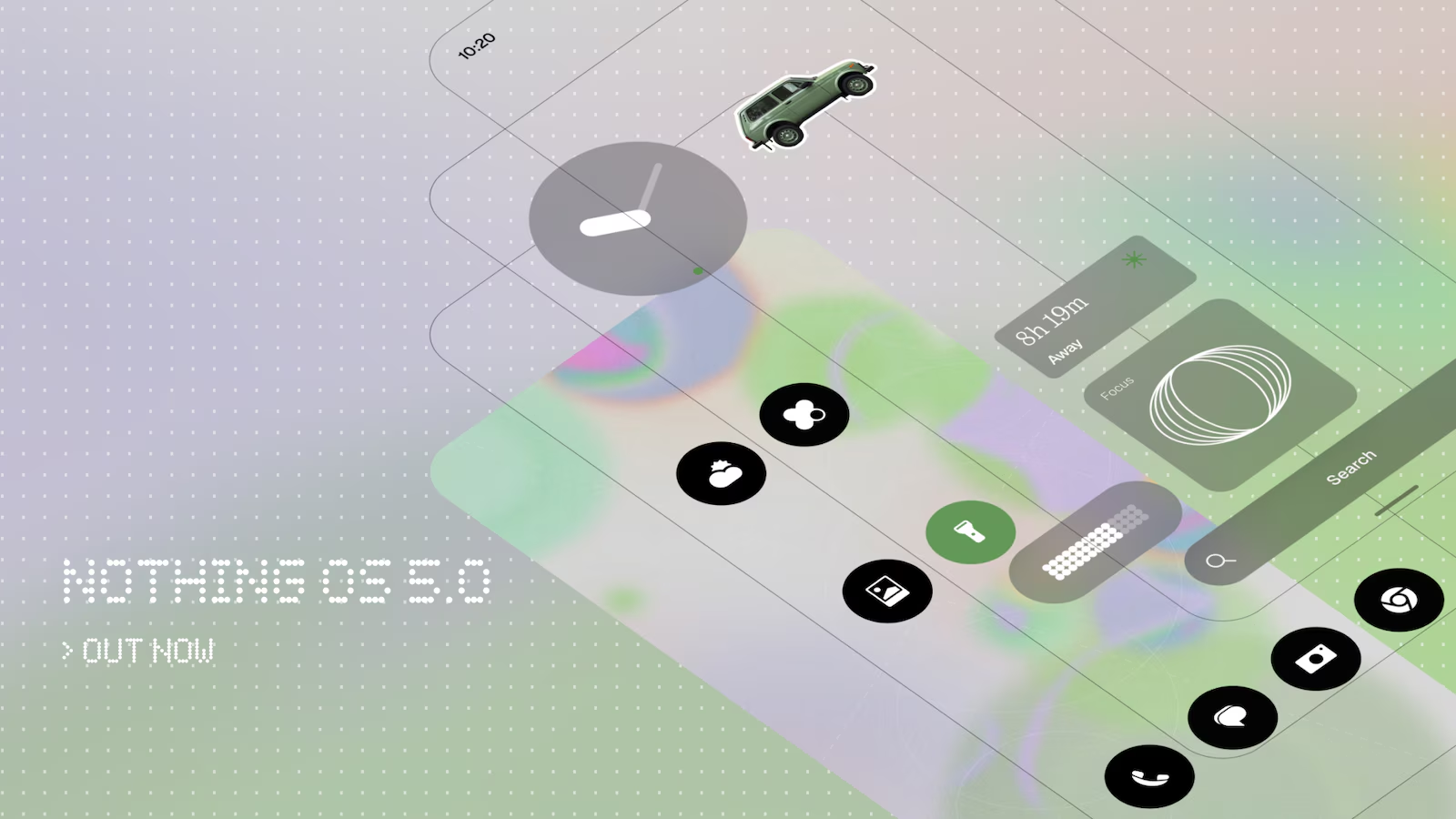
For devices equipped with Nothing’s signature Glyph lighting system, Nothing OS 5.0 introduces a dedicated Glyph Interface app. Bringing those controls together in one place should make the lighting features easier to manage, especially as the company continues experimenting with different Glyph implementations across its hardware lineup.
The update also extends Nothing’s investment in its Essential AI platform. New features include support for Model Context Protocol, cleaner Essential Voice transcriptions, Smart Collections for organizing content saved in Essential Space, and the ability to build Essential Apps directly on the device. Those additions suggest Nothing wants its AI tools to become more integrated with everyday phone use rather than remain isolated novelty features, though their practical value will depend heavily on how reliably they work outside controlled demonstrations.
Because Nothing OS 5.0 is based on Android 17, it also inherits Google’s latest platform features. These include improved Quick Share, expanded dark theme support and new Noto 3D emoji. Smaller usability changes include animated status bar icons and one-tap Bluetooth controls in Quick Settings.
There is an important limitation, however. Nothing Phone 1, Phone 2 and CMF Phone 1 are not scheduled to receive Nothing OS 5.0, leaving several older models behind as the company moves to Android 17. Most supported devices are expected to receive the update by January 2027.
For Nothing, the challenge is increasingly less about looking different from other Android manufacturers and more about proving that its software ideas offer lasting practical advantages. Nothing OS 5.0 keeps the distinctive design language intact, but its success will depend on whether the new customization and AI features become useful habits rather than another layer of optional extras.