TL;DR: A soulslike-inspired action game with energetic combat and occasional emotional side stories that is ultimately undone by technical problems, uneven design, and a world that never quite coheres into something worth the frustration.
The Relic First Guardian
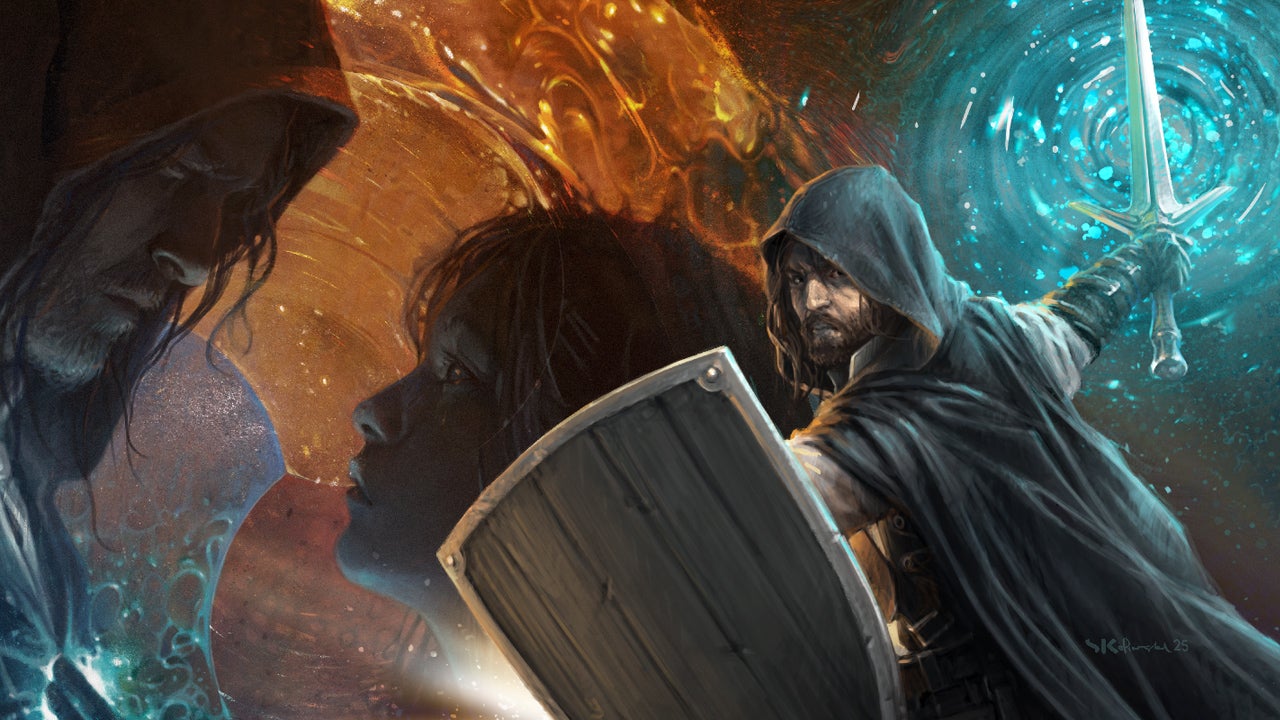
The Relic: First Guardian arrives with the quiet confidence of a game that knows exactly which shadows it wants to stand in. You can feel the pull of bigger, bloodier influences in every ruined corridor and every timed swing of the blade. It wants to be the kind of dark fantasy that lingers after the screen goes dark, the sort of experience you recommend to friends when the latest blockbuster has left them hungry for something sharper and stranger. What it actually delivers is a far more complicated mixture of genuine spark and stubborn self-sabotage, a title that keeps reaching for greatness only to trip over its own uneven footing.
There is something almost tragic about how close the combat comes to working. Five weapons sit in the arsenal, each with a single extended combo string that refuses to reward mindless button mashing. Timing matters. The next swing only lands cleanly if the previous one has finished its arc. Early hours feel clumsy because the controls lag just enough to make the rhythm slippery. You think you have the window locked, then the animation drags a fraction longer than expected and the string falls apart. Once the muscle memory settles, though, the aggression starts to feel good. Stamina only drains on defensive moves, so the game actively invites you to stay on the front foot. Enemies rarely flinch from ordinary hits, which means you still spend a lot of time reading patterns and waiting for openings, yet the overall flow encourages pressure rather than pure patience. That balance is rare enough to be worth celebrating even when everything else around it is falling apart.
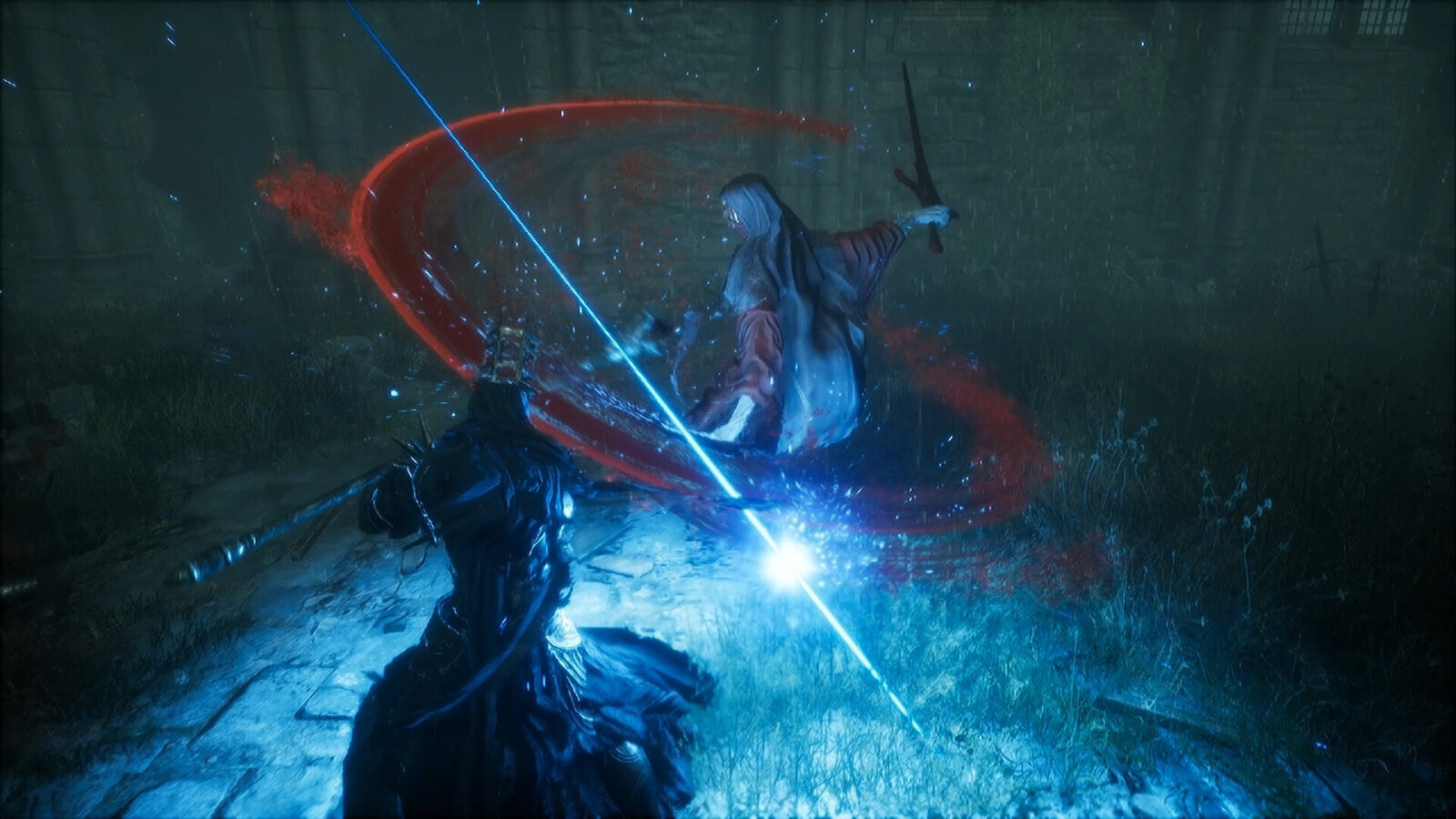
Weapon skills are where the combat finally starts to feel complete. Each blade or staff opens into a two-sided skill tree that splits playstyles cleanly. The battle staff, for example, can become a whirling melee menace on one path or a surprisingly potent ranged pressure tool on the other. Unlocking those skills takes a long time because the points required are scarce and non-farmable. They drop from specific bosses, certain quests, or those lonely blue shrines scattered across the map. The freedom to refund and respec at will becomes essential. I found myself resetting trees multiple times just to test whether a different approach would finally crack a stubborn boss. Equipment passives and the relic stones that slot into your build add another layer of tinkering. Some relics simply raise health or stamina. Others do stranger things, like granting a brief invincibility window after fatal damage. The system never explains itself as clearly as it should, yet the experimental freedom it offers is one of the few places where the game feels generous rather than punitive.
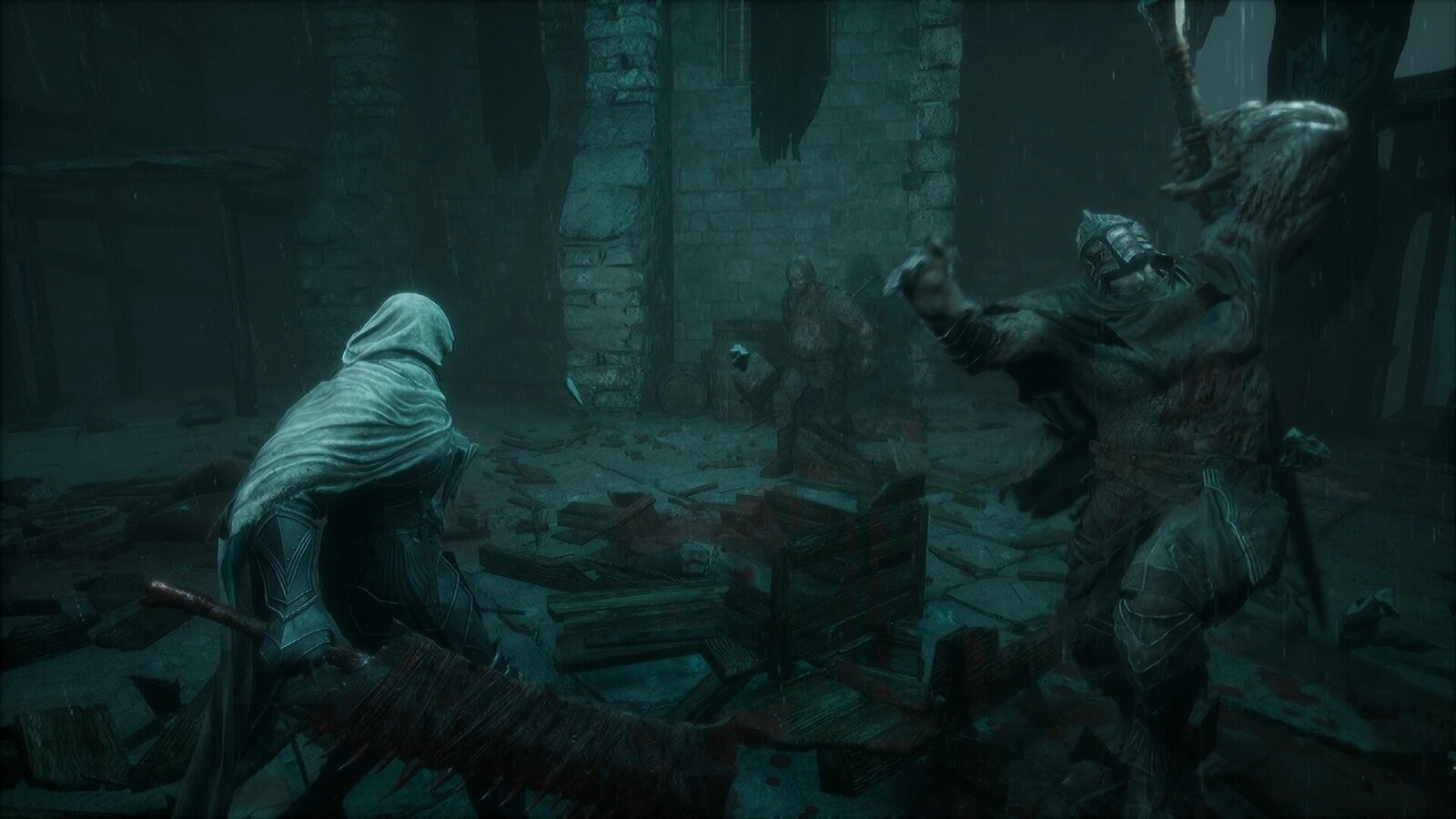
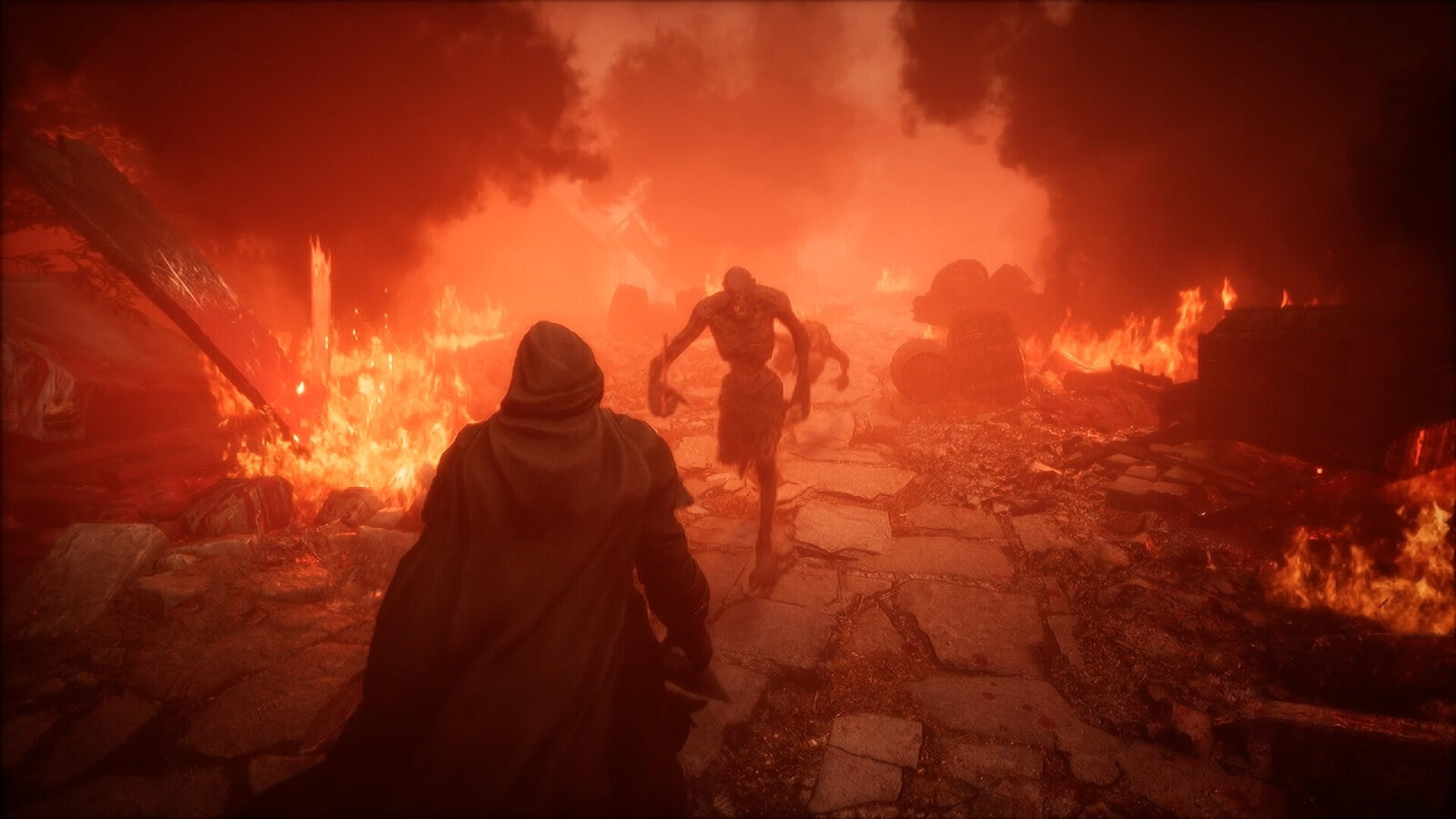
Exploration should have been the other half of the appeal. The world is built from three broad regions that share the same basic vocabulary of crumbling fortresses, empty villages, and half-collapsed towers. Color filters do most of the heavy lifting to differentiate them. One area sits under a mint-green haze, another under a sickly yellow wash, a third under an oppressive orange-red glow that makes pathfinding needlessly difficult. Caves artificially darken the edges of the screen until peripheral vision becomes a guessing game. Geometry is unreliable. I lost count of the times a fast-travel point ended up buried inside a wall or a checkpoint deposited me waist-deep in the ground. The sense of discovery still flickers now and then. A promising cave mouth or a flight of stairs leading into a mysterious tower can still spark curiosity. Too often that curiosity is punished by loading issues or invisible collision that turns a short detour into a frustrating reset.
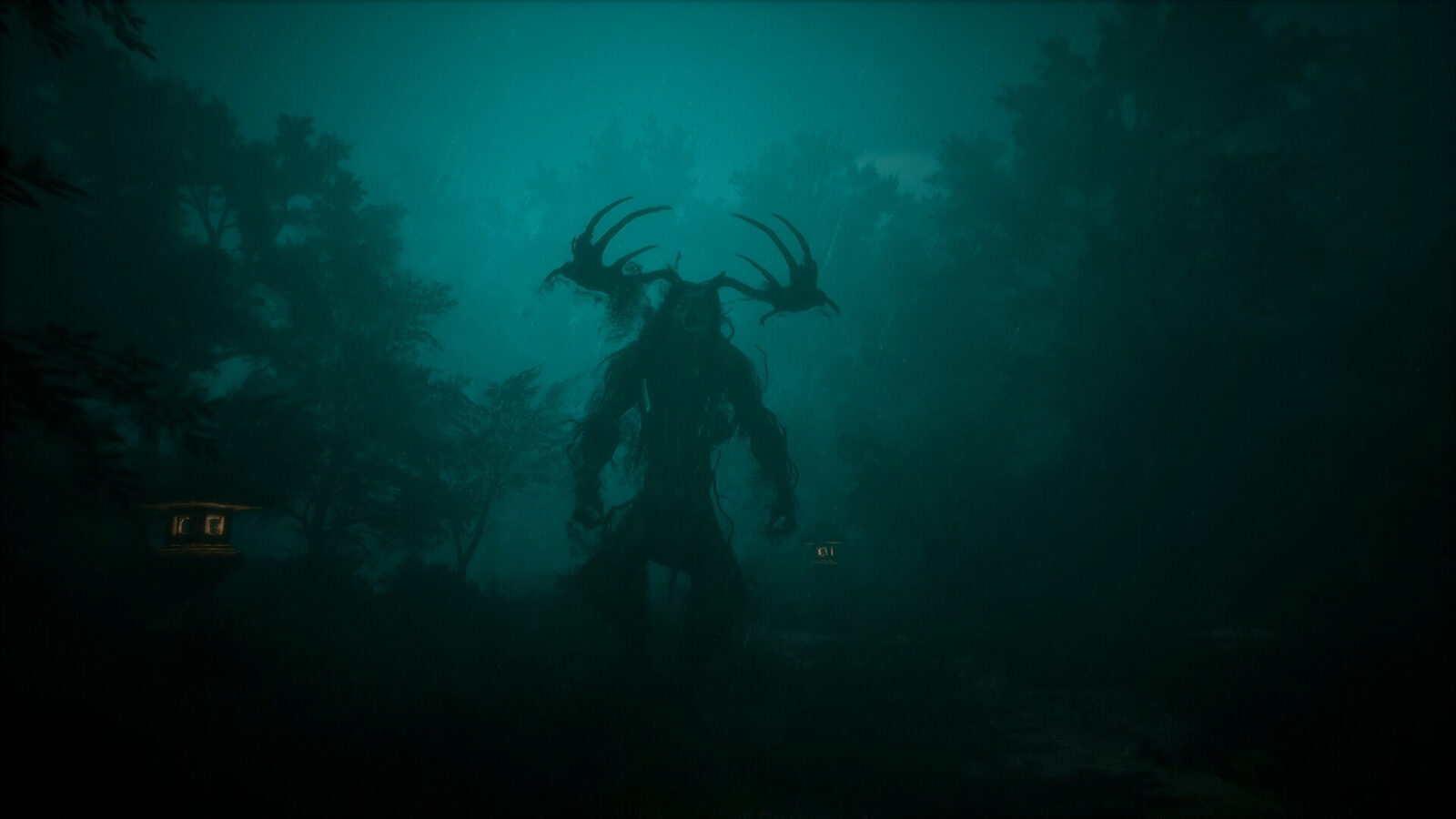
Side stories scattered across the landscape try to give the empty spaces emotional weight. Many draw from folklore traditions of loss, grief, and transformation. One path follows a woman who walks into the forest searching for a husband who never returned from battle; the trail ends with her grief made monstrous. Another climbs a mountain while reading notes left by a waiting wife and an increasingly anxious child who plays with pinwheels to pass the time. At the summit you find only a quiet plateau full of those same pinwheels, the story resolved through absence rather than confrontation. When the writing trusts silence and implication, these tales land with surprising force. When it forces a boss fight into the middle of a quiet tragedy, the tone collapses. The frequency of environmental storytelling becomes exhausting after a while. Every broken cart and abandoned campsite seems to demand another solemn monologue or another conveniently placed note. The technique is overused to the point of parody.
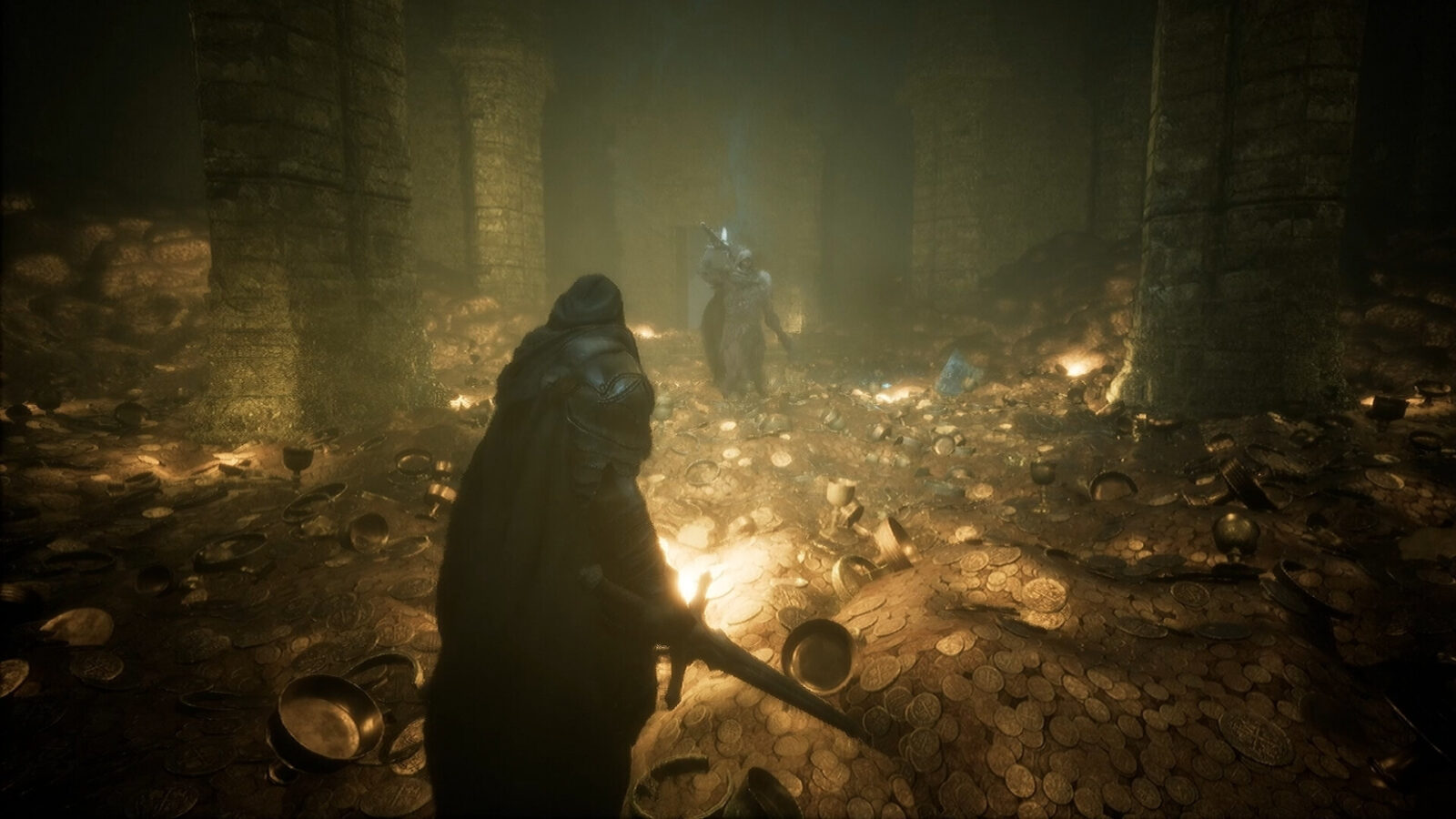
Loot is another area where good intentions curdle into annoyance. The map is littered with shiny markers promising treasure. Almost every single one yields a handful of gold so small it feels insulting. Chests guarded by enemies or tucked at the end of side paths usually contain only a slightly larger pile of the same currency. By the middle of the second region I was already carrying more gold than I could usefully spend. The act of collecting loot, something I normally enjoy as a form of quiet completionism, became actively demotivating. I started ignoring markers entirely just to keep the experience from feeling like busywork.
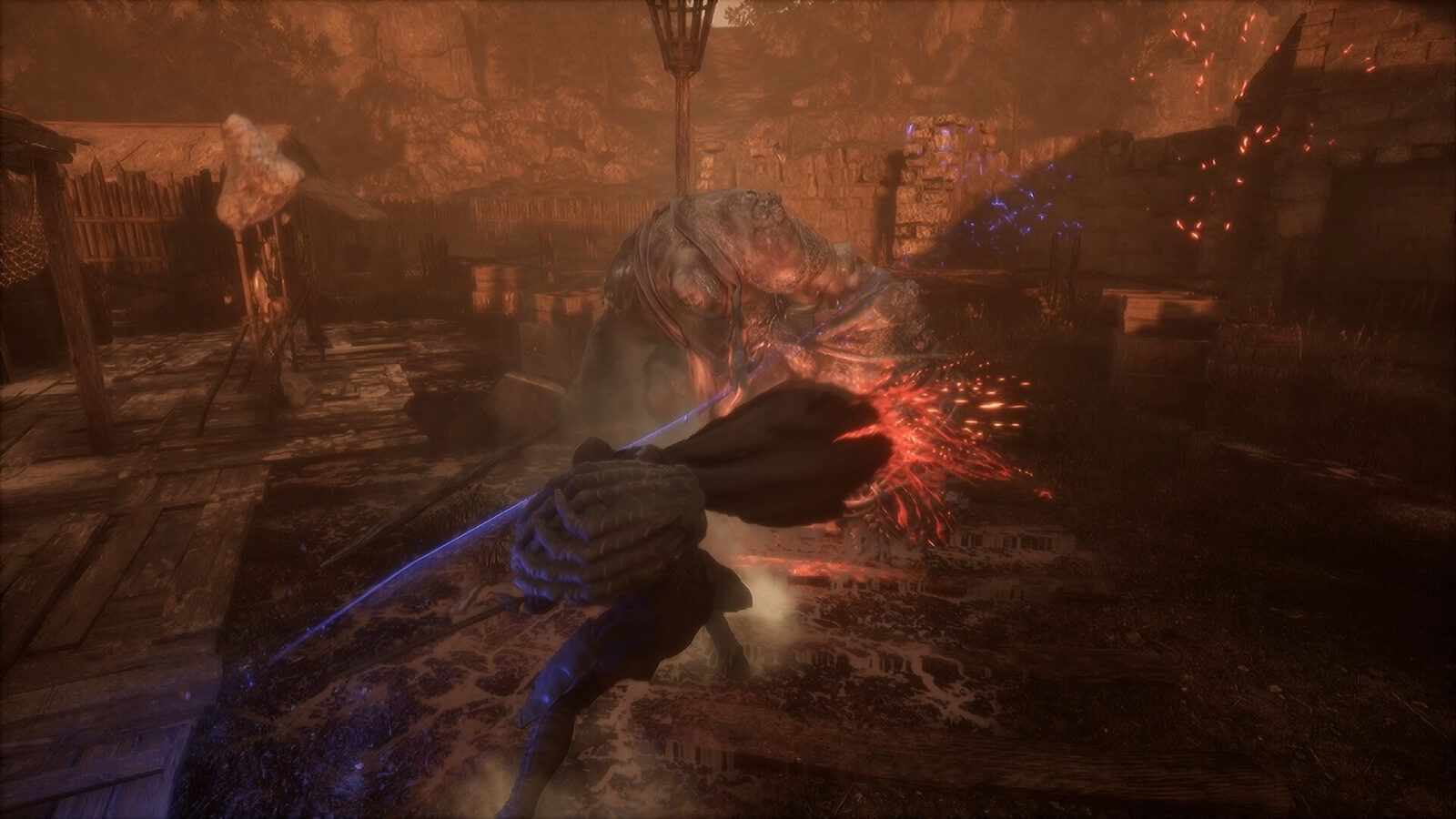
Enemy design follows a similar pattern of almost-but-not-quite. Regional varieties exist, and a few individuals stand out with strange silhouettes or memorable gimmicks. Most regular foes feel like rough sketches of ideas that better games have already executed with more imagination. In groups they can create tense moments that force you to prioritize targets and manage space. The lock-on system and camera rarely cooperate during these skirmishes, turning what should be tactical pressure into visual noise. By the later hours I was running past packs whenever possible, treating them as obstacles rather than opportunities. Bosses raise the bar. There are a startling number of them, the majority optional, and the best ones demand genuine pattern recognition and timing. The worst ones lean hard into the game’s technical weaknesses, layering environmental hazards, relentless pressure, and status effects that feel cheap rather than challenging. A few fights simply break. One boss froze in place and watched me dodge-roll for several minutes. Another occasionally failed to appear after a death, leaving an empty arena that still occasionally fired projectiles from nowhere.
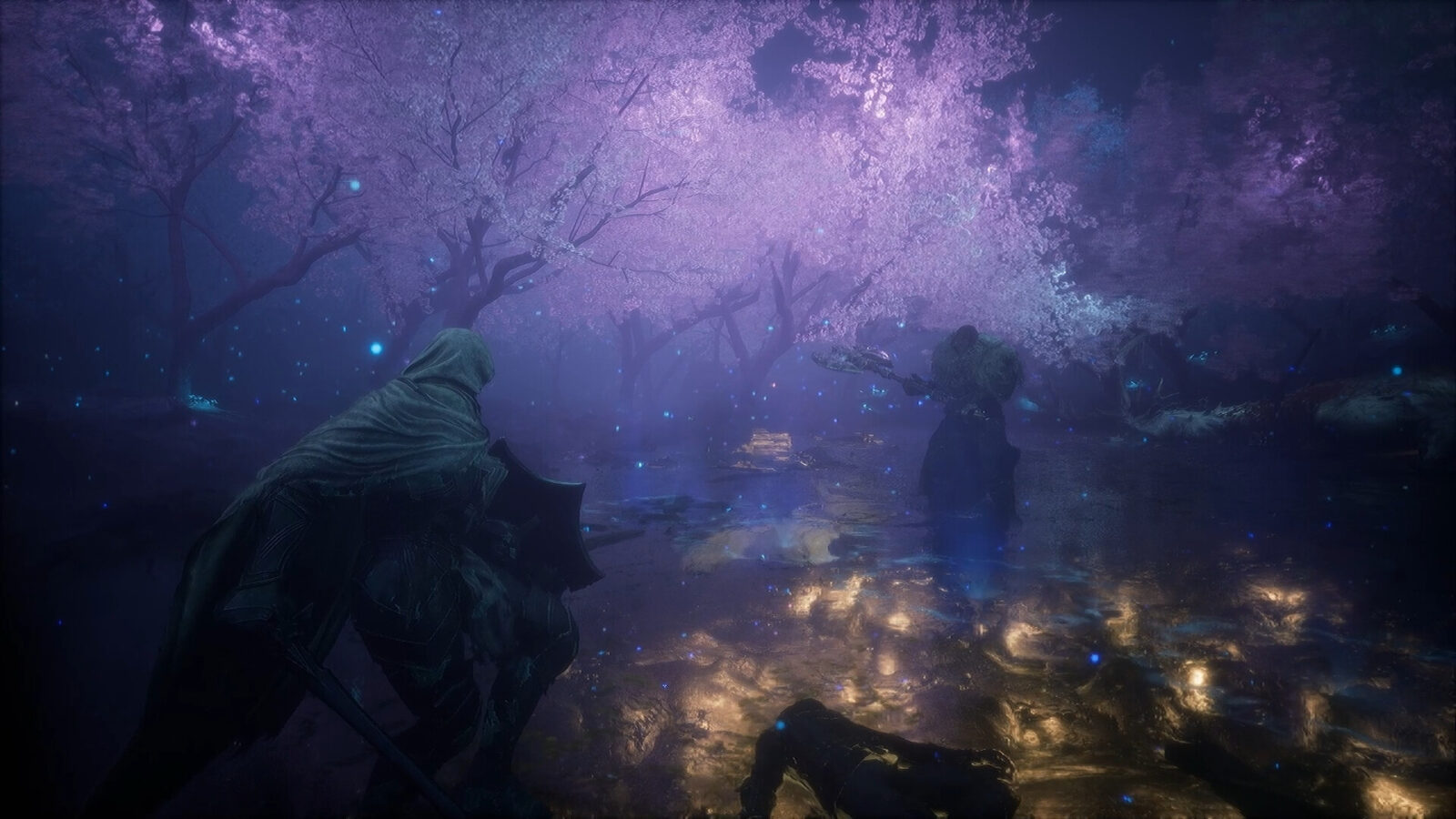
Presentation problems compound every other issue. Character models lack detail. Faces in particular look unfinished, eyes occasionally glowing against otherwise blank features. A soft, low-resolution haze clings to almost everything, softening edges in a way that recalls older games that never quite escaped their technical limitations. Dialogue is frequently awkward, overlong, and poorly matched to the subtitles that appear on screen. Voice performances range from flat to actively distracting. The cumulative effect is a game that never quite feels finished, no matter how many hours you invest.
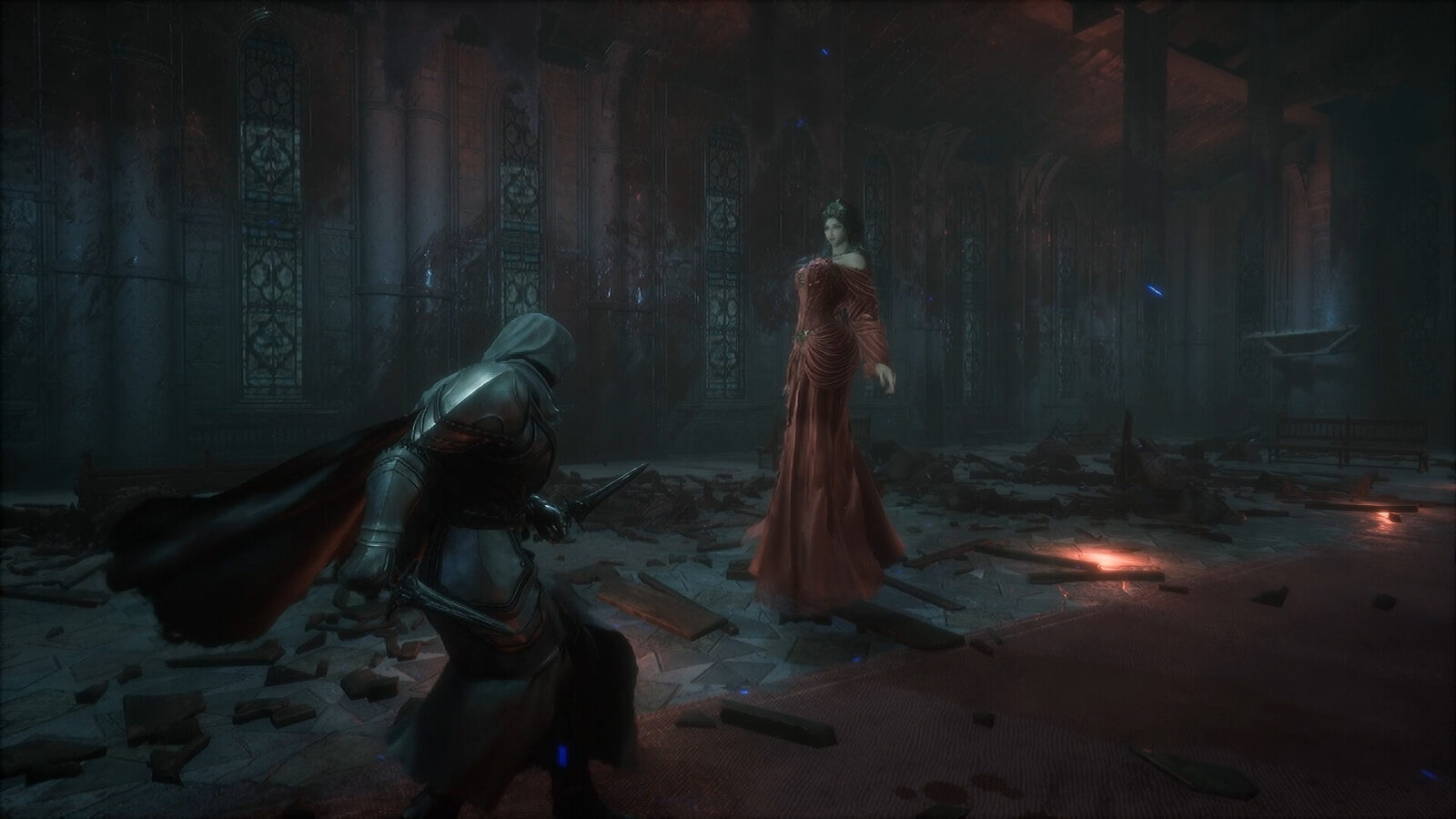
The tragedy of The Relic: First Guardian is not that it is empty of ideas. The combat systems contain real personality. The better side stories carry unexpected emotional weight. The willingness to experiment with weapon skills and relic combinations shows a design team that understood the appeal of player expression. What sinks the experience is the constant sense that every good idea is fighting against a foundation that was never properly built. Technical instability, inconsistent visual quality, unreliable systems, and a world that feels more assembled than crafted all conspire to keep the game from becoming the dark fantasy it clearly wanted to be. You can see the shape of something more ambitious underneath the rough edges. Reaching that shape requires more patience than most players will be willing to give.
Verdict
The Relic: First Guardian is a dark fantasy action game that keeps promising a memorable experience and then undercutting itself at nearly every turn. Its combat has genuine rhythm and room for creative builds, and a handful of its quieter stories land with surprising power. Everything else, from the unreliable world to the unfinished presentation to the sheer volume of technical friction, works against those strengths until the whole package feels more like a cautionary tale than a recommendation. There is talent visible in the better moments. There simply is not enough polish or consistency to let that talent matter for long.