


TL;DR: A bachelor-party comedy that almost finds something fresh in its younger ensemble before collapsing under the weight of Kevin Hart’s midlife-crisis character and some painfully dated cultural gripes.
72 Hours
There is something almost poetic about watching a comedian who once thrived on being the loudest, smallest, most kinetic force in every room suddenly look like he is chasing relevance the same way the rest of us chase the last slice of pizza at a party. Kevin Hart’s latest Netflix outing, 72 Hours, arrives with the familiar energy of a man who has spent two decades turning personal insecurity into box-office gold, only this time the insecurity feels less like a bit and more like a diagnosis. The film plants him in the middle of a bachelor party that should have been pure chaos fuel, yet keeps dragging the camera back to his character’s desperate need to prove he still understands the kids. What could have been a sharp, messy collision between generations instead becomes a slightly sad reminder that some comics never quite learn when to stop selling the same brand of anxiety.
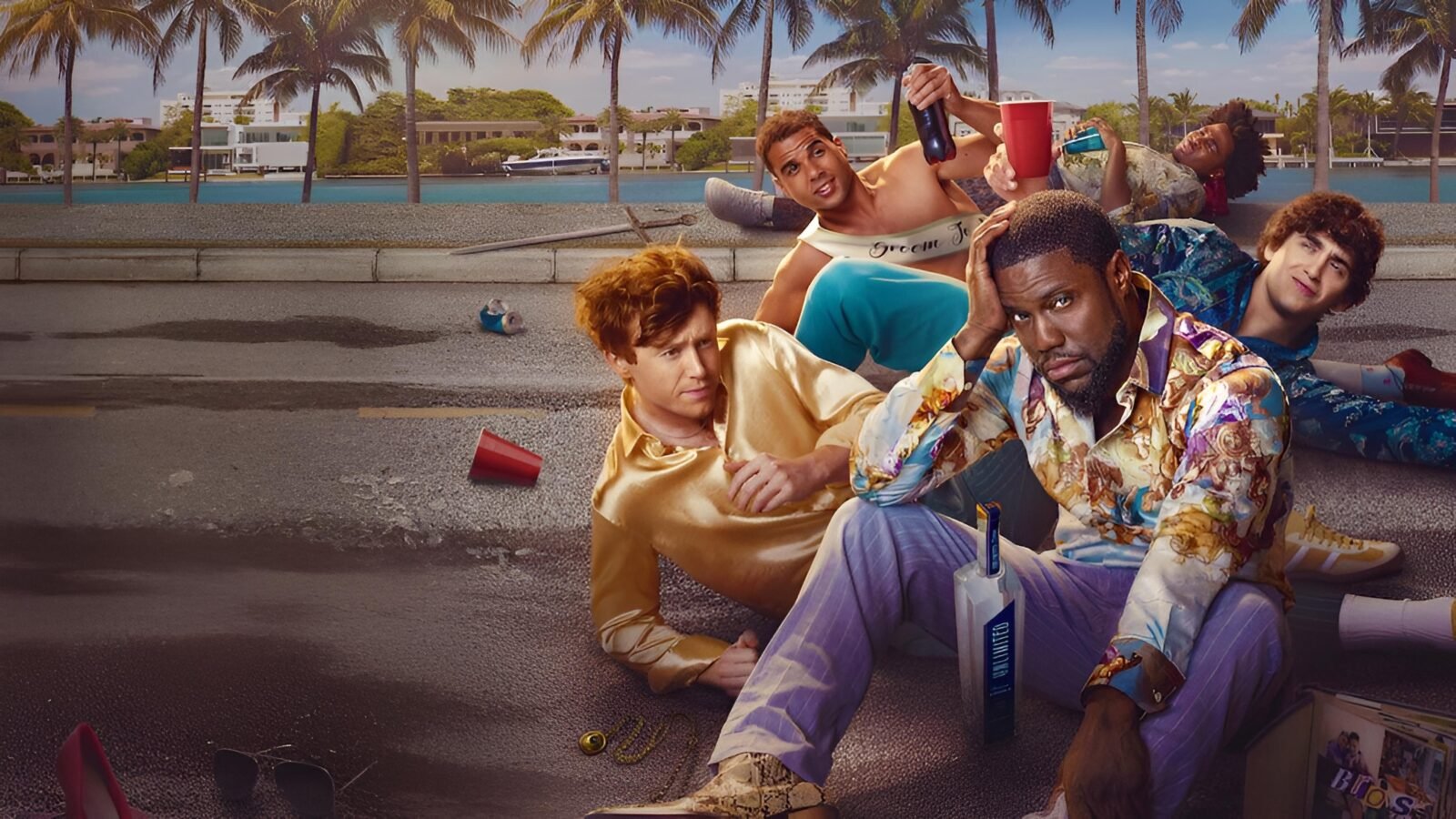
The premise starts with real promise. Hart plays Joe, a New York marketing guy whose cultural fluency has started to expire like an old phone battery. His girlfriend is a doctor considering a career move that might uproot their carefully built life, and Joe is one promotion away from feeling secure enough to propose. Then a random group chat of twentysomething strangers planning a Miami blowout lands on his phone like a digital SOS. Instead of muting it, Joe treats the invitation as a research opportunity and a last chance to prove he still gets the youth market. He injects himself into the trip, upgrades the logistics, and starts quietly harvesting content while the younger guys treat the weekend like a genuine celebration of friendship rather than pure content farming. The early stretches lean into that cultural disconnect with surprising warmth, letting the younger cast establish a chemistry that feels lived-in and oddly wholesome beneath all the crude memes and hotel-room chaos.
What makes those group dynamics click is how little the younger characters feel like manufactured internet personalities. Marcello Hernández, Ben Marshall, Kam Patterson, and Mason Gooding play the bachelor party crew with a sincerity that undercuts the expected bro-energy stereotypes. They check in on each other emotionally, keep a physical scrapbook of their shared history, and treat the weekend as something worth remembering rather than something worth monetizing. That sincerity becomes the movie’s quiet secret weapon. Watching them navigate the usual bachelor-party traps while still looking out for one another creates a texture that feels closer to a slightly drunk coming-of-age story than another rote Hangover clone. The film keeps teasing the possibility of letting these four carry more of the narrative weight, especially once a rival bachelorette party enters the frame and the weekend starts spinning into genuine trouble.
Unfortunately, the movie keeps yanking the focus back to Joe’s midlife spiral and his increasingly transparent attempts to harvest authenticity for a marketing campaign. Hart’s performance has always thrived on physical comedy and rapid-fire insecurity, but here the character is written like someone who aged twice as fast as the actor playing him. The R-rated script gives him the kind of outdated cultural references and nervous physical comedy that feel imported from a different decade, and the attempts at topical humor about cancel culture and political correctness land with the grace of a brick through a window. Every time the younger actors start building something funny or weird or unexpectedly tender, the camera finds its way back to Joe swallowing Pepto-Bismol or awkwardly deploying wearable tech like a corporate spy who forgot he was supposed to be having fun.
The result is a comedy that never quite decides whether it wants to roast its lead character or defend him. There are flashes of the old Hart energy when Joe tries to keep up with the younger guys on the dance floor or in the aftermath of a particularly messy night, but those moments are undercut by the film’s insistence on turning every set piece into another chapter of the same midlife anxiety story. The Miami setting offers plenty of visual noise and neon-soaked potential, yet the movie rarely trusts the location or the supporting cast to do the heavy lifting. Instead it keeps circling back to the idea that the real crisis is not the stolen wallets or the drugged cocktails but the fear of becoming culturally irrelevant, a theme that starts to feel less like sharp satire and more like an uncomfortably personal confession.
What lingers after the credits is the sense of missed opportunity more than any single joke or set piece. The younger ensemble has the kind of loose, lived-in chemistry that could have powered an entire movie about found family and the weird sincerity of modern male friendships. The writing team, which includes some of the same voices that helped shape the later seasons of Cobra Kai, clearly understands how to balance crude humor with unexpected emotional honesty. Yet every time the film starts leaning into that richer territory, it pivots back to Hart’s character treating the entire weekend like a focus group. The meta layer about an overexposed comedian playing a man terrified of becoming overexposed never quite evolves into something insightful. It just sits there, slightly uncomfortable, like a guest who stayed too long at the party.
In the end 72 Hours feels like a comedy that almost remembered how to be fun and then got distracted by its own identity crisis. There is a sharper, stranger, more generous version of this movie somewhere in the footage, one that trusts the younger cast and the messy reality of a weekend that refuses to stay on brand. What we got instead is another reminder that even the most reliable comic engines eventually need new fuel, and that sometimes the bravest move is knowing when to step out of the frame and let someone else drive.