
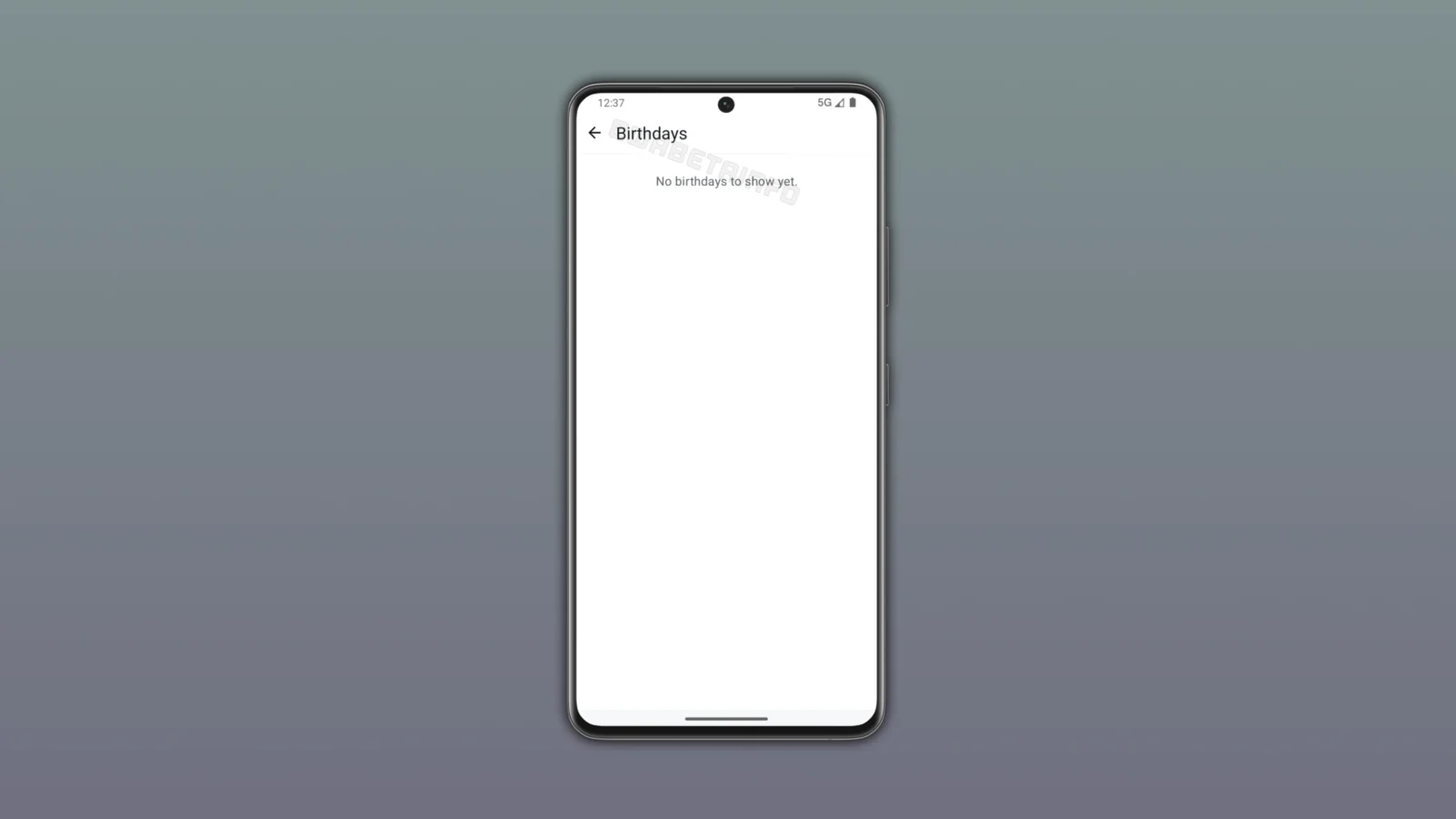
WhatsApp is preparing a birthday reminder feature that draws on age data already collected from users in certain regions to meet legal requirements. The tool, spotted in a recent Android beta version, would display upcoming birthdays from contacts in a dedicated chronological tab, echoing a long-standing capability on Facebook. This marks another step in Meta’s effort to blend regulatory compliance with added social functionality inside its messaging app.
The foundation lies in recent age-verification mandates that prompted WhatsApp to start gathering birth years from users in specific markets. Initially kept strictly for legal purposes and invisible to others, the data is now being repurposed to surface practical reminders. It is a pragmatic move, yet one that highlights how privacy-related regulations can inadvertently expand the scope of personal information circulating across platforms. For the reminders to appear, a contact must have entered their date of birth, which remains an opt-in element tied to compliance rather than voluntary sharing.
Privacy considerations stand out as the most immediate concern. Early code shows no dedicated toggles allowing users to hide their birthday from contacts while still satisfying age-verification rules. This all-or-nothing approach could leave people uncomfortable with unintended visibility, especially in large contact lists where professional or distant acquaintances reside. Analysts anticipate privacy controls will arrive before wide release, but the absence in initial testing serves as a reminder of how Meta’s ecosystem often prioritizes feature velocity over upfront safeguards. Past experiences with Facebook’s birthday prompts have shown both their social convenience and occasional awkwardness when notifications reach unintended audiences or surface outdated information.
Beyond birthdays, WhatsApp continues refining its experience with other incremental changes. A fully optimized version for smartwatches aims to improve on-the-go access, while a redesigned group chat information page seeks to make management cleaner. These updates arrive amid broader platform evolution, including explorations of independent cloud backups and AI tools for summarizing conversations. Each addition nudges WhatsApp further from its original simple messaging roots toward a more comprehensive social hub, a trajectory that has helped it maintain dominance but also invited scrutiny over data practices.
The birthday feature itself is not revolutionary, yet it illustrates the subtle ways regulatory obligations can reshape everyday app interactions. In regions with strict age laws, users gain a small convenience at the potential cost of greater data linkage across Meta services. Whether this trade-off feels worthwhile will depend on how thoughtfully the company implements opt-outs and transparency. As foldables, AI enhancements, and cross-device features proliferate in messaging, the real test remains balancing utility against user control and long-term trust. WhatsApp’s steady stream of updates keeps the app relevant, but discerning users will watch closely to ensure these changes respect boundaries rather than merely expand data utility.