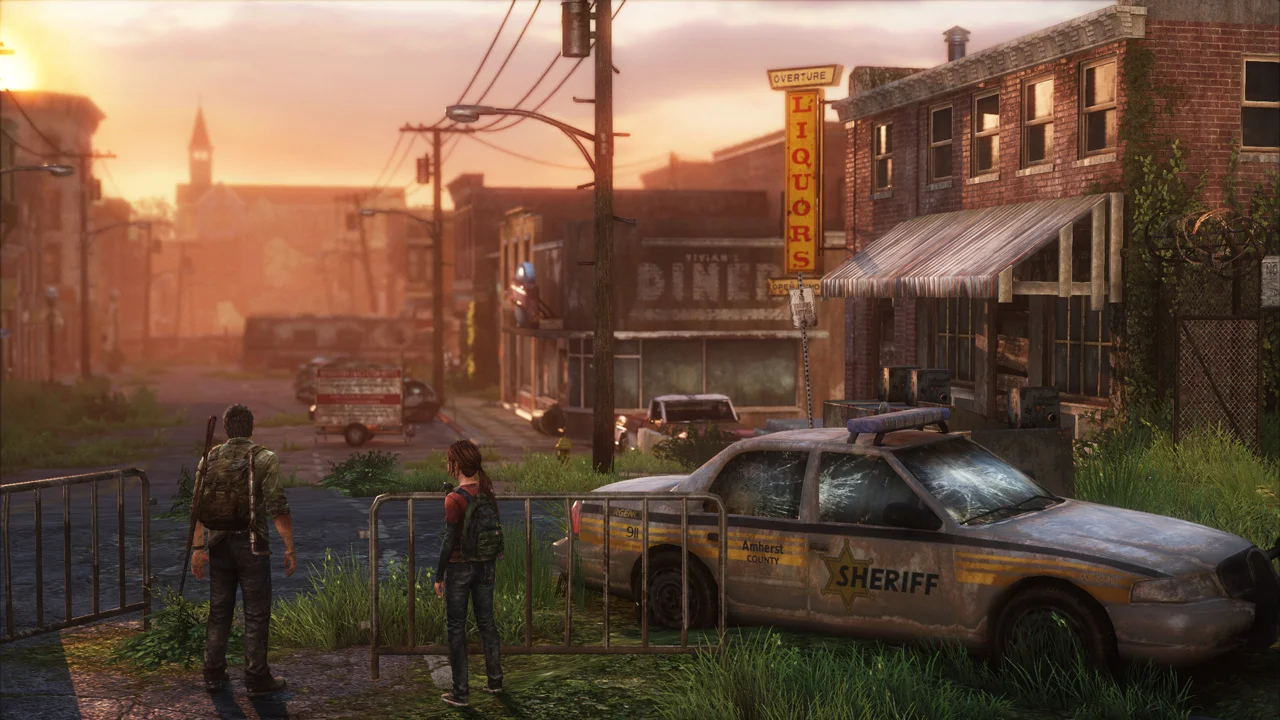
Rumors continue to swirl around a possible third installment in Naughty Dog’s The Last of Us franchise, fueled by comments from studio head Neil Druckmann and recent insider reports. Since the original game launched in 2013, the series has built a reputation for blending intense action with deeply emotional storytelling centered on survival and human relationships in a post-apocalyptic world. The 2020 sequel expanded that narrative in ambitious but divisive ways, while the HBO television adaptation brought new audiences to the story. With development cycles at Naughty Dog stretching several years, any talk of The Last of Us Part III naturally generates significant interest and skepticism among long-time players.
Druckmann has offered mixed signals over time. After suggesting Part II might conclude the main storyline, he later indicated in a documentary that a fresh concept had emerged, one that could feel distinct yet connected to the previous entries. No official confirmation or story details have followed, leaving fans to speculate about potential directions involving existing characters or new perspectives on the established universe. Recent claims from industry insider DanielRPK suggest The Last of Us Part III could follow Naughty Dog’s current project, Intergalactic: The Heretic Prophet, and precede a rumored Uncharted 5. Such reports remain unverified, and the studio has not commented publicly, which is typical given its guarded approach to future plans.
Development realities at Naughty Dog add important context. The team’s reputation for high production values often translates into lengthy timelines, with some titles taking the better part of a decade from concept to release. This raises legitimate questions about bandwidth, especially with multiple franchises in play. Fan discussions online reflect this tension, with some expressing excitement at the prospect of another chapter while others worry about further delays or creative fatigue. Comments frequently highlight concerns that resources might shift between projects, potentially affecting quality or release cadence for any single title.
The franchise’s enduring appeal stems from its character-driven approach rather than reliance on zombie genre conventions alone. Earlier entries explored themes of loss, morality, and connection with notable craft, earning strong critical reception and broad cultural impact. A third game would need to navigate heightened expectations while finding fresh ground, particularly after the narrative risks taken in Part II. Whether it materializes as a direct continuation or something more standalone remains unclear, but the reported concept’s emphasis on a unifying thread across all three parts suggests an attempt at cohesion.
For now, the future of both The Last of Us and Uncharted series sits in a holding pattern typical of big-budget game development. Players can revisit the existing games and HBO show in the meantime, but the prospect of new entries keeps the conversation alive. If Naughty Dog does pursue The Last of Us Part III, the extended wait will test fan patience, yet the studio’s track record indicates any eventual release would aim for substantial ambition. In an industry increasingly defined by rapid releases and live-service models, the deliberate pace here stands out, for better or worse.