
TL;DR: “Possum” transforms Cape Fear into a hilarious, paranoid fever dream with killer performances and wild set pieces. It answers key questions while ramping up the dread, delivering the season’s strongest episode since the premiere and leaving viewers desperate for more.
Cape Fear
When a prestige thriller decides to toss its characters into a shared hallucinogenic nightmare while a vengeful force lurks across the street, you know the show has stopped playing it safe. Cape Fear’s sixth episode, titled “Possum,” delivers exactly that kind of glorious, unfiltered chaos. It feels like the series finally remembered it could be both deeply unsettling and outrageously funny at the same time. For fans who have been riding the wave of slow-burn tension since the premiere, this hour arrives like a shot of espresso after too many polite conversations. It crackles with energy, surprises that actually land, and performances that turn domestic paranoia into something cinematic and strangely relatable.
The Bowden family’s already fragile world tilts even further when the reality of Max Cady living right across the road sinks in. What follows is a masterclass in blending bottle-episode intimacy with escalating dread. The episode cleverly uses flashbacks to peel back layers on Max’s prison past, revealing a mysterious mentorship that shaped his particular brand of menace. These sequences carry the weight of ritualistic intensity, complete with invasive procedures and shadowy orders that echo through the present-day storyline like distant thunder. Yet the real fireworks happen in the family home, where everyday frustrations boil over into something far more surreal. The writing smartly exploits the claustrophobia of a broken-down house, turning it into a pressure cooker for revelations both hilarious and horrifying.
One of the episode’s boldest swings comes during that sultry evening when the air conditioning fails and the family’s drinks get an unexpected psychedelic upgrade. What unfolds is pure television gold. Tom and Anna navigate a minefield of microdosed paranoia while their kids experience the trip in their own delightfully unhinged ways. Zack’s complaint about stairs suddenly feeling monumental captures that perfect blend of absurdity and vulnerability. The whole sequence plays like a fever-dream stage play, with cinematography that shifts from mundane domesticity to vibrant, swirling colors. Every actor commits fully, turning potential silliness into layered character moments that expose cracks in their relationships. It’s the kind of scene that reminds you why Apple TV+ can still surprise when it leans into its weirder instincts.
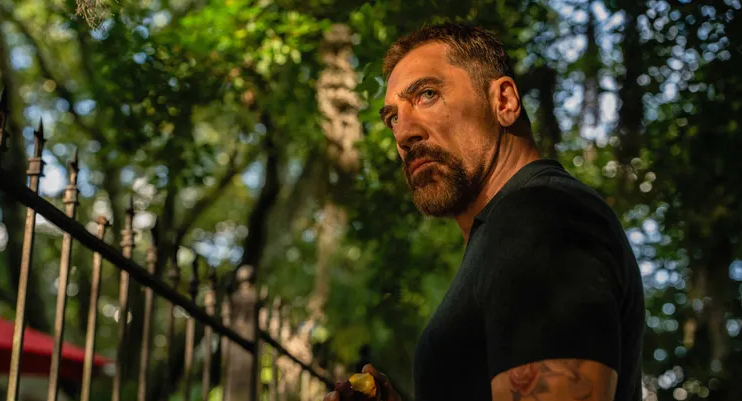
The morning after brings a confrontation that crackles with theatrical tension. Max, casually preparing a meal that would make most people lose their appetite, toys with the Bowdens like a cat with cornered mice. His demands and dark humor cut deep, forcing Tom and Anna to confront the limits of their own morality. Javier Bardem continues to dominate every frame he’s in, delivering lines that linger long after the credits roll. The exchange feels lifted from classic psychological dramas, yet it fits perfectly within this reimagined Cape Fear universe. Meanwhile, the kids’ storylines weave in unexpected threads that keep the family dynamic feeling lived-in and messy. Natalie’s growing awareness and Zack’s hidden depths add emotional stakes that prevent the episode from becoming pure spectacle.
As secrets spill out and hidden spaces reveal their horrors, the episode hurtles toward a climax that mixes horror tropes with genuine shock value. The discovery of a secret passage and its unexpected inhabitant turns the Bowden home into something out of a gothic nightmare. Anna’s resourcefulness in the face of sudden violence showcases her evolution from the more restrained character we met earlier. The final moments, with their trail of bloody footprints leading across the street, set up the season’s endgame with delicious anticipation. It’s a reminder that in this world, the real monsters might be closer than you think, and sometimes they’re wearing your neighbor’s face.
What makes “Possum” stand out in the current landscape of streaming thrillers is its willingness to embrace tonal whiplash without losing control. It juggles campy humor, family drama, cult intrigue, and straight-up horror, often within the same scene. The supporting players, from the nosey podcaster to the prison figures, add texture without derailing the main thrust. Even the side elements, like Max’s peculiar ambitions, feel like deliberate quirks that humanize the villain in unsettling ways. This episode proves that Cape Fear works best when it stops teasing and starts delivering payoffs that feel earned through character and atmosphere rather than cheap twists.
For longtime fans of the original film and book, this adaptation continues to carve its own path while honoring the spirit of moral decay and inescapable consequences. It’s geeky in the best sense: richly layered, full of callbacks to cinematic history, and unafraid to get weird. The performances elevate material that could have easily tipped into self-parody. Instead, it lands as one of the most rewatchable hours of the season so far, packed with details that reward careful viewing. Whether you’re binging late into the night or savoring each episode like a fine vintage, “Possum” delivers that addictive rush of not knowing what fresh madness awaits around the corner.
Verdict
Cape Fear Episode 6 “Possum” roars back with unhinged energy, blending acid-trip comedy, family revelations, and creeping horror into a standout hour that recaptures the series’ early magic. It’s a thrilling reminder of how potent this story can be when it fully embraces its chaotic potential, setting the stage for what promises to be a explosive finale. Minor side threads aside, this is must-watch television that balances laughs, shocks, and genuine insight into fractured relationships.