
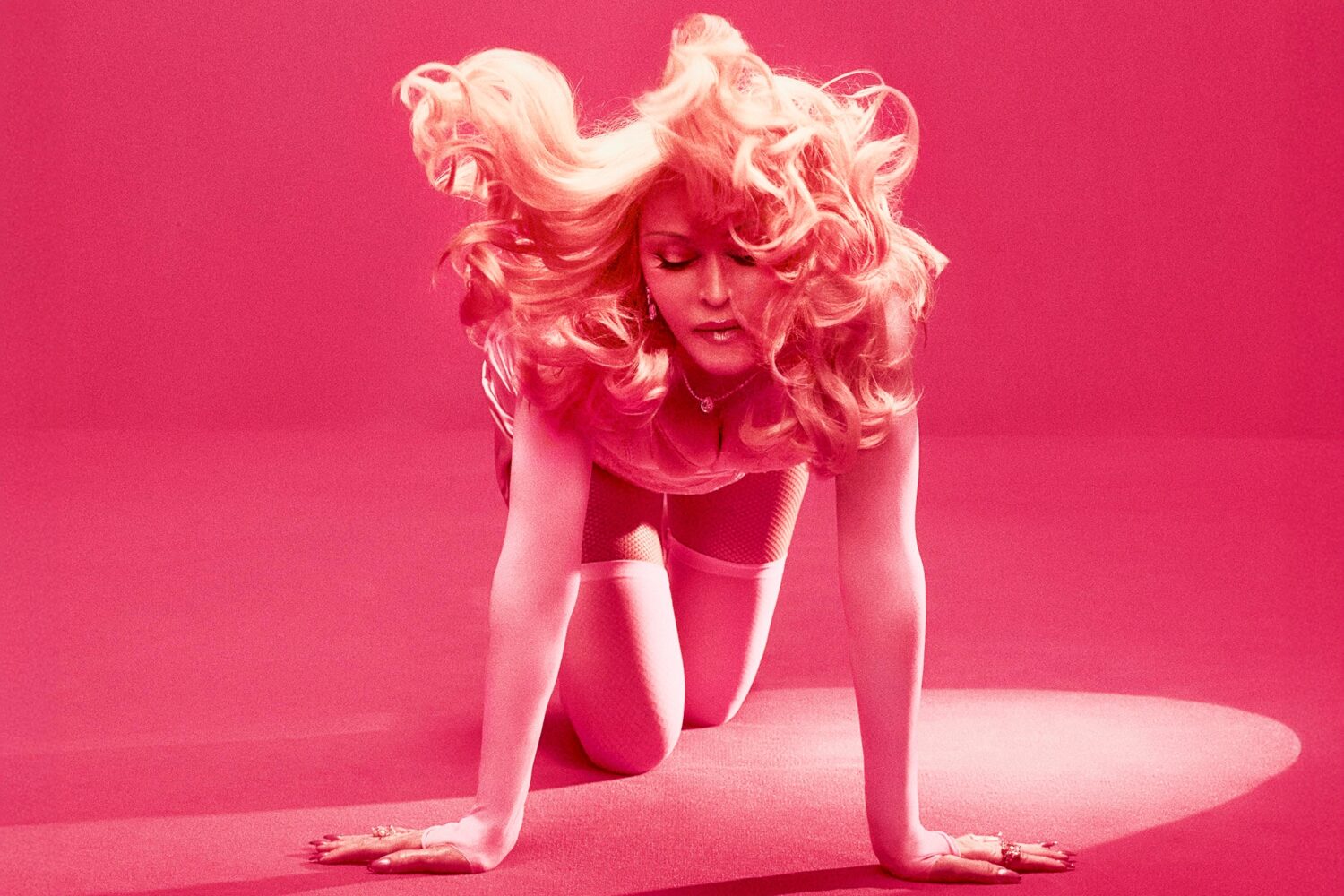
TL;DR: Madonna’s Confessions II is a seamless, dance-floor-focused triumph and her best album in 20 years, blending euphoric grooves, nostalgic fire, and deeply personal revelations into one hypnotic journey. Stuart Price’s production anchors a cohesive sonic adventure that honors the past while pushing forward with heart and vibe. Highly recommended for longtime devotees and anyone seeking reinvention through rhythm—pure immersive joy with real emotional weight.
Confessions II
In the shimmering haze of a packed club at 2 a.m., where the bassline wraps around your ribs like a familiar embrace and the lights blur into streaks of possibility, Madonna has always thrived. Her new album, Confessions II, feels like stepping back into that world after years wandering through more fragmented sonic landscapes. Seven years since her last full-length release, the Queen of Pop returns not with a desperate grasp at relevance but with a confident, sweat-drenched reclamation of the very space that launched her legend. This isn’t just another Madonna record—it’s a full-bodied sequel that pulses with the same relentless energy as its 2005 predecessor while carving out its own identity in the shadows and strobes. As someone who’s spun countless nights away to her classics and watched her evolve through every reinvention, I found myself grinning in recognition from the opening whisper. This is Madonna at her most liberated, turning the dance floor into a confessional booth where vulnerability meets euphoria.
What strikes you immediately is the album’s seamless construction, engineered like one long, hypnotic DJ set that refuses to let you catch your breath or reach for your phone. Much like the original Confessions on a Dance Floor, it flows as a continuous mix, each track bleeding into the next with the precision of a seasoned selector reading the room. Stuart Price, the maestro behind that earlier masterpiece, reunites with Madonna here, and their chemistry crackles with lived-in familiarity. The production feels vibrant yet restrained—no cheap drops or TikTok bait, just layered grooves that build tension and release it in waves. Detroit house rhythms collide with darker techno edges, creating a sonic palette that feels both nostalgic and forward-leaning. It’s the kind of record you put on during a late-night drive through Dubai’s glittering highways or a rooftop session under the stars, where the city’s energy mirrors the music’s restless heartbeat. Madonna doesn’t chase trends; she reminds us why she helped invent so many of them.
The thematic core revolves around the intoxicating freedom of anonymity under club lights. From the very first track, “I Feel So Free,” Madonna murmurs about slipping into new personas, shedding skins like a sci-fi shapeshifter in a cyberpunk nightclub. It’s a perfect metaphor for her career-long obsession with transformation—think of it as her version of logging into a new RPG avatar after grinding through endless side quests. The dance floor becomes a sanctuary where you can be anyone, escape the weight of daylight expectations, and lose yourself in the rhythm. This idea weaves through the project like a glowing thread, manifesting literally in visuals where she hovers ethereally above crowds. As a longtime fan who’s chased that same liberating rush through marathon gaming sessions or coastal runs with headphones blasting, I connected deeply. Confessions II captures that rare alchemy where escapism and self-discovery collide, turning the album into more than music—it’s a portal to reinvention.
The Heartbeat of Nostalgia and New York Nights
“Danceteria” stands as the album’s undeniable emotional and sonic peak, a Gen X love letter to the raw, chaotic glory of early ’80s New York club life. Madonna delivers it with a deadpan spoken-word flow that echoes her iconic “Vogue” moments, name-dropping legends like Nile Rodgers, Basquiat, and the B-52s while recounting handing off her “Everybody” demo. It’s cinematic in the best way, painting vivid scenes of sticky floors, cigarette haze, and the electric thrill of possibility before fame fully claimed her. Listening to it feels like diving into a Star Wars prequel—familiar characters in their formative chaos, full of swagger and untamed creativity. This track isn’t mere nostalgia bait; it’s Madonna owning her origins without apology, blending personal history with a groove that demands movement. I caught myself replaying it during an early morning hike, the desert sun rising as her voice transported me back to those mythic nights. It’s the kind of cut that makes you appreciate how deeply her story is intertwined with the birth of modern dance culture.
Throughout the record, Madonna grounds herself as the steady force amid swirling sounds, avoiding the scattershot approach of some recent efforts. Tracks like “Bring Your Love,” featuring Sabrina Carpenter, soar with Detroit house energy, positioning Madonna as an otherworldly guide through the crowd. The collaboration feels fresh yet rooted, two generations linking arms on the floor. Elsewhere, “Love Sensation” delivers one of the most immediate, hook-driven moments, tangible and sticky in a way that lingers long after the lights come up. Yet the album wisely leans into vibe over instant gratification in many spots, letting atmospheres breathe and blend. Songs like “Good for the Soul” and “Love Without Words” prioritize texture and emotion, creating this immersive flow state that rewards repeated listens. It’s less about radio singles and more about surrendering to the journey—much like sinking into a long-form strategy RPG where every layer reveals new depth.
Personal Shadows and the Morning After
As the album progresses into its later stretches, the euphoria gives way to something more introspective, the inevitable comedown after peak hours. This shift introduces heavier, more personal territory that longtime devotees will savor. “Fragile,” a tender UK garage-inflected ballad, serves as a moving tribute to her late brother Christopher Ciccone, grappling with reconciliation and loss through dreamlike imagery. Lines about not forgetting to be happy hit with quiet power, blending grief with grace in a way that feels profoundly human. Similarly, “Betrayal” pulls no punches in addressing family wounds, sampling Erik Satie for a smoky, reflective edge that contrasts sharply with the dance-heavy front half. These moments add necessary weight, preventing the record from floating away in pure hedonism.
The duet with daughter Lourdes “Lola” Leon on “The Test” emerges as one of the most poignant highlights, a genuine mending of fences set against sparse production. Madonna reflects on the burdens her fame placed on her child, referencing her own “Little Star” lullaby from Ray of Light with raw honesty. Leon’s contributions bring a fresh perspective, turning the track into a living dialogue across generations. It’s touching without veering into melodrama, a reminder that even icons navigate messy real-life quests. These personal excursions might feel slightly jarring in the flow for some, perhaps better as a deluxe add-on, but they enrich the overall narrative, showing Madonna’s evolution from club kid to complex matriarch. The closer “L.E.S.” brings it full circle with spare guitars and tales of struggling artist days in the Lower East Side, infatuated with a Brando-esque figure. It’s a quiet triumph, affirming that the essence remains even as everything else transforms.
Sonic Cohesion and Cultural Resonance
What elevates Confessions II above much of her later catalog is its unwavering focus and sonic heartbeat. Price’s production shines through in slow-building tension and satisfying payoffs, avoiding the trend-chasing pitfalls that sometimes diluted previous works. The BPM stays consistent enough to maintain that endless night feel, yet the palette draws broadly from dance music’s history without sounding derivative. No direct copies of “Hung Up” or “Get Together,” but plenty of that same spirit updated for 2026 ears. As a geek who geeks out over mechanical keyboards and immersive soundscapes in games, I appreciate how this album functions like a well-designed level—each section builds on the last, rewarding immersion. It’s global in appeal too, perfectly suited for playlists during sunset coastal runs or late-night sci-fi binges where the soundtrack enhances the escape.
Critically, the project avoids the trap of mere legacy milking. It evokes the predecessor’s spirit while forging ahead, indifferent to strict ’70s disco or ’80s house recreations in favor of something freer. Hooks abound, but the emphasis on aesthetic and emotional continuity makes it feel like a complete statement rather than a collection of tracks. By the end, even as some homogenization creeps in during the big-tent moments with collaborators like Martin Garrix, the personal pivots provide contrast and depth. Madonna proves she can still command the dance floor while letting us peek behind the persona—a balance that’s rare and refreshing in an era of algorithm-driven releases.
This record lands at a fascinating cultural moment. Dance music has resurged in mainstream conversations, from festival anthems to wellness-adjacent sound baths, and Madonna positions herself as both veteran and vital participant. Her whispers of freedom in darkness resonate especially now, when so many of us crave spaces for authentic reinvention amid digital overload. As someone who’s tested wearables through grueling deadlines and workouts, tracking recovery like an RPG stat, I see parallels in how this album invites surrender and reflection. It’s biohacking for the soul—dial up the bass, process the emotions, emerge renewed.
Verdict
Confessions II is a triumphant return that reaffirms Madonna’s unmatched command of the dance floor while revealing new layers of maturity and honesty. It’s not flawless—some back-half pacing could tighten—but its immersive flow, vibrant production, and blend of ecstasy with introspection make it her strongest work in decades. For fans craving that classic Madonna rush without retreads, and newcomers discovering her genius, it delivers an unforgettable night out in album form. This is essential listening for anyone who understands the transformative power of music and movement.