


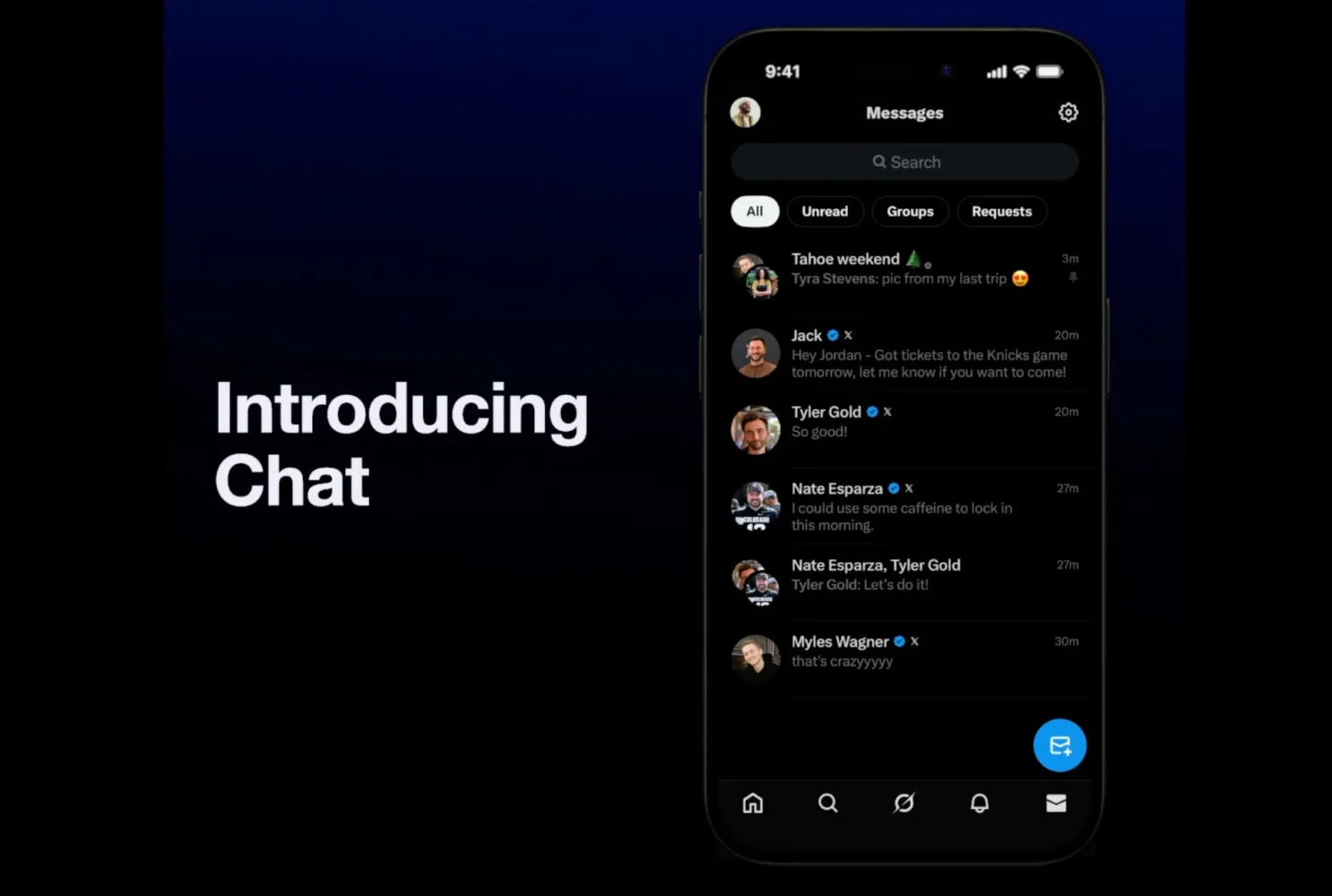
X has launched XChat on Android, introducing a dedicated messaging application that pulls direct conversations out of the main social platform and into a standalone experience. The app supports end-to-end encrypted chats, voice and video calls, group conversations, disappearing messages, media sharing, and file transfers up to 2GB, features that position it as a competitor to established services like WhatsApp, Telegram, and Signal. Following an earlier iOS debut, the Android availability broadens potential reach significantly, given the operating system’s dominant share of the global smartphone market.
The move aligns with longer-term ambitions to evolve X beyond its social media roots toward a more comprehensive “everything app” model. By separating messaging into its own home-screen shortcut, the company aims to create a cleaner, more focused communication tool while retaining ties to the broader X ecosystem. Additional details such as PIN-protected conversations and higher-quality media handling add layers of usability, yet the success of this strategy will ultimately depend on user willingness to adopt yet another messaging platform in an already crowded field.
From a technical standpoint, the emphasis on encryption and standalone functionality addresses common privacy expectations in modern apps. Notifications for participants and controls over features echo growing regulatory and user demands for transparency in digital communications. However, transitioning users from entrenched habits around WhatsApp or Signal remains a substantial challenge. Many will weigh convenience against the need to manage multiple apps, especially when core networks of contacts stay fragmented across platforms.
Historically, attempts to build all-in-one communication hubs have met mixed results, often succeeding more on brand loyalty than superior features alone. XChat benefits from integration with an existing large user base on X, yet it enters a mature market where reliability, network effects, and cross-platform consistency tend to outweigh novel capabilities. The Android release removes a clear barrier to mainstream adoption, but questions linger about daily engagement levels and whether the app can sustain momentum without deeper differentiation.
In practice, the tool offers practical benefits for those already active on X who value encrypted options without relying solely on the primary feed. File sharing and call quality could appeal to users handling professional or personal exchanges that require more than text. At the same time, the broader vision of an everything app invites scrutiny over data practices, notification overload, and the concentration of communication within a single corporate ecosystem—concerns that extend across the industry but warrant particular attention given X’s evolving ownership and priorities.
For now, XChat represents an incremental expansion rather than a seismic shift, clearing technical availability hurdles while leaving the harder work of habit formation to users and market dynamics. Its trajectory will reveal whether dedicated messaging can thrive independently or simply serve as a supporting feature within larger platform goals.