
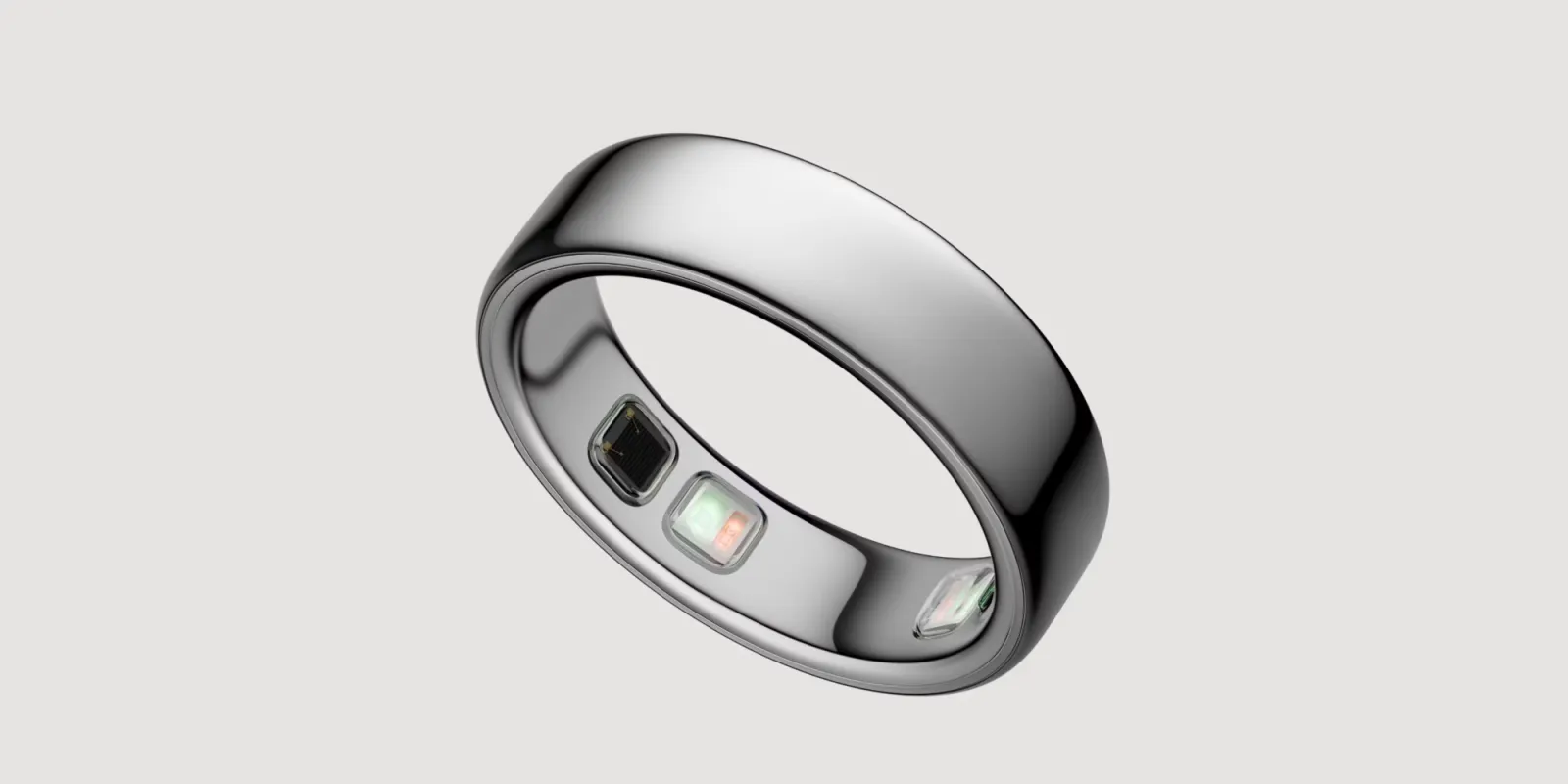
Apple appears to be revisiting the smart ring category after earlier dismissing it, according to a recent leak from a source with a reliable history on Apple hardware. The claim centers on an internal project referred to as the iRing, which has stirred fresh discussion about whether the company sees potential in a form factor many once viewed as niche or redundant.
The rumor surfaced on X from leaker Kosutami, who noted development activity without sharing specifications or a clear competitive strategy against established players like the Oura Ring and Samsung Galaxy Ring. This comes after reports from 2024, including comments from Oura’s CEO and Bloomberg’s Mark Gurman, suggested Apple had shelved any such plans to avoid overlapping with its Apple Watch business. At the time, the skepticism seemed reasonable—smart rings faced questions around battery life, sensor accuracy, and broad consumer appeal compared to wrist-worn devices.
Yet the market has evolved steadily in Apple’s absence. Samsung’s Galaxy Ring gained traction by offering a lighter alternative for sleep and recovery tracking alongside its watches, while Oura continued refining its ecosystem with detailed health metrics and AI-driven insights. Even Google’s Fitbit Air entry signals growing confidence in the category’s viability for passive, all-day monitoring without the bulk of a traditional wearable. For users who test these devices in real conditions—early hikes, evening runs, gym sessions, or long gaming nights—the appeal of something that disappears on the finger rather than competing for wrist real estate is clear. A ring simply registers less during sleep or daily tasks than even the slimmest watches.
If Apple moves forward, the iRing would likely prioritize tight integration with the Health app and iOS ecosystem, potentially delivering reliable passive data on sleep, readiness, and recovery that complements rather than replaces the Watch. This approach could address a common pain point: many people eventually abandon overnight watch wear due to discomfort, opting instead for dedicated sleep trackers or nothing at all. Historical parallels exist here—Apple often enters categories later, refining execution and leveraging its closed ecosystem for seamless experiences, as seen with earlier wearables. However, success would depend on delivering meaningful advantages in comfort, battery endurance, and actionable insights without simply mirroring what Oura or Samsung already provide.
That said, this remains early speculation. “Under development” at Apple can range from advanced prototypes to exploratory work that fades quietly, and previous abandonment reports have not been directly refuted. The company’s measured pace has served it well before, waiting for technology and market conditions to align. A polished, screenless health tracker could strengthen its wearables portfolio by offering true 24/7 options for those prioritizing minimalism, but it would also need to navigate the same challenges others have faced: accurate sensing in a tiny package, user-friendly data interpretation, and avoiding feature bloat that complicates rather than simplifies daily use.
For those already invested in existing smart rings, an Apple entry might intensify competition on privacy, ecosystem depth, and long-term software support—areas where differentiation matters most. Whether this materializes as a complete product or stays internal, the leak underscores how quickly perceptions of the smart ring space have shifted from doubtful experiment to viable segment. The coming months will reveal if Apple sees enough potential to commit fully.