

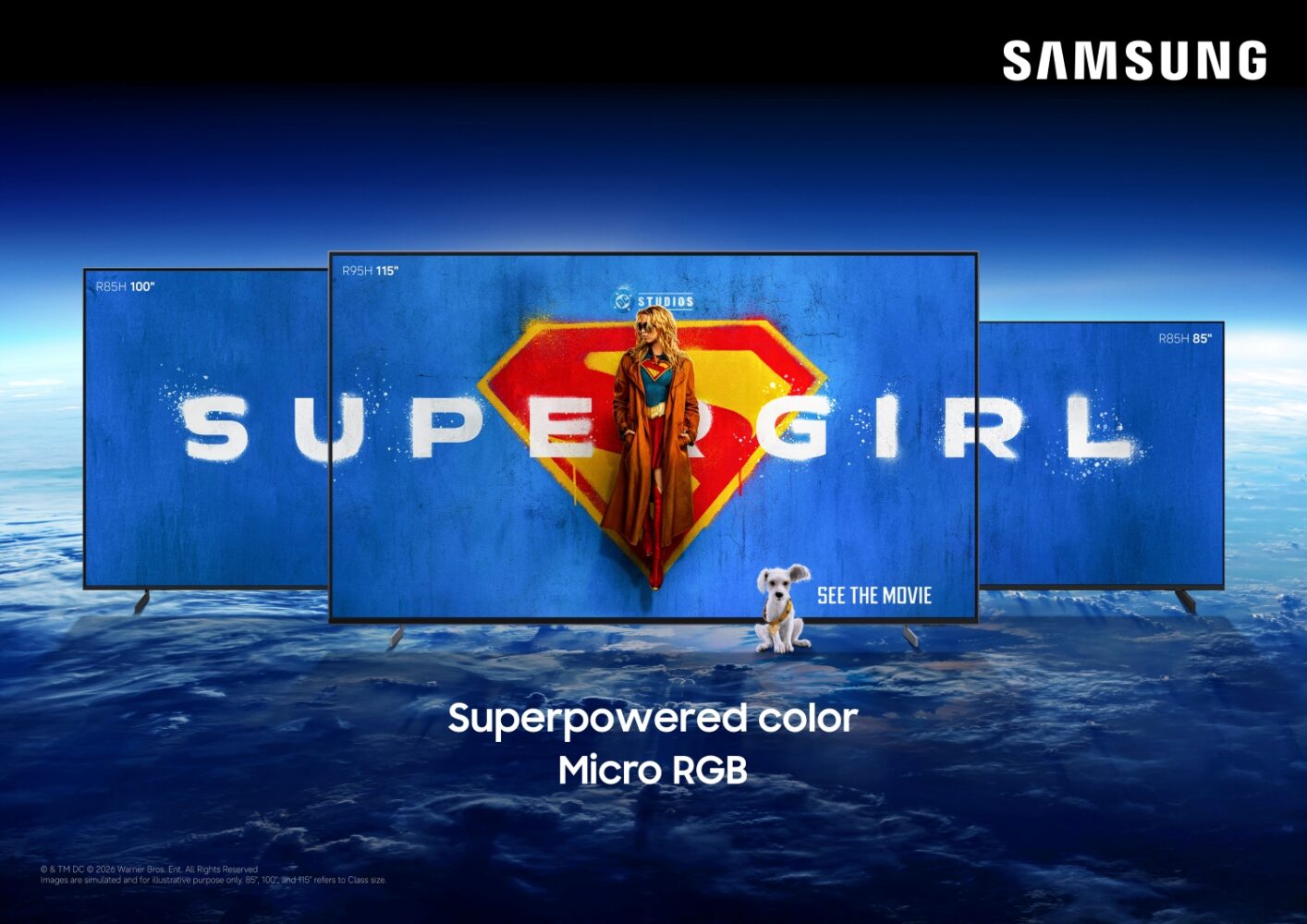
Samsung has teamed up with Warner Bros. Pictures and DC Studios to promote the new Supergirl film through its display products and retail channels. The collaboration, timed with the movie’s June 24 theatrical release, centers on Samsung Art Store, in-store activations, and limited experiential tie-ins, reflecting the routine marketing alliances between consumer electronics brands and major Hollywood releases.
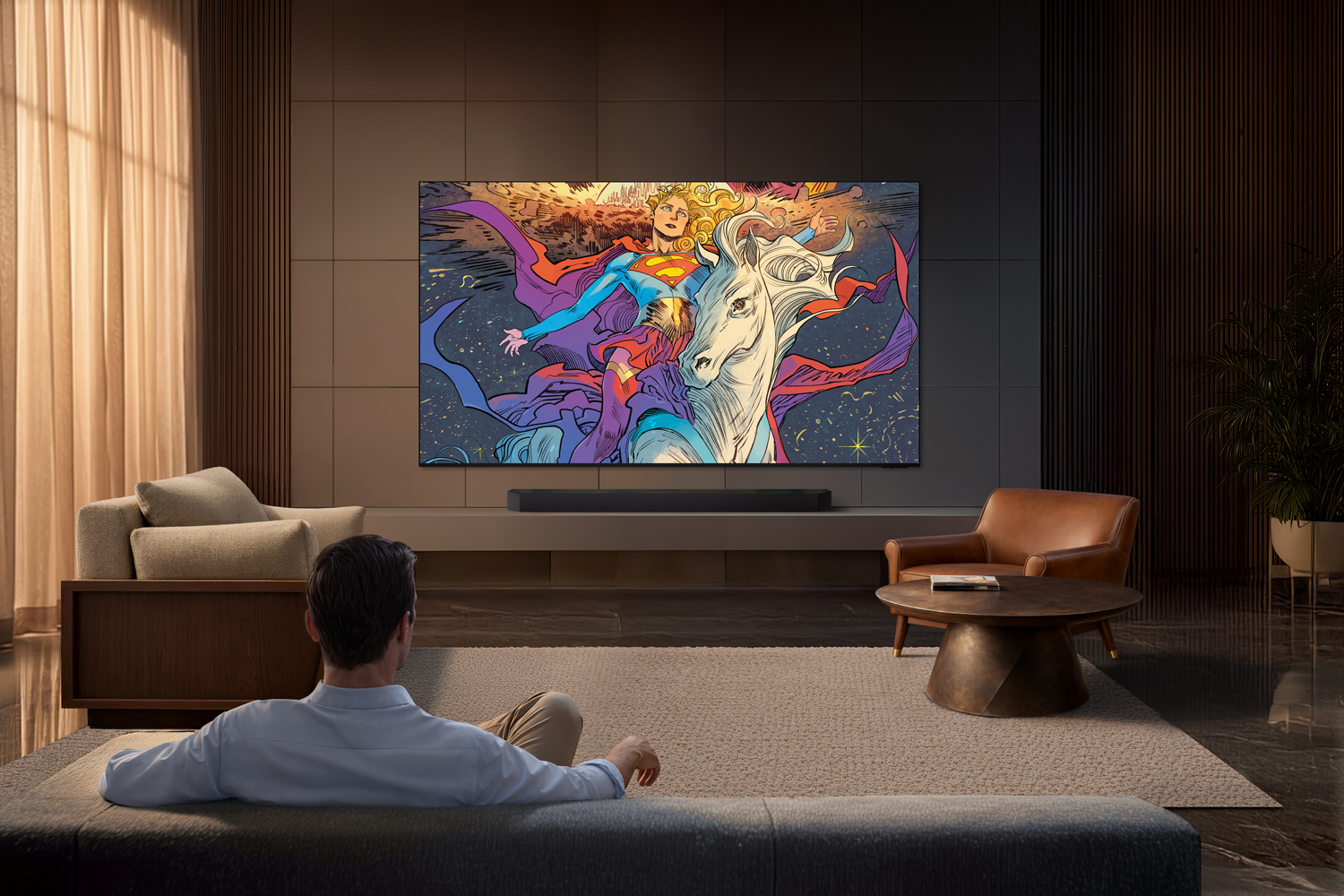
Samsung Art Store, available on compatible 2026 Art TV models, now features a limited collection of 15 DC-inspired digital artworks highlighting Supergirl’s comic book heritage. The artworks remain accessible until March 2027, allowing owners to display them as part of their home setup. While such integrations add thematic variety to digital frames, they primarily serve as extended advertising for both the film and the television lineup rather than groundbreaking cultural contributions.
In the United States, Samsung and Best Buy are running a sweepstakes through July 19 across more than 600 stores. Special Supergirl content plays on Micro RGB TV displays, where precise color rendering supposedly reveals hidden messages for additional contest entries. The promotion leverages the screens’ technical capabilities for engagement, yet it follows a familiar pattern of retail tie-ins designed to drive foot traffic and product visibility during a major summer release.
A pop-up experience in London during the film’s press tour further demonstrated the partnership. The Supergirl Rest Stop at Phonica Records incorporated Samsung TVs and audio equipment into themed spaces inspired by the movie, including recreations of character environments. These activations aim to immerse fans but often function more as photo opportunities than substantive extensions of the story.
The move continues Samsung’s established approach of aligning its visual display business with entertainment properties, building on a previous Superman collaboration. As the company maintains its position in the global TV market, such partnerships help associate its products with popular culture moments. Superhero films like Supergirl rely heavily on multi-platform promotion to cut through crowded summer schedules, and electronics brands provide convenient channels for reaching tech-savvy audiences at home and in stores.
From a broader perspective, these tie-ins highlight how entertainment and consumer technology increasingly overlap. Digital art platforms on televisions offer convenient personalization, yet their long-term appeal depends on content quality and variety beyond promotional collections. For consumers, the practical benefit remains the core display performance rather than temporary themed extras. The Supergirl partnership adds another layer of visibility for Samsung’s 2026 lineup but fits within predictable industry patterns rather than signaling a new direction in home entertainment.