

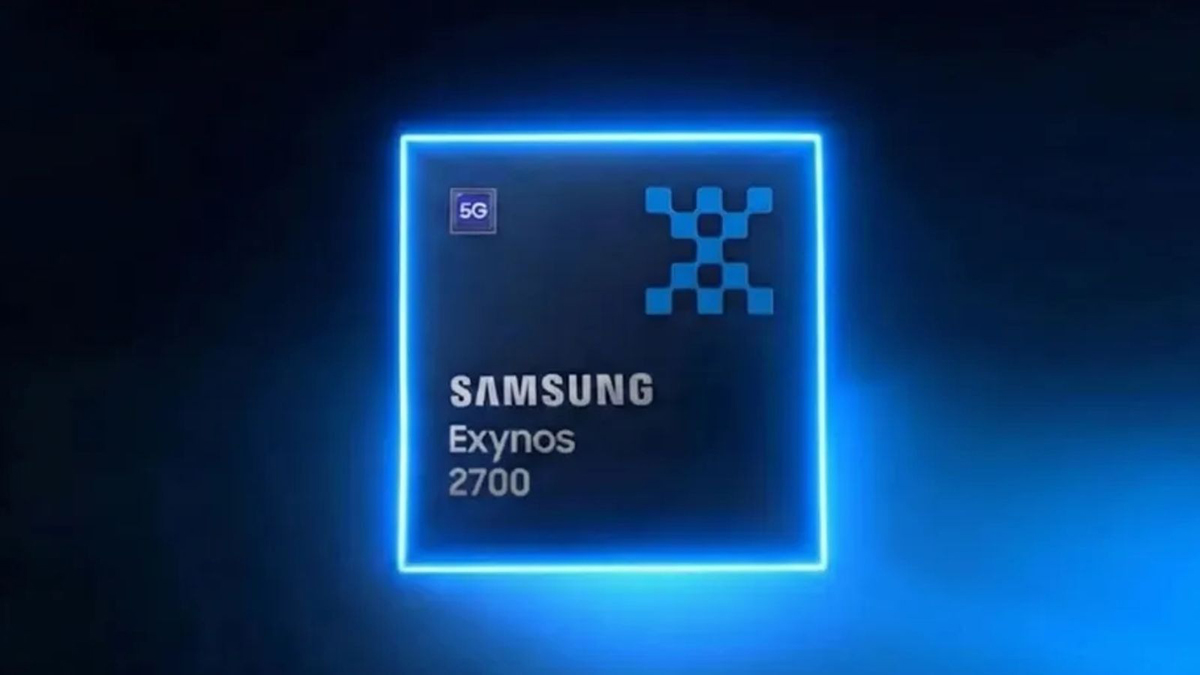
Samsung has confirmed development of the Exynos 2700 chipset, signaling its intent to continue offering its in-house processor alongside Qualcomm’s Snapdragon in future Galaxy S flagships. The announcement comes amid persistent questions about whether the company would shift entirely to Snapdragon for the Galaxy S27 series, following exclusive use of Qualcomm chips in the S23 and S25 generations.
During a recent management briefing, Samsung System LSI President Park Yong-In stated that work on the Exynos 2700 is progressing smoothly and that the chip targets top-tier smartphones. While no specific device was named, expectations point squarely toward the Galaxy S27 as its debut platform. This dual-chip strategy has long defined Samsung’s flagship approach, allowing regional customization while maintaining control over key silicon components. Yet past Exynos variants have sometimes struggled with thermal management, power efficiency, and consistent performance compared to their Snapdragon counterparts, leading to uneven user experiences across markets.
Early indications suggest Samsung is prioritizing efficiency gains with the new chip. Reports from 2024 onward highlighted ambitions for roughly 12 percent better performance alongside a 25 percent reduction in power consumption and an 8 percent smaller die size. Fabrication on the company’s second-generation 2nm process, known as SF2P, combined with new thermal management techniques, could help address longstanding criticisms. A recent Geekbench result for what appears to be an engineering sample showed performance roughly matching the Exynos 2600 but at notably lower clock speeds below 3GHz. This hints at a deliberate shift toward sustained efficiency and battery life rather than chasing peak benchmark numbers.
Such a focus makes practical sense given modern smartphone usage patterns. Many users value consistent, all-day performance and cooler operation over brief bursts of maximum speed that drain the battery quickly. Samsung reportedly plans additional features like an improved Heat Path Block design to enhance thermal dissipation under load. By comparison, Qualcomm’s anticipated Snapdragon 8 Elite successor is expected to emphasize higher peak capabilities, setting up another round of differentiation between the two platforms. The outcome could benefit consumers if Samsung successfully narrows the efficiency gap that has plagued previous Exynos generations in real-world scenarios.
Samsung’s continued investment in its own silicon reflects broader ambitions in the semiconductor space. The company has faced challenges scaling advanced process nodes, but success with the Exynos 2700 could strengthen its position against both external competitors and internal reliance on Qualcomm. For the Galaxy S27, the choice of chipset may once again influence regional availability and perceived value, with some markets potentially experiencing different performance profiles despite similar pricing.
Historically, Exynos-powered Galaxy phones have delivered competitive experiences in many respects, yet variability between Snapdragon and Exynos versions has occasionally frustrated buyers and reviewers. If the 2700 delivers on promised efficiency improvements without sacrificing responsiveness, it could mark a more convincing return for Samsung’s in-house flagships. For now, the confirmation reassures those who prefer the company’s vertical integration approach while underscoring the ongoing engineering challenges in mobile processor development. The coming months of testing and leaks will reveal how well these ambitions translate into tangible advantages for everyday users.