

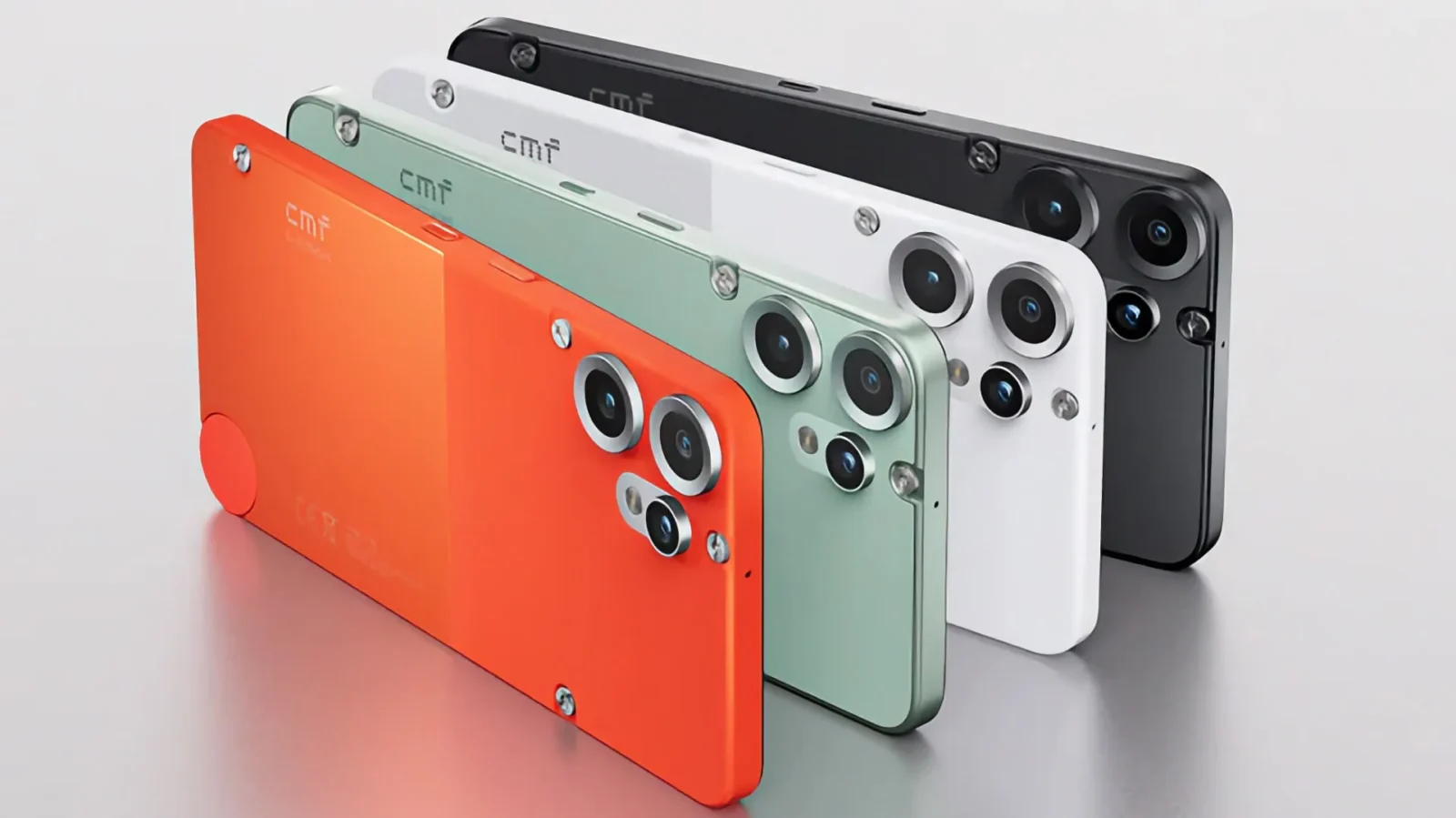
Nothing’s CMF Phone series, known for its budget-conscious approach to Android smartphones, has hit a significant roadblock. After launching two models that offered competitive value in a crowded market, the company has shelved plans for a third device this year. The decision stems from escalating component costs, particularly for memory, which have made it difficult to deliver meaningful improvements without pushing prices beyond the series’ accessible positioning.
Akis Evangelidis, co-founder of Nothing and the driving force behind the CMF line, addressed the situation directly on X. Development on a successor was underway, but current memory pricing prevents building a phone that represents a genuine step forward at a price that aligns with the CMF ethos. He noted that producing a device with specifications matching the existing CMF Phone 2 Pro would now cost around 50 percent more. That model has already been out of stock for some time, likely reflecting these supply chain pressures.
This development highlights a broader challenge in the smartphone industry. Nothing CEO Carl Pei recently pointed out that RAM has become the most expensive single component in many builds, surpassing even the processor and display in cost. In some cases, it accounts for more than half the total hardware expense. For budget-oriented lines like CMF, which rely on keeping prices low while delivering solid everyday performance, this shift is particularly disruptive.
The term “RAMageddon” has circulated in tech discussions for years, referring to periodic spikes in memory costs driven by demand from AI applications, data centers, and consumer electronics. What once seemed like a temporary fluctuation now appears more structural. Global supply chains for semiconductors remain complex, with limited new manufacturing capacity coming online quickly enough to ease pressures. Budget phone makers, in particular, feel the squeeze because they operate with thinner margins and fewer options to absorb increases compared to premium flagships.
Looking back, the CMF Phone series followed a familiar path seen in earlier waves of affordable Android devices. Brands have periodically entered the sub-$200 segment promising high value through clever design and stripped-down features, only to face component inflation that erodes their edge. The first CMF Phone earned attention for its balance of specs and price, prompting reviewers to question whether it was sustainable or simply an early outlier. The second iteration attempted to build on that, but sustained cost rises appear to have closed the window for a timely follow-up.
For consumers, this pause means fewer fresh options in the entry-level Android space at a time when demand for affordable, no-frills phones remains steady. Many users seek reliable daily drivers for calls, messaging, light gaming, and media without the premium tax of flagship features they rarely use. The absence of a new CMF model leaves a gap that other manufacturers may try to fill, though they face the same underlying cost realities.
Nothing has not abandoned the broader market. The company continues to expand its audio products and main Phone lineup, with recent retail availability in stores like Best Buy. Yet the CMF hiatus underscores how even innovative approaches to budget hardware can falter when raw material economics turn unfavorable. Without relief on memory pricing, a return to the series feels uncertain in the near term. The situation serves as a reminder that in consumer electronics, external economic forces often dictate the pace of progress more than engineering ambition alone.