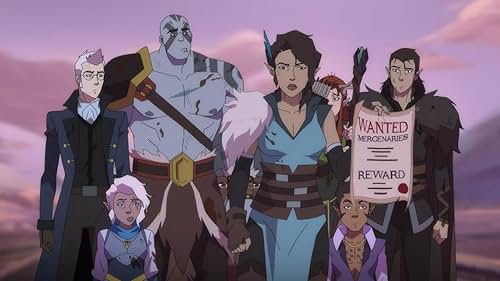
TL;DR: Episodes 7-9 of The Legend of Vox Machina Season 4 deliver an emotional onslaught as Delilah’s tragic past forces Keyleth into uncomfortable self-reflection, a painful Scanlan reunion exposes old wounds, and Pike’s grief spirals toward catastrophe with Grog’s shocking sacrifice. These installments masterfully blend psychological depth, stunning animation, and high-stakes fantasy action, leaving viewers devastated yet desperate for resolution in this powerful exploration of love, loss, and found family under pressure.
The Legend of Vox Machina Season 4
In the sprawling tapestry of animated fantasy that has redefined what it means to bring tabletop role-playing to the screen, The Legend of Vox Machina continues to deliver gut-wrenching emotional depth that rivals the best live-action epics. Season 4, particularly episodes 7 through 9, plunges the beloved ragtag group of adventurers into their most vulnerable chapter yet, forcing them to grapple not just with external cosmic horrors but with the fractures within their own found family. What unfolds is less a straightforward quest and more a raw meditation on grief, abandonment, and the terrifying lengths love can push even the mightiest heroes toward. As someone who has followed every dice roll and dramatic flourish since the early Critical Role days, these episodes hit like a critical hit to the heart, leaving me replaying key moments long after the credits rolled.
The story picks up momentum in Whitestone’s shadowed halls, where lingering ghosts of the past refuse to stay buried. Delilah Briarwood’s return stirs up old nightmares, but the series smartly layers her motivations with a heartbreaking humanity that complicates easy villainy. Here, the narrative invites us to witness the desperate ache of resurrection, the kind of all-consuming drive that mirrors the very quests our heroes have undertaken time and again. It is in these quieter, introspective sequences—filled with ancient journals, faded relics, and nature’s quiet judgment—that the show shines brightest. Keyleth’s internal struggle becomes a mirror for anyone who has ever faced the impossible choice between acceptance and defiance in the name of love. Her connection to the natural world, usually a source of strength, now amplifies her deepest fears about impending loss, particularly with Vax’s fate hanging like a sword of Damocles. This psychological unraveling feels authentic to the D&D spirit, where alignment shifts and personal backstories collide with world-ending threats in deeply personal ways.
The Pain of Reunion and the Weight of Need
Transitioning into the long-awaited reunion with a certain charismatic bard shifts the tone from introspective dread to something even more devastating: the quiet heartbreak of feeling used by the people you once called family. Scanlan’s arc in these episodes captures the bittersweet reality of growing apart after shared trauma. The group arrives seeking not just his company but a powerful artifact essential for the battles ahead, and the emotional undercurrents turn what could have been a triumphant homecoming into a masterclass in relational fracture. His guarded optimism crumbling into rejection resonates profoundly, especially in a world where adventurers often define themselves by their utility in the party. Pike’s reaction, layered with her own fresh grief over Wilhand, adds another dimension of sorrow that feels earned and painfully real. These moments elevate The Legend of Vox Machina beyond high-fantasy spectacle into something that speaks to real human (and gnome) experiences of love, loss, and the fear of being valued only for what you can provide.
The animation team deserves immense praise for conveying these nuances through subtle facial expressions and body language that wordlessly communicate volumes. A single look of cautious hope followed by crushing realization says more about Scanlan’s journey than any expository monologue could. It is the kind of storytelling that rewards longtime fans who remember the lighter, musical tavern antics from earlier seasons, making the contrast all the more poignant. In true Critical Role fashion, the voice acting elevates every beat, turning potential melodrama into grounded, lived-in emotion that lingers.
Grog’s Sacrifice and the Brink of Despair
Episode 9 catapults everything into pure chaos, where grief-fueled decisions lead to irreversible consequences that echo across the entire party dynamic. Grog, often the comic relief powerhouse, steps into a rare role of emotional anchor, pleading for restraint and honoring lost wisdom in ways that reveal his growth since the Chroma Conclave days. His selflessness in these sequences provides a stark counterpoint to the spiraling rage around him, making what follows hit with the force of a disintegrating barbarian. The visual spectacle of magical tolls exacting their price delivers that Infinity War-level shock, a reminder that in this universe, no one is truly safe, no matter how tanky their hit points.
Pike’s descent into unbridled fury afterward feels like a natural culmination of accumulated losses, transforming her into a force of vengeance that terrifies as much as it compels sympathy. The portal cliffhanger is brutal, leaving viewers in a state of suspended anguish that perfectly encapsulates the season’s themes of separation and desperate reunion. These episodes masterfully balance explosive action with intimate character work, ensuring that every spell cast and sword swung carries the weight of personal stakes. It is high-stakes storytelling that understands the RPG roots: sometimes the real boss fight is against your own demons and the fear of losing your party forever.
Throughout these installments, the series continues to honor its source material while carving out fresh emotional territory. The post-Chroma Conclave world feels lived-in and consequential, with each member of Vox Machina wrestling with purpose beyond endless adventuring. Delilah’s cult entanglements tie back to larger cosmic threats in ways that promise even greater payoffs, while individual arcs like Keyleth’s nature-infused introspection and Pike’s crisis of faith add layers of thematic richness. Geek culture has long celebrated found families in fantasy, from The Fellowship of the Ring to modern tabletop adaptations, but few capture the messy reality of those bonds straining under pressure quite like this.
What makes these episodes particularly compelling is their willingness to sit with discomfort. There are no easy resolutions or quick reconciliations; instead, we get the raw messiness of friends hurting each other while trying to save the world. This authenticity elevates The Legend of Vox Machina Season 4 into must-watch territory for anyone who appreciates storytelling that values character over constant quips, even as it delivers plenty of the latter when the moment calls for levity. The animation has never looked more cinematic, with lighting and particle effects that make Whitestone feel alive with history and the portal sequences pulse with otherworldly danger.
Verdict
The Legend of Vox Machina Season 4 episodes 7-9 represent the series at its most emotionally ambitious and narratively bold. By leaning into the painful realities of fractured friendships, grief-driven choices, and the cost of resurrection, it delivers a rollercoaster that will leave fans both shattered and eagerly awaiting the next chapter. This is peak Critical Role storytelling translated to animation—flawed, passionate, and utterly addictive for those invested in the characters’ journeys.