TL;DR: The Furious is a powerhouse martial arts thriller that puts jaw-dropping, practical action front and center in a streamlined revenge tale anchored by strong performances and precise direction. It excels as pure cinematic adrenaline, proving the genre’s enduring vitality with immersive fights and heartfelt stakes that hit hard without unnecessary complications—essential viewing for action fans seeking authenticity over flash.
The Furious
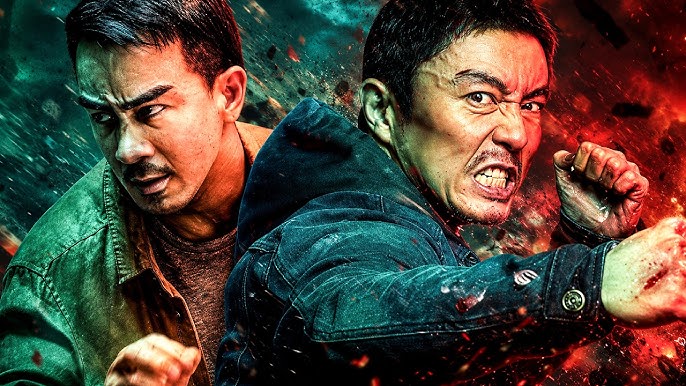
In the relentless churn of modern blockbusters where green-screen spectacles and endless CGI armies often drown out the human element, The Furious arrives like a thunderous punch to the gut, reminding us why martial arts cinema still packs such an electric charge. This isn’t some soulless franchise extension or another glossy reboot—it’s a lean, mean, character-fueled thrill ride that harkens back to the genre’s glory days while carving out its own brutal identity. Director Kenji Tanigaki, a master of physical storytelling with roots deep in Japanese action craftsmanship, delivers a film that feels alive in every bone-crunching frame. As Wang Wei, played with quiet intensity and explosive physicality by Tse Miu, navigates a personal hell of loss and vengeance, audiences are pulled into a world where every strike carries emotional weight. It’s the kind of movie that leaves you breathless, not from over-the-top explosions, but from the sheer, unfiltered power of bodies in motion, sweat, and determination. For geeks who grew up devouring Shaw Brothers classics, Jet Li epics, and the gritty realism of films like The Raid, The Furious feels like coming home to a genre that’s been waiting for this kind of revival.
What sets The Furious apart in today’s crowded action landscape is its unwavering commitment to authenticity and immersion, treating the camera like a participant in the mayhem rather than a distant observer. Tanigaki’s background in stunt work and choreography shines through in sequences that blur the line between film and visceral experience, making viewers flinch, lean forward, and occasionally wince in empathetic pain. The story, at its core, taps into that primal fatherly instinct for protection—a seemingly ordinary man thrust into an underworld of crime and corruption after his daughter vanishes. Yet it never pretends to reinvent the wheel with convoluted twists or philosophical detours. Instead, it smartly uses this straightforward revenge framework as rocket fuel for one meticulously orchestrated fight after another. This approach echoes the mythic yet grounded storytelling of classics like Enter the Dragon, where personal stakes amplify the physical poetry of combat. In The Furious, the action isn’t just set dressing; it’s the heartbeat of the narrative, pulsing with a rhythm that feels both timeless and refreshingly contemporary.
The Action Sequences That Hit Like a Hammer to the Skull
Diving headfirst into the film’s standout moments reveals why The Furious earns its place among the best pure-action offerings this century has seen so far. Early on, a warehouse confrontation in a frozen food facility transforms from a standard lead-chasing scene into an absolute masterclass of tension and brutality. Wang teams up with the formidable Navin, portrayed by Joe Taslim with that signature blend of precision and quiet menace fans will recognize from his work in high-octane thrillers. Facing down a towering henchman built like a human wrecking ball—one who absorbs punishment like it’s mere background noise—the fight becomes a symphony of improvised weapons, bone-jarring impacts, and relentless forward momentum. You can almost feel the chill of the environment mixing with the heat of exertion, the camera weaving through the chaos in ways that make every swing of a hammer or improvised tool land with devastating clarity. Tanigaki’s direction ensures these beats aren’t just flashy; they’re deeply tactile, with sound design that amplifies each wet thud, crack, and grunt into something almost primal. It’s the sort of sequence that lingers long after the credits roll, sparking conversations among fellow action enthusiasts about choreography that respects both the art form and the audience’s intelligence.
What elevates these fights beyond mere spectacle is the way they weave character development into the violence itself. Wang isn’t a superhuman assassin from page one; his progression from everyday guy to vengeful force feels earned through every dodged blow and hard-learned lesson. Allies like Navin add layers of camaraderie and contrasting styles, turning duo dynamics into something electric on screen. The film smartly avoids the trap of repetitive set pieces by varying environments and escalating threats, keeping the adrenaline flowing without fatigue. Think of it as a live-action RPG boss rush where each encounter tests not just physical limits but emotional resolve, much like the tactical depth in strategy games or the escalating stakes in beloved martial arts sagas. For those of us who geek out over practical effects and real stunt work, The Furious delivers a masterclass that puts many Hollywood tentpoles to shame, proving that raw physicality still reigns supreme when executed with this level of care and creativity.
Story Simplicity as Strategic Strength
While the action commands center stage, the narrative backbone of The Furious deserves credit for knowing exactly what it is and refusing to overreach. In an era where thrillers often bloat themselves with unnecessary subplots and franchise teases, this film keeps things refreshingly direct: a kidnapping ignites a one-man war against a sprawling criminal network. This minimalism isn’t laziness—it’s precision engineering, allowing the emotional core of paternal fury to shine without dilution. Tse Miu brings a grounded everyman quality to Wang Wei that makes his transformation compelling, drawing viewers into his rage while hinting at deeper layers of regret and resilience. Supporting performances, including Taslim’s steely ally, add texture and believable alliances that heighten the stakes. The script, from its team of writers, respects the genre’s traditions without feeling derivative, crafting a story that serves the fights rather than competing with them. It’s a reminder that sometimes the most effective tales are the ones that strip away excess, focusing instead on universal themes of justice, loss, and the lengths we’ll go for family.
Tanigaki’s vision ties everything together with a visual language that feels both sleek and gritty, capturing urban underbellies and industrial spaces with a cinematic eye that enhances rather than distracts from the human drama. The film’s runtime clocks in at a tight 113 minutes, ensuring momentum never wanes and leaving audiences satisfied yet hungry for more. Production elements like sharp editing and a score that underscores tension without overpowering the physical sounds of combat create an immersive package. For cinephiles who appreciate how directors like Tanigaki bridge Eastern action heritage with modern sensibilities, this stands as a shining example of genre evolution—honoring roots while pushing boundaries through sheer execution.
Why The Furious Matters in Today’s Action Cinema
Stepping back, The Furious represents more than just another strong entry in the martial arts thriller pantheon; it reaffirms the enduring appeal of stories built on human limits and unbreakable will. In a landscape increasingly dominated by multiverse madness and digital wizardry, films like this ground us in the tangible thrill of what trained bodies can achieve. Comparisons to the John Wick series are inevitable—and fair—given the relentless pursuit and stylish violence, but The Furious differentiates itself through its cultural specificity and unyielding focus on raw, unadorned physicality. Tanigaki’s influence brings a distinct flavor, blending influences from Hong Kong cinema legends with contemporary pacing that feels urgent and relevant. It’s the movie you recommend to friends who lament the lack of “real” action, the one that sparks late-night debates about greatest fight scenes and unsung stunt performers. As someone who’s screened countless entries in this genre, I walked away genuinely energized, appreciating how it balances spectacle with soul.
The cast’s commitment shines in every close-quarters brawl, elevating familiar tropes into something personal and poignant. Themes of empire-toppling revenge resonate on a mythic level, evoking underdog epics from comics and video games where one determined hero faces impossible odds. Yet The Furious never loses sight of its emotional anchor, making the violence feel consequential rather than cartoonish. It’s this balance that cements its status as a highlight of 2026’s theatrical offerings, a film that delivers on the promise of pure adrenaline while inviting deeper reflection on family, justice, and redemption. For Star Wars fans or gamers who appreciate tactical combat and narrative drive, there’s plenty here to savor in the strategic flow of each confrontation.
Verdict
The Furious stands tall as a triumphant return to form for martial arts action thrillers, blending breathtaking choreography, committed performances, and smart directorial choices into a package that’s both exhilarating and emotionally resonant. Kenji Tanigaki has crafted something special that honors the genre’s legacy while injecting fresh energy for new generations of fans. It’s not flawless—its simplicity may not satisfy those craving intricate plots—but in delivering what it promises with such visceral excellence, it soars. This is the kind of film that reminds us why we fall in love with cinema’s most kinetic stories, leaving fists clenched and hearts racing long after the final frame.