TL;DR: John Travolta’s directorial debut is a slight but charming 61-minute nostalgia trip that captures childhood wonder during a 1962 propeller plane journey with dreamy visuals and heartfelt family touches. While light on conflict and heavy on voiceover, its gentle celebration of bygone aviation romance and simple joys makes for a pleasant, harmless diversion perfect for relaxed viewing rather than must-see event cinema.
Propeller One-Way Night Coach
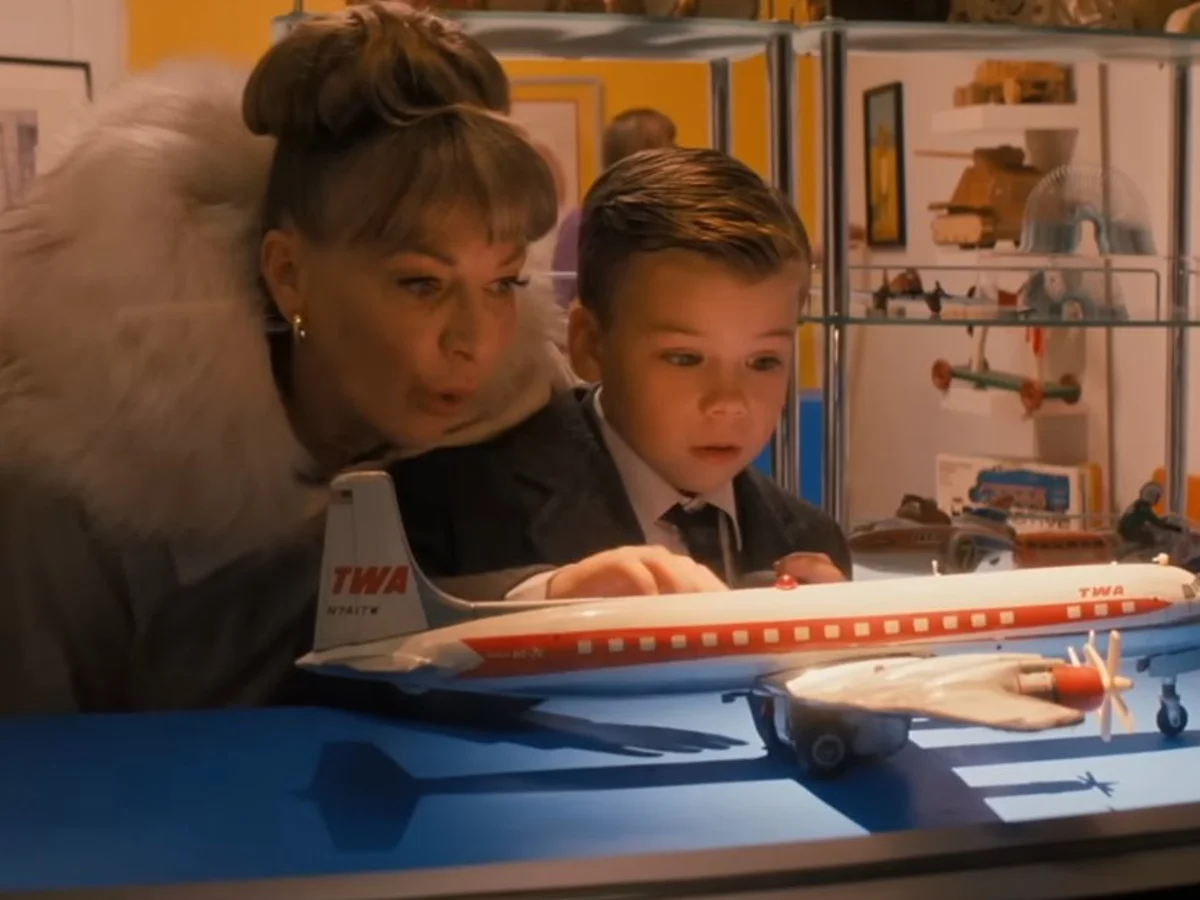
There is something profoundly disarming about watching a filmmaker return to the wide-eyed perspective of their younger self, especially when that filmmaker is John Travolta stepping behind the camera for the very first time. Propeller One-Way Night Coach feels less like a traditional narrative feature and more like a tender, half-remembered dream captured on celluloid, where the hum of piston engines and the soft glow of cabin lights become portals to a simpler time. Set against the crisp December skies of 1962, the story follows young Jeff and his mother Helen as they embark on a cross-country propeller plane journey from New York to California, chasing Hollywood dreams while the boy nurtures his own obsession with aviation. What unfolds is not a high-stakes adventure packed with turbulence or dramatic revelations, but rather an intimate, almost meditative recreation of how monumental ordinary experiences can feel through the eyes of a child. Travolta, drawing from his own 1997 novel, infuses the film with a deeply personal rhythm that celebrates nostalgia without demanding grand emotional payoffs. In an era where blockbusters dominate with endless spectacle, this slim 61-minute slice of life offers a refreshing counterpoint—a reminder that sometimes the most powerful stories are the ones that simply ask us to remember what it felt like to wonder.
John Travolta’s Passion Project and the Art of Cinematic Reminiscence
John Travolta has always carried a certain magnetic charm on screen, that effortless cool mixed with genuine warmth that made him an icon across decades. With Propeller One-Way Night Coach, he channels that same energy into his directorial debut, creating something that feels like a love letter to both his family and a vanishing era of American travel. The inclusion of his daughter Ella Bleu Travolta as one of the flight attendants adds a touching layer of real-life authenticity, turning the production into a quiet family affair that enhances the film’s intimate vibe. Travolta himself narrates as the older Jeff, his voice wrapping around the story like a comforting blanket, guiding viewers through the boy’s perspective with a gentle persistence that grows endearing once you settle into its cadence. This choice might initially feel heavy-handed to audiences craving visual storytelling over exposition, yet it mirrors how memory actually works—layered, reflective, and constantly interpreting the past through the wisdom of age. As a cinephile who has devoured countless aviation tales from The Right Stuff to Top Gun, I found myself unexpectedly moved by how Travolta treats the propeller plane not as mere transportation, but as a majestic vessel of possibility. The film captures that specific mid-century optimism where flying still carried a touch of glamour and adventure, before security lines and cramped seats turned it into something far more mundane. Travolta’s direction shines brightest in these atmospheric details, proving that even without massive budgets or CGI dogfights, a passionate storyteller can make the simple act of boarding a plane feel cinematic and alive.
Childlike Wonder Meets the Realities of a Changing World
What makes Propeller One-Way Night Coach resonate on a deeper level is its commitment to viewing the world through Jeff’s fascinated gaze, where every rivet on the aircraft fuselage and every polite smile from the flight attendants holds profound significance. Young Clark Shotwell delivers a wonderfully natural performance as Jeff, embodying that perfect blend of curiosity and innocence that many child actors struggle to capture without veering into precocious territory. His wide-eyed reactions to the mechanics of flight and the diverse passengers around him turn the cabin into a microcosm of 1960s America, complete with unspoken tensions and quiet hopes. The journey itself becomes a character, with stops along the route serving as gentle beats in a larger symphony of transition—both for the family heading west and for an entire mode of travel on the cusp of obsolescence. As jets began dominating the skies, these propeller routes represented the last gasp of a more romantic era, something Travolta clearly cherishes and wants us to appreciate before it fades entirely from collective memory. I couldn’t help but draw parallels to my own childhood experiences with long road trips or family vacations, those moments where the journey itself dwarfed the destination in importance. The film excels at illustrating how children filter out adult complexities—the casual conversations laced with adult undertones, the weight of historical traumas mentioned in passing—and focus instead on pure, unadulterated excitement. This approach creates a soothing, almost therapeutic viewing experience that stands in stark contrast to today’s hyper-stimulated entertainment landscape.
Visual Poetry and the Limitations of Nostalgic Storytelling
Visually, Propeller One-Way Night Coach bathes itself in a dreamy, heightened aesthetic that immediately transports viewers to the early 1960s with impressive attention to period detail. The animated opening credits set a playful, retro-futuristic tone that carries throughout, using light, color, and thoughtful set design to craft a world filtered through childlike wonder. Soft golden hues filtering through airplane windows, the polished curves of vintage aircraft interiors, and the subtle choreography of flight attendants moving through narrow aisles all contribute to an immersive sensory experience that feels lovingly crafted. Travolta demonstrates a keen eye for composition here, turning confined spaces into canvases for emotional storytelling. However, the heavy reliance on voiceover does occasionally rob certain scenes of their potential power, as if the director didn’t fully trust the audience to connect with the visuals alone. This is where the film reveals its slightness—not in a negative way, but as a deliberate artistic choice that prioritizes atmosphere over conflict. The dialogue, when characters speak without narration, can feel somewhat stilted at times, yet even these moments contribute to the overall authenticity of recalling imperfect childhood memories. In many ways, Propeller One-Way Night Coach functions like a cinematic scrapbook, preserving fleeting emotions and sensory details that might otherwise be lost to time. It invites geeks and casual viewers alike to reflect on their own formative experiences, whether involving first flights, family relocations, or simply discovering passions that would shape their adult lives.
The Heartwarming Ensemble and Themes of Connection
The supporting cast brings genuine warmth to this airborne tale, particularly Kelly B. Eviston as Helen, whose performance captures the quiet determination of a mother chasing dreams while protecting her son’s sense of magic. The flight attendants, including Ella Bleu Travolta’s Doris, emerge as delightful co-conspirators in preserving the wonder of the journey, their interactions with Jeff feeling refreshingly human and unforced. These relationships ground the film in emotional reality even as it drifts through its more nostalgic passages. Travolta seems particularly interested in exploring how shared experiences, like long flights, can create temporary communities that transcend normal social boundaries. In our current fragmented world, there’s something beautifully reassuring about this message, a reminder that connection often happens in the most unexpected places. The film gently acknowledges the broader historical context swirling around these characters—the post-war optimism, the lingering shadows of global conflicts, the evolving American Dream—without letting them overwhelm the central focus on a boy’s aviation-fueled adventure. This restraint allows Propeller One-Way Night Coach to function as both a personal story and a subtle cultural snapshot, offering layers for viewers who want to dig deeper while remaining accessible for those seeking a lighter, more atmospheric watch.