
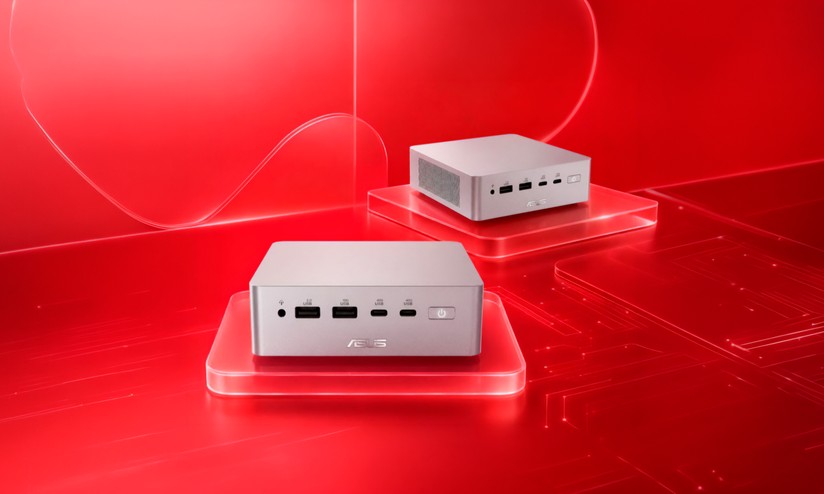
The ASUS Ascent QN10 marks another attempt to challenge Apple’s dominance in the compact desktop space. Announced on June 1 in partnership with Qualcomm, this mini PC is the first to feature the Snapdragon X2 Elite processor, positioning it as a Windows-based alternative to the Mac Mini for users seeking strong multi-core performance in a small footprint.
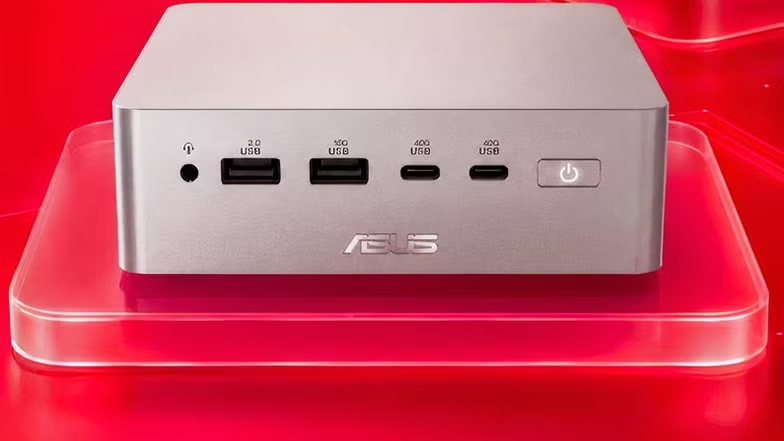
Details on full specifications remain limited, but the device includes a practical selection of ports: three 40Gbps USB4 Type-C connections, three 10Gbps USB 3.2 Type-A ports, a USB 2.0 Type-A port, HDMI 2.1 output, a 2.5G Ethernet jack, and a standard audio connector. This configuration supports multiple displays, fast external storage, and networking needs without requiring bulky add-ons. ASUS is targeting three main groups — prosumers who prioritize power density for creative hobbies, developers handling code compilation and virtual machines, and businesses requiring efficient workstations for everyday tasks with occasional heavier workloads like video editing.
The Snapdragon X2 Elite brings competitive credentials to the table. It generally performs well in multi-core scenarios and AI-related tasks compared to equivalent Apple silicon, offering advantages for certain parallel workloads. However, Apple chips often retain the edge in single-core responsiveness and integrated graphics performance, depending on the exact models compared. This reflects the ongoing ARM-based competition in personal computing, where Qualcomm has made steady progress since its initial Windows on Arm efforts, though software compatibility and native app optimization remain persistent challenges for non-Apple platforms.
Mini PCs have grown in popularity as users look for quieter, more energy-efficient systems that fit modern workspaces. The Mac Mini has set a high bar here through its balance of performance, build quality, and macOS integration. The Ascent QN10 attempts to counter with the familiarity of Windows and potentially lower entry pricing, though actual costs will determine its real competitiveness. Past Windows-based mini PCs using Snapdragon chips have shown promise but sometimes struggled with driver support and application performance in real-world use. If ASUS delivers solid RAM and storage options alongside reliable cooling, the QN10 could appeal to those who prefer Windows but want something more portable than traditional towers.
That said, success will hinge on more than hardware. Windows on Arm has improved significantly, yet certain professional software still runs better under emulation or lacks full native versions. For developers and businesses, this could introduce friction that Apple’s tightly controlled ecosystem largely avoids. The compact form factor helps keep desks tidy and supports flexible monitor setups, such as ultrawides for productivity, but buyers should weigh these conveniences against long-term software maturity.
Overall, the ASUS Ascent QN10 represents a credible step in the Windows mini PC category at a time when demand for efficient, space-saving desktops continues to rise. It may not displace the Mac Mini for users already invested in Apple’s platform, but it offers a viable option for those seeking alternatives. As more details on pricing, configurations, and benchmarks emerge, its place in the market will become clearer. For now, it underscores the growing diversity in compact computing hardware beyond traditional x86 designs.