

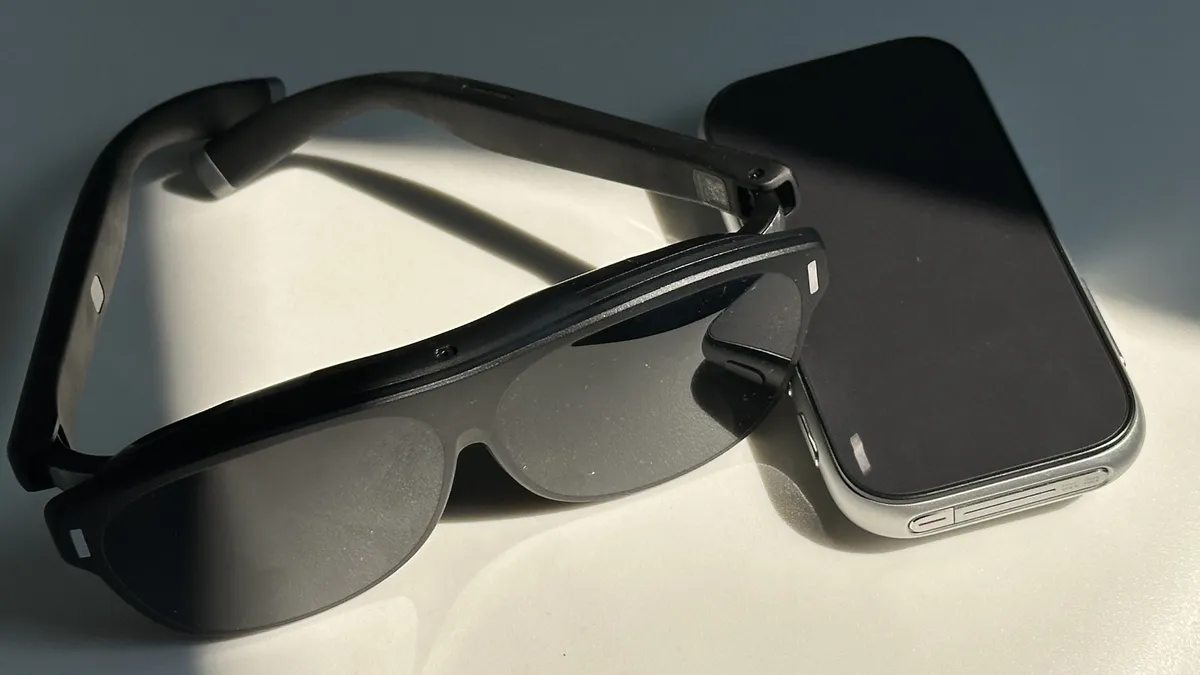
Rokid has introduced its latest entry in the augmented reality space with the AR Spatial glasses, aiming to deliver a lightweight, wearable alternative to traditional computing setups. Instead of staring at a monitor or lugging a laptop, users strap on these AR glasses to project a virtual display up to 300 inches across, floating in their field of vision.
The system pairs the Max 2 AR glasses with Rokid’s new Station 2 hub, combining hardware and software to support multitasking and media consumption. At just 75 grams and constructed from aerospace-grade materials, the Max 2s are designed for extended use and are compatible with prescription eyewear. Built-in diopter adjustment (ranging from 0.00D to -6.00D) and customizable pupillary distance add to the comfort and usability.
The core of the experience runs on YodaOS Master, Rokid’s custom operating system, which is designed to handle multiple windows and applications with minimal latency. The goal is to offer a seamless virtual desktop experience that users can take almost anywhere—from crowded coffee shops to small apartments.
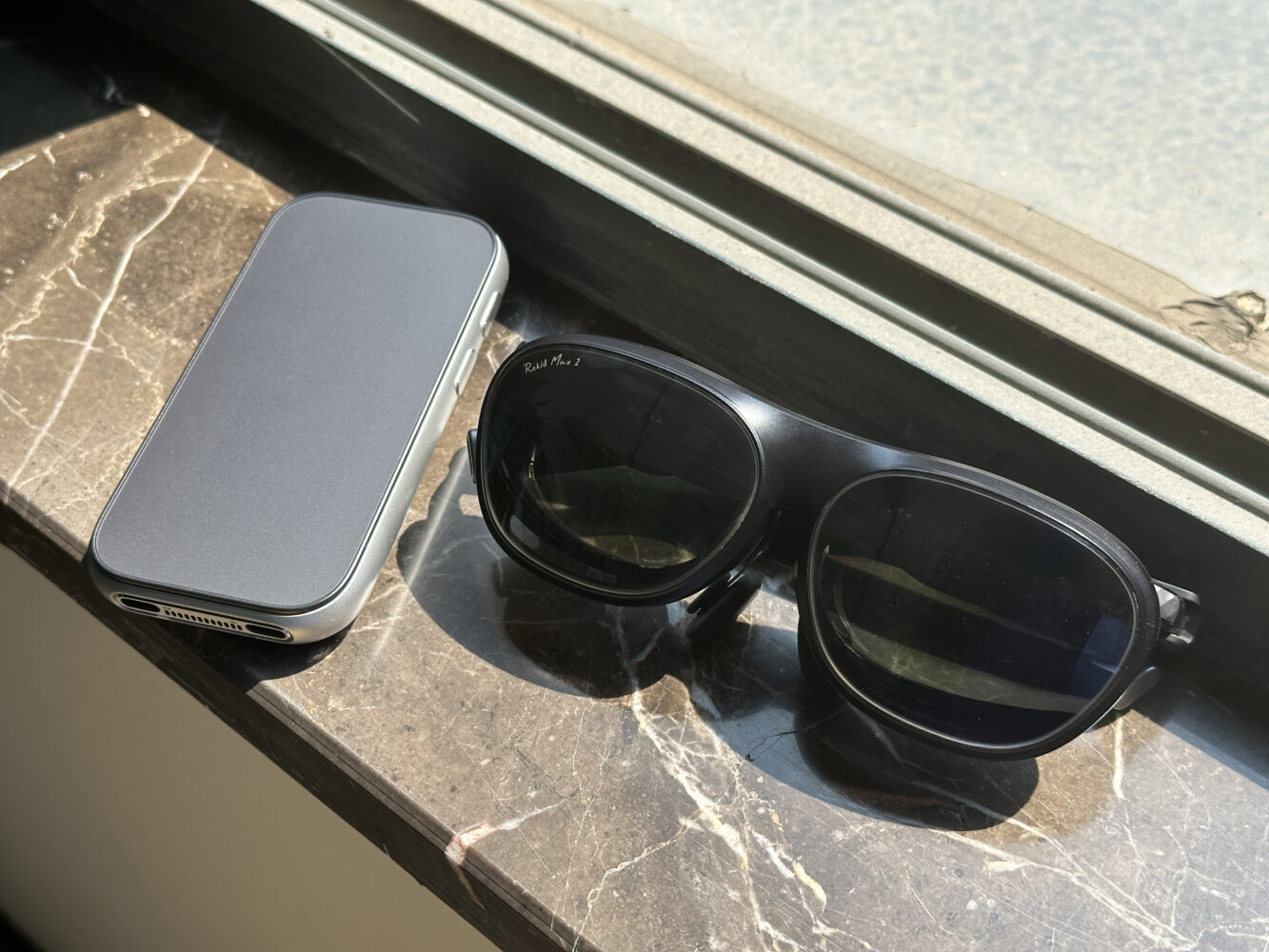
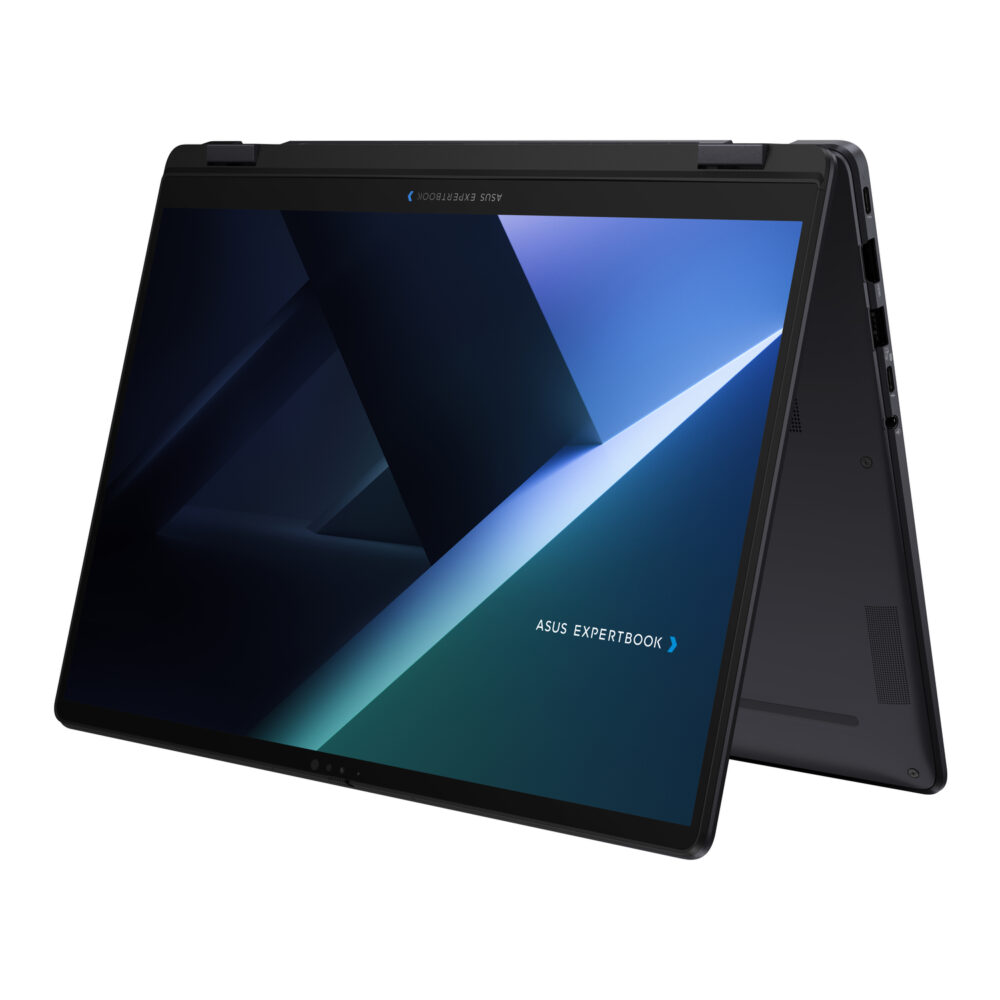
Unlike some AR devices that struggle with usability or require unfamiliar workflows, Rokid’s system leans into compatibility. The AR Spatial setup works with smartphones, tablets, or laptops, and supports standard Bluetooth peripherals like keyboards and mice. It’s a portable, modular take on personal computing, offering more screen real estate without the physical bulk.
While AR headsets often promise much and deliver little, Rokid’s approach is practical: make virtual screens accessible, comfortable, and stable enough to actually use for work or entertainment. It’s not a cheap setup—the AR Spatial bundle retails for $648, though a launch promotion brings it down to $578 with a code—but it may appeal to mobile professionals, remote workers, and early adopters seeking more immersive tools.
Rokid showcased the device at major tech events like CES 2025 and Milan Design Week, signaling its interest in reaching both enterprise and lifestyle audiences. The challenge now will be proving that these AR glasses are more than a niche novelty—and can genuinely replace or enhance the ways we currently work and play.