
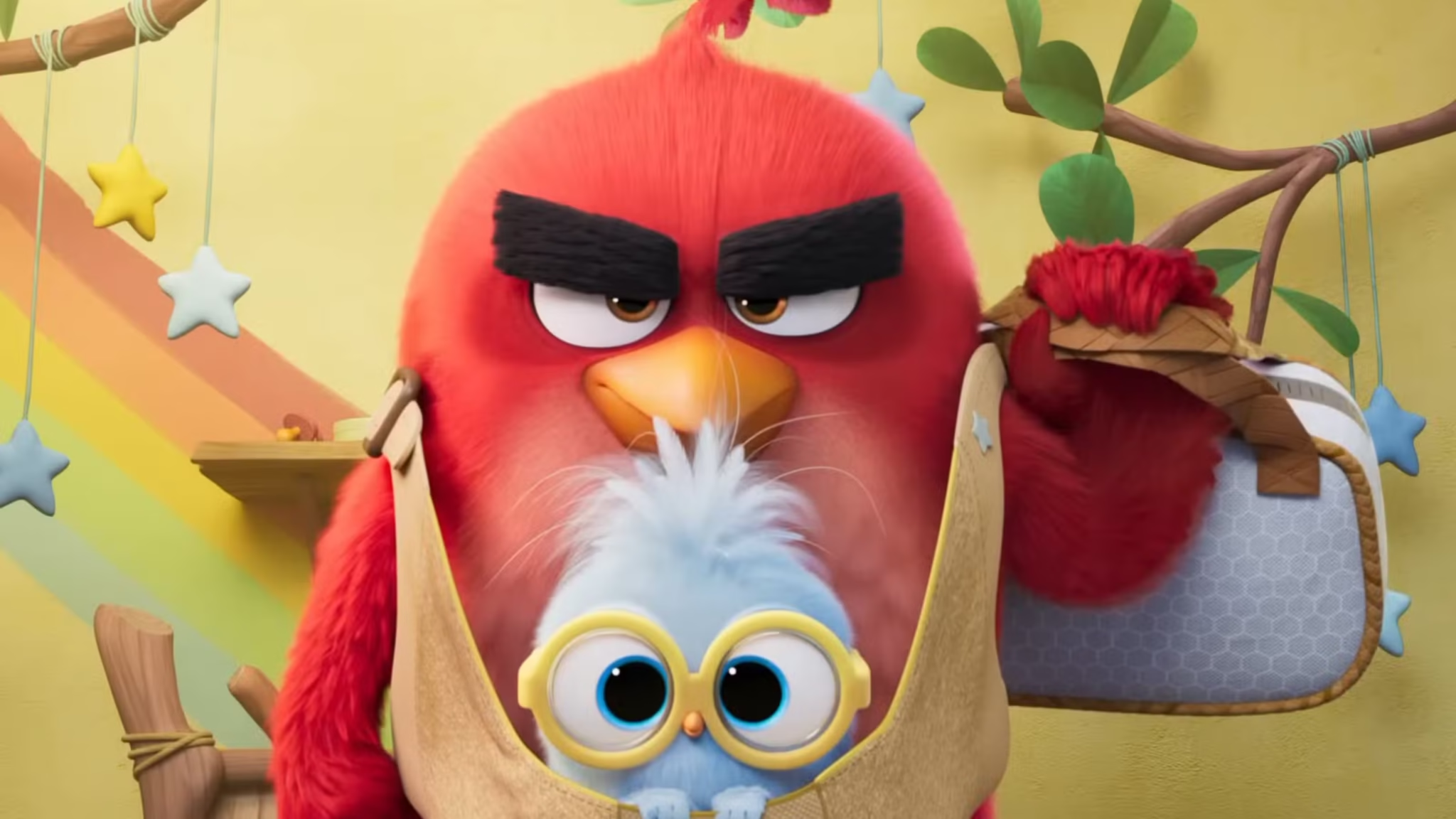
The Angry Birds Movie 3 arrives in theaters on December 23, continuing a franchise that began as a simple mobile game in 2009 and grew into a multimedia enterprise spanning games, animation, and films. The latest trailer focuses on Red, voiced by Jason Sudeikis, facing what the story presents as his most personal challenge yet: fatherhood. Alongside partner Silver, voiced by Rachel Bloom, Red navigates life with three children voiced by Walker Scobell, Emma Myers, and Psalm West. Scobell plays the adventurous teen Glider, Myers the independent daughter, and West the baby hatchling Olly. Returning cast members include Danny McBride as Bomb and Josh Gad as Chuck.
This installment attempts a domestic shift from the earlier movies’ broader conflicts between birds and pigs. According to the young actors, Red’s efforts to stay involved often lead to awkward, embarrassing moments typical of overeager parenting. Myers described the character trying to appear cool and relevant to his kids but landing in cringeworthy territory, a relatable angle for family audiences. The approach marks a deliberate evolution, trading large-scale action for character-driven comedy centered on generational gaps and everyday chaos within the bird community. Whether this tonal adjustment sustains interest remains to be seen, especially after two previous films that leaned heavily on slapstick destruction and rivalries.
The cast brings familiarity and some star power. Sudeikis returns as the hot-tempered yet well-meaning Red, a role that fits his comedic timing. Scobell, known for his work in other youth-oriented projects, expressed genuine nostalgia for the original game, which many viewers will share. Myers, who gained attention through darker roles like in Wednesday, highlighted her childhood connection to the pigs as targets in the game, adding a light personal touch. These anecdotes underscore how the franchise maintains relevance by tapping into collective memories of the addictive early smartphone era, when flinging birds at structures became a cultural shorthand for casual gaming.
From a broader perspective, The Angry Birds Movie 3 reflects the animation industry’s reliance on established intellectual properties. Since the first film’s 2016 release, Hollywood has increasingly turned to proven game-based or toy-based stories to mitigate financial risk in a crowded family market. The formula has worked commercially for Rovio and its partners, generating substantial revenue across platforms. Yet it also invites questions about originality. While the series has delivered consistent visual energy and humor accessible to young viewers, it rarely pushes boundaries in storytelling or animation technique compared to more ambitious contemporaries. Shifting focus to family dynamics could refresh the series or simply repackage familiar gags in a domestic setting.
The December release date positions it as holiday counterprogramming, a sensible slot for lighthearted fare aimed at parents and children seeking escapism during seasonal gatherings. Success will likely hinge on whether the fatherhood theme resonates beyond surface-level laughs or feels like a safe extension of established characters. The inclusion of younger voices suggests an effort to pass the torch and attract new generations, but the core appeal still rests on the enduring charm of the original game’s physics-based mayhem translated to screen antics.
In an era where family films balance nostalgia with fresh relevance, The Angry Birds Movie 3 tests whether a property born from mobile simplicity can sustain cinematic interest through personal stakes. It may not redefine animated comedy, but it offers another chapter for fans who grew up launching virtual birds and now watch their own kids do the same.