
Top Gear is heading back to television, with the BBC confirming plans to revive its long-running motoring show four years after production was halted following Andrew “Freddie” Flintoff’s serious crash.
BBC Director of Entertainment Ed Havard confirmed the programme’s return during the Edinburgh TV Festival on August 27. The announcement is light on the two details fans will immediately want to know: there is currently no confirmed broadcast date and the BBC has not revealed who will present the revived Top Gear.
That leaves the broadcaster with arguably its biggest challenge. Top Gear began in 1977, but its international popularity exploded during the Jeremy Clarkson, Richard Hammond and James May era, when conventional car reviews increasingly shared space with ambitious road trips, ridiculous challenges and elaborate automotive experiments. The chemistry between its presenters became as important as the cars themselves.
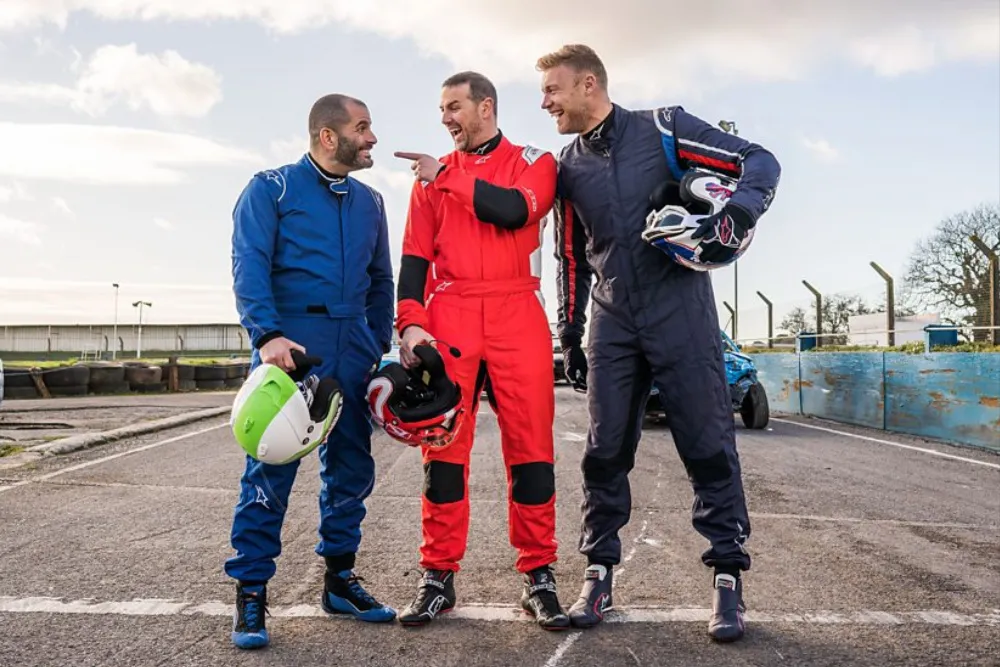
The BBC continued Top Gear with different presenting line-ups after Clarkson’s departure in 2015. Its most recent regular trio consisted of Flintoff, Chris Harris and Paddy McGuinness before production was suspended following Flintoff’s December 2022 accident.
Flintoff was driving a Morgan Super 3 at Top Gear’s Dunsfold Park test track when the three-wheeled, open-top vehicle rolled. He suffered extensive facial injuries, broken teeth and a fractured jaw as well as rib injuries. Flintoff has subsequently spoken publicly about the psychological and physical consequences of the crash, including his belief during the immediate aftermath that he was going to die.
The BBC later apologised and reached a reported financial settlement with Flintoff. Paul Rees, the experienced driver and instructor who was in the vehicle, also pursued legal action over injuries sustained in the accident. Following an internal health and safety review, the BBC announced in 2023 that Top Gear would be rested for the foreseeable future.
Bringing it back therefore involves more than finding people who can enthusiastically powerslide expensive cars. The production will inevitably face scrutiny over how it handles safety while preserving the large-scale challenges and unpredictability that became fundamental to the Top Gear formula.
Presenter speculation has already started. Comedian Jimmy Carr has been mentioned as a potential host, with Havard saying he would be “a great host,” although that falls well short of confirming his involvement. Former rugby player Joe Marler and television presenter and racing driver Jodie Kidd have also been discussed, but no appointments have been announced.
The BBC now has to decide what a 2020s Top Gear should actually be. Trying to recreate the Clarkson, Hammond and May era would invite comparisons it is unlikely to win, while stripping away the chaos risks producing a motoring programme carrying a famous name without much of its personality.
After nearly five decades, Top Gear has survived multiple formats and presenting teams. Its latest comeback proves the BBC still sees considerable value in the brand. Finding a version worth bringing back will be the harder part.