
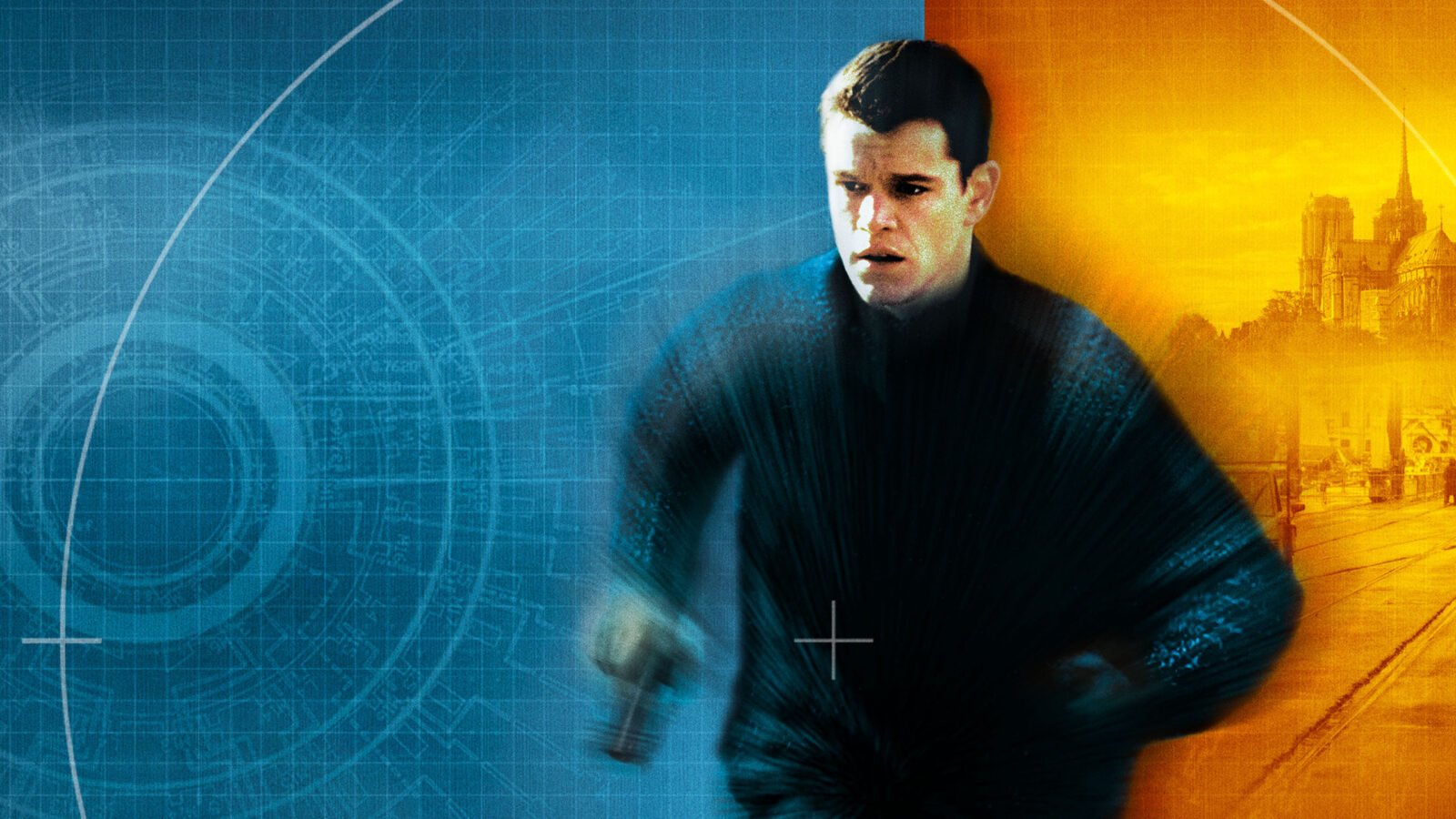
Matt Damon has confirmed that discussions are underway for a sixth Jason Bourne film, putting an end to speculation about the long-dormant spy franchise. While promoting his upcoming role in The Odyssey, the actor told ESPN that he is in talks with German filmmaker Edward Berger, whose credits include the Oscar-winning All Quiet on the Western Front and the more recent Conclave. No plot details have been settled, but both men share a clear ambition: to recapture the taut, grounded intensity of the original trilogy rather than simply extending the series for its own sake.
This latest development arrives nearly a decade after 2016’s Jason Bourne, the last entry that paired Damon with director Paul Greengrass. The gap reflects deeper challenges in sustaining serialized storytelling. Damon himself drew a useful comparison to the James Bond films, noting that Bourne’s narrative is strictly linear, with each chapter building directly on the character’s fractured past and moral reckonings. Unlike Bond, where missions can stand alone and actors can rotate, Bourne demands continuity that grows harder to deliver convincingly over time. “You have to give the audience exactly what they expect from the character, but also bring enough new elements to make it worthwhile,” he explained, highlighting the delicate balance sequels must strike between familiarity and surprise.
The Bourne series helped redefine the modern action thriller in the early 2000s, moving away from cartoonish set pieces toward realistic hand-to-hand combat, surveillance-state paranoia, and morally ambiguous protagonists. Its influence lingers in everything from the John Wick franchise to certain streaming thrillers, yet the films themselves have struggled to evolve beyond their post-9/11 context. Earlier attempts at expansion, including the 2012 spin-off The Bourne Legacy with Jeremy Renner, met mixed reception, underscoring the difficulty of maintaining the core appeal without Damon’s everyman intensity at the center.
Recent rumors suggested a possible reboot involving Zendaya, but Damon’s comments point instead toward a direct continuation. Whether this approach can avoid the pitfalls of diminishing returns remains an open question. Many long-running franchises have faltered when they prioritized legacy over fresh storytelling, and the Bourne universe, rooted in themes of identity and institutional betrayal, risks feeling dated if it fails to engage with contemporary surveillance and geopolitical realities.
Still, the involvement of Edward Berger offers cautious optimism. His work demonstrates a talent for tense, character-driven drama within large-scale productions, qualities that could serve a Bourne story well. For fans who valued the series’ intelligence and restraint amid an era of increasingly bombastic blockbusters, this potential sixth installment represents more than nostalgia. It tests whether a thoughtful spy thriller can still find an audience in a crowded market dominated by spectacle and interconnected universes.
The coming months will likely reveal more about timelines and creative direction, but Damon’s measured enthusiasm suggests the project is being approached with care rather than haste.