
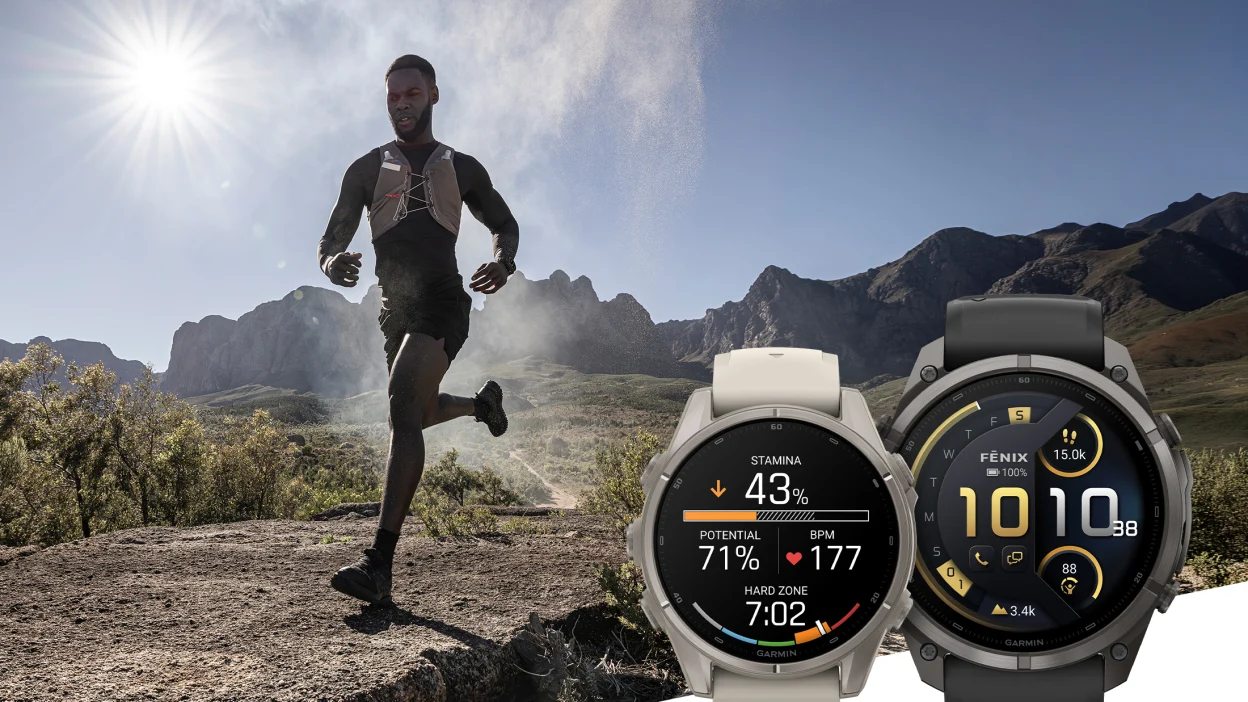
Garmin has introduced the Fenix 9 and Fenix 9 Pro, its latest high-end multisport smartwatches aimed at athletes, outdoor users and buyers willing to spend considerably more than the price of a mainstream smartwatch. Orders open on August 28, with the Fenix 9 starting at $999.99 and the Fenix 9 Pro range beginning at $1,099.99.
That pricing immediately sets expectations. These are not casual fitness trackers. Garmin is continuing to position the Fenix family as a premium training and adventure platform, with the top configurations climbing to $1,249.99 depending on size, materials and display options.
The biggest hardware changes focus on visibility, materials and storage. Garmin says the AMOLED display can now reach up to 3,000 nits, a substantial increase over the 1,000-nit rating of the Fenix 8 AMOLED. The 51mm Fenix 9 Pro also introduces a 1.5-inch display option, while the Pro becomes the first Fenix model to offer a titanium watch case.
Garmin is also giving the watches 64GB of storage, enough for a larger collection of offline maps and up to 7,000 songs. The company claims 50 percent more RAM than the Fenix 8 can improve map responsiveness, with panning potentially becoming up to 30 percent faster. Those numbers will need real-world testing, but quicker navigation would be a useful upgrade on a device built heavily around outdoor mapping.
The software changes lean toward endurance training and activity analysis. New stamina tools introduce stamina zones and curves designed to show how an athlete’s endurance changes during exercise. Garmin is also expanding support for indoor rowing and rucking, reflecting the growing popularity of hybrid training beyond traditional running and cycling.
Another addition is Garmin Epic, a feature inside Garmin Connect that groups multiple workouts and training periods into a shareable activity story. The Fenix 9 Pro also extends compatibility with Garmin’s inReach satellite communicators across all Pro sizes, while solar-charging versions remain available for users prioritizing endurance away from conventional charging.
One area that has not changed is the optical heart-rate hardware. Garmin is retaining its Elevate Gen 5 sensor from the previous generation, so buyers expecting a significant biometric sensor upgrade may find this release more incremental than transformative.
That is likely to be the broader story of the Fenix 9. Its brighter display, lighter premium materials, expanded mapping capacity and refined software make it a stronger package, but they do not automatically make a Fenix 8 obsolete. In fact, older models may become more attractive as retailers adjust pricing; the arrival of the Fenix 9 has already coincided with notable discounts on the previous generation.
For existing Garmin users, the most interesting question may therefore be less about whether the Fenix 9 is better, and more about whether its improvements justify a four-figure upgrade.