

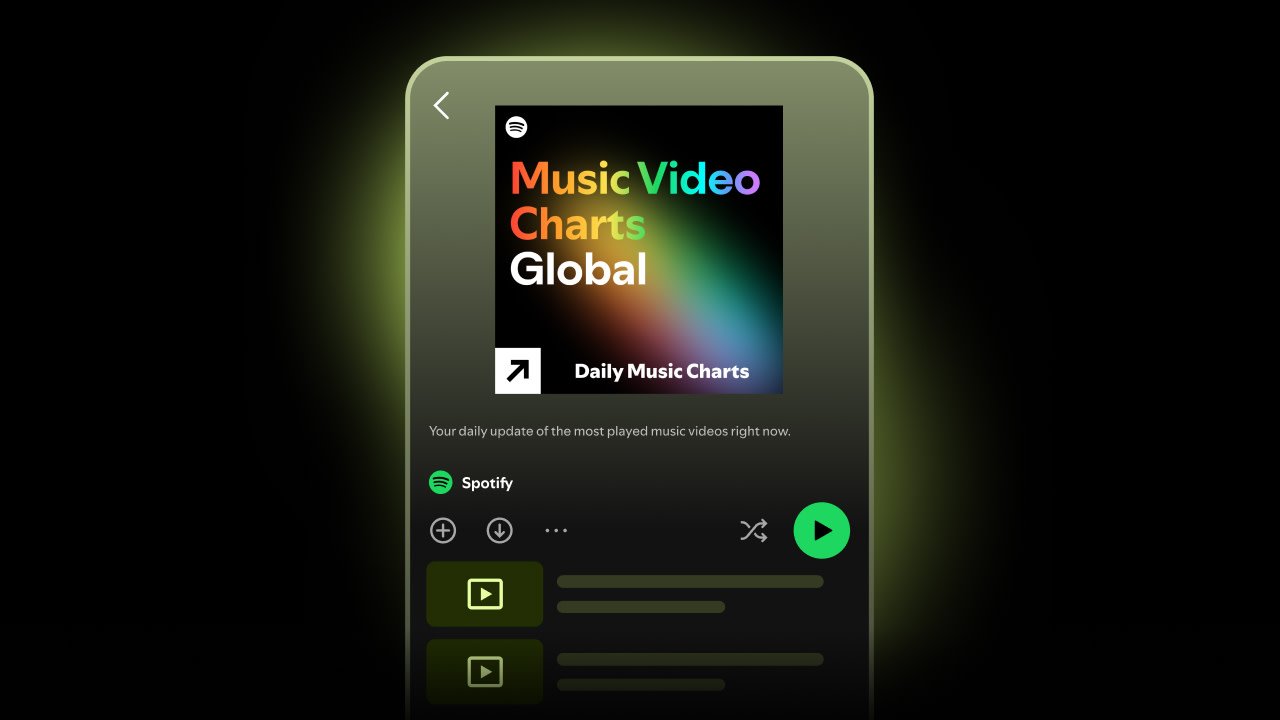
Spotify is rolling out a dedicated daily playlist that ranks the top 50 most-streamed music videos on its service. Titled Music Video Charts Global, the list updates every day at 6 p.m. Eastern Time and gives the platform another structured way to surface visual content already circulating inside the app. The company will also spotlight the top ten videos across its social channels, a straightforward amplification tactic that favors what is already gaining traction.
Music videos first appeared for Spotify premium subscribers in 2024 and reached a wider U.S. audience late in 2025. The new charts follow earlier attempts to attract viewers with exclusive or early video drops, all part of a longer effort to reduce the reflex that sends listeners to YouTube whenever they want to watch rather than simply hear a track. By packaging performance data into a familiar chart format, Spotify is borrowing a discovery mechanism that has long driven attention on both traditional music lists and video platforms.
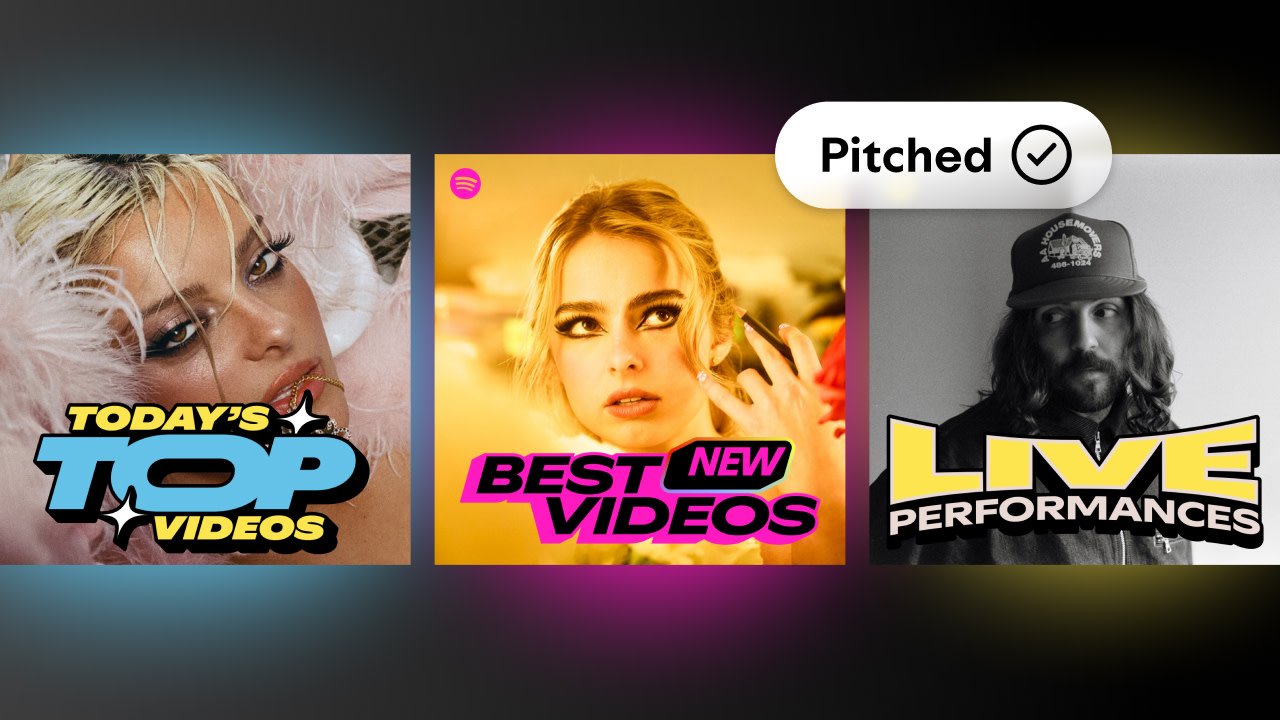
Alongside the charts, the company has simplified the submission path. Artists can now upload videos directly through Spotify for Artists instead of routing everything through a label or distributor. They can also pitch the clips to the editorial team, supplying notes on concept, mood, and visual style in the hope of playlist consideration. For independent acts the change removes one layer of gatekeeping, though visibility will still hinge on how both algorithmic ranking and human curation treat the material once it is inside the system.
Spotify points to internal figures showing that users who watch a video later stream that same song 64 percent more over the following three weeks and explore the artist’s wider catalog 57 percent more. The numbers suggest short-term lift in engagement, yet they originate with the company and leave open questions about longer retention, playlist stickiness, and whether the extra plays translate into meaningful revenue after standard royalty calculations. Video features on primarily audio platforms have a mixed track record; earlier experiments by other services often struggled to shift core listening habits.
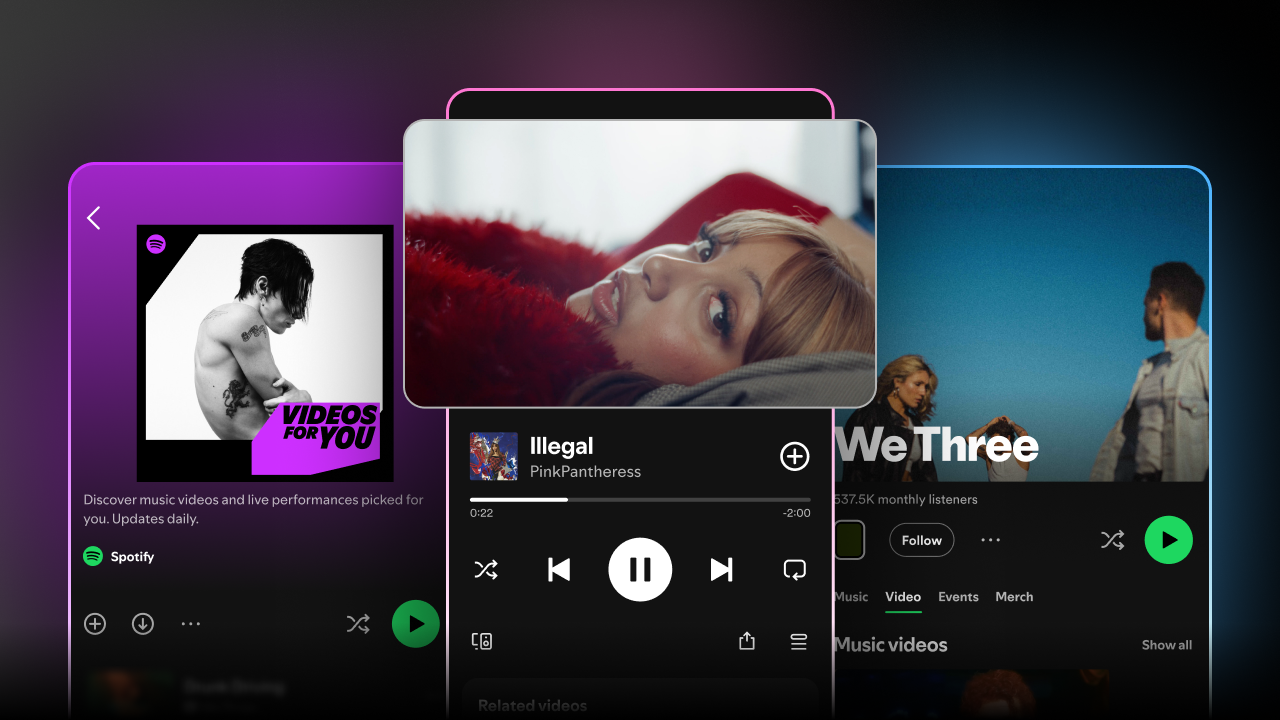
The charts and streamlined uploads fit a broader pattern in which streaming services keep adding visual layers to increase time spent inside their apps. Competition with YouTube remains steep because that platform still owns the cultural default for music videos. A daily global ranking may help certain clips travel farther within Spotify’s ecosystem, but sustained impact will depend on whether users treat the playlist as a regular destination rather than a momentary curiosity. For now the feature expands the menu of options without fundamentally altering the economics or discovery dynamics that already shape how most people encounter new music.