

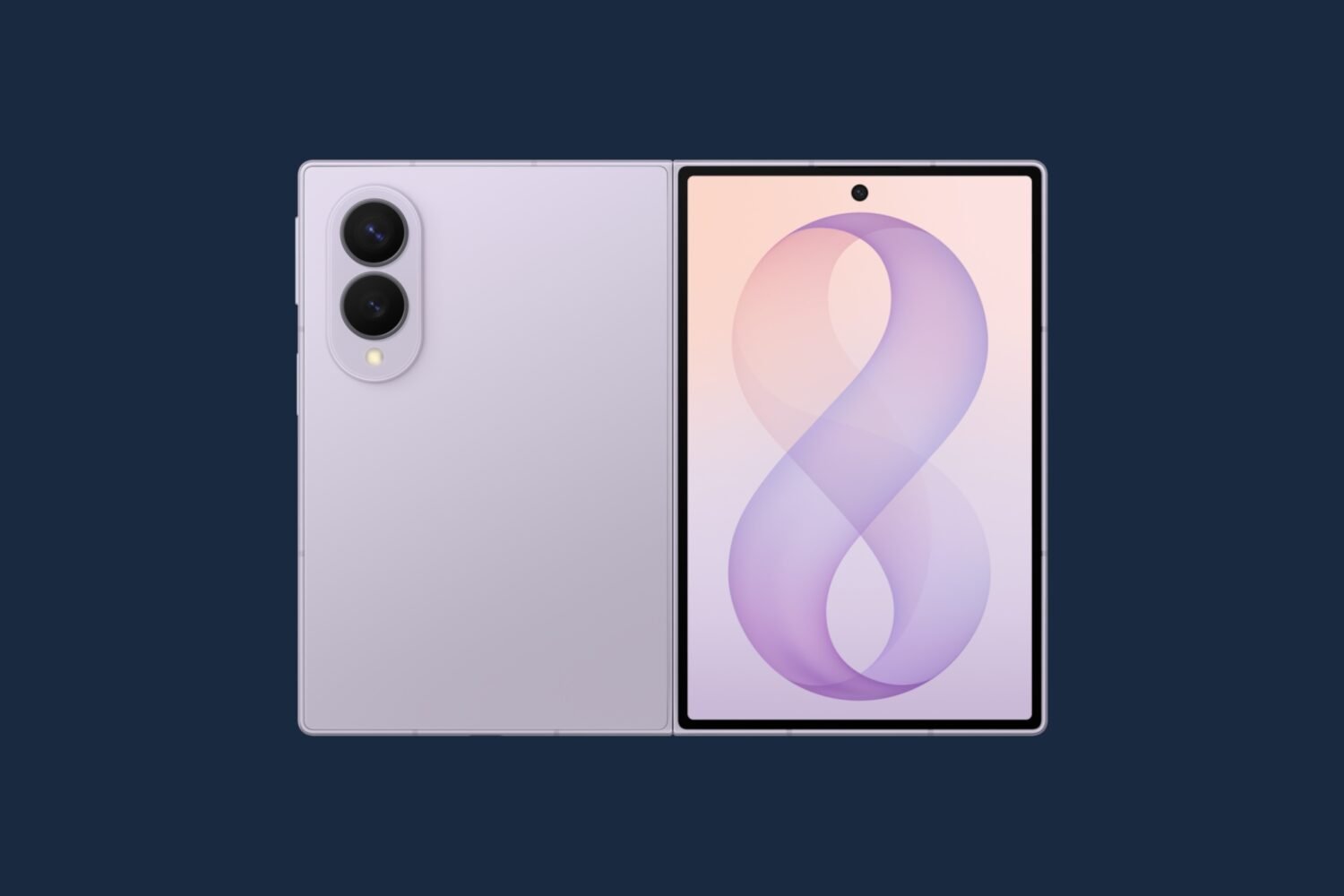
That experience is evident in Samsung’s latest Galaxy Z Fold8 lineup.
The standard Galaxy Z Fold8 introduces a more compact design, pairing a 5.5-inch outer display with a 7.6-inch inner screen that unfolds into a tablet-like experience. Interestingly, those dimensions closely mirror what analysts and supply chain reports have suggested Apple’s first foldable iPhone could offer. Apple has yet to officially unveil the device, but multiple industry reports point toward a similar form factor.
Whether that’s coincidence or simply the result of converging design priorities, it illustrates something important: the foldable smartphone is no longer an experimental concept. The industry appears to be settling on designs that balance portability with productivity.
Years of refinement
Samsung’s advantage isn’t simply that it launched a foldable first.
It’s that it has spent seven previous generations improving nearly every aspect of the experience.
The original Galaxy Fold was ambitious but imperfect, introducing consumers to an entirely new category while revealing the engineering challenges that came with it. Since then, Samsung has steadily refined hinge durability, reduced overall weight, improved display resilience and optimized software for larger, flexible screens.
Today, the Fold lineup has evolved into a family of products designed for different users rather than a single device trying to prove the concept.
The Flip8 focuses on portability and style, the Fold8 aims to balance entertainment and productivity, while the Fold8 Ultra pushes toward replacing both a smartphone and a secondary work device.
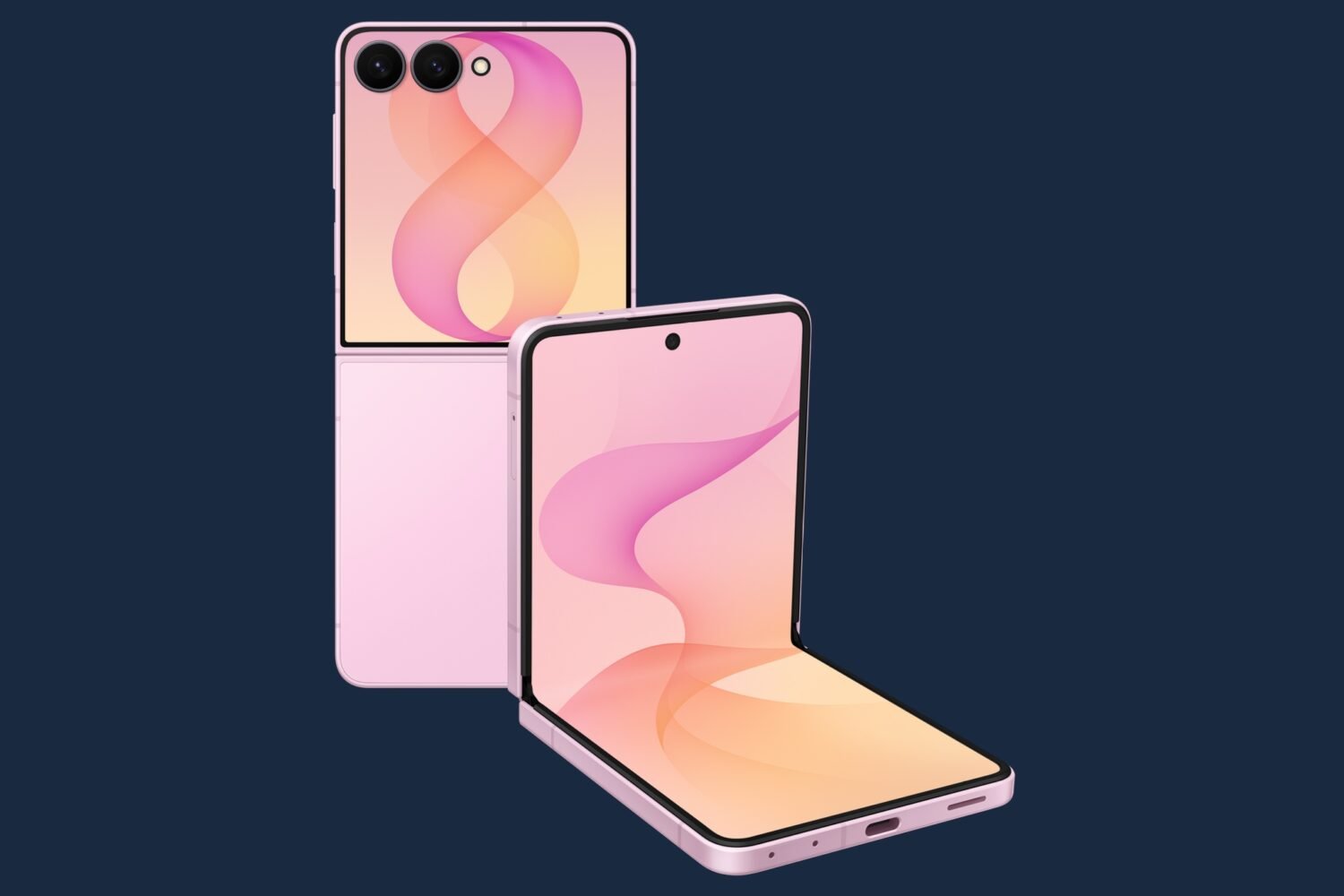
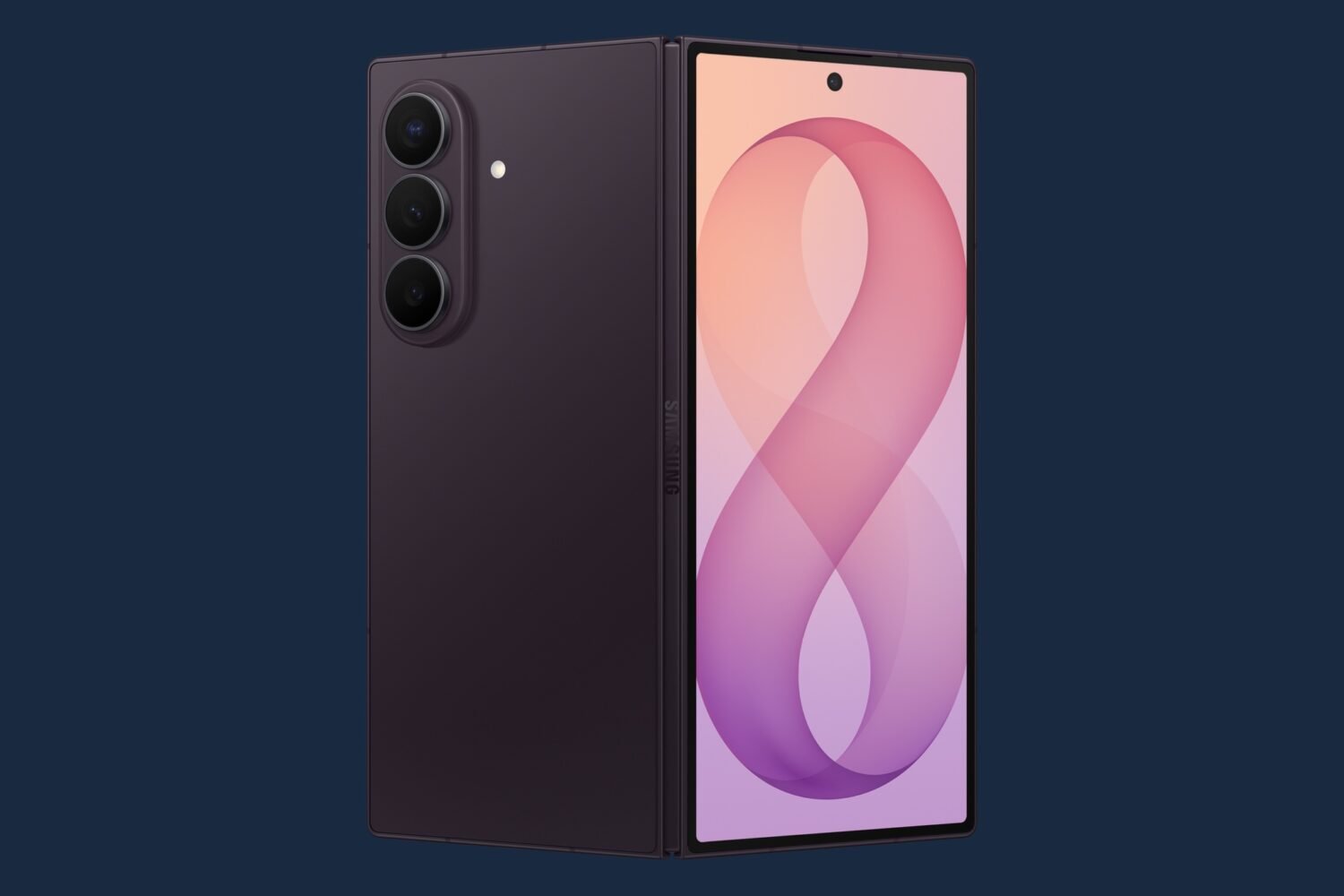
The new Fold8, weighing just 201g, is Samsung’s lightest Fold yet. Combined with its wider 4:3 internal display, it offers a more natural experience for multitasking, reading, gaming and watching videos than earlier generations.

For power users, the Fold8 Ultra builds on that foundation with an 8-inch display, a 200MP camera system, a 5,000mAh battery and Samsung’s most advanced multitasking capabilities.
Software matters as much as hardware
Hardware is only part of the foldable story.
Samsung has spent years adapting Android and its own One UI software to make larger displays genuinely useful. Multi-window support, drag-and-drop functionality and optimized app layouts have gradually turned foldables from niche gadgets into practical everyday devices.
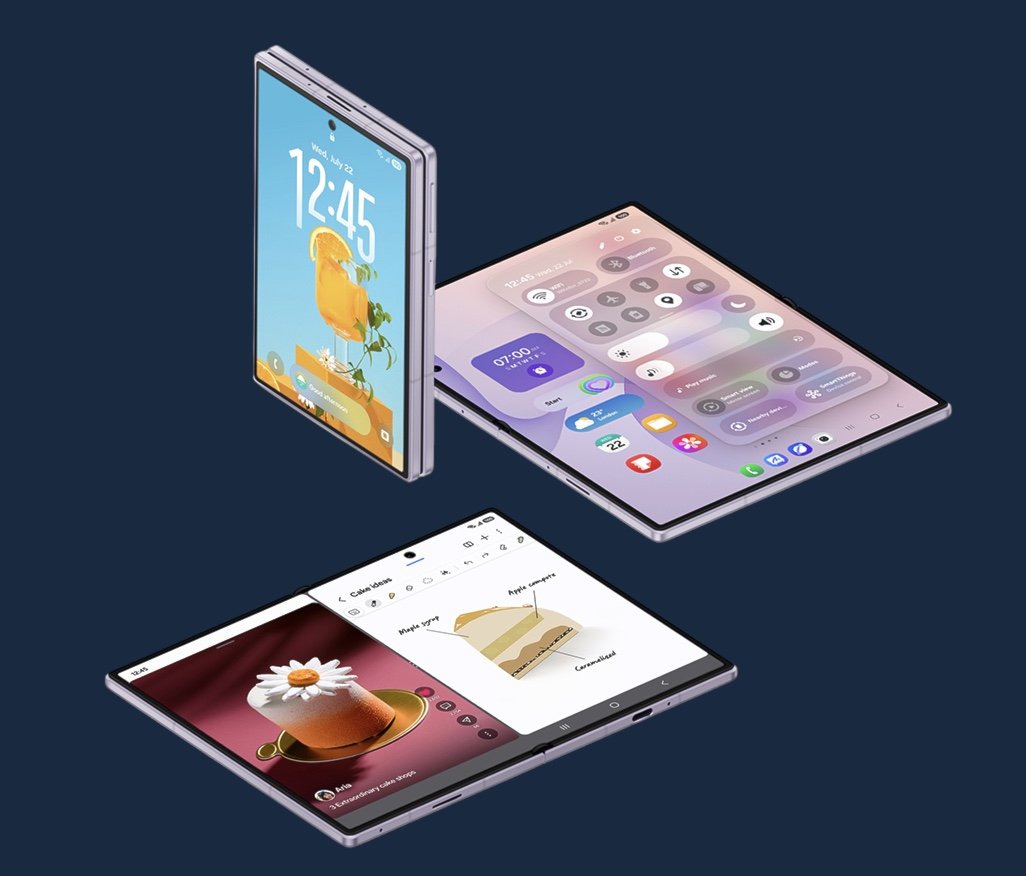
Galaxy AI extends that experience further.
Rather than treating AI as a standalone feature, Samsung integrates tools like Gemini and Now Brief across the larger displays, allowing users to work with documents, conversations and AI assistance simultaneously. The additional screen space naturally lends itself to workflows that would feel more constrained on a traditional smartphone.
Competition benefits everyone
Apple’s entry into the foldable market will undoubtedly attract significant attention.
The company has historically taken a measured approach to new hardware categories, often waiting until underlying technologies have matured before introducing its own interpretation. That strategy has worked well in the past across several product categories, where Apple’s strengths in hardware-software integration, ecosystem continuity and long-term software support have helped define the user experience.
Samsung’s years of investment have helped establish foldables as a legitimate smartphone category rather than a technological curiosity.
For consumers, that’s ultimately the biggest win.
Samsung enters this next chapter with years of experience, a mature product lineup and software built specifically around foldable hardware. Apple, meanwhile, is expected to bring its own design philosophy and ecosystem strengths to the category.
The result isn’t necessarily a battle over who invented foldables or who arrived first.
Instead, it marks the beginning of a new phase where two of the industry’s biggest players will likely push each other—and the technology—forward.