

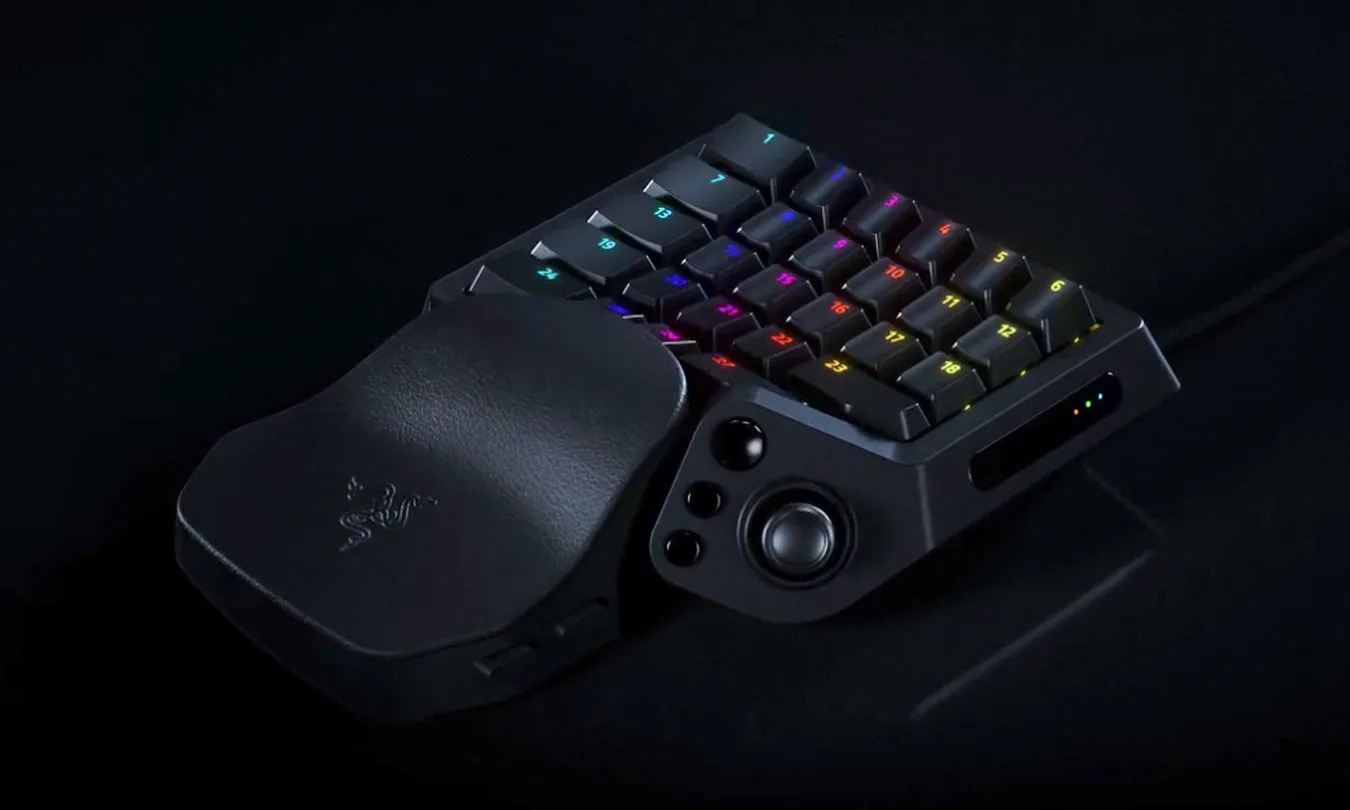
Razer appears to be preparing another entry in its long-running Tartarus line, with the Tartarus V2 Pro gaming keypad emerging as the latest attempt to make dedicated one-handed controls relevant in a gaming world dominated by conventional keyboards and increasingly sophisticated controllers.
The Tartarus concept has always occupied an unusual corner of the PC peripheral market. Rather than replacing an entire keyboard, these compact devices concentrate frequently used controls beneath one hand, giving players a dedicated collection of keys and directional inputs without requiring them to stretch across a full-size layout.
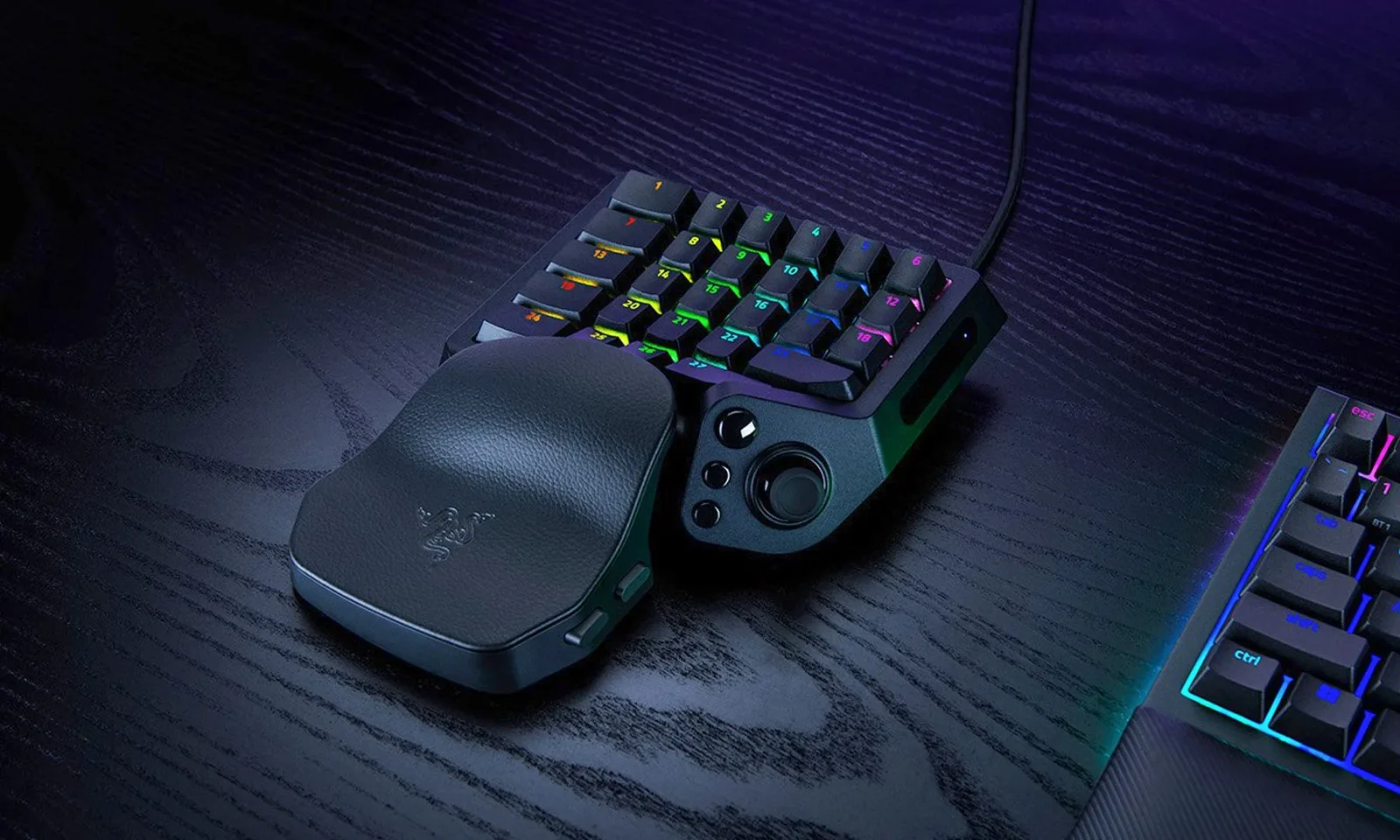
Images of the Razer Tartarus V2 Pro show that the fundamental idea remains intact. The device retains the familiar sculpted, left-handed design associated with the Tartarus family, with a wrist rest positioned beneath the main controls and a layout intended to keep important inputs within easy reach.
That approach can make sense for games where players repeatedly use the same collection of commands. MMOs, strategy titles and other keyboard-heavy PC games are obvious candidates, while programmable controls can potentially make a keypad useful beyond gaming for shortcuts and repetitive workflows.
The bigger question is what the “Pro” designation actually brings to the formula.
The supplied information provides images of the Tartarus V2 Pro but does not establish its full specifications, pricing, release date or detailed feature set. That makes comparisons with previous Tartarus models difficult without filling in gaps that haven’t yet been confirmed. Those details will ultimately determine whether this is a meaningful upgrade or simply another refinement of an already specialised peripheral.
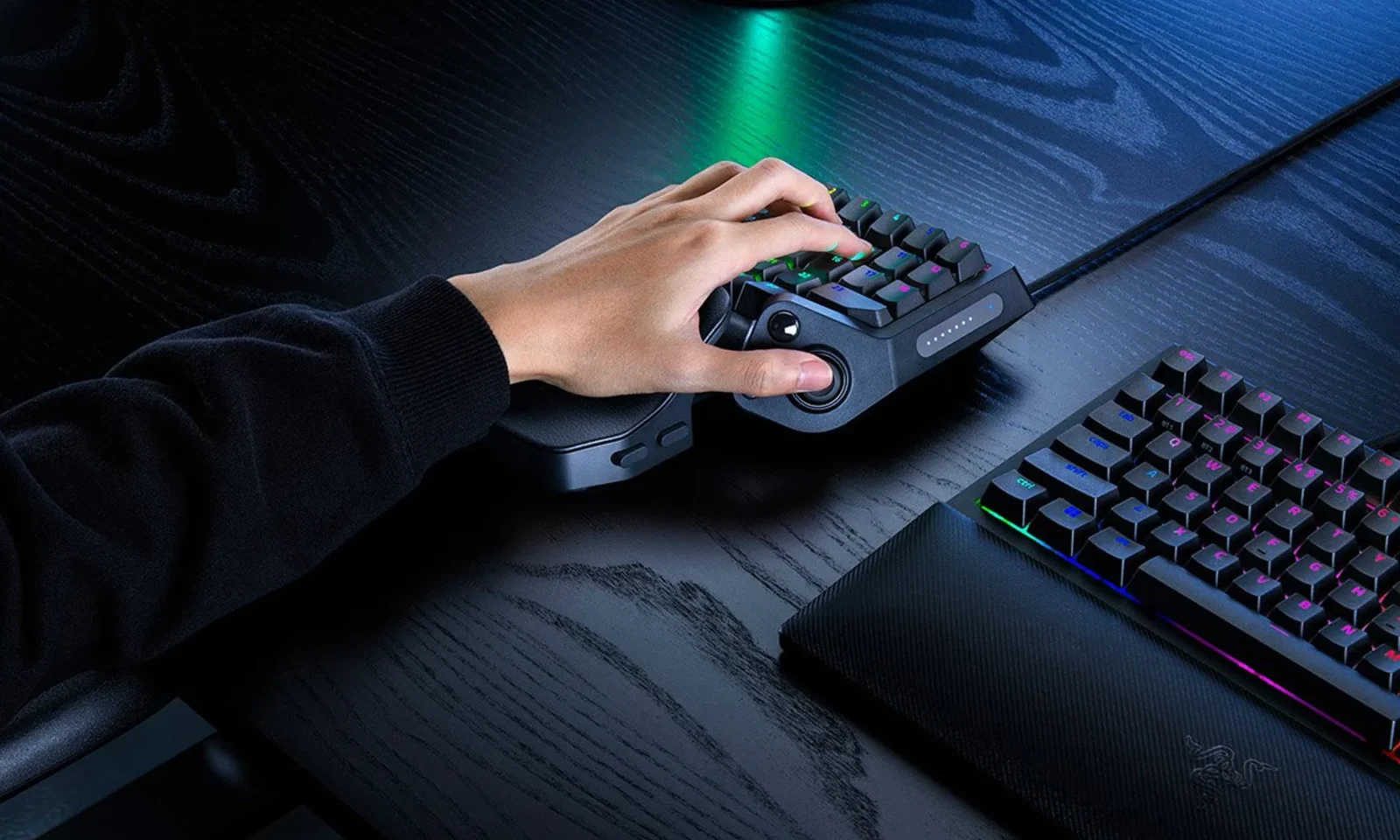
Dedicated gaming keypads have never achieved the ubiquity of mechanical keyboards or gaming mice, partly because they ask users to learn another control layout while occupying additional desk space. Their advantage is customisation: players who spend hundreds of hours in the same games can build muscle memory around a layout tailored specifically to them.
That makes the Tartarus V2 Pro interesting precisely because it isn’t trying to appeal to every PC gamer. Razer is revisiting a peripheral category built around highly personalised controls at a time when gaming hardware increasingly emphasises custom switches, remapping and software-defined inputs.
For existing Tartarus users, however, familiarity alone won’t make the V2 Pro compelling. The deciding factors will be its switches, programmability, software integration, comfort and price — details that will need to become clearer before the new keypad’s place in Razer’s gaming lineup can really be judged.