

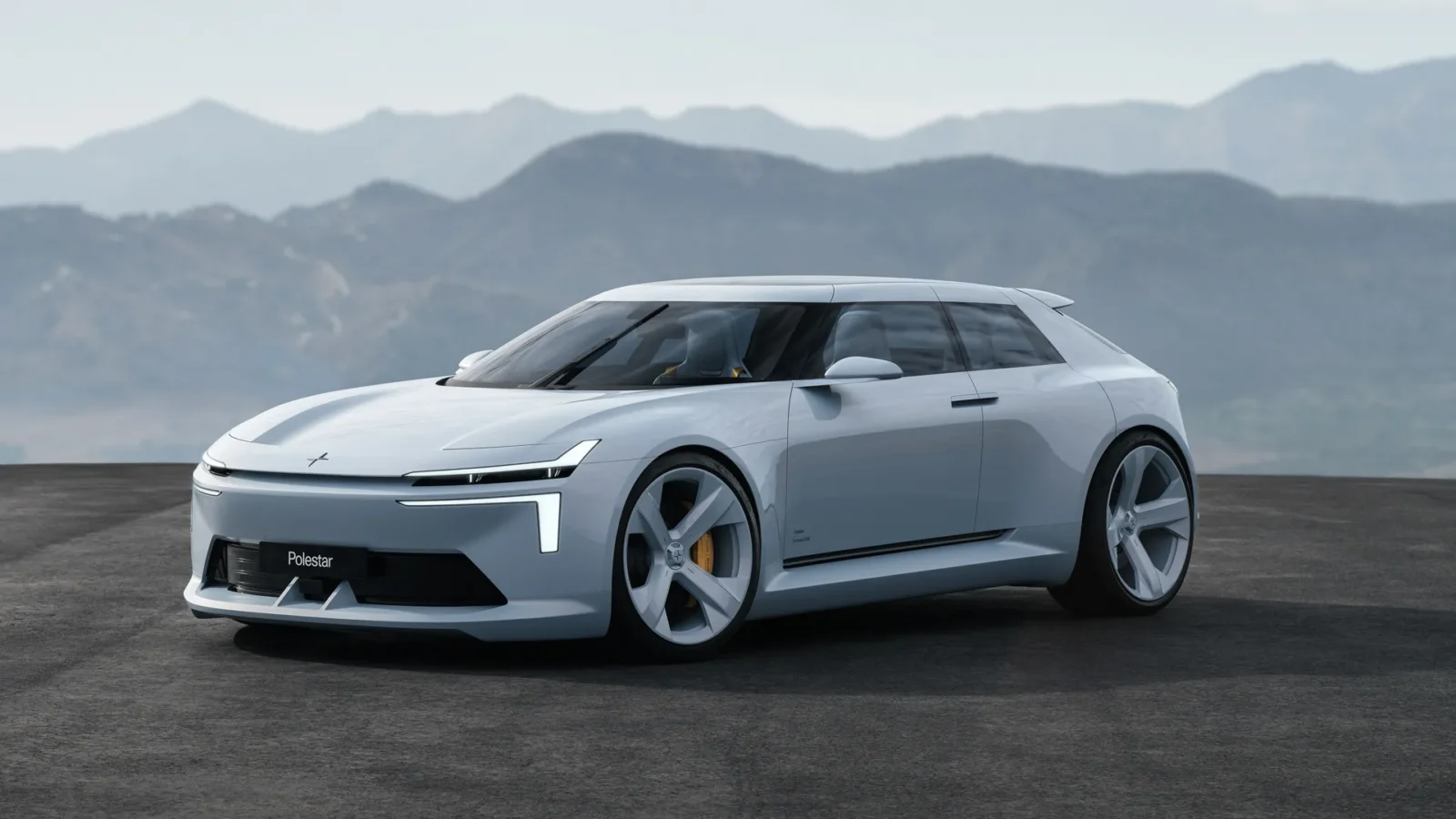
Polestar has rarely struggled to make a car look good. Making one easy to operate has been a harder sell, and its new Formula 2030 concept suggests the Swedish EV maker has been paying attention to that criticism.
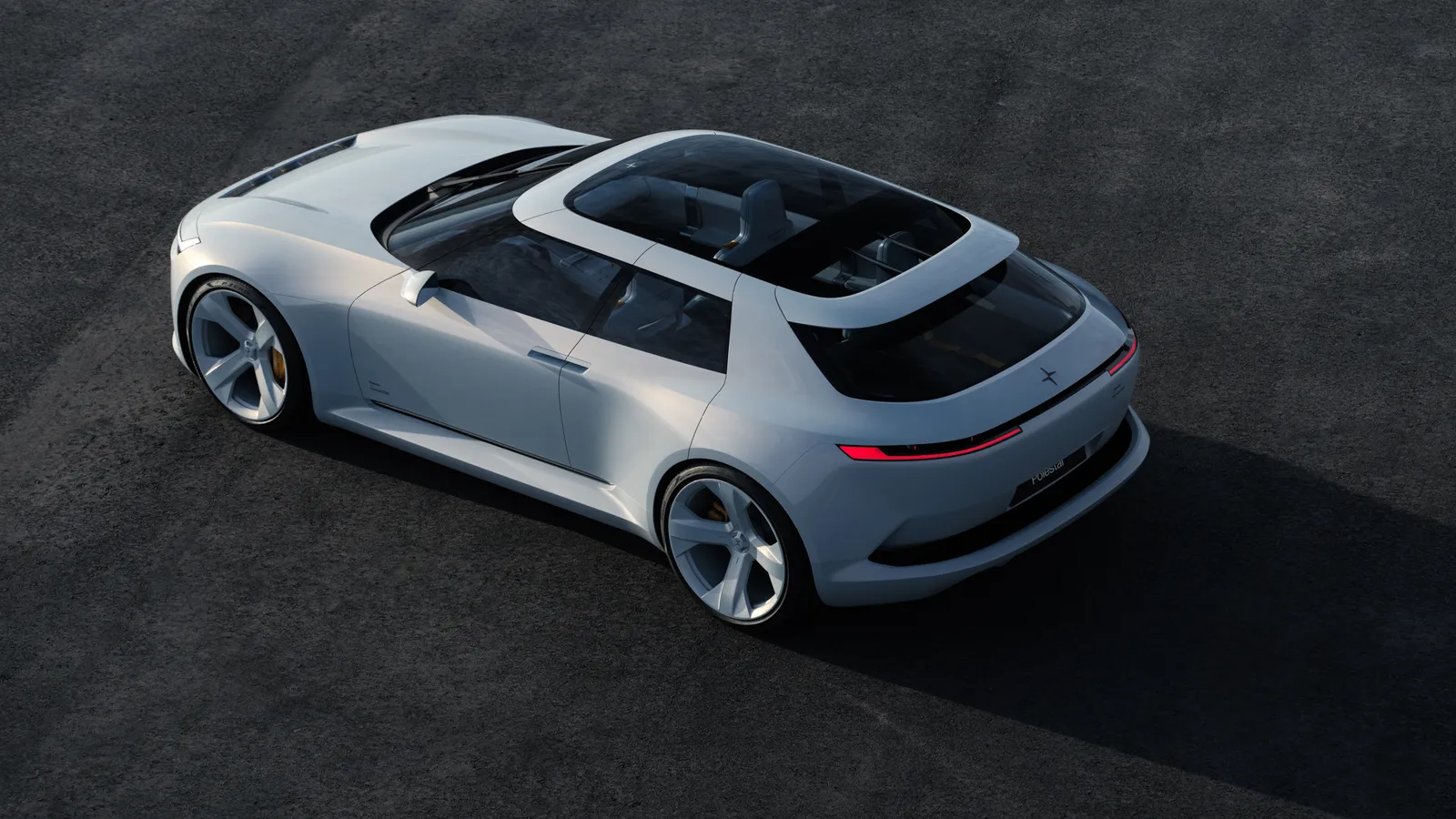
The concept, which Polestar describes as a low, compact electric sports car with everyday practicality, works mainly as a design preview. The front end shows the face of the second-generation Polestar 2. The rear points toward the Polestar 7, a premium compact SUV expected to be built in Europe, likely from 2028. In size, the company places the concept somewhere between those two models, and says the Polestar 4 inspired its mix of a low roofline and usable space.
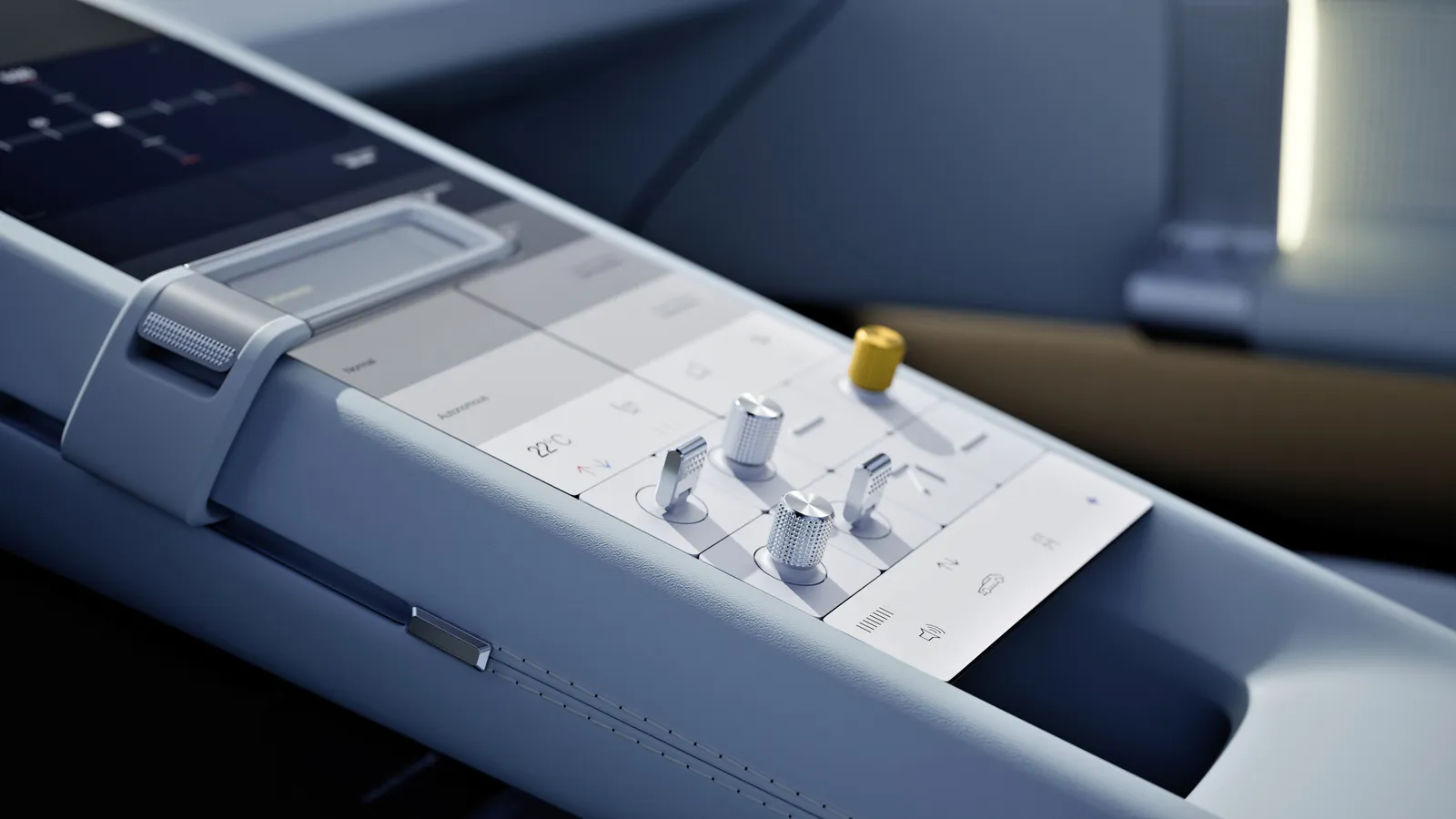
The bigger story is inside. Current Polestar models put nearly every function on a central touchscreen, an approach drivers and reviewers have repeatedly criticised. The Formula 2030 brings back physical controls. Its centre console carries toggle switches and rotary dials that the driver can assign to different functions. A drive mode selector slides along the console to switch between Performance, Normal and Autonomous settings.
The timing makes sense. Across the industry, the push toward screen-only cabins is losing ground. Safety assessors such as Euro NCAP now favour physical controls for core functions, and several brands have quietly brought buttons back. Concept interiors often get stripped out before production, though, so tactile controls in a show car do not guarantee them in a showroom. The realistic hope is that the next Polestar 2 and the Polestar 7 rely less on their touchscreens, even if they don’t get this exact console.
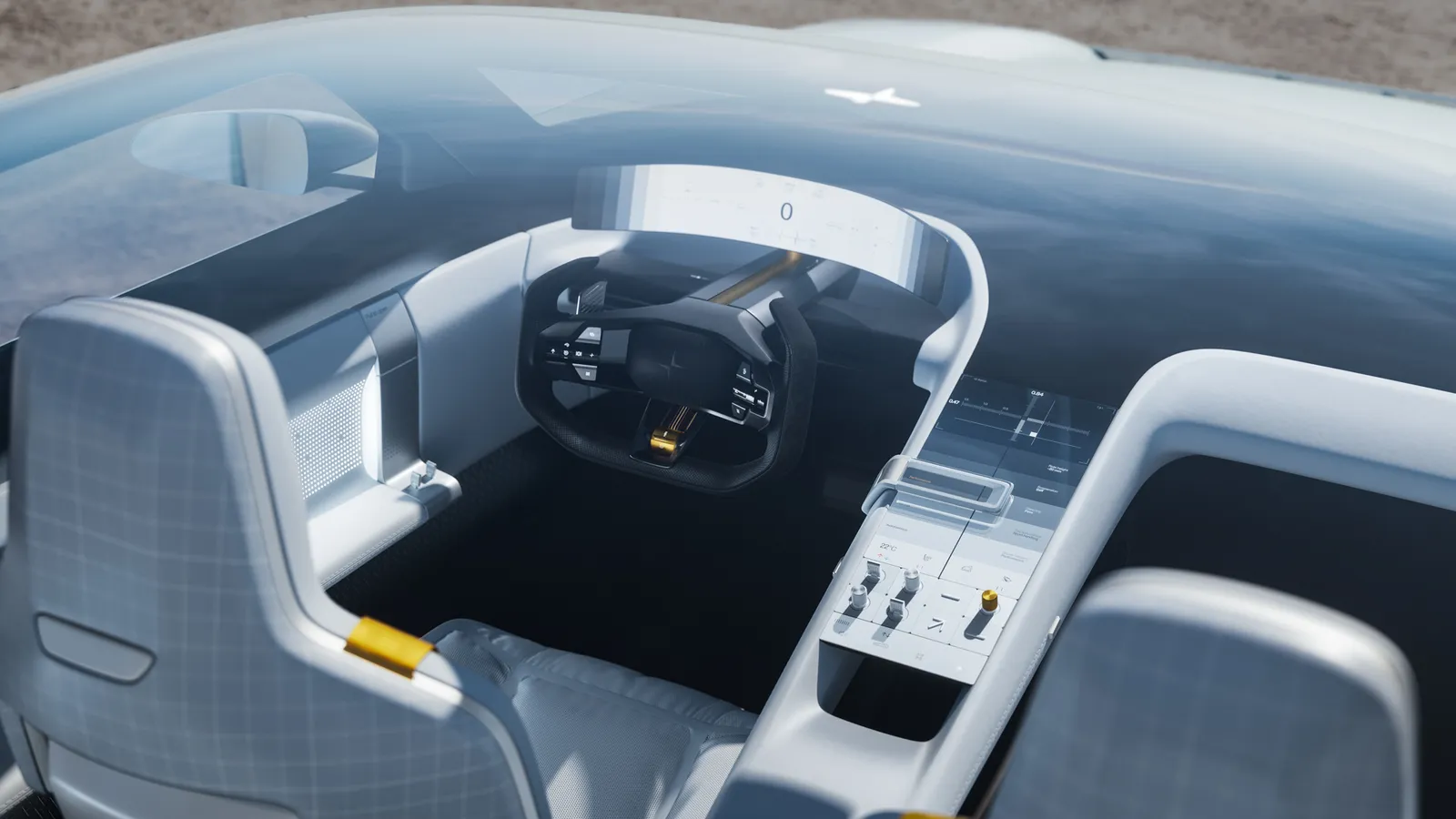
The screens are still there. A curved 20-inch driver display is mounted to the steering column, so it moves when the wheel is adjusted, as in the Polestar 5. A 12.2-inch central display handles infotainment. Outside, the lidar sensor used for driver assistance retracts out of sight when autonomous functions are switched off. At the back, Polestar’s full-width light bar gives way to a pair of separate “Single Blade” tail lamps, which the company says will form a new lighting signature.
The concept measures 4,680 mm long, 2,021 mm wide and 1,350 mm tall, which puts its roof below that of the already sleek Polestar 5. Polestar has not committed to building anything close to it. The company has done this before, though: the 2020 Precept concept became the very similar Polestar 5 in 2026. Whether the Formula 2030 follows that path or simply hands its parts to other models, the interior may be the more important preview. It hints that Polestar’s next generation could be as pleasant to use as it is to look at.