



OpenAI has never confirmed it is building a phone. Even so, details about who might manufacture one keep showing up. The latest report comes from China’s Securities Times, which cites supply chain sources. It says FIH Mobile, a subsidiary of Foxconn, has received an order to help assemble OpenAI’s first smartphone. Foxconn is best known for assembling Apple’s iPhones, which is why this has drawn so much attention.
The report doesn’t mention specs, pricing or a launch date. It also conflicts with earlier reporting. Earlier this year, supply chain analyst Ming-Chi Kuo said Luxshare would be OpenAI’s exclusive manufacturing partner and that MediaTek would probably supply the chip. Luxshare also assembles iPhones, so either story would give OpenAI an experienced manufacturer. It isn’t clear whether both companies are now involved, whether OpenAI changed its plans, or whether one of the reports is simply wrong. With hardware this early in development, that kind of contradiction is common.
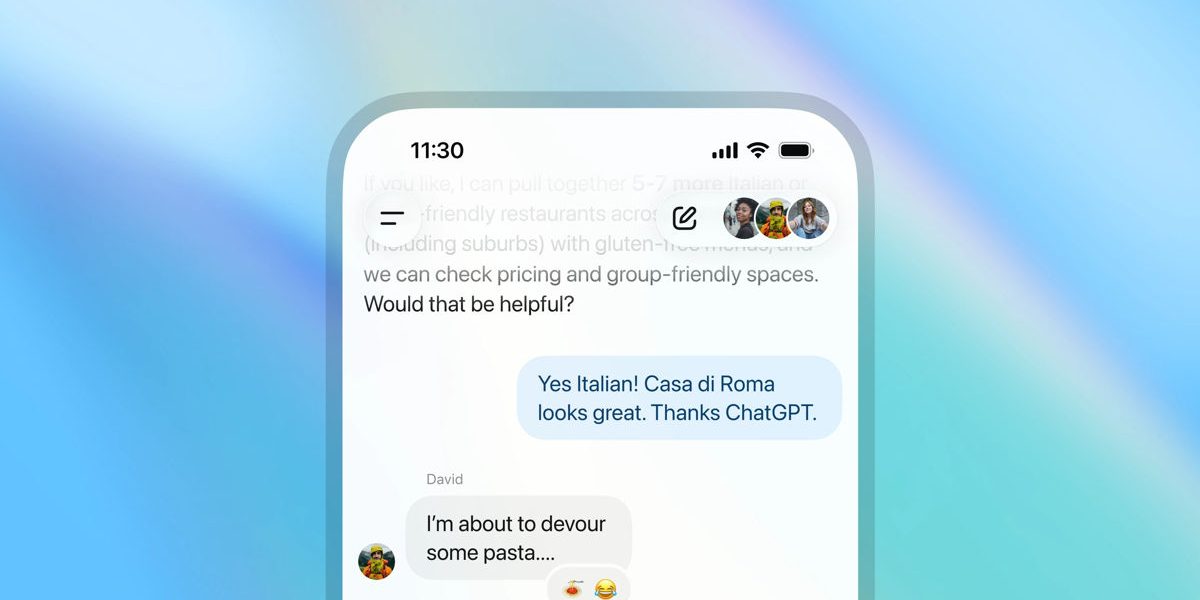
Kuo’s description of the device is the more interesting part. He called it an “AI agent phone” organised around a continuous, context-aware interface rather than individual apps. In practice, you wouldn’t open a booking app, a messaging app and a calendar one after another. You’d tell AI agents what you want and they would handle the steps. OpenAI has been hinting at this idea since it bought io, Jony Ive’s hardware startup, in 2025, a move widely seen as preparing the company to design devices. Kuo also said mass production could start in the first half of 2027. Timelines from the supply chain often slip, so it’s best to treat that date as tentative.
History isn’t on OpenAI’s side. Palm’s webOS, Microsoft’s Windows Phone, BlackBerry 10 and Amazon’s Fire Phone were all credible attempts to challenge iOS and Android, and none of them lasted. The reason wasn’t usually the hardware. People had already bought apps, accessories and subscriptions tied to those two ecosystems, and they weren’t willing to start over. More recently, the Humane AI Pin and Rabbit R1 tried to replace parts of the smartphone with AI-first hardware, and both struggled because they did less than the phones they were supposed to replace.
OpenAI does have something those companies didn’t: ChatGPT is already used daily by an enormous number of people. That gets it noticed, but it doesn’t solve the hard problem. An agent-driven phone only works if the agents can reliably act inside the services people already depend on, from banking apps to food delivery. Many of those services sit inside ecosystems run by Apple and Google, which are building their own AI assistants and have little reason to cooperate.
A deal with Foxconn would show OpenAI is serious about making hardware. It wouldn’t show that people actually want to give up apps.