


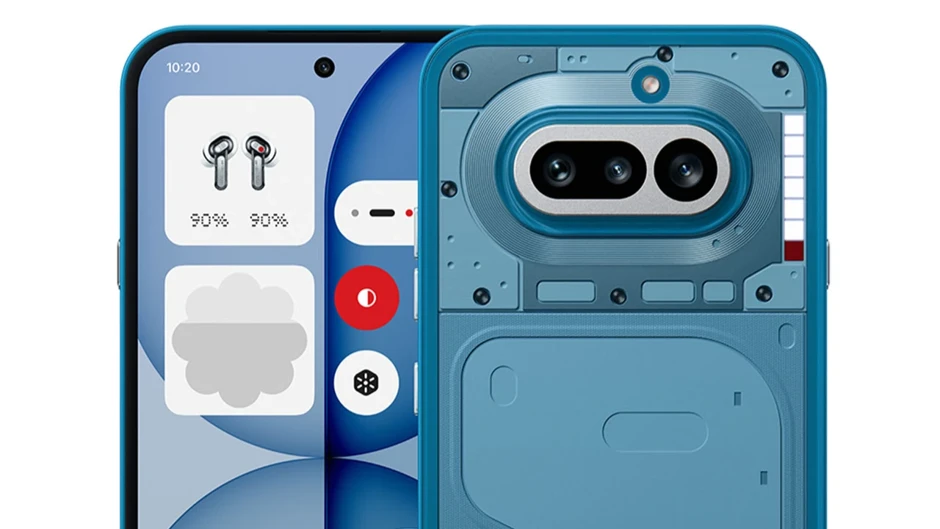
Nothing is preparing a noticeable expansion of its smartphone lineup after a measured 2026. The company intends to release twice as many new phones next year as it has this year, aiming for six devices and a broader mix of models. So far in 2026 it has introduced the Phone (4a), Phone (4a) Pro and Phone (4b), with no further handsets expected before the calendar turns.
Akis Evangelidis told Times Now News that the goal is a wider range of smartphones and a 50 per cent increase in volumes compared with this year. Specific products remain under wraps, though a new flagship is the logical next step for a brand that has built its reputation on distinctive design and transparent pricing. The statement arrives against a backdrop of mixed signals. Nothing recently pushed back against claims of weak global sales and internal reshuffles, while a separate report suggested the company was pivoting toward AI hardware and away from phones. Six new handsets would appear to contradict that narrative.
The timing is awkward. Rising memory prices have squeezed the budget segment that has delivered much of Nothing’s early success, particularly through its CMF sub-brand. Evangelidis acknowledged that a new CMF Phone for next year is still under review. The company delayed a similar decision this year and continues to watch component costs closely. On the core Nothing side, the product roadmap is described as more settled.
India remains a priority. Plans include two additional physical stores, building on a market where Nothing has recorded strong growth alongside Google’s Pixel line. Audio products are also receiving renewed attention, and further hardware is expected before the end of 2026, with a smartwatch among the rumoured possibilities. For a relatively young brand founded by Carl Pei after his departure from OnePlus, the ambition to double the annual phone count represents both opportunity and risk. Scaling a design-led portfolio while navigating component shortages and intense competition in the mid-range requires careful execution. Previous waves of ambitious Android brands have discovered that volume targets are easier to announce than to sustain without diluting the identity that first attracted buyers.
Nothing’s approach so far has favoured distinctive hardware and a relatively open software philosophy. Whether six new models in a single year can preserve that focus, or whether the push for higher volumes forces compromises, will become clearer as details emerge closer to launch. For now the company is signalling confidence in its smartphone business even as it hedges on the more price-sensitive CMF range.