



1Password has launched Privileged Access, a new capability that extends its Unified Access platform into the privileged access management space. The tool is designed to replace standing privileges with just-in-time, task-scoped access for both human users and AI agents. Built on technology from Apono, which 1Password acquired in June 2026, it provisions permissions directly inside the target system’s native policy layer across cloud environments, databases and Kubernetes. Access is created only when requested, limited to the work at hand, and removed automatically when the session ends. No permanent accounts or residual agents are left behind.
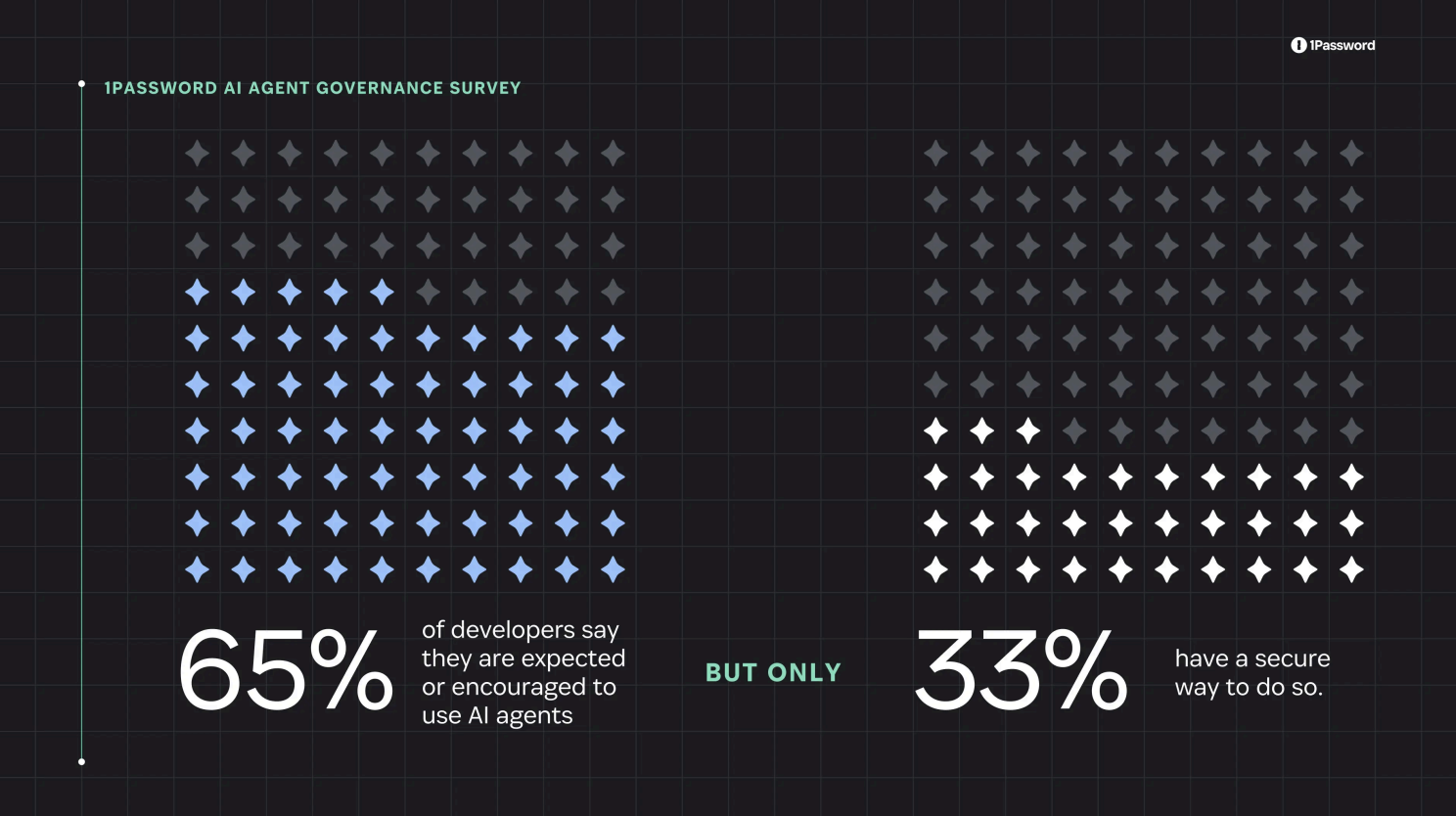
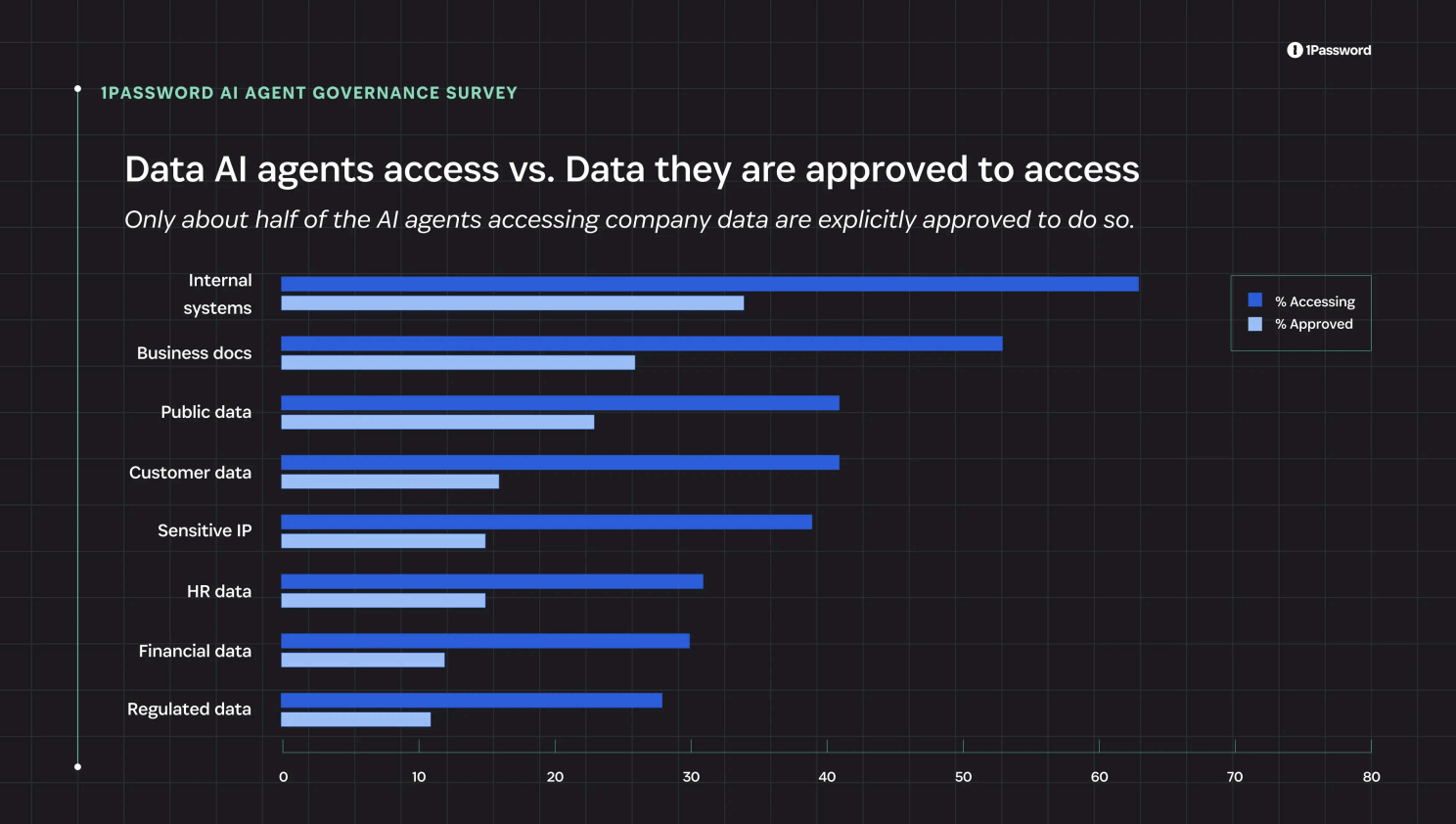
The release arrives alongside research showing how quickly AI agents are expanding the problem of persistent access. Nearly half of developers already run agents in production, and 90 percent expect to do so within two years. Forty percent of those developers grant agents ongoing access to systems or credentials. Seventy-one percent of companies allow agents to reach customer data, intellectual property or HR systems, yet most security teams lack clear visibility into what those non-human identities can actually touch. One in three developers using agents report that their organisation has already experienced a security incident tied to overprivileged access.
Standing privileges rarely appear overnight. They accumulate through ordinary work and often remain long after the original task is finished. AI agents inherit those privileges and can exercise them at machine speed, increasing the potential impact of any misuse or compromise. 1Password Privileged Access attempts to interrupt that pattern by discovering accumulated permissions, creating temporary access on demand, and logging every request and approval for compliance frameworks such as SOC 2, HIPAA and ISO 27001. Low-risk requests can be auto-approved by policy; higher-risk ones can be routed through existing tools such as Slack, Microsoft Teams or Jira.
Complementing the infrastructure controls is a public preview of 1Password Credential Broker for GitHub Actions. The broker issues credentials scoped to each individual workflow run, verifies the requesting identity, and logs the delivery so that long-lived static secrets no longer need to sit inside pipeline configurations. In parallel, three new controls inside 1Password Enterprise Password Manager target the developer workstation, where many credential leaks begin. Developer Watchtower scans local .env files for exposed secrets and guides users to move them into the vault. 1Password Environments lets developers import those files and retrieve secrets through an MCP server so they never sit on disk or enter an AI model’s context window. Credential Governance gives administrators a central view of company-owned credentials and the ability to assert ownership and control access over time.
The combination extends the platform across infrastructure provisioning, runtime credential delivery and local developer environments. Just-in-time access is not a new idea in identity security, but applying it systematically to AI agents and non-human identities is becoming more urgent as organisations push these tools into production. Whether the model reduces real incident rates will depend on adoption depth and how cleanly it integrates with the systems teams already run.