
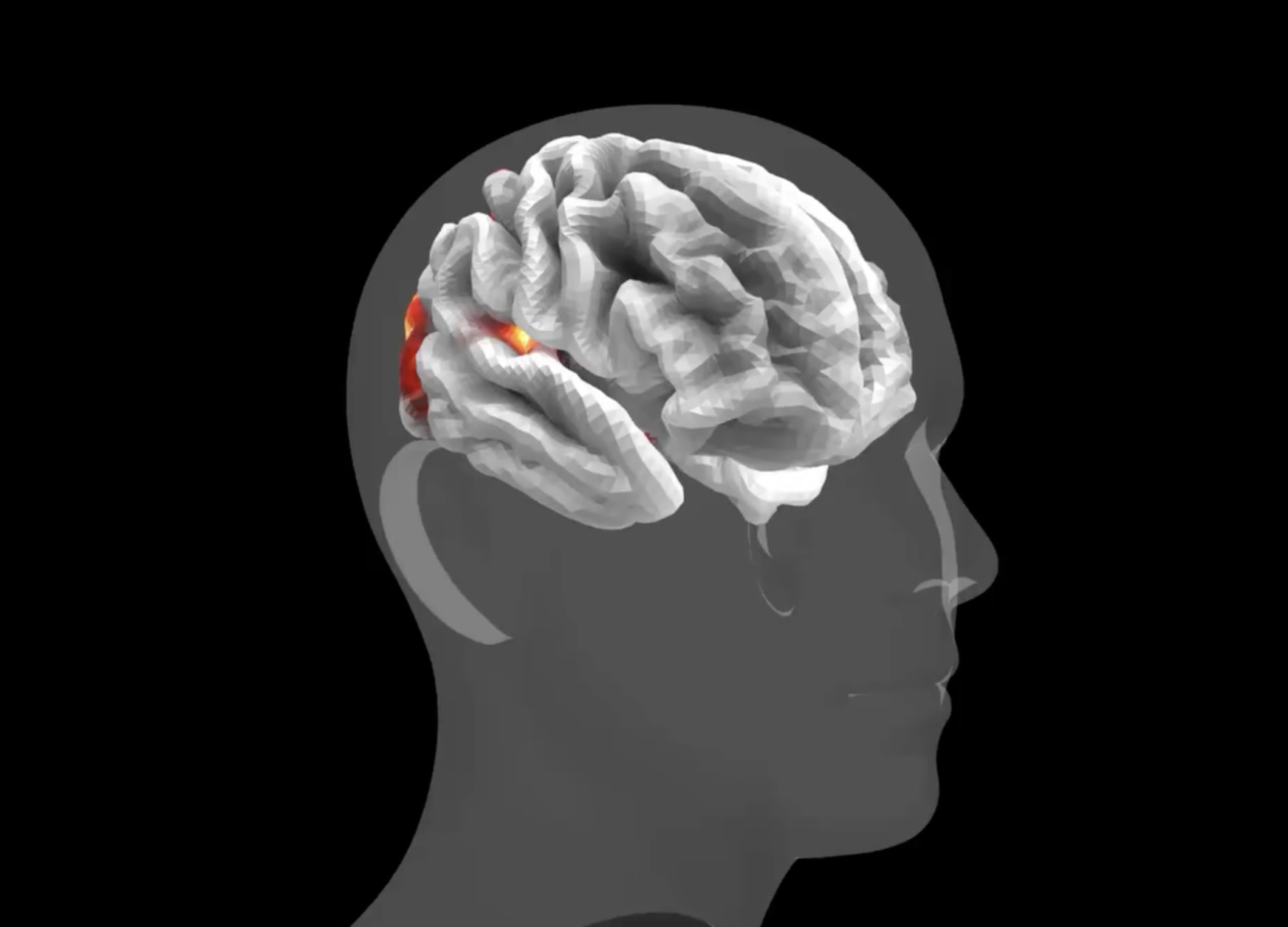
Meta has introduced TRIBE v2, a research model designed to simulate how the human brain responds to complex stimuli such as images, audio, and language. Positioned as a step forward in computational neuroscience, the model attempts to predict neural activity with greater precision than earlier approaches, while also reducing reliance on human testing during early-stage experiments.
At its core, TRIBE v2 is trained on a substantially larger and more varied dataset than its predecessor. While earlier versions relied on brain scans from a handful of participants, this iteration incorporates data from more than 700 individuals. These participants were exposed to a broad mix of media formats, including video, written text, and spoken content. The result is a system that can generate higher-resolution predictions of brain activity, particularly using fMRI data as a reference point.
One of the more notable aspects of TRIBE v2 is its ability to generalize across new conditions. The model can make “zero-shot” predictions, meaning it can estimate how the brain might respond to unfamiliar inputs, new languages, or even entirely new individuals without additional training. This capability could reduce the need for repeated human trials in certain types of neuroscience research, particularly in early hypothesis testing.
The model also reflects a broader trend in AI research: using biological systems as a reference for improving machine learning architectures. By attempting to mirror how the brain processes information, researchers hope to refine artificial systems that are more adaptable and efficient. At the same time, there are potential clinical implications. Simulating neural responses could help researchers better understand disorders that affect perception, cognition, or language, though practical applications in healthcare remain at an early stage.
Meta has made TRIBE v2 available under a non-commercial license, along with its supporting code and research paper. This open approach is intended to encourage further experimentation and validation within the scientific community. However, as with many early-stage AI models, questions remain around accuracy across diverse populations, interpretability of results, and how closely simulated outputs reflect real neural processes.
While TRIBE v2 highlights ongoing progress in combining neuroscience and machine learning, its long-term impact will depend on how reliably it can support real-world research and whether it leads to measurable advances in understanding the brain.