

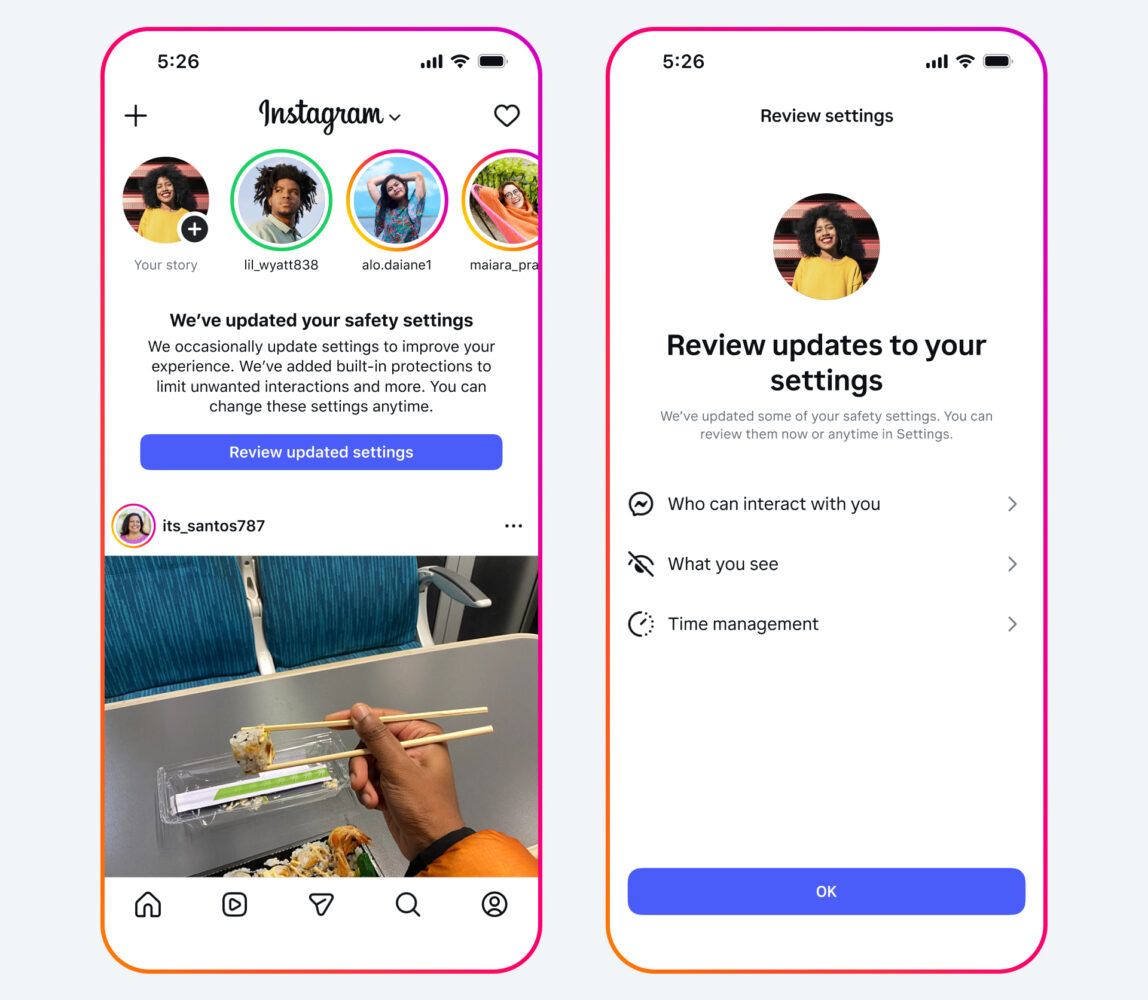
Meta is taking the guesswork out of birthdays on its platforms, or at least trying to. The company is expanding its AI-based age detection worldwide, using it to identify users it believes are teenagers, even when they signed up with an adult date of birth, and moving them into Teen Account protections automatically.
The reason is simple. Age checks at sign-up have always been easy to get around. A teenager who wants fewer restrictions only needs to enter a different year, and for years most platforms have accepted that answer. Meta openly describes age verification as a problem the whole industry faces, which is a fair assessment. It’s also a problem that regulators, schools and parents have grown far less willing to tolerate.
Teen Accounts are Meta’s main answer to that pressure. Available on Instagram, Facebook and Messenger, they apply default limits on who can contact a young user, what kind of content appears in their feed, and how long they spend in the apps. These protections only work if the system knows who is actually a teen, and that’s where the AI comes in. Meta says the technology has placed more teens into protected accounts since it first launched, and that the results were strong enough to justify a global rollout.
The most immediate change is on Instagram, where Meta expects millions more teenagers around the world to be placed into these settings regardless of the age they entered. The rollout continues on Facebook, and Meta says similar technology will begin launching globally on Threads before the end of the year.
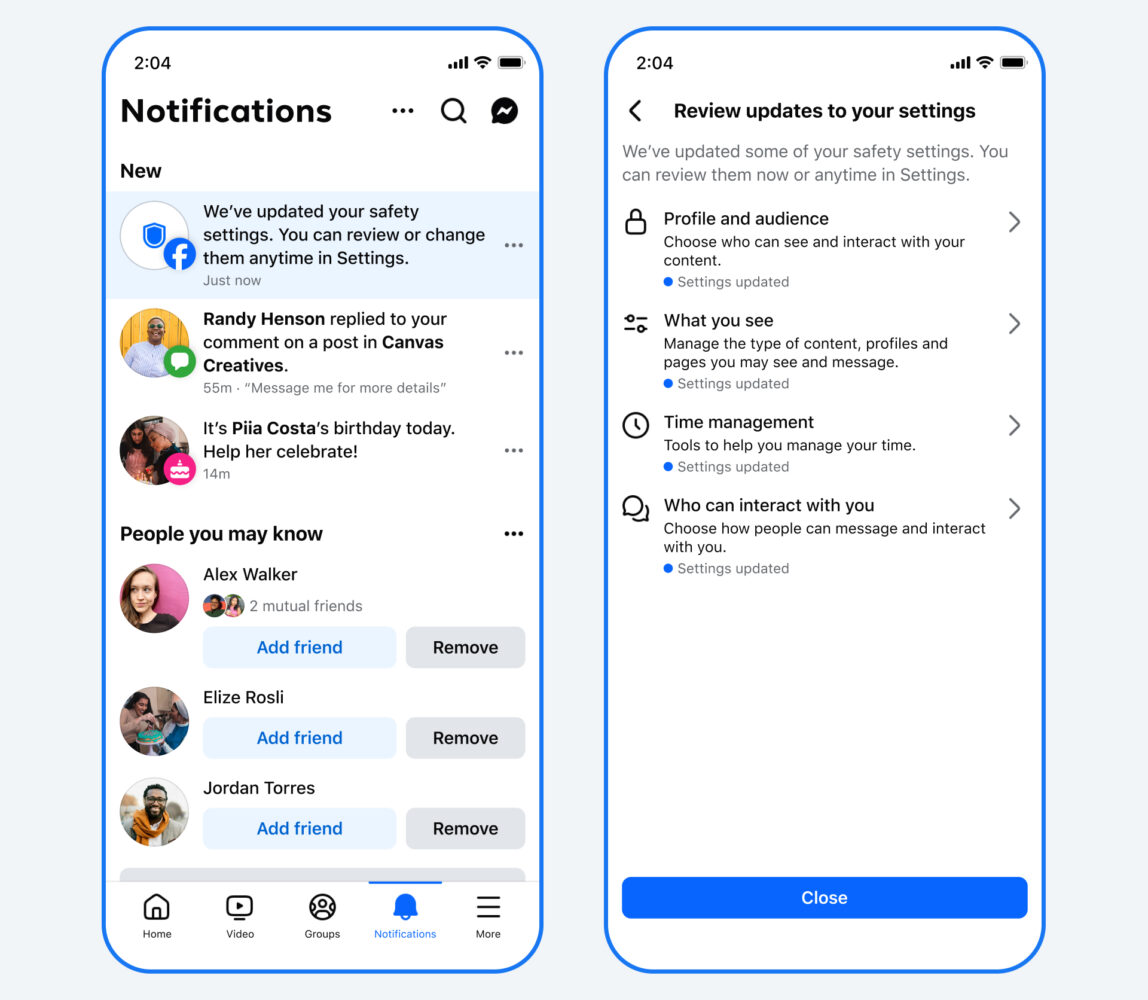
For parents, the appeal is clear. Protection no longer depends on a teenager being honest during sign-up. Still, Meta’s announcement leaves several important questions unanswered. It has not said what signals the AI uses to estimate age, how often it gets it wrong, or what happens to adults who are mistakenly flagged as teens. It also hasn’t said whether teens can easily challenge the decision and switch back. Without detection accuracy figures, “encouraged by the results” is the company’s assessment rather than something outsiders can verify.
There’s also a broader trade-off. Estimating age through behaviour means more automated analysis of how people use the apps, which brings its own privacy concerns. Meta is betting that most families will accept that in exchange for stronger safeguards. Whether regulators see this as meaningful progress or as a self-managed alternative to stricter age verification rules may decide how far the approach can go.