
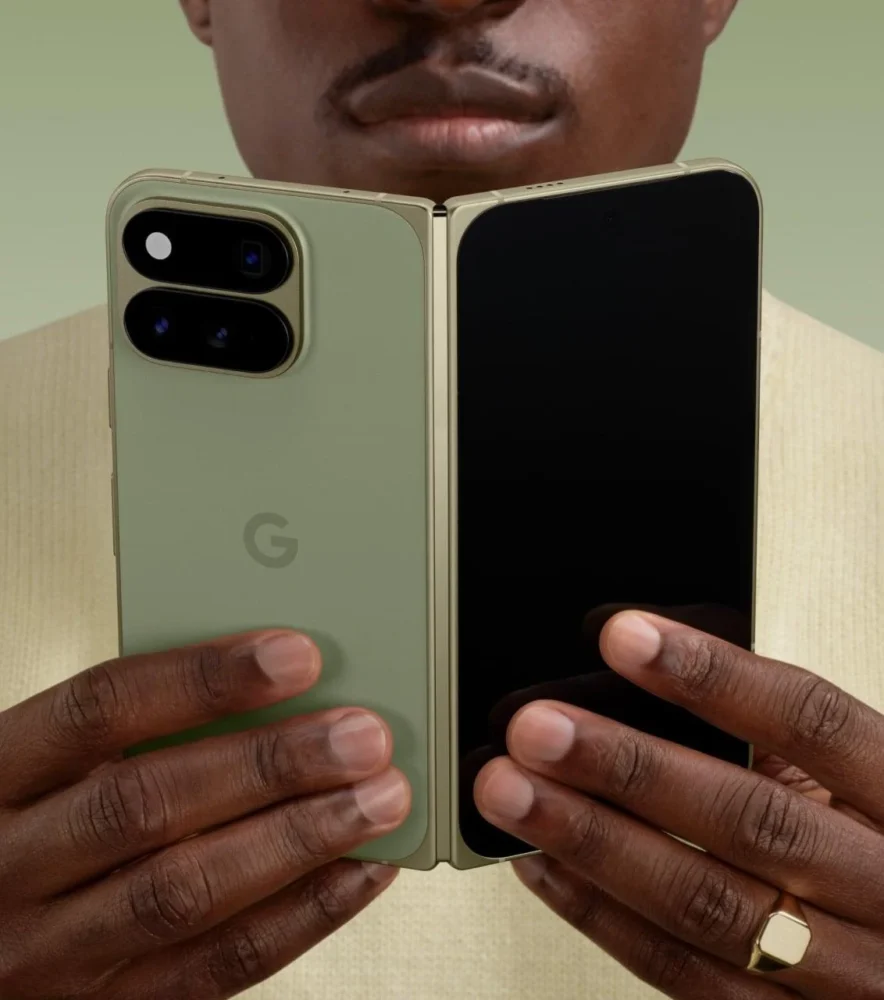
The Google Pixel 11 Pro Fold reviews are out, and Google’s latest folding flagship finds itself in a very different position from its predecessors.
Google was once able to compete simply by combining the Pixel experience with a large folding display. In 2026, that’s no longer enough. Foldables are becoming dramatically thinner, lighter and more sophisticated, and competition has never been stronger.
The good news is that Google has improved plenty. The Pixel 11 Pro Fold is lighter and slightly thinner, its displays are brighter, the main camera has received a significant upgrade, Tensor G6 improves performance and AI processing, and wireless charging is considerably faster.
The problem is that Google has refined its foldable while some rivals have reinvented theirs. At $1,899, being very good might not be enough.
Design and durability: lighter, but still chunky
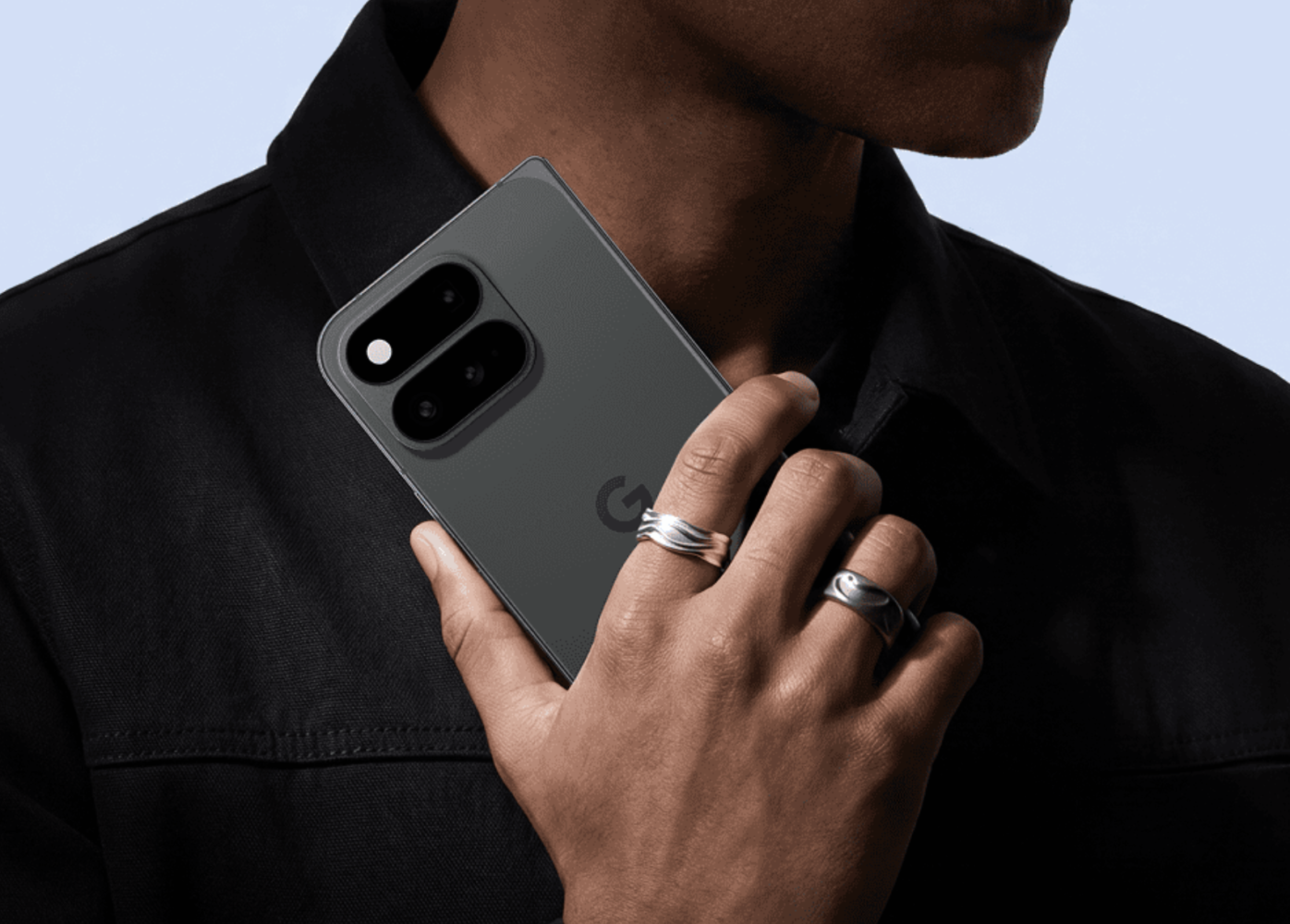
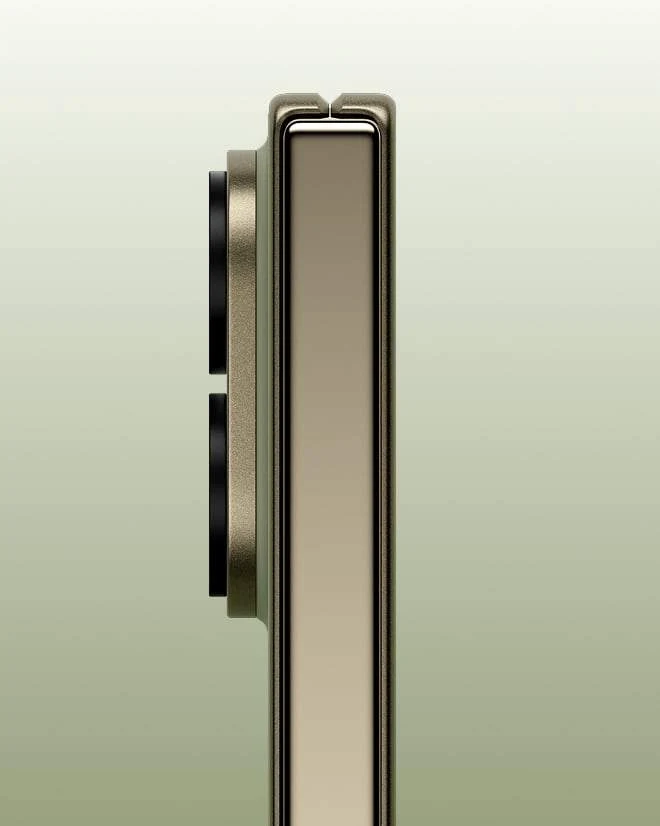
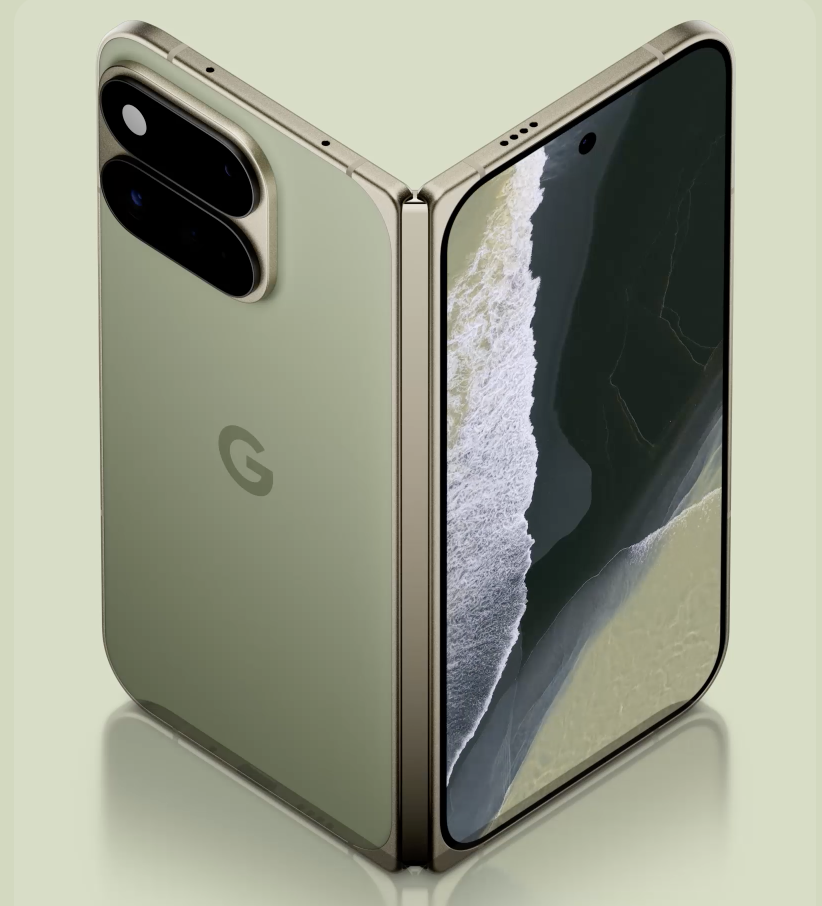
One of Google’s most noticeable improvements is weight. The Pixel 11 Pro Fold weighs 239g, around 10% less than its predecessor, while Google has also shaved roughly 1mm from its thickness.
That makes it more comfortable to carry and use, but it remains relatively thick compared with some newer foldables that increasingly resemble conventional smartphones when closed.
Construction is excellent, though. The rounded design is comfortable, narrower bezels give it a more modern appearance and Google has strengthened the exterior display and redesigned parts of the hinge and internal construction.
More importantly, the Fold retains IP68 dust and water resistance, a significant advantage for a device with a complicated folding mechanism. It might not be the thinnest foldable available, but it feels like one you can treat more like a normal smartphone.
Excellent displays, but the crease remains
The Pixel 11 Pro Fold has a 6.5-inch exterior OLED display and an 8-inch folding OLED display, both capable of reaching a claimed peak brightness of 3,600 nits.
Both screens are excellent, with strong colours, contrast and 120Hz refresh rates. The exterior display remains one of Google’s biggest strengths because its conventional proportions make the phone feel natural to use when closed.
The internal display is similarly impressive, but the crease remains more noticeable than on several competing foldables. Google has improved how it feels under your finger, but rivals have made greater progress in making their folding screens appear flatter.
A much better camera, but not Google’s best
The camera system receives one of the year’s more meaningful upgrades. The Pixel 11 Pro Fold now has a 48MP main camera with a considerably larger sensor, improving low-light photography, reducing noise and allowing faster shutter speeds in difficult conditions.
It joins an ultrawide and 5x telephoto camera, while Google’s computational photography continues to produce impressive results.
However, despite the Pixel 11 Pro Fold name and $1,899 price, the camera hardware still doesn’t completely match the conventional Pixel 11 Pro models. That’s frustrating when you’re paying considerably more for Google’s most expensive smartphone.
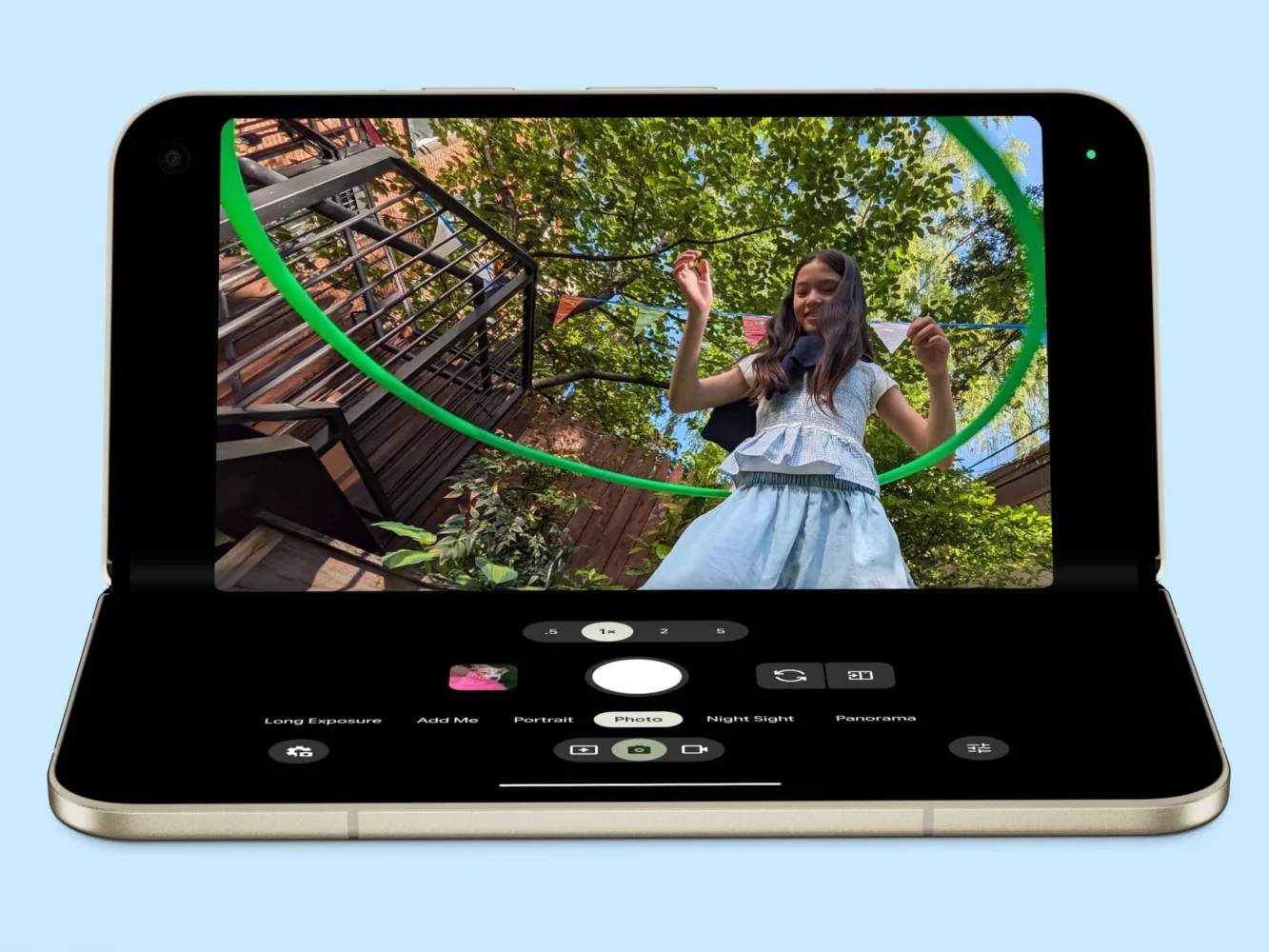
New software features help compensate. Camera Looks gives users control over contrast, warmth, highlights, shadows, sharpness and grain, while the Fold’s large internal display makes reviewing photographs particularly enjoyable.
Made You Look also remains one of Google’s smartest foldable-specific features, displaying animations on the external screen to attract the attention of babies and young children while taking photographs.
The big screen and Pixel AI are getting more useful
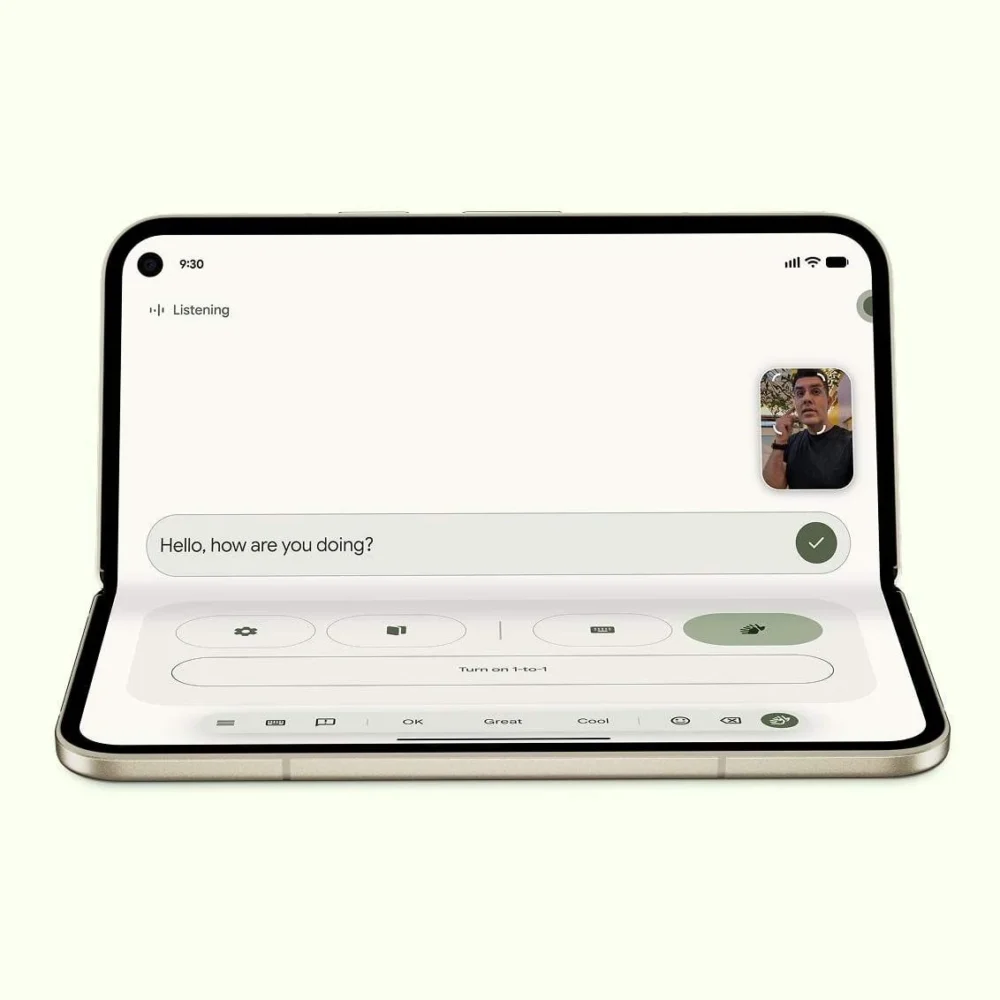
Google continues improving Android’s large-screen experience, with Bubble Anything allowing compatible apps to become floating bubbles that can quickly open over whatever you’re doing.
Multitasking and application behaviour have also improved, and Android 17 feels polished and responsive across the 8-inch display. Because Google controls both Android and Pixel hardware, software remains one of the Fold’s biggest competitive advantages.
Gemini is also becoming increasingly integrated throughout the operating system rather than existing as something you deliberately open. The Fold’s larger screen provides an interesting environment for AI-assisted multitasking and workflows, although some of Google’s more ambitious features remain inconsistent.
HiLight, Google’s new multicoloured notification light integrated into the rear flash, is another feature with potential but limited usefulness at launch. Right now, it feels more like the foundation for something Google may expand later.
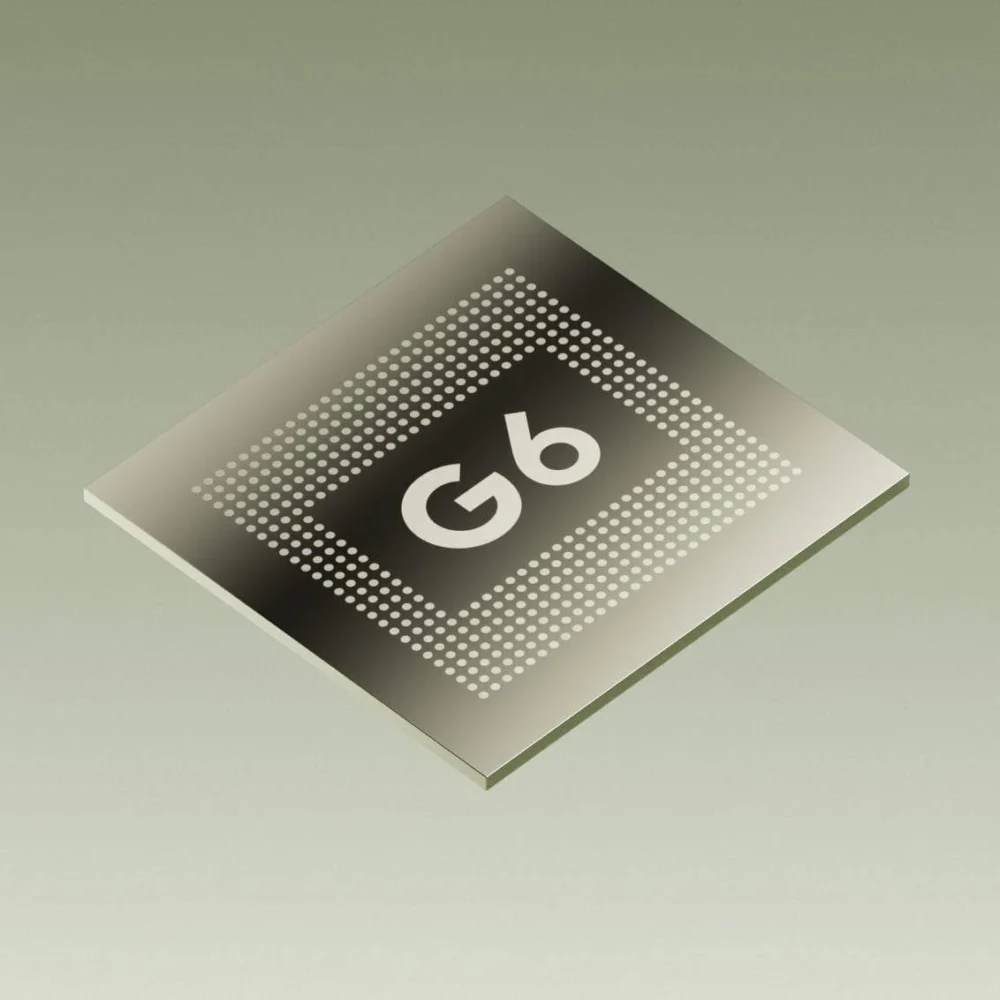
Tensor G6, battery and Qi2 charging
The Pixel 11 Pro Fold uses Google’s new Tensor G6 processor with 16GB of RAM. Everyday performance is excellent, with fast applications, smooth multitasking and responsive navigation across Android 17.
Gaming remains a weakness. Tensor isn’t designed to dominate graphics benchmarks, and demanding games expose the gap between Google’s processor and the fastest chips in competing foldables. That’s easier to overlook on a cheaper device than one costing nearly $1,900.
Battery life also hasn’t taken a major leap. The Fold has a 4,806mAh battery, actually smaller than its predecessor’s, with Google seemingly trading some capacity for reduced weight and thickness. Improved Tensor G6 efficiency means endurance remains broadly comparable, but some competitors offer larger batteries.
Charging is much more impressive. The Fold supports 25W Qi2.2 magnetic wireless charging through Google’s Pixelsnap system, making it easy to attach chargers, stands, wallets and MagSafe-style accessories.
For a foldable, magnetic stands are particularly useful because they can turn the large internal display into a small desk screen while charging. It’s one area where Google’s Fold offers a genuine advantage over many competitors.
The biggest problem is the competition — and the price
None of the Pixel 11 Pro Fold’s individual weaknesses are disastrous. The problem is how quickly the foldable market has evolved.
Rivals are producing phones that are dramatically thinner and lighter, with less visible creases, larger batteries and increasingly powerful processors. Against that backdrop, Google’s incremental approach becomes harder to defend.
The Pixel 11 Pro Fold is lighter, but still relatively thick. Its crease has improved, but competitors have pushed further. Tensor G6 is faster, but rival processors remain more powerful. Battery efficiency is good, but capacity has actually decreased.
And then there’s the price.
The Pixel 11 Pro Fold starts at $1,899, $100 more than its predecessor. There are meaningful improvements here, but the higher price makes every compromise more noticeable.
At this level, buyers aren’t simply comparing it with Google’s previous Fold. They’re comparing it with the very best folding phones available.
Should Pixel 10 Pro Fold owners upgrade?
For most Pixel 10 Pro Fold owners, probably not.
The new Fold is lighter, slightly thinner, brighter and faster, with a better main camera and excellent magnetic charging. But these are mostly refinements rather than changes that fundamentally transform the experience.
Someone upgrading from an older first-generation Pixel Fold will notice a much bigger difference. And for new foldable buyers who specifically want Google’s software experience, the Pixel 11 Pro Fold remains appealing.
Google Pixel 11 Pro Fold: the verdict
The early consensus is straightforward: Google has made a better Pixel Fold, but the rest of the foldable market has improved faster.
Judged on its own, the Pixel 11 Pro Fold is an excellent device. It has two excellent displays, a significantly better main camera, polished software, strong durability, useful magnetic charging and a folding form factor that can genuinely change how you use a smartphone.
The problem appears when you place it alongside the newest foldables. Rivals are aggressively reducing thickness and weight, minimising display creases, increasing battery capacities and pushing performance forward. Google’s Fold suddenly feels conservative by comparison.
That’s why software remains such an important part of its appeal. If you love the Pixel experience and want it on a large folding display, there’s still nothing quite like the Pixel 11 Pro Fold.
For everyone else, particularly at $1,899, the decision is much harder.