

OpenAI is bringing ChatGPT to Linux for the first time, closing one of the more obvious gaps in its desktop strategy as the company continues turning its chatbot into a broader working environment.
The new ChatGPT desktop app for Linux is launching in preview, with support for Ubuntu 24.04 LTS and 26.04 LTS, Debian 13, and Fedora 43 and 44. OpenAI is offering both .deb and .rpm packages, with builds available for x64 and ARM64 systems.
Linux users have had to rely primarily on the browser version of ChatGPT while macOS and Windows received native apps much earlier. OpenAI released its macOS desktop application in 2024, followed by Windows later that year, and both have since become increasingly important parts of the company’s product lineup.
That difference matters more now than it did when ChatGPT was largely a browser-based conversation tool. OpenAI has been steadily adding workflows aimed at software development, research and professional work, making tighter desktop integration more useful for people who keep the service open throughout the day.
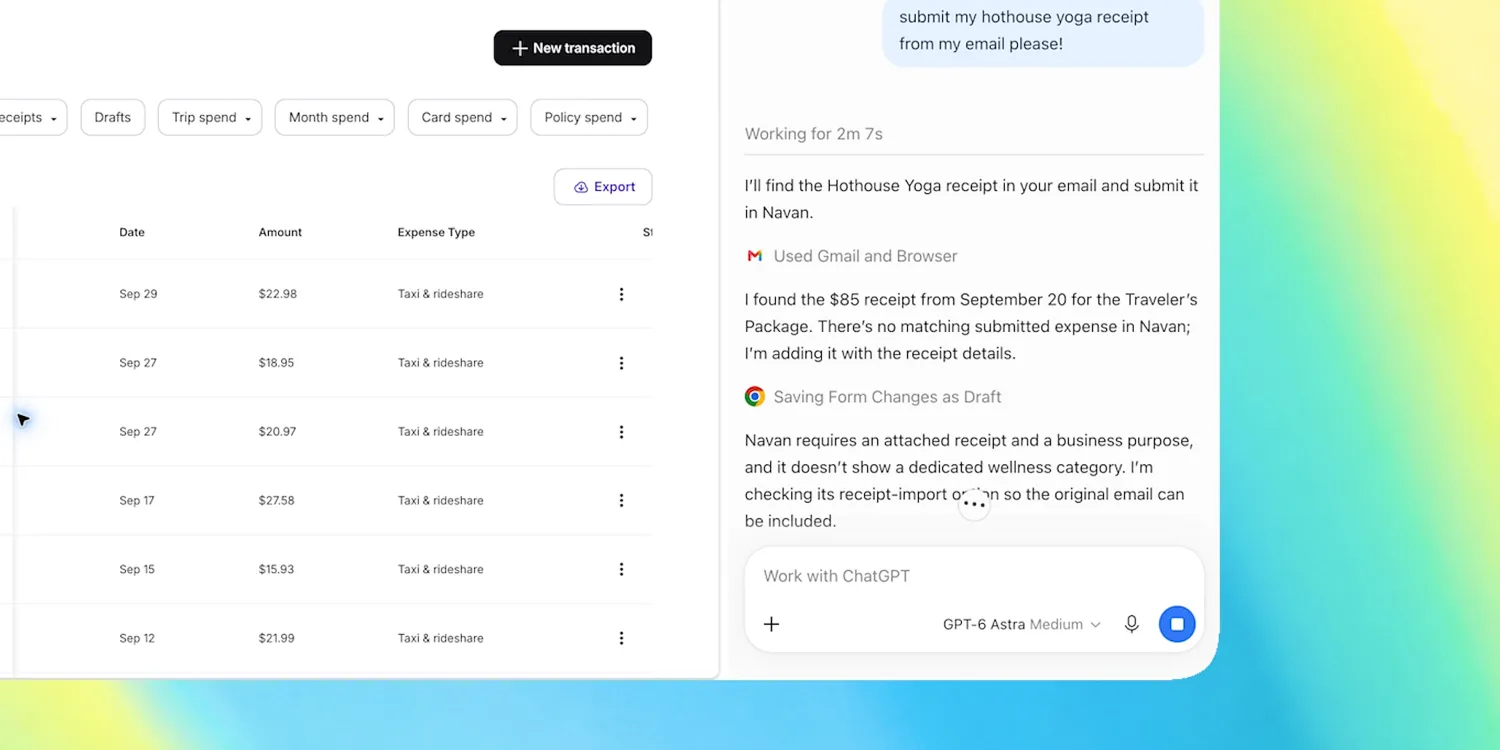
The Linux release includes access to ChatGPT, ChatGPT Work and Codex on supported systems. That gives developers in particular a more direct route into OpenAI’s expanding set of coding and productivity tools without needing to keep everything inside a browser tab.
Linux is also a logical platform for OpenAI to support as Codex becomes a bigger part of the ChatGPT experience. Developers, engineers and technical teams are disproportionately represented across Linux environments, especially when working with servers, cloud infrastructure and development toolchains. Leaving the platform unsupported indefinitely would have become increasingly difficult to justify.
There are limits for now. OpenAI is calling the Linux app a preview, and official compatibility is restricted to a relatively small set of current distributions. Users running Arch Linux, older Ubuntu releases, Linux Mint or other popular variants are not included in the initial support list, although package compatibility may eventually broaden.
The launch also arrives as OpenAI continues pushing ChatGPT beyond conventional question-and-answer interactions. The company recently added restaurant reservation discovery through services including OpenTable, Resy and Yelp, allowing users to search for restaurants and see available booking times directly inside ChatGPT. Availability varies by service and country.
Taken together, those changes point to a wider shift in what OpenAI wants ChatGPT to become. The service is increasingly being positioned as a persistent desktop workspace capable of handling coding, projects, research and everyday tasks rather than simply answering prompts.
For Linux users, the new app is less about introducing an entirely new ChatGPT experience and more about finally receiving platform parity. The more interesting question is how quickly OpenAI expands distribution support and whether the Linux version develops the same level of operating-system integration already available elsewhere.