


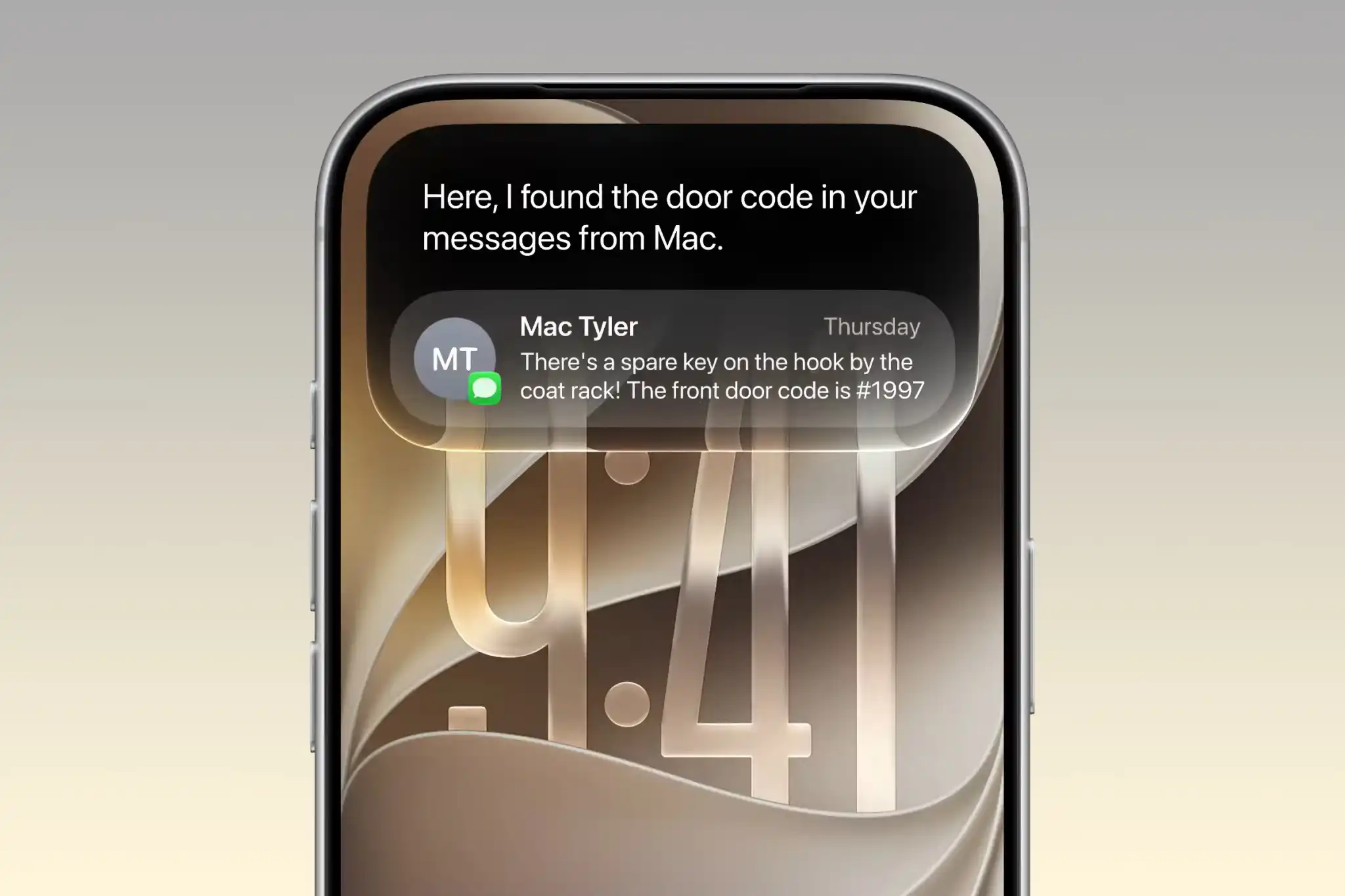

Apple is hiring to build an AI agent that can use a computer the way a person does. It would browse the web, move between apps, run commands, write and debug code and call online services, choosing the right tool at each step. According to a newly surfaced job listing, the company wants a senior engineering leader for a team already working on what it calls general-purpose computer-use agents.
The listing describes a system that can plan multi-step tasks and carry them out across browsers, terminals, code editors and APIs. It can also hand parts of a job to specialized sub-agents. The role involves working across three groups: the Siri team, the UI frameworks group and the team behind Apple Foundation Models. That suggests the project isn’t a standalone experiment. It touches the assistant, the software that draws apps on screen and the models that power Apple Intelligence.
As expected, Apple says safety, privacy and security must be central to the design and that the agent should work privately. That fits Apple’s long-standing pitch, but it also points to the hardest problem. An agent that can click through your apps and run commands for you needs extensive access to your device. The more capable it is, the more it can do when it misunderstands a request.
Timing is the bigger issue. Apple has previously been reported to want Siri behaving more like an agent as soon as 2027, and its rivals have already shipped. Meta’s Muse launched in September and climbed the App Store charts quickly. OpenAI followed with Dots, Anthropic launched Claude Duet, and Google turned its Gemini Spark agent into a feature called Tasks. All of them can be proactive, offering to handle tasks before being asked. Siri’s current AI features don’t do that.
Internal pressure seems to be building too. New CEO John Ternus has reportedly been pushing software chief Craig Federighi to speed up Apple’s AI work. That would mark a change of tone at a company often criticized for treating AI as a feature rather than a platform.
A job listing isn’t a product, and nothing here tells us when an Apple agent might ship, which devices it would run on or how much would happen on the device itself. Apple does have one real advantage. Its rivals’ agents have to work around operating systems they don’t control, while Apple builds the operating system, the app frameworks and the chips. If it can turn that ownership into an agent that feels trustworthy rather than intrusive, arriving late may matter less than it seems. The question is how far behind it will be by the time it ships.